
Inpatient pneumonia treatment: when hospitalization is necessary and how therapy is performed
The symptoms and treatment of pneumonia in adults depend on the cause. For some, it begins with a cough and fever. For others, shortness of breath and weakness develop. Still others experience no symptoms.
Pneumonia can be treated at home, but low oxygen saturation and high fever require hospitalization for pneumonia.

specialists

equipment

treatment






Advantages of inpatient treatment over outpatient treatment
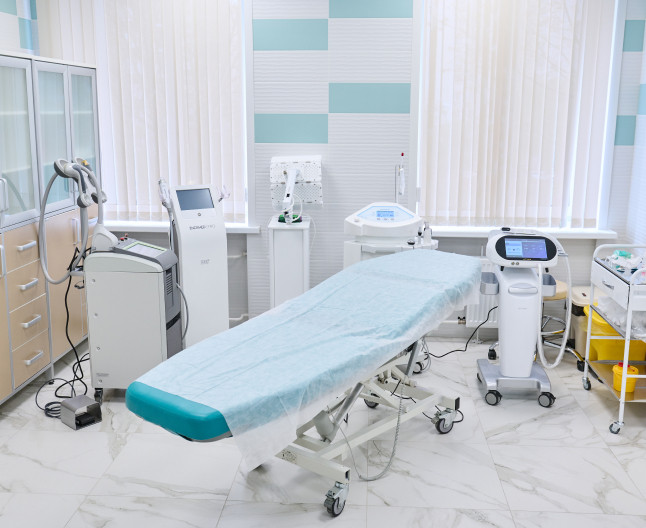
The main advantage of inpatient treatment is constant monitoring. In the hospital, the patient's oxygen saturation, blood pressure, and temperature are measured. If necessary, an X-ray or CT scan is performed.
If treatment is ineffective, the doctor quickly changes tactics.
In addition, inpatient treatment provides 24-hour oxygen support. In a hospital setting, the patient is given medications, undergoes tests, and, if necessary, is transferred to intensive care.
Table. Differences between outpatient and inpatient treatment
| Parameter | Outpatient treatment (at home) | Inpatient treatment (in hospital) |
|---|---|---|
| Physician supervision | Periodic visits or consultations, supervision more often with the family | 24-hour monitoring of the patient's condition, scheduled examinations and examinations in case of deterioration |
| Medication administration | Mainly orally (tablets, syrups) | Intravenous (IVs, injections) and oral as indicated |
| Oxygen support | Usually unavailable or limited by everyday resources | Available 24/7, with flow selection and monitoring |
| Access to mechanical ventilation/intensive care | No | Available; if respiratory failure worsens, transfer to intensive care is possible. |
| Dynamic diagnostics | Limited, often with a time delay | Quick: tests, X-ray/CT, saturation monitoring and dynamics Treatment |
| Speed of therapy adjustments | Slower, depends on communication with the doctor | Quick adjustments to the regimen if the effect worsens or is absent |
Diagnostics in a hospital setting

Pneumonia is not only a diagnosis based on symptoms. It is important to understand the severity of the inflammation, whether there is infiltration on the X-ray (areas of lung tissue consolidation), and the likely causative agent. This determines the treatment strategy.
Laboratory tests (blood and sputum tests)
Usually, in the first few hours, doctors take blood and sputum samples, perform an X-ray, and test for viruses.
Sputum culture is necessary in situations where the prescribed treatment is ineffective.
Instrumental methods (X-ray, CT, pulse oximetry)
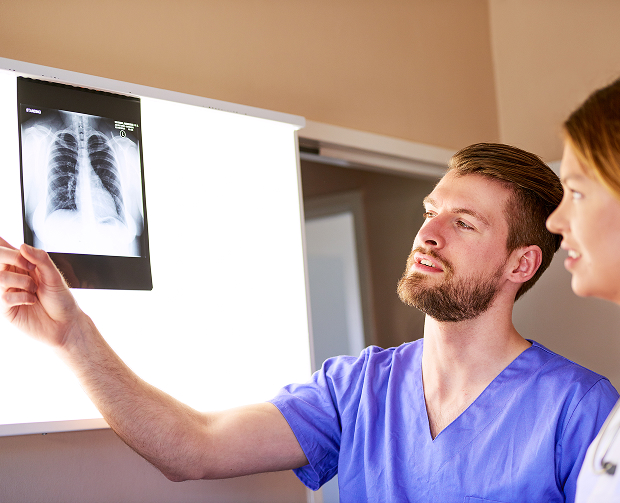
Sometimes pneumonia can be diagnosed by ear. However, an X-ray is taken to confirm the diagnosis. If the X-ray shows no signs of pneumonia, but the person has signs of pneumonia, a CT scan of the lungs is ordered. A CT scan can also measure the extent of tissue damage.
Pulse oximetry is also essential. In a hospital setting, oxygen saturation is measured twice daily. This helps determine how well the blood is oxygenated.
Methods of treating pneumonia in the hospital
Hospital treatment for pneumonia depends on the type of inflammation. Antibiotics are prescribed for bacterial pneumonia, while antiviral therapy is prescribed for viral pneumonia. The dosage is determined by a doctor.
Antibacterial and antiviral therapy
Antibiotics for pneumonia are prescribed after a blood test. However, if the illness is prolonged, the doctor may prescribe them before the test results are available.
Viral inflammation can be treated with immune stimulants or antiviral medications.
Infusion therapy and detoxification
In cases of high fever, weakness, poor fluid intake, and severe intoxication, IVs are administered. This helps maintain fluid balance, improve well-being, and improve tolerance to treatment.
Infusion therapy is always carefully selected, especially in the elderly and in patients with heart failure.
Oxygen support and physiotherapy
If oxygen saturation drops, oxygen is administered. In cases of severe respiratory failure, the person is admitted to intensive care.
Breathing exercises and physical therapy are also used. This is necessary to improve expectoration and relieve shortness of breath.
Duration of hospital stay and discharge criteria
How long does a patient with pneumonia stay in the hospital? If the patient's condition is stable, it's approximately 7-10 days (while the patient is receiving antibiotics). With low oxygen saturation, the hospital stay can be extended to three weeks.
A person is discharged if they:
- Temperature has been normal for several days
- Oxygen saturation is normal without oxygen
- No shortness of breath
- Visible positive treatment progress
Rehabilitation after discharge: doctor's recommendations
Rehabilitation is a temporary lifestyle change. Physical activity is prohibited after inflammation: sports can be resumed no earlier than a month later, and only if the disease has not caused heart complications.
FAQ
How long does it take to treat pneumonia in a hospital on average?
Is it necessary to go to the hospital for pneumonia?
Is it possible to cure pneumonia without antibiotics?
What tests are done first in the hospital?
Self-medication with antibiotics is unacceptable. Incorrect selection of medication can lead to the development of bacterial resistance and protracted illness. If shortness of breath, decreased oxygen saturation, or severe weakness occur, seek medical attention immediately.
Our doctors









This award is given to clinics with the highest ratings according to user ratings, a large number of requests from this site, and in the absence of critical violations.

This award is given to clinics with the highest ratings according to user ratings. It means that the place is known, loved, and definitely worth visiting.

The ProDoctors portal collected 500 thousand reviews, compiled a rating of doctors based on them and awarded the best. We are proud that our doctors are among those awarded.
Make an appointment at a convenient time on the nearest date
Other services

Appointment to the doctor
Reviews



















Our clinics


Application “Personal Account K+31”












Indications for hospitalization for pneumonia
The decision to treat at home or in the hospital is based on the person's overall condition. Doctors also consider oxygen saturation, respiratory rate, blood pressure, level of consciousness, and any underlying medical conditions. If a person has heart or kidney problems, it is better to go to the hospital.
If home treatment is ineffective, you should also go to the hospital.
Severity criteria in adults
Emergency hospitalization for pneumonia is necessary if at least one of the following is present:
These are signs that respiratory failure is beginning or is at high risk of developing. In such cases, inpatient treatment for pneumonia is the best option.
Risk groups: who should not be treated at home
Home treatment is possible. However, under certain circumstances, hospitalization is necessary. This applies to:
Pneumonia is treated more quickly in a hospital setting, as the patient is monitored by a team of specialized doctors.