
Inpatient treatment of pregnancy complications: types of pathologies and methods of assistance
Sometimes a pregnant woman experiences a condition where simply lying in bed for an extra hour doesn't help.
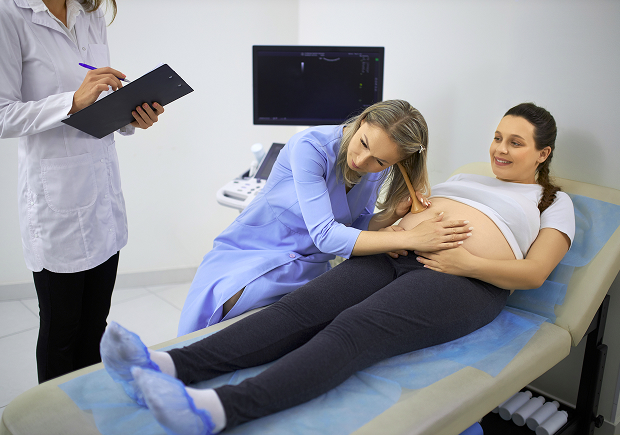
Treatment of pregnancy complications is performed in hospital. In a hospital, it's easier to monitor symptoms and the condition of the mother and baby. Furthermore, in a hospital setting, treatment strategies can be quickly adjusted: new medications can be prescribed, diagnostic tests can be performed, and dosages can be adjusted if necessary.

specialists

equipment

treatment




The main types of complications requiring hospitalization
Despite the slow progression of pulmonary emphysema, its symptoms in the late stages can cause significant physical and psychological discomfort. Understanding the signs that require medical attention is crucial for providing quality care to a patient with palliative care.
Shortness of breath and "Respiratory panic"
One of the most common manifestations of emphysema is progressive shortness of breath, which contributes to anxiety ("respiratory panic"). This is due to the destruction of alveolar walls and loss of lung tissue elasticity, which makes normal breathing difficult.
An effective symptom management strategy includes a range of measures aimed at reducing respiratory failure and alleviating emotional stress.

Preeclampsia and arterial hypertension
Preeclampsia (treatment) is elevated blood pressure in a pregnant woman. However, it's not just the blood pressure monitor readings that are important, but the woman's condition as well. If blood pressure rises due to heat, that's one thing; if it rises due to kidney problems, hospitalization during pregnancy is necessary.
Hospital doctors will monitor blood pressure (at least twice a day), collect urine samples, and perform an ultrasound and CTG to determine the baby's condition.
If basic treatment is ineffective (blood pressure continues to rise, headaches persist, or flickering appears), therapy is modified. In particularly dangerous cases, gynecologists may decide to induce labor. However, this is an extreme measure and is used only if there is a real threat to the woman's life.

Placental insufficiency and placental pathologies
Placental insufficiency is another pregnancy complication. In this case, the baby doesn't receive enough oxygen. It develops poorly, and organs may develop abnormally.
This condition is visible on ultrasound; external signs may be absent. If this diagnosis is made, hospitalization is essential. They will perform a Doppler ultrasound, assess blood flow, and conduct fetal monitoring. If placental abruption is suspected (pain, spotting, or deterioration in well-being), labor will be induced.
Severe preeclampsia (Toxicosis)
Severe toxicosis is more than just nausea. Persistent vomiting, dehydration, weight loss, and abnormal test results require hospitalization.
To relieve toxicosis, the following is used:
- Infusion therapy
- Electrolyte correction
Treatment of pregnancy complications is aimed at stabilizing the woman's condition.
Advantages of inpatient treatment
Inpatient treatment of pregnancy pathologies is an opportunity to quickly achieve good results. In most cases, a pregnant woman needs rest, but creating a calm environment at home is not always possible, especially when the woman has older children.
Inpatient treatment not only provides the pregnant woman with treatment but also allows her to rest all day.
24-hour fetal monitoring and observation
The most important thing pregnant women value is peace of mind. The department offers fetal monitoring, regular assessment of the baby's heart rate and movements, and CTG. This ensures dynamic monitoring of the fetus's condition. This reduces anxiety, as with home monitoring, the woman must visit the gynecologist and have an ultrasound every week.
Intensive care options
If blood pressure rises sharply, bleeding intensifies, or signs of abruption appear, immediate assistance is provided. If necessary, emergency services are called in, treatment is administered according to protocols, and a decision is made on whether to continue the pregnancy or deliver the baby.
The hospital always has a team of neonatologists and pediatric intensive care specialists. If the baby is born prematurely, doctors will do everything possible to save its life.
Comprehensive diagnostics: ultrasound, CTG, laboratory tests
The hospital has everything necessary for a proper diagnosis and treatment:
- Ultrasound
- Dopplerometry and CTG
- Availability to undergo all types of tests
- Non-invasive tests (performed as indicated)
This is why pregnancy pathologies are treated in hospital. This is the only way to preserve the life and health of both mother and child.
How does hospitalization and treatment process work?

Hospitalization during pregnancy begins in the emergency room. There, the woman is examined by an obstetrician/gynecologist. They measure her blood pressure, listen to her complaints, perform an ultrasound/CTG as indicated, and prescribe tests.
Then the woman is transferred to a specialized pregnancy pathology department, where a treatment plan is developed.
Hospitalization usually lasts for 10-14 days. To avoid stress, bring the following:
- Passport, insurance policy, medical record, recent test results/ultrasound
- Comfortable clothes, slippers, hygiene products
- Phone charger, still water, light snack (unless your doctor has restricted your diet)
- Compression stockings, as recommended by your doctor, if you are prone to swelling/varicose veins
Treatment is individualized: for some, rest and an ultrasound are sufficient, while others require medication.
The goal is the same: maintaining the pregnancy in the hospital and safely extending it, if possible.
Complication prevention and doctor's recommendations
There are signs of pregnancy complications that require immediate emergency medical attention:
- Bloody discharge
- Severe abdominal pain or increasing uterine tone
- A sharp increase in blood pressure, severe headache, or spots before the eyes
- A sharp deterioration in health, severe weakness
- A noticeable decrease in fetal movements
Prevention includes regular visits to an obstetrician/gynecologist, monitoring blood pressure, weight, and swelling. The use of any medications (including vitamins) must be discussed with a doctor. A woman should not take medications recommended by a neighbor or friend, and folk remedies (herbs, compresses) are also prohibited.
Table: Day hospital vs. 24-hour hospital
| Criteria | Day hospital | 24-hour hospital |
|---|---|---|
| Duration of stay | Several hours during the day | 24-hour, several days |
| Severity of condition | Mild, moderate | Moderate, severe |
| Basic procedures | Tests, IVs, observation | Full monitoring, 24/7 treatment, emergency preparedness |
| Goal | Stabilize without overnight observation | Risk management, treatment for decompensation, preparation for delivery |
FAQ
Is everyone with complaints admitted to hospital?
Is it possible to visit a pregnant woman in the ward?
How long does a typical hospital stay last?
This article is for informational purposes only. If any complications occur, consult a doctor immediately or call an ambulance. Self-medication is not permitted.
Our doctors









This award is given to clinics with the highest ratings according to user ratings, a large number of requests from this site, and in the absence of critical violations.

This award is given to clinics with the highest ratings according to user ratings. It means that the place is known, loved, and definitely worth visiting.

The ProDoctors portal collected 500 thousand reviews, compiled a rating of doctors based on them and awarded the best. We are proud that our doctors are among those awarded.
Make an appointment at a convenient time on the nearest date
Other services

Appointment to the doctor
Reviews




















Our clinics


Application “Personal Account K+31”











What is considered a complicated pregnancy?
A complicated pregnancy is a condition that threatens the health of both mother and child. This includes uterine tone, discharge (blood or leaking amniotic fluid), high blood pressure, and abnormal blood or urine test results.
In such situations, hospitalization during pregnancy is necessary for both safety and to preserve the life of the child. It's best to treat the symptoms of complications in the hospital. For example, with bleeding, every minute counts: if treatment is not started, the woman could lose the baby.