
Effective Inpatient Treatment for Arthrosis: When is Hospitalization Necessary?
Arthrosis, or osteoarthrosis, develops gradually: cartilage wears away, the composition of synovial fluid changes, and joint mobility decreases. At some point, the usual pills and ointments recommended by a neighbor or colleague stop helping. Pain interferes with walking, and the stress on the joints increases daily.
Arthrosis treatment is best performed inpatient. In the hospital, a person does not have to do household chores and can spend most of their time in bed, thereby reducing the stress on the affected joint.
Inpatient treatment is easier: doctors immediately conduct tests and prescribe treatment that can be adjusted quickly.

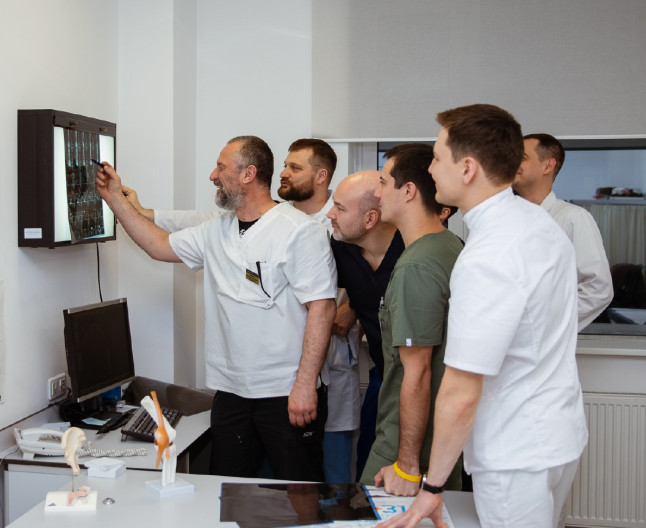
specialists

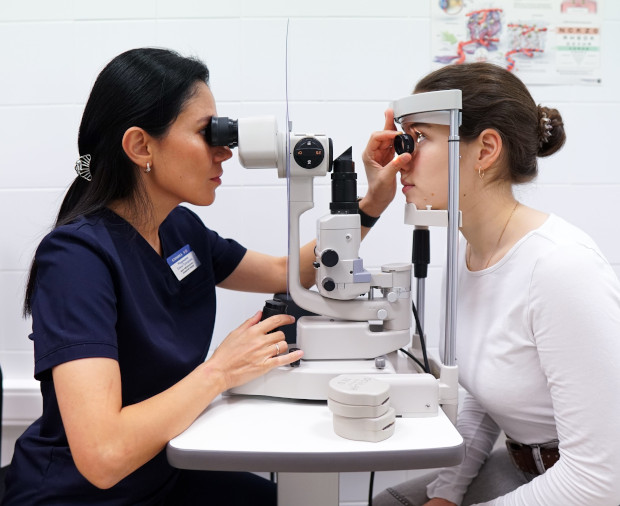
equipment

treatment






Indications for planned hospitalization for arthrosis

Hospitalization for arthrosis is most often planned. Emergency care is needed in situations where pain interferes with normal functioning, and outpatient treatment for arthrosis is no longer effective.
Indications for hospitalization:
- Severe pain that interferes with sleep and walking
- Decreased joint mobility and fatigue
- Swelling that prevents bending the leg or arm at the joint
- Preparation for or recovery from surgery
- A course of physical therapy and exercise therapy is required, which are not available at the outpatient clinic

Stages of the disease requiring intensive care
Inpatient treatment is most often required for stage 2–3 osteoarthritis, when degenerative changes are severe and the joint can no longer withstand its usual load. This applies to:
- Gonarthrosis—a situation where a person cannot walk up or down stairs due to pain in the knee joint.
- Coxarthrosis—limited hip joint motion.
In both cases, gait changes. The person may have difficulty sitting down and getting up from a chair. Inpatient treatment for osteoarthritis in these situations allows for rapid relief of inflammation and a return to normal life.
Methods of inpatient treatment of arthrosis
Inpatient treatment for arthrosis is comprehensive. The doctor should relieve pain, reduce inflammation, improve muscle function, and restore joint mobility. Conservative treatment for arthrosis involves medication. While this can be done at home, it's easier to monitor progress and adjust dosages in a hospital setting.
Drug Therapy and Intra-Articular Injections
Painkillers and anti-inflammatory medications are used to treat arthrosis. The dosage is adjusted based on age, chronic conditions, and the severity of inflammation.
A doctor may also prescribe chondroprotectors. These dietary supplements are difficult to digest, so it's best to use them under the supervision of a specialist.
Intra-articular injections are also used to relieve pain: hyaluronic acid preparations and PRP therapy (platelet-rich plasma). Intra-articular injections are prescribed by a doctor and are usually administered by an orthopedic surgeon. Self-injecting medications into the joint is not recommended; this will not only increase inflammation but also risk infection.
Modern Physiotherapy and Balneotherapy
Physiotherapy for arthrosis reduces pain, improves microcirculation, and alleviates muscle spasms. Magnetic therapy, ultrasound, and electrical stimulation are used for treatment.
The main advantage of inpatient treatment is that physiotherapy is administered in a course, without one-time visits or long breaks.
Physical therapy under the supervision of specialists
Physical therapy is the key to recovery. Without muscle strengthening, the joint continues to be overloaded, even if the pain has temporarily subsided. In a hospital setting, an instructor teaches proper exercise technique, monitors safe loading, and helps restore stable walking and everyday activities. This is rehabilitation for joint diseases in a practical sense.

A comprehensive approach means treatment goes beyond just a pill. At the arthrosis treatment clinic, you:
- Take medications
- Undergo treatments
- Do exercises
- Maintain a regular exercise regimen
- Manage your weight
- And spend less time moving.
This is the only way to quickly relieve pain and return to normal life. There are no standard protocols for arthrosis treatment. A personalized treatment and rehabilitation plan is developed for each patient.

Table: Outpatient and inpatient treatment
| Parameter | Outpatient treatment | Inpatient treatment |
|---|---|---|
| Intensity of treatments | 1–3 times a week | Daily course |
| Doctor's supervision | By visit | Daily, with adjustments |
| Speed of effect | Often slower | Usually faster due to its comprehensive nature. |
| Physical therapy | Independent, risk of errors | Under specialist supervision |
| Intra-articular injections | By appointment | As indicated, as part of the plan |

Answers to frequently asked questions
Please note! This information is for informational purposes only. Treatment decisions are made solely by a physician based on diagnostic assessments.
When is the best time to undergo inpatient treatment for arthrosis?
Does everyone need intra-articular injections?
Can physical therapy alone be sufficient?
Our doctors









This award is given to clinics with the highest ratings according to user ratings, a large number of requests from this site, and in the absence of critical violations.

This award is given to clinics with the highest ratings according to user ratings. It means that the place is known, loved, and definitely worth visiting.

The ProDoctors portal collected 500 thousand reviews, compiled a rating of doctors based on them and awarded the best. We are proud that our doctors are among those awarded.
Make an appointment at a convenient time on the nearest date
Other services

Appointment to the doctor
Reviews


















Our clinics


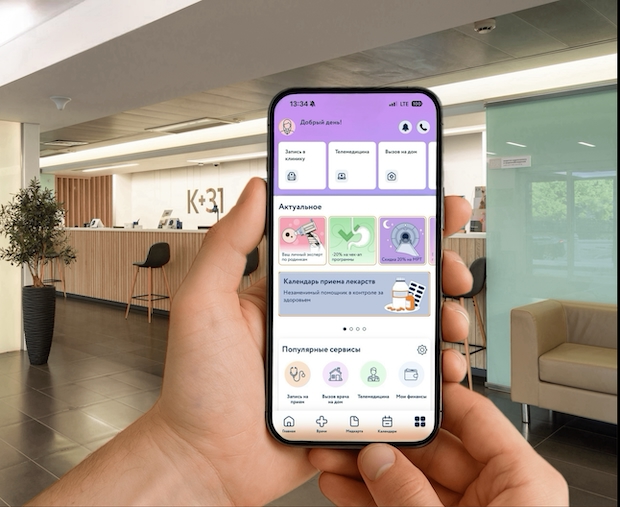
Application “Personal Account K+31”












Why is inpatient treatment more effective than outpatient treatment?
At home, we often undergo treatment in fits and starts: today we get an injection, tomorrow we stop treatment, and a week later we're looking for a doctor again. Inpatient treatment is continuous. If the doctor doesn't see progress, they change tactics. Inpatient treatment for arthrosis allows for a combination of examinations, medications, exercise therapy, and physiotherapy.
Advantages of inpatient care:
When choosing a clinic for arthrosis treatment, consider not only the cost of treatment but also the composition of the medical team. Ideally, the hospital would have a dentist, orthopedic traumatologist, and physical therapist on staff.