
Encephalitis and Lyme Disease: Inpatient Treatment Considerations
Early spring and fall are dangerous periods. During this time, a huge number of people seek emergency room treatment due to tick bites. A seemingly harmless bite can lead to a host of problems: tick-borne encephalitis and Lyme disease.
These are two different diseases: one is viral, the other bacterial. Consequently, their treatments also differ. What unites these diseases is their mode of transmission and the severe health consequences.
Effective inpatient treatment of encephalitis and the management of Lyme disease requires the work of several specialists. However, a diagnosis cannot be made based on external symptoms; testing is required.

specialists

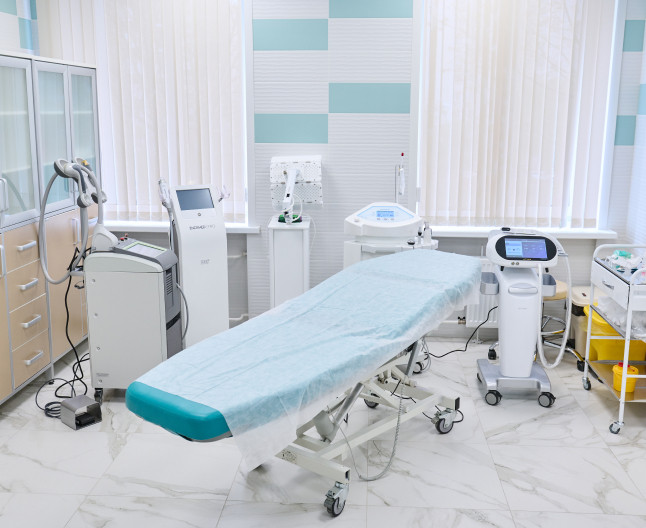
equipment

treatment



Diagnostics in a clinical setting

The initial examination is performed by an infectious disease specialist or neurologist. However, the clinical picture is often vague. For example, tick-borne encephalitis, the symptoms and treatment of which depend on its form (febrile, meningeal, or encephalitic), can resemble the common flu in its early stages.
Laboratory tests (PCR and serology)
First, doctors test blood and cerebrospinal fluid. They perform a PCR test and an antibody test (IgM and IgG).
An antibody test may be negative in the first week of illness. However, this does not mean the disease is definitely not present. Results should be monitored over time (taken every week).
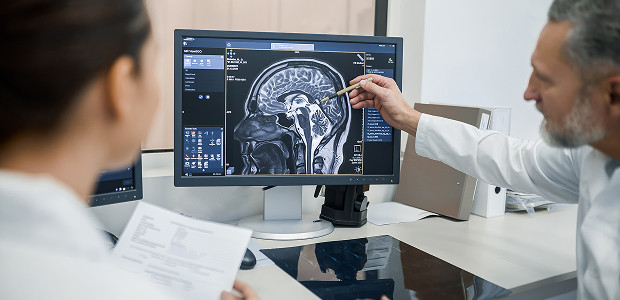
Instrumental studies (MRI, EEG)
If the doctor suspects a CNS lesion, additional tests are prescribed:
- An MRI of the brain is performed to examine foci of inflammation or edema
- EEG (electroencephalography): to detect seizures
- Lumbar puncture: a cerebrospinal fluid sample is taken to confirm meningitis

Tick-borne Encephalitis Treatment Protocols
Viral encephalitis is not treated with a single drug, so therapy is aimed at suppressing viral replication and protecting brain cells.
Etiotropic Therapy and Immunoglobulins
On the first day of treatment, immunoglobulin administration begins. These are antibodies that help the body fight the virus. The drug should be administered within the first 72 hours (emergency prophylaxis); if this period is missed, the effect of this treatment will be minimal. In hospital, the patient is also given antiviral medications and interferons.
Detoxification and CNS Support
Massive infusion therapy is administered to reduce cerebral edema and eliminate toxins. The patient is administered saline solutions, osmotic diuretics, and neuroprotectors. If the disease is severe, a neurologist is involved to correct motor and cognitive impairments.
Specifics of therapy for borreliosis (Lyme disease)
Unlike encephalitis, borreliosis is caused by bacteria, so hospital treatment for borreliosis revolves around antibacterial therapy.
Inpatient Antibacterial Therapy
Inpatient Lyme disease therapy utilizes parenteral (intravenous) administration of medications, which ensures high concentrations in tissues and cerebrospinal fluid.
- Antibiotics for Lyme disease: Tetracycline (doxycycline) or third-generation cephalosporins (ceftriaxone) are most commonly used.
- The course of treatment typically ranges from 14 to 28 days, depending on the stage of the disease.
Prevention of Chronic Forms
The doctor's main goal in a hospital setting is to prevent the infection from becoming chronic, which can damage joints, the heart, and nerves.
Caution: Do not take antibiotics without testing. If you have a viral infection, they won't help; they will only lead to addiction. The next time you really need help, the antibiotic simply won't be effective.
Comparison of tick-borne encephalitis and borreliosis
| Characteristics | Tick-borne encephalitis | Lyme disease |
|---|---|---|
| Pathogen | Virus | Bacteria (Borrelia) |
| Target organs | Central nervous system (brain, meninges) | Skin, joints, heart, nerves |
| Specific Symptom | Double-wave fever | Erythema migrans |
| Primary treatment | Immunoglobulins, immunoglobulins | Antibiotics (ceftriaxone, etc.) |
| Prevention | Vaccination, immunoglobulin | Emergency antibiotic prophylaxis |
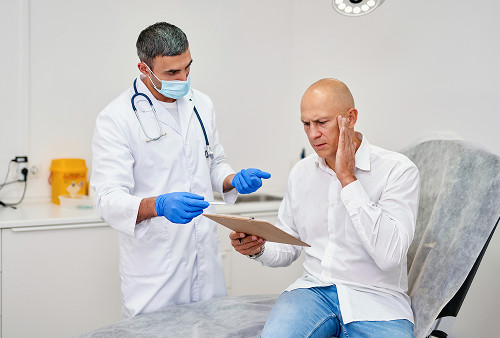

Inpatient treatment for encephalitis does not guarantee an immediate return to normal life. The consequences of tick-borne infections can later manifest as headaches, paresis, or memory impairment. Rehabilitation is necessary. Typically, the following is recommended to reduce the risk of relapse:
- Physical therapy to restore muscle tone
- Nootropic medications and B vitamins
- Magnetic therapy, electrophoresis (prescribed by a physiotherapist)
- Monitoring by an infectious disease specialist and neurologist for 1–2 years
Treating encephalitis requires a comprehensive approach and a team of doctors. A single therapist cannot solve the problem: a traumatologist, an infectious disease specialist, and a neurologist are needed.
Frequently Asked Questions
Will immunoglobulin administration help if more than 4 days have passed since the bite?
Can Lyme disease be treated at home?
Can you be infected with two infections at the same time?
Does a spot (erythema) always appear with Lyme disease?
No, there is a non-erythematous form of the disease, which is particularly dangerous due to the difficulty of diagnosis. This is why antibody testing and PCR are so important.
Remember that tick-borne encephalitis has many symptoms, but treatment should only be prescribed by a doctor. Taking pills, let alone antibiotics for Lyme disease, without testing is dangerous. At the very least, you'll waste time; at the very most, you'll cause significant harm to your body.
Our doctors









This award is given to clinics with the highest ratings according to user ratings, a large number of requests from this site, and in the absence of critical violations.

This award is given to clinics with the highest ratings according to user ratings. It means that the place is known, loved, and definitely worth visiting.

The ProDoctors portal collected 500 thousand reviews, compiled a rating of doctors based on them and awarded the best. We are proud that our doctors are among those awarded.
Make an appointment at a convenient time on the nearest date
Other services

Appointment to the doctor
Reviews







Our clinics


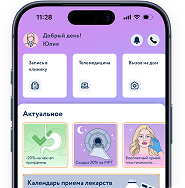
Application “Personal Account K+31”











Why is hospitalization necessary after a tick bite?
Prompt hospitalization after a tick bite is the best way to stay healthy. The danger of tick-borne infections lies in their rapid progression and their ability to affect vital body systems.
If you've been bitten by a tick, see a traumatologist. They'll tell you what to do next and, if necessary, remove the insect from the wound.
You should call an ambulance in the following situations:
Hospital doctors will immediately take tests, determine the type of illness, and prescribe treatment. If the patient becomes too ill, they will be admitted to intensive care and monitored around the clock.