
Myocardial infarction treatment in hospital: how to save the heart
If a person is having a heart attack, staying at home is very dangerous; urgent hospitalization is necessary. If a coronary artery becomes blocked, part of the heart muscle begins to suffer from oxygen deprivation. Therefore, hospitalization after a heart attack is the fastest way to restore blood flow and reduce the risk of complications.

specialists

equipment

treatment



Modern methods of restoring blood flow
The goal of inpatient treatment is to restore blood flow to the infarction-related coronary artery. The treatment format is chosen depending on the type of infarction and the capabilities of the cardiology department.
Percutaneous coronary intervention (stenting)
Stenting for a heart attack is the most common heart procedure. In this case, the doctor inserts a dilating stent into the blocked artery, with or without medication (depending on the situation).
Thrombolitic therapy (clot dissolution)
Thrombolysis for heart attack is a surgical procedure to dissolve a clot. It is used when stenting is not possible quickly. However, thrombolysis does not completely solve the problem. Patients who undergo this procedure typically still require stent placement or coronary angiography.
Coronary Artery Bypass Grafting (CABG)
CABG is not necessary for everyone. It is considered if the coronary artery disease is complex (e.g., multivessel) or if stenting does not resolve the problem. The decision is made by a cardiologist, a radiologist, and a cardiac surgeon.
Table: PCI and Thrombolysis
| Parameter | PCI (stenting) | Thrombolytic therapy |
|---|---|---|
| Invasiveness | Invasive (catheter) | Non-invasive (IV infusion) |
| Time to start | As soon as possible in hospital with angiography | Immediately, if PCI is not available in a timely manner. |
| Efficacy | Higher if performed in a timely manner. | Time-dependent; risk of partial effect. |
| Risks | Bleeding, contrast mediation, etc. | Higher risk of bleeding; contraindications exist. |
After blood flow is restored, planned treatment begins, aimed at maintaining the result and protecting the myocardium. Treatment after myocardial infarction is standard for almost all patients. Typically, a cardiologist prescribes:
- Anticoagulants and antithrombotic drugs
- Beta-blockers (reduce the load on the heart)
- Statins (stabilize plaques, reduce the risk of reoperation)
- Medications for blood pressure control and myocardial remodeling
- Painkillers, oxygen as indicated
Myocardial infarction treatment should be carried out in the hospital. Don't be discharged immediately after feeling better. It's easier to maintain a regimen in the hospital: a person isn't bothered by everyday problems and doesn't need to do household chores.
Length of hospital stay and regime

The duration depends on the extent of necrosis, complications, ejection fraction, and how revascularization was performed. On average, the hospital stay is 7 to 14 days.
How long does it take to stay in the hospital after a heart attack?
If everything went smoothly and blood flow was restored quickly, the patient is discharged within 7-10 days. If complications occur, the hospital stay is extended due to a prolonged stay in the intensive care unit (ICU).

Exercise and Diet (Diet No. 10)
Movement is gradually increased. At first, the patient is allowed to sit for a few minutes a day, then they can take a few steps down the hallway (preferably accompanied by a close relative).
Now about nutrition. While in the hospital, the patient is fed dietary meals. After discharge, it is advisable to follow Diet No. 10: less salt, no fatty foods, and a preference for boiled and stewed dishes.
Early rehabilitation and preparation for discharge
Early rehabilitation in the hospital begins within the first few days, as soon as the patient's condition has stabilized. The cardiologists' primary goal is to help the heart recover, teach the patient how to live after surgery, and reduce the risk of a recurrent heart attack. Before discharge, cardiologists always:
- Perform a dynamic ECG and an echocardiogram to monitor ejection fraction.
- Select a treatment regimen and dosage for medications, and check patient tolerability (beta-blockers, statins, antithrombotic therapy, etc.).
- Explain how to recognize dangerous symptoms and what to do if your condition worsens.
- Explain how to exercise your body: when to start walking, how to increase distance, when you can climb stairs.
- Explain what you can eat and how much water you should drink per day.
Before discharge, the patient receives a reminder. It contains a list of medications with exact dosages and times to take them, as well as a schedule of doctor appointments. The doctor also provides a referral to a cardiologist in the patient's area of residence. It's important to understand that stenting after a heart attack does not protect against recurrent artery blockages. It's important to follow your doctor's recommendations, maintain a healthy diet, and try not to restrict your exercise in the future.
Frequently Asked Questions
Attention! This information is for informational purposes only. At the first sign of chest pain (pressing, burning, lasting more than 15 minutes), call an ambulance immediately. Don't wait: every minute can cost your life. Self-medication for a suspected heart attack is not recommended.
Is it possible to avoid a stent if the patient feels better?
If thrombolysis was performed, why do you need a coronary angiography afterwards?
What's most important after discharge?
Our doctors









This award is given to clinics with the highest ratings according to user ratings, a large number of requests from this site, and in the absence of critical violations.

This award is given to clinics with the highest ratings according to user ratings. It means that the place is known, loved, and definitely worth visiting.

The ProDoctors portal collected 500 thousand reviews, compiled a rating of doctors based on them and awarded the best. We are proud that our doctors are among those awarded.
Make an appointment at a convenient time on the nearest date
Other services

Appointment to the doctor
Reviews

Our clinics


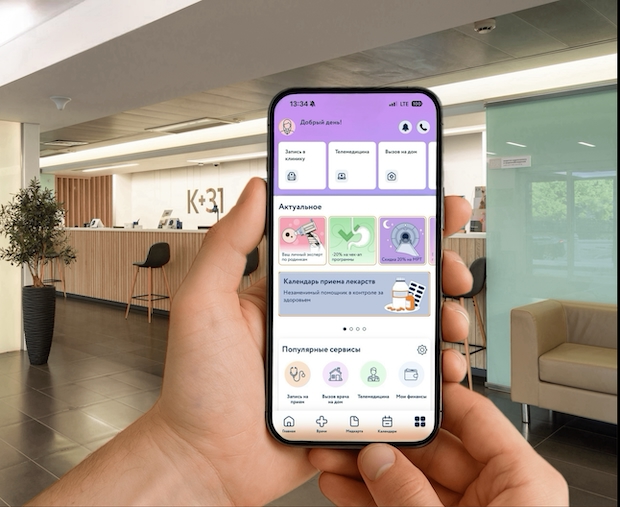
Application “Personal Account K+31”











Stages of hospitalization: what happens in the first hours
The first few hours are especially critical. As soon as an ambulance brings a patient with a heart attack to the hospital, cardiologists immediately conduct diagnostics to determine how to quickly open the artery.
Treating an acute myocardial infarction requires teamwork from the entire cardiology department. The patient undergoes general tests, an ECG, and treatment is immediately prescribed.
Emergency Department and Diagnostics (ECG, Troponins)
As soon as the patient is brought in by ambulance, cardiologists perform an ECG and cardiac ultrasound, complete a complete blood count, and a biochemistry panel. Only then is myocardial infarction treated in the hospital. Treatment is determined on an individual basis: stenting or thrombolysis (if PCI is not available in a timely manner) is used.
Intensive Care Unit (ICU)
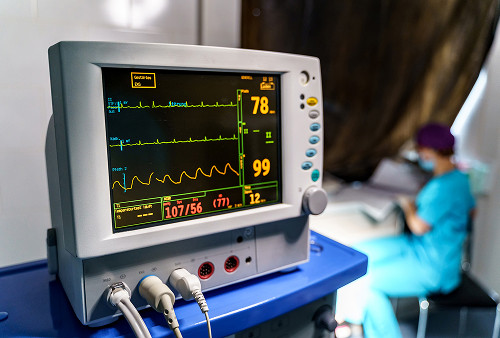
In the ICU, the patient is connected to monitors. Their blood pressure, pulse, and oxygen saturation are measured, and an ECG is performed. Many hospitals now have remote ECG monitoring systems, which can help detect arrhythmia more quickly. In the ICU, the patient's condition is stabilized, pain is relieved, the rhythm is corrected, and preparation for coronary angiography/angioplasty is carried out. How many days should a patient stay in the ICU after a heart attack? Doctors cannot answer this question immediately. They need to assess the severity of the illness. However, the patient is usually transferred to a regular ward after 2-3 days.