
Inpatient Cataract Treatment: When Hospitalization Is Necessary and How the Surgery Is Performed
Modern ophthalmology can restore vision even in the most complex cases. If cataracts are diagnosed, inpatient treatment is the optimal choice for patients who value safety and 24/7 medical supervision. The full treatment cycle, from diagnosis to postoperative care, is available in one department—ensuring your safety under the supervision of doctors 24/7.

specialists

equipment

treatment







Basic methods of surgical treatment
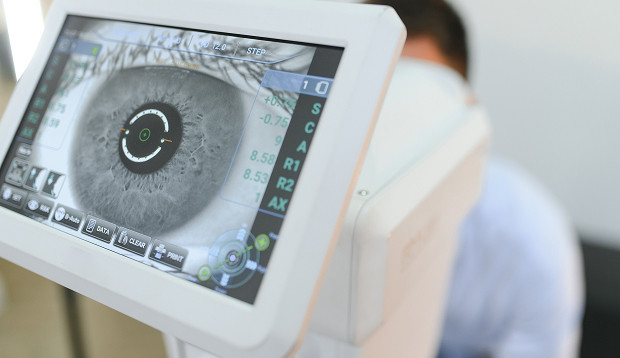
Minimally invasive microsurgery is the preferred method today. The surgery is performed through a microscopic incision (approximately 2 mm) that requires no sutures and is self-sealed by intraocular pressure.
Ultrasonic Phacoemulsification (UPC)
Phacoemulsification of cataracts is a procedure that uses ultrasound to target the cloudy lens. It transforms it into an emulsion, which is then removed from the eye through a suction system. The ophthalmologist inserts a flexible lens into the remaining space. Local anesthesia (intraocular or subconjunctival) makes the procedure completely painless.

Femtolaser-assisted surgery
Femtocataract surgery is the most advanced version of FEC. The key steps (creating an access site, incising the anterior lens capsule, and pre-fragmenting the lens) are performed by a high-precision laser rather than a surgeon's scalpel. This minimizes impact on the cornea and allows for perfect centering of the implanted lens, which is especially important for premium IOL models.
Stages of hospital stay
The treatment process is strictly regulated and aimed at achieving maximum visual results.
Preparation and Diagnostic Examination
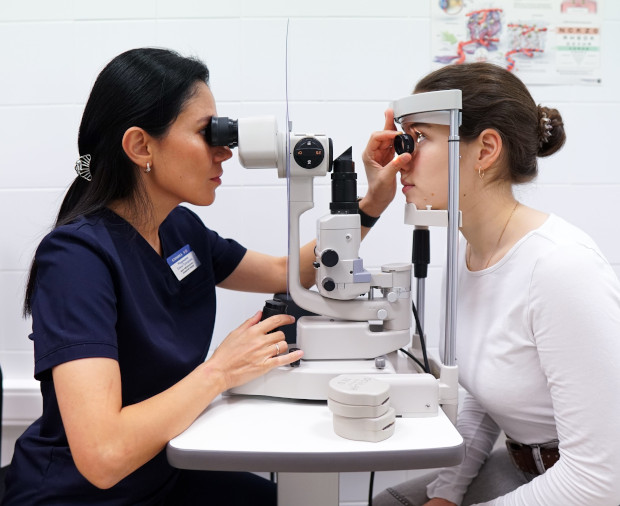
The first step is visometry (visual acuity testing), biomicroscopy, and calculation of the parameters of the future lens. Preparation for eye surgery includes a standard list of tests required for hospitalization:
- Complete blood count and urine analysis
- Blood sugar test (critical to rule out diabetes decompensation)
- ECG (electrocardiogram) with transcript
- A physician's report of the absence of contraindications
- Infectious disease tests (HIV, syphilis, hepatitis)
Crystal Lens Replacement Surgery
Before the surgery, an expanding solution is instilled into the eye. The surgeon then makes a micro-incision, removes the cloudy area, and replaces the lens with an intraocular lens (IOL).
The artificial lens is inserted in a folded state. It straightens and locks into place on its own. The entire procedure takes no more than 20 minutes.
Postoperative Follow-Up
A protective bandage will be applied to the eye. If you remain in the hospital, doctors will administer a special solution (antibiotic and anti-inflammatory) to your eye. If you go home, you will manage everything yourself.
The doctor will also check how your retina and cornea are responding to the surgery, measure your intraocular pressure, and monitor your general well-being.

The recovery period is relatively short. Visual acuity after surgery begins to improve within the first few hours, reaching its peak within a few weeks. However, the success of treatment depends on adherence to the regimen.
To avoid side effects:
- Avoid rubbing or applying pressure to your eyes for 14 days after surgery.
- Wash your face only with boiled water to protect yourself from bacteria.
- Avoid lifting heavy objects (maximum 3-5 kg) for a month.
- Wear sunglasses even in cloudy weather to protect your eyes from wind and dust.
- Use the drops prescribed by your ophthalmologist.
Caution! Sharp pain, redness, or decreased vision after surgery are a reason to consult a doctor.
Choosing an intraocular lens (IOL)
The quality of vision after surgery directly depends on the type of lens implanted.
| Comparison Parameter | Monofocal IOLs | Multifocal IOLs |
|---|---|---|
| Distance Vision | Excellent | Good / Excellent |
| Near Vision | Reading Glasses Required | Good (without glasses) |
| Adaptation | Quickly | Requires time (neuroadaptation) |
| Cost | Budget Category | Premium Category |

Frequently Asked Questions
Is cataract removal painful?
What are the contraindications?
How quickly will vision return?
Is hygiene necessary after discharge?
Our doctors









This award is given to clinics with the highest ratings according to user ratings, a large number of requests from this site, and in the absence of critical violations.

This award is given to clinics with the highest ratings according to user ratings. It means that the place is known, loved, and definitely worth visiting.

The ProDoctors portal collected 500 thousand reviews, compiled a rating of doctors based on them and awarded the best. We are proud that our doctors are among those awarded.
Make an appointment at a convenient time on the nearest date
Other services

Appointment to the doctor
Reviews

















Our clinics


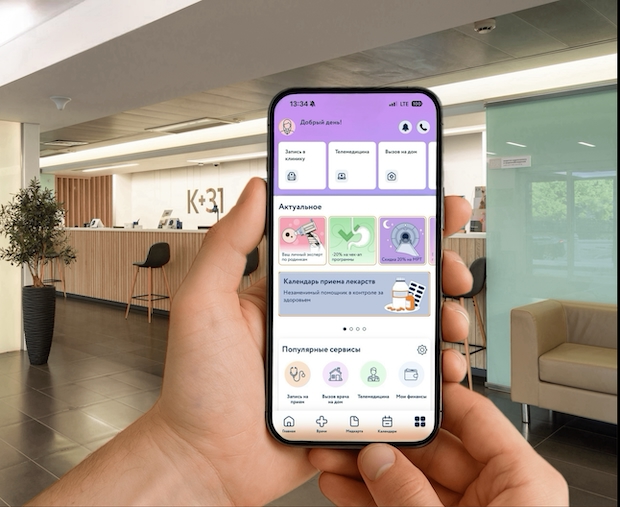
Application “Personal Account K+31”












Indications for inpatient treatment
Although eye microsurgery is rapidly moving toward outpatient care, inpatient ophthalmology remains the most comfortable option. Hospitalization is necessary for:
Inpatient surgery is performed in stages. You don't need to come to the hospital multiple times: for tests and for the surgery. You also don't need to worry about everyday issues; doctors and nurses will take care of everything for you.
The difference between a 24-hour inpatient and a daytime inpatient setting
Cataract removal is a procedure that isn't always performed in an inpatient setting. The treatment format depends on the patient's condition and the scope of the intervention.
A day hospital stay lasts 2 to 4 hours, after which they go home. This is an excellent option for young people and those with close relatives who can take care of their daily needs for a day or two.
A 24-hour hospital stay is suitable for people with health issues and those who want everything done in one day. In this case, the hospital stay is 1 to 3 days.