
Appendicitis Treatment in a Hospital Setting
Inpatient treatment of appendicitis is the only way to save a life. To prevent inflammation, appendicitis must be removed surgically; this condition cannot be cured with medication.
The examination is performed in the hospital. There, the patient will undergo tests, an ultrasound, and a CT scan (if necessary). After this, the surgeons begin the operation.

specialists

equipment

treatment






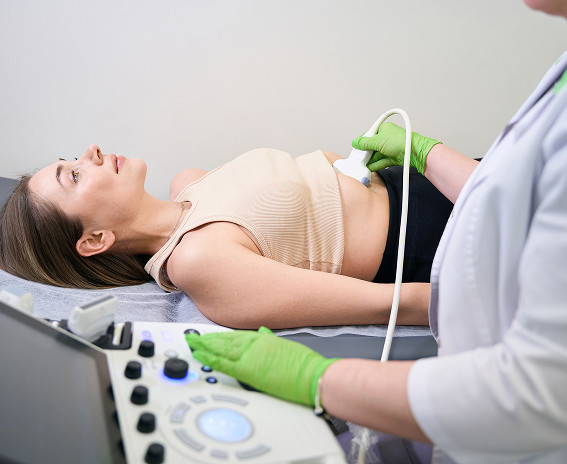
The doctor's job is to determine whether there is inflammation, how severe it is, and whether there are other causes of pain. In most cases, an in-person examination and a complete blood count are sufficient to make a diagnosis.
Laboratory and Instrumental Tests
In the hospital, the patient is examined by a surgeon. He/she will:
- Clarify symptoms and palpate the abdomen
- Take blood and urine samples
- Perform an abdominal ultrasound
- Consult with an anesthesiologist to determine the dosage of anesthesia
Diagnosis of appendicitis in the hospital can also be performed using CT, but this is an exception to general practice.
Surgical treatment methods
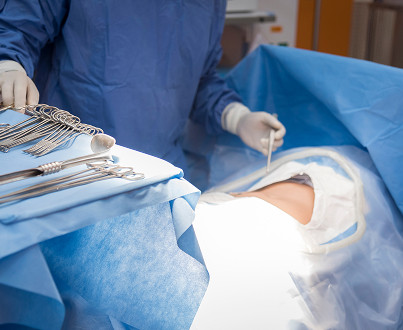
The primary treatment method is appendectomy, which involves removing the inflamed appendix. The surgeon decides which technique to choose based on the severity of the condition: whether there is an infiltrate, perforation, signs of peritonitis, and the extent of the inflammation.
Laparoscopic Appendectomy: Advantages and Timeframe
Laparoscopic appendectomy is a relatively simple procedure. You can get up the next day afterward, unless there are contraindications. The appendix is removed through three small incisions in the abdominal wall, and internal sutures are placed. Visually, everything looks good: minimal stitches and pain.
After laparoscopic appendectomy, the patient can be discharged home on the third day. In comparison, an open surgery requires a hospital stay of 5 to 7 days.
Laparoscopic appendectomy is not used if peritonitis has begun.
Traditional (Open) Surgery
Open appendectomy is a more complex procedure. Recovery is much more difficult. But in some cases, it's the only way to save a person's life.
After open surgery, you must remain in bed for several days. Otherwise, the stitches may come loose.
Table: Laparoscopy and Open Surgery
| Characteristics | Laparoscopy | Open Surgery |
|---|---|---|
| Incisions | 3 punctures, 5–10 mm each | 7–10 cm incision |
| Postoperative Pain | Usually Less | Often More |
| Discharge Date | 2–3 days | 7–10 days |
| Risk of noticeable scarring | Minimal | More pronounced |
| When to choose | Uncomplicated process | Complications, peritonitis, infiltrate |
What is the recovery period like in hospital?
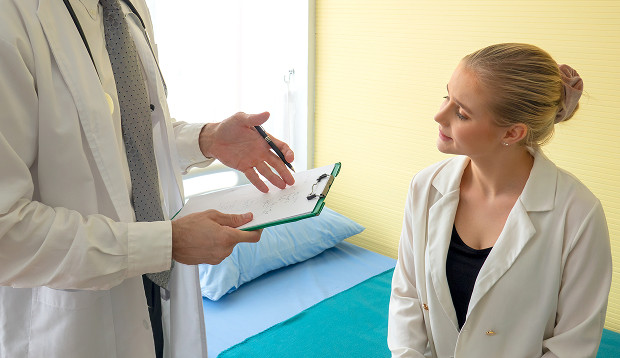
After surgery, doctors monitor the patient's temperature, bowel movements, and sutures. If the condition worsens, antibiotics and intestinal bacteria are prescribed.
The main treatment after an appendectomy is carried out at home. In the hospital, only observation after surgery is provided.
How long is the hospital stay?
How long does a patient stay in the hospital with appendicitis? It depends on the type of surgery and the patient's condition. If peritonitis was present, the hospital stay will be 7 to 10 days.
With laparoscopy, things are simpler. In this case, the patient is discharged after 2-3 days.

Diet and Regime after Surgery
Immediately after surgery, you should not eat. The next day, you can drink light broths and yogurt. The main problem now will be related to bowel function: the patient may suffer from constipation, so the diet should be as gentle as possible.
You can return to a standard diet 10-14 days after surgery.
After surgery:
- Getting out of bed is only permitted after a doctor's examination and permission.
- Avoid lifting heavy objects or using your abdominal muscles when lifting.
- Monitor your bowel movements and drink 1.5 liters of water per day.
- Treat your stitches.
Rehabilitation after appendectomy primarily involves a calm lifestyle. Walking is permitted, but movements should be gentle.
Frequently Asked Questions
Important: This text is for informational purposes only. If you experience acute abdominal pain, do not take painkillers or use a heating pad until examined by a doctor.
Is it possible to avoid surgery?
Is there pain after surgery?
When can I return to normal activities?
Our doctors









This award is given to clinics with the highest ratings according to user ratings, a large number of requests from this site, and in the absence of critical violations.

This award is given to clinics with the highest ratings according to user ratings. It means that the place is known, loved, and definitely worth visiting.

The ProDoctors portal collected 500 thousand reviews, compiled a rating of doctors based on them and awarded the best. We are proud that our doctors are among those awarded.
Make an appointment at a convenient time on the nearest date
Other services

Appointment to the doctor
Reviews





















Our clinics


Application “Personal Account K+31”












When is emergency hospitalization necessary?
Pain in the right iliac fossa is the main symptom of appendicitis. Patients describe it differently. Some feel a painless distension, while others report a sharp pain that intensifies with movement.
Acute appendicitis has the following symptoms:
Do not use painkillers or heating pads on your abdomen! Call an ambulance or go to the emergency room yourself.