
Effective treatment of poisoning in hospital
Poisoning isn't always related to food or bacteria. This condition is dangerous because it develops quickly: everything seems fine in the morning, but by lunchtime you'll have a headache, fever, nausea, and vomiting.
Hospital treatment for poisoning is the fastest way to relieve intoxication. If a person has severe dehydration that can't be relieved by conventional means, IVs are necessary. Without this, it's impossible to restore electrolytes and protect vital functions. At home, you can waste time and not notice any deterioration, especially if the poisoning is related to medications, chemicals, or mushrooms.

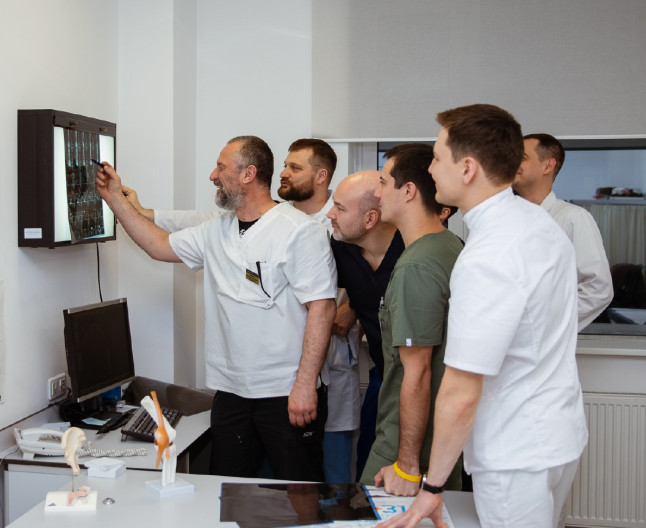
specialists

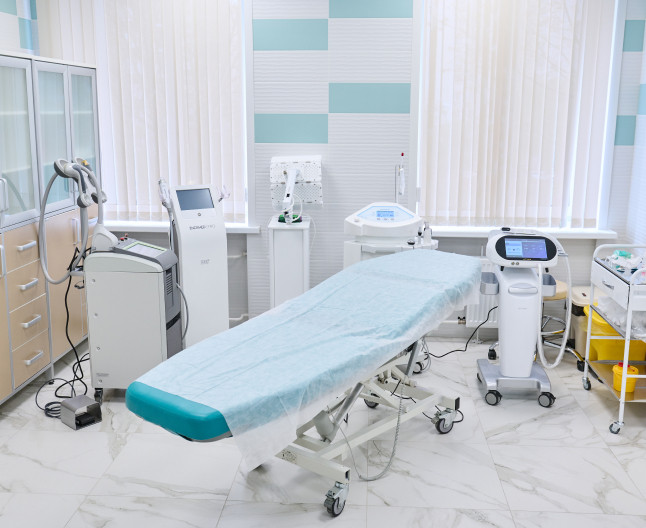
equipment

treatment



Stages of providing assistance in the toxicology department
In toxicology, the patient's condition is assessed first, then toxin removal begins. First aid for poisoning in the hospital is to normalize the patient's condition.
Primary diagnostics and anamnesis collection (TOHIK scheme)
The doctor will definitely clarify what exactly could have caused the poisoning. A convenient principle is the "TOHIC" chart (from Toxidrome-focused history). It makes it easier to assess the patient's condition and prescribe the appropriate treatment.
- T — Toxin (what kind of toxin: food, alcohol, medication, chemical)
- O — Onset (when)
- H — How much? (how much)
- I — Intent (accidental/intentional)
- C — Co-ingestions (were there other substances)
When a patient is admitted to the hospital, they immediately take blood tests: a complete blood count, electrolytes, and biochemistry. These tests reveal what exactly attacked the body: bacteria or a virus. It's impossible to determine the primary cause based on external signs, so the doctor always asks what the patient ate, what they did, and where they were several hours before the first symptoms appeared.
Methods of active detoxification of the body
Next, they decide how to quickly remove the toxins. There are several options, and the choice depends on the substance and the patient's condition.
What can be used in a hospital setting:
- Gastric lavage with a probe, if indicated and the gag reflex is preserved/the airway is protected.
- Absorbents according to the prescribed regimen to bind residual toxins in the intestines.
- Forced diuresis, if indicated, under laboratory monitoring.
- Efferent methods for severe poisoning: hemosorption, plasmapheresis.
Detoxification of the body in a clinic is an opportunity to quickly revive a person. The procedure is performed on almost all patients. Without it, it is impossible to stabilize the condition.
Antidote therapy: specific antidote
If an antidote (antidote) exists for a specific toxin, it is administered as soon as possible. This is why it's important to explain everything exactly to the doctor. If the person is unable to speak or is unconscious, a close relative can speak to the toxicologist.
Infusion therapy and support of vital functions
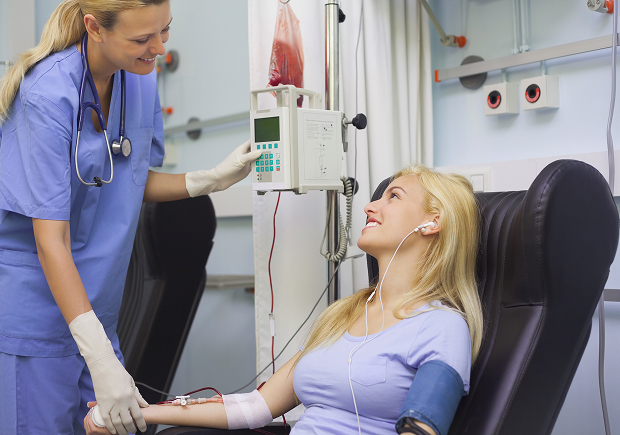
In cases of poisoning, water and salt balance are often compromised: electrolytes drop, dehydration develops, blood thickens, and the heart and kidneys become strained. Infusion therapy (IVs) is the most effective method, especially in situations where the person is constantly vomiting.
If the condition is severe, the patient is transferred to intensive care and connected to equipment that monitors breathing, heart rate, and urine output.

Advantages of treatment in a 24-hour hospital
The main advantage is safety. Inpatient treatment for poisoning requires 24-hour monitoring. The patient is tested, their progress is monitored, and therapy is adjusted if necessary.
Furthermore, if the patient's condition worsens, they can be quickly transferred to intensive care. This is impossible at home: in dangerous situations, you'll have to wait for an ambulance.
The department quickly administers infusion therapy (IVs), which immediately improves the patient's condition.
Rehabilitation and recovery from intoxication
If there was severe vomiting and dehydration, weakness may persist for several days. If liver damage is present, separate treatment is prescribed and dietary adjustments are made.
After discharge, it is important to eat and drink properly: eat small portions, avoid fatty, fried, and cold foods (snacks).
Table: Home treatment vs. Inpatient treatment
| Parameter | At home | Inpatient treatment |
|---|---|---|
| Doctor monitoring | None | 24/7 |
| Detoxification methods | Flushing/Sorbents, if possible | Fluid therapy, hemosorption, antidotes |
| Risk of complications | High | Minimized |
| Tests and monitoring | Usually none | Quickly and dynamically |
| Access to intensive care | No | Yes |
FAQ
Is it possible to treat acute food poisoning at home?
Why use an IV if you can drink water?
Why can't you just take an antibiotic for food poisoning?
If things get better, is it possible to avoid going to the hospital?
This article is for informational purposes only. If you suspect chemical or mushroom poisoning, don't wait until the morning – call an ambulance immediately.
Our doctors








This award is given to clinics with the highest ratings according to user ratings, a large number of requests from this site, and in the absence of critical violations.

This award is given to clinics with the highest ratings according to user ratings. It means that the place is known, loved, and definitely worth visiting.

The ProDoctors portal collected 500 thousand reviews, compiled a rating of doctors based on them and awarded the best. We are proud that our doctors are among those awarded.
Make an appointment at a convenient time on the nearest date
Other services

Appointment to the doctor
Reviews
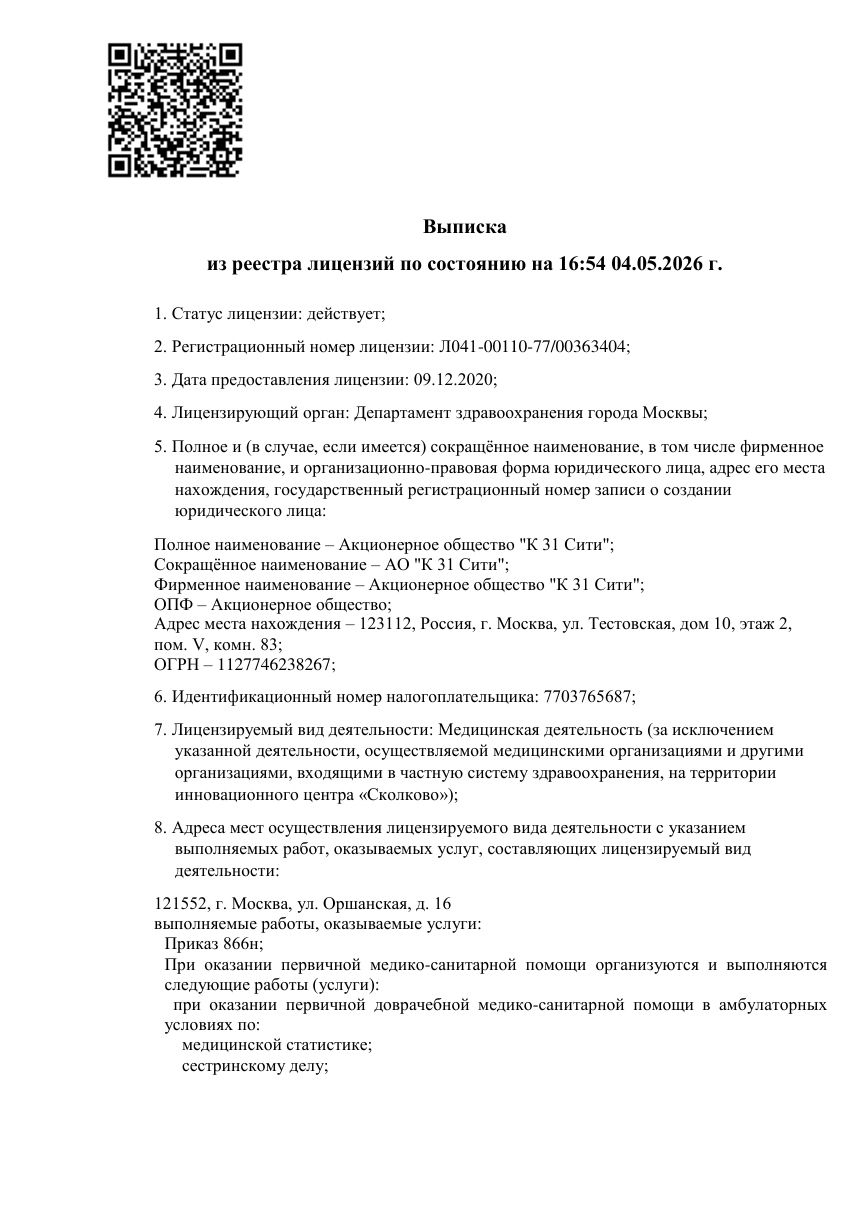
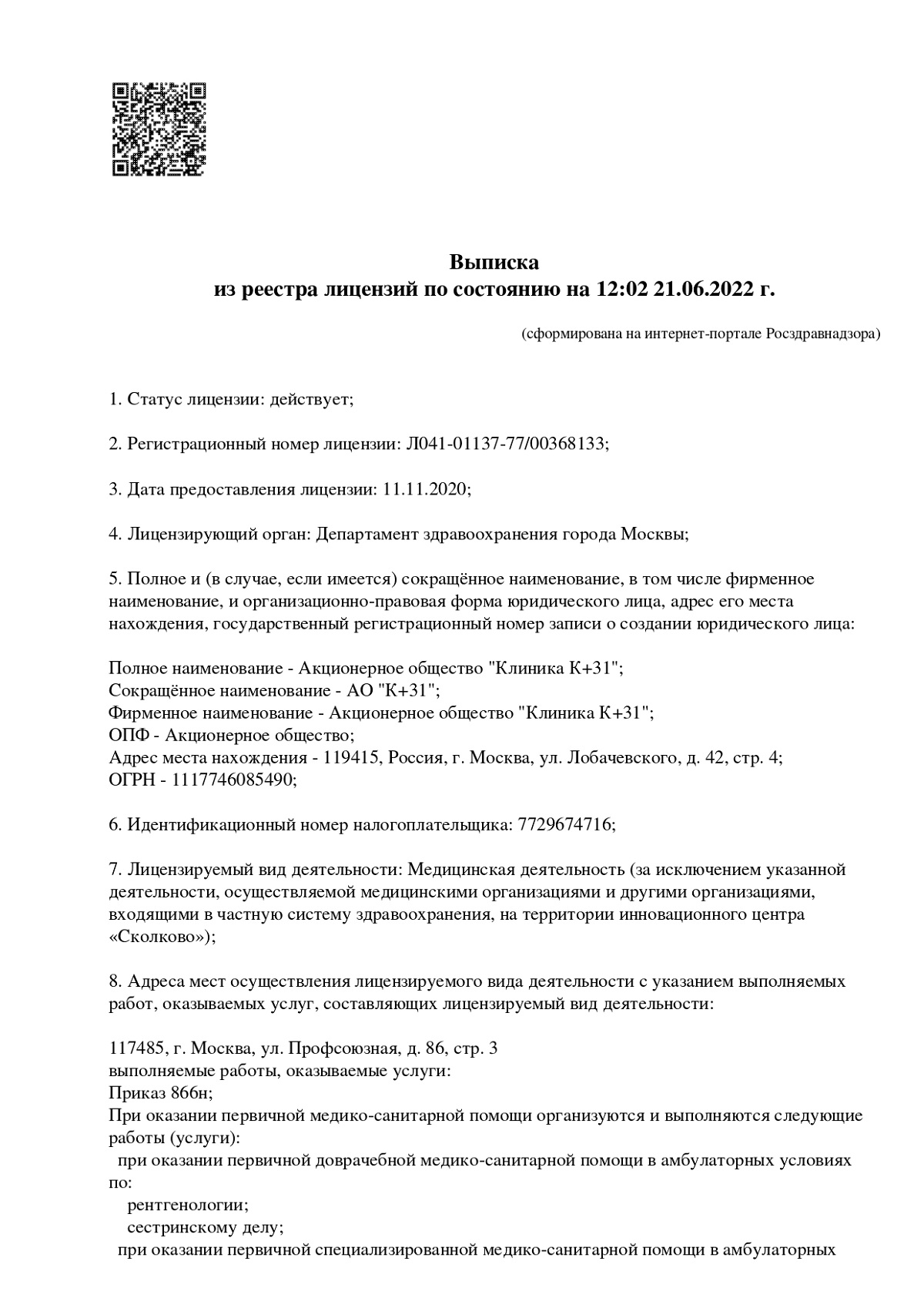
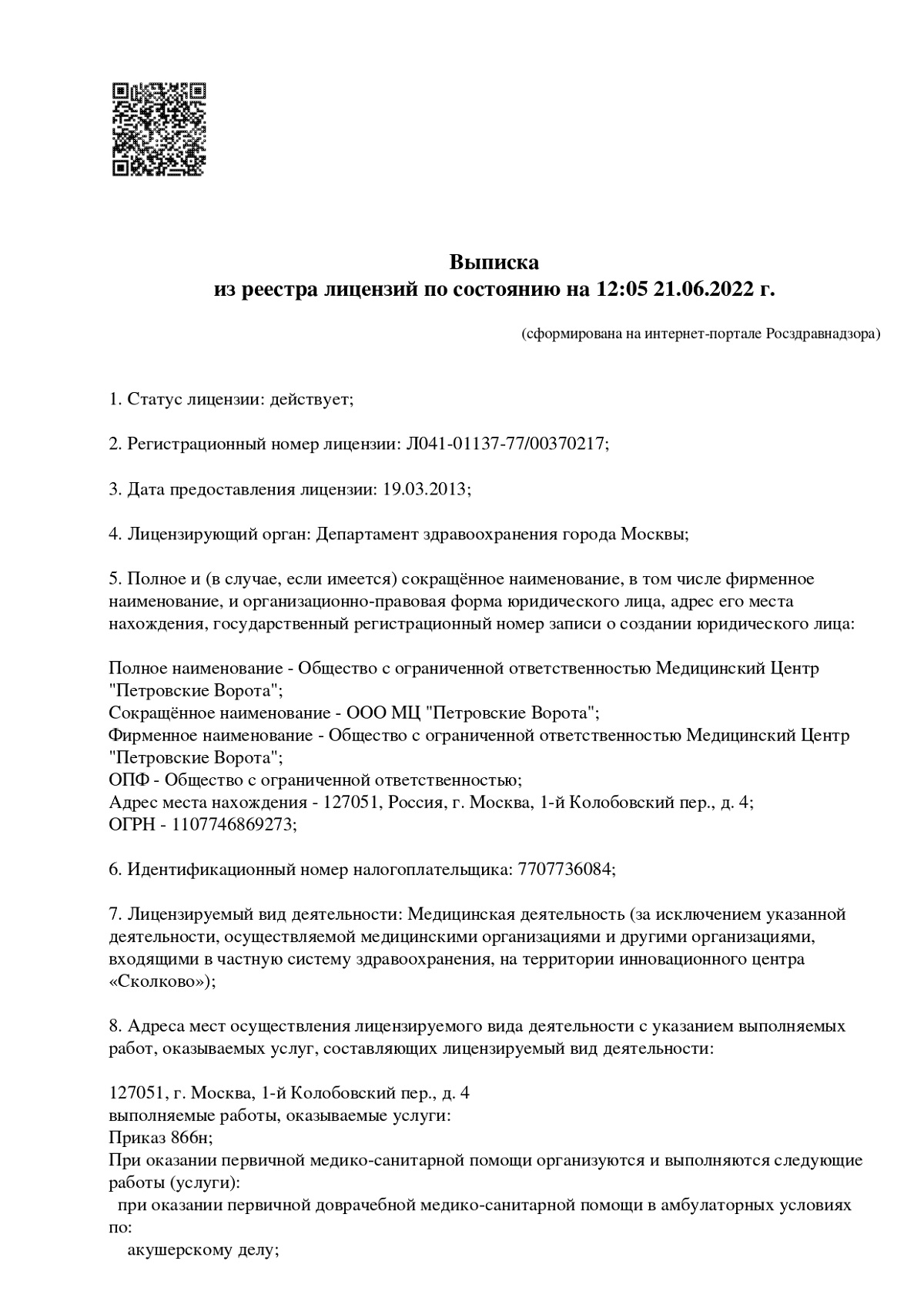
Our clinics


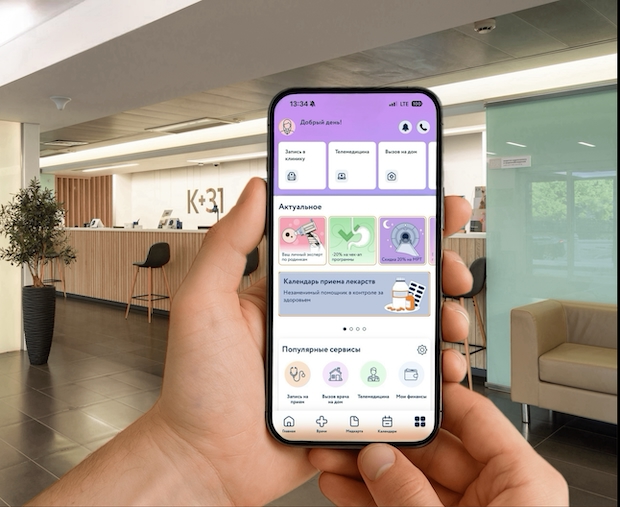
Application “Personal Account K+31”











When is hospitalization necessary for poisoning?
If the person's condition is mild and they are drinking water, have no fever, and are conscious, they can stay at home and simply take absorbents. Hospitalization for intoxication is necessary in cases of severe vomiting and in situations where the person is unable to retain fluid.
In this case, they require 24-hour observation, consultation with a toxicologist, and emergency detoxification.
Symptoms requiring immediate hospitalization
Call an ambulance immediately or go to the emergency room if at least one of the following occurs:
Pregnant women and children under one year old should call an ambulance immediately in case of poisoning.