Comprehensive in-patient treatment of varicose vein complications: from thrombophlebitis to trophic ulcers

Varicose veins of the lower extremities are more than just an aesthetic problem. In the late stages of the disease (according to the international CEAP classification, these are levels C4–C6), serious tissue changes occur. Venous outflow decompensation develops, leading to vein inflammation and the formation of open wounds. In-patient treatment of varicose veins is the only way to stop the progression of the disease and avoid disability.

A comprehensive approach in a specialized department allows for the healing of trophic ulcers and the elimination of the cause of varicose veins in a single hospitalization. This is achieved through the coordinated work of a team that includes not only a vascular surgeon and phlebologist, but also a physiotherapist, cardiologist, and rehabilitation specialists.

Best specialists
Best
specialists
Expert equipment
Expert
equipment
Advanced diagnostic treatment
Advanced diagnostic
treatment
Sign up
Fill out the entry form on the page and we will call you back
Sign up Позвонить
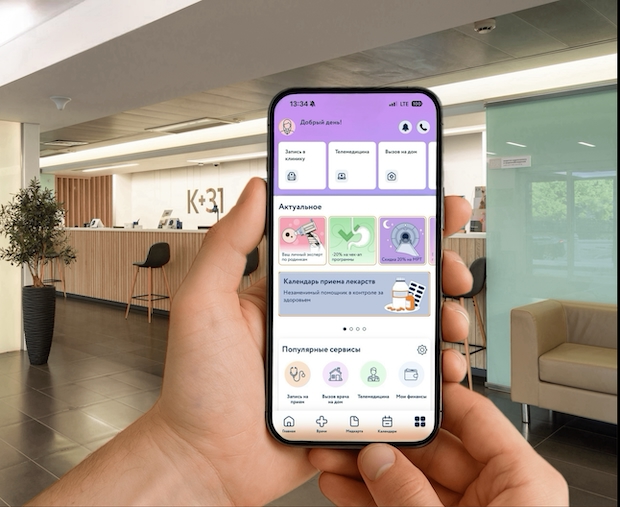
Download the application “Personal Account K+31”
Everything about your health in one click!
Subscribe to social networks K+31
To keep up to date with current offers and receive useful advice about your health.

When outpatient treatment is not enough: indications for hospitalization

Treating chronic venous insufficiency (CVI) at home isn't the best option. Ointments and folk remedies won't just be effective, they can actually make things worse.

Hospitalization is necessary in the following cases:

  • The skin around the vein has become red, hot, and denser.
  • The pain in the leg has become so severe that it interferes with walking.
  • There is discharge from a trophic ulcer (exudation) with an unpleasant odor.
  • The leg is swollen and doesn't improve after a night's rest.
  • A painful, hard cord can be felt along the vein.

Inpatient phlebology is the best way to return to a life free of pain and swelling.

When outpatient treatment is not enough: indications for hospitalization

Treatment of thrombophlebitis in a hospital setting
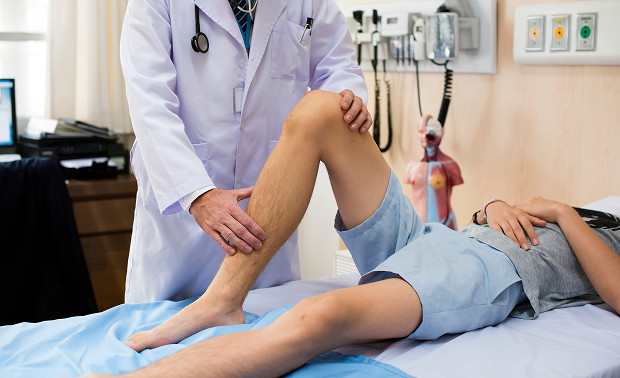
Acute thrombophlebitis is an inflammation of the saphenous vein wall, accompanied by the formation of a thrombus within its lumen. The main danger here is the potential for the process to spread to the deep veins and develop into pulmonary embolism (PE).

Conservative and Surgical Approaches

If the thrombus is located in the upper third of the thigh and threatens to spread to the common femoral vein, the vascular surgeon decides on emergency surgery. The classic method is the Troyanov-Meyers procedure (crossectomy)—ligation of the ostium of the great saphenous vein. Modern protocols allow this intervention to be combined with minimally invasive techniques to minimize tissue trauma.

Relief of Acute Inflammation and Prevention of Pulmonary Embolism

Inflammation is relieved with anticoagulants—medications that thin the blood and prevent clot growth. This is the same as thrombosis prevention. These medications are available by prescription, and the dosage must be prescribed by a doctor. In the hospital, the dosage is monitored with daily blood tests. This cannot be done at home.

Caution! Self-medication with ointments for thrombophlebitis is dangerous due to the risk of clot dislodgement. Massage and warming the legs during signs of vein inflammation are strictly contraindicated, as any thermal or mechanical stimulation can provoke clot migration through the bloodstream.

Therapy for trophic ulcers in varicose veins

Treating trophic leg ulcers is a lengthy process. It requires sterile conditions, which are simply impossible to create at home.

Ulcers develop when the vein valves stop working, blood stagnates, and tissue begins to die due to a lack of oxygen.

Stages of Wound Defect Cleansing and Healing

The inpatient recovery process is divided into stages:

  • Cleansing of the trophic ulcer. Necrotic tissue and purulent plaque are removed. In the hospital, enzymatic preparations and special sorbents are used for this.
  • Tissue granulation. When the wound is clean, new vessels and connective tissue begin to grow. This appears as a bright red, granular surface.
  • Epithelialization. Covering the defect with skin. At this stage, protecting the young skin from damage is extremely important.

Modern Methods: Shave Therapy and EVLT

Today, leading clinics are abandoning the traumatic methods of the past (such as Babcock phlebectomy) in favor of technologies that can be used even on open wounds.

Endovenous laser coagulation (EVLT) is used. The laser seals the diseased vein from the inside. Eliminating the pathological blood flow is key to ulcer healing.

Shave therapy is also used. This is the surgical excision of the altered tissue at the base of the ulcer down to the healthy layers, which dramatically accelerates healing.

The Role of Compression Therapy in a Hospital Setting

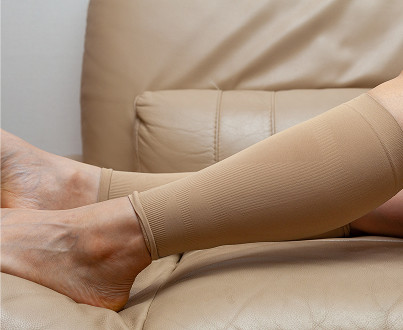
Complicated varicose veins cannot be treated without external pressure on the veins. In hospital settings, special compression stockings or elastic bandages are used. This helps restore valve function and direct venous outflow into the deep system. A phlebologist selects the compression level individually, ensuring that the bandages do not compress the arteries.

Benefits of staying in hospital

Many patients fear hospitalization, but acute thrombophlebitis, treatment of which is initiated in the hospital, has the most favorable prognosis.

Parameter Outpatient treatment Inpatient treatment
Blood clotting monitoring Periodic, at the patient's responsibility Daily, under strict physician supervision
Leg regimen Necessity for movement and household chores Strict rest or measured walking
Ulcer treatment Self-treatment or infrequent dressing changes Sterile dressing changes by a specialist 1–2 times a day
Treatment adjustments Only during a follow-up visit to the doctor Immediately, at the slightest change in condition
Benefits of staying in hospital
Prognosis and prevention of relapse after discharge

Prognosis and prevention of relapse after discharge

Without treatment, relapse is inevitable. To prevent this, lifelong or regular use of venotonics and mandatory wearing of compression stockings are prescribed.

The prognosis is quite favorable. Endovenous laser coagulation (EVLC) can permanently close varicose veins.

Frequently Asked Questions

How long should I stay in the hospital?

For thrombophlebitis, it's 5 to 10 days. If you're planning treatment for trophic leg ulcers, the length of your hospital stay depends on how quickly the wound heals.

Can laser surgery be performed if the ulcer hasn't healed yet?

Yes, protocols recommend performing EVLT as soon as possible. Removing the cause (the diseased vein) is the best way to heal the ulcer itself.

Is it necessary to shave my legs before hospitalization?

Yes, the surgery and dressings should be performed under sterile conditions. It's best to shave your legs immediately before surgery, not at home.

Will treatment help if I already have dark spots (pigmentation) on my legs?

Pigmentation is a sign that the skin has already been damaged by blood stasis. Treatment will help prevent ulcers from developing in this area, although the spots themselves may remain for a long time.

Our doctors

Khailova Maria Sergeevna
Experience 5 years
Make an appointment
Khailova
Maria Sergeevna
Oncologist
Biryuk Ekaterina Sergeevna
Experience 7 years
Make an appointment
Biryuk
Ekaterina Sergeevna
Rheumatologist, therapist, specialist in ultrasound diagnostics of joints
Dubrovskaya Tatyana Igorevna
Experience 10 years
Make an appointment
Dubrovskaya
Tatyana Igorevna
Leading endocrinologist, nutritionist, therapist
Shegay Daria Sergeevna
Experience 6 years
Make an appointment
Shegay
Daria Sergeevna
General practitioner
Alekseev Roman Andreevich
Experience 9 years
Make an appointment
Alekseev
Roman Andreevich
Head of the admissions department, cardiologist, general practitioner
Galaeva Lolita Movlat-girievna
Experience 4 years
Make an appointment
Galaeva
Lolita Movlat-girievna
Cardiologist-therapist, on duty
All specialists
2GIS Award
2GIS Award

This award is given to clinics with the highest ratings according to user ratings, a large number of requests from this site, and in the absence of critical violations.

«Good place» according to Yandex

This award is given to clinics with the highest ratings according to user ratings. It means that the place is known, loved, and definitely worth visiting.

Our doctors are laureates of the ProDoctors Award

The ProDoctors portal collected 500 thousand reviews, compiled a rating of doctors based on them and awarded the best. We are proud that our doctors are among those awarded.

Make an appointment at a convenient time on the nearest date

Other services

Comprehensive treatment of cholecystitis in a hospital setting Rheumatoid arthritis: when hospital treatment is necessary Effective inpatient treatment of arthrosis: when is hospitalization necessary Inpatient treatment for Crohn's disease: when hospitalization is needed and how therapy is performed Inpatient pneumonia treatment: when hospitalization is necessary and how therapy is performed Renal colic: how is it treated in a hospital setting? Inpatient Stroke Treatment: From Intensive Care to Recovery Treatment of jaundice and liver diseases in hospital Inpatient treatment for myocardial infarction: how to save the heart Comprehensive treatment of gout in a hospital Treatment of fever in a hospital setting Treatment of uterine fibroids with bleeding in a hospital setting Inpatient treatment of pregnancy complications: types of pathologies and methods of assistance Features and benefits of inpatient polyneuropathy treatment Inpatient treatment of bowel diseases: when hospitalization is necessary Effective treatment of poisoning in hospital Treatment of appendicitis in a hospital setting Inpatient treatment for concussion and fractures Features and benefits of inpatient treatment for stomach diseases Inpatient rehabilitation after injuries: the path to a full life Inpatient cataract treatment: when hospitalization is necessary and how the surgery is performed Inpatient treatment for intervertebral disc herniation and protrusions Treatment of enuresis in a hospital setting Effective treatment of visual impairments in a hospital setting Inpatient treatment for pyelonephritis: when hospitalization is needed and how therapy is performed Encephalitis and borreliosis: features of inpatient treatment Inpatient treatment of pancreatitis: main methods and stages of therapy Effective treatment of cardiomyopathy in a hospital setting Meningitis Treatment in Hospital: Why Hospitalization is Mandatory Heart rhythm disturbances: when hospital treatment is necessary Treatment of convulsive syndrome in hospital
Make an appointment

Appointment to the doctor

Fill out the form, our managers will contact you within 15 minutes

Reviews

Just fine. I am very glad that I got an appointment with Ekaterina Sergeevna.
07.04.2026
Mihail S.
Darya Sergeyevna is a very nice and positive expert!
25.03.2026
T. Darya Gennadevna

About doctor:

Shegay Daria Sergeevna

Very pleasant to talk to. Very attentive.
18.02.2026
K. Alfiya Mukhamedovna
This was my first time with this doctor, and I highly recommend him for his attentiveness and professionalism. Thanks to the Clinic for such specialists.
10.12.2025
G. Yulia Gennadievna
Excellent doctor. My visit left me with nothing but positive impressions. His professionalism is top-notch!
18.11.2025
V. Ekaterina Yuryevna
She's a wonderful doctor, attentive, kind, and a true professional. I've been seeing her for several years now. She helped me lose a lot of weight and brought my blood sugar levels back to normal. Thank you, Tatyana Igorevna!
06.11.2025
K. Maria Gennadievna
I really enjoyed working with the doctor!
08.09.2025
T. Dmitry Valerievich
Thank you for the reception. Tatyana Igorevna answered all my questions very politely, clearly and in detail.
03.09.2025
Sh. Vlada Vladimirovna
Ценю комфорт и стараюсь экономить своё время, поэтому уже почти год наблюдаюсь в клинике К+31. Работают ежедневно, и всегда можно подобрать удобное время для приёма. Оборудование новейшее, так что в результатах нет сомнений. Весь персонал клиники всегда отзывчив и добродушен, что для меня очень важно. Хотела бы выразить отдельную благодарность врачу-онкологу Кузнецовой Юлии Владимировне за профессионализм в разработке схемы обследования.
08.03.2025
Татьяна Т.
Юлия Владимировна Кузнецова оказалась очень внимательным специалистом. Она спокойно и подробно объяснила мне методы лечения и необходимые процедуры. В процессе лечения возникали некоторые сложности, но доктор всегда находила способы их решения без лишних комментариев и нареканий. В целом, я полностью доволен её профессиональным подходом.
06.03.2025
Роман К.
Почему К+31?
К + 31 — full-cycle multidisciplinary medical centers, including the possibility of providing medical services of European quality level.
К + 31 — are leading doctors and diagnostics using high-tech equipment from world manufacturers (Karl Storz, Olympus, Siemens, Toshiba, Bausch&Lomb, Technolas, Zeiss, Topcon).
К + 31 — is ethical. The staff of K+31 clinics maintain open relationships with patients and partners. An individual approach to each patient is the basis of our service standards.
К + 31 — is modernity. On call 24/7: call center operators will answer your questions at any time and book you an appointment with doctors. Contact us by phone, through the feedback form on the website and Max.

Our clinics

K+31 West

Orshanskaya, 16/2; Ak. Pavlova, 22

74999993131

Subway
3
Molodezhnaya
By a car
Moving along Orshanskaya street, we turn to the barrier with the guard post K+31. You do not need to order a pass, they will open it for you
Opening hours
Mon-Fri: 08:00 – 21:00
Sat-Sun: 09:00 – 18:00
Didn't find the service you were looking for?

Экстренная помощь