
Features and benefits of inpatient polyneuropathy treatment
Polyneuropathy is a condition that affects the peripheral nerves. Initial symptoms include numbness, burning, tingling (paresthesia), and decreased sensation in the feet. Some people may experience muscle weakness. If you have difficulty walking or your muscles are unable to regain tone, you should consult a doctor.
Important: Do not self-diagnose. All of the above can be symptoms of other conditions. It is best to treat polyneuropathy in a hospital: there, they will immediately conduct a diagnosis, take tests, and prescribe therapy.

specialists

equipment

treatment






Diagnosis of polyneuropathy before starting therapy

Polyneuropathy is not a disease that can be treated with a single protocol. Therapy depends on the underlying cause.
Therefore, the doctor first assesses the patient's symptoms, reflexes, muscle strength, and sensitivity, and determines any other medical conditions and medications they are taking.
Immediately after admission to the hospital, the following procedures are performed:
- Neurologist examination (assesses reflexes, sensitivity, strength, and coordination)
- Testing (general and biochemical)
- Glycated hemoglobin test
- Thyroid function is checked as indicated
- Electroneuromyography (ENMG) is prescribed
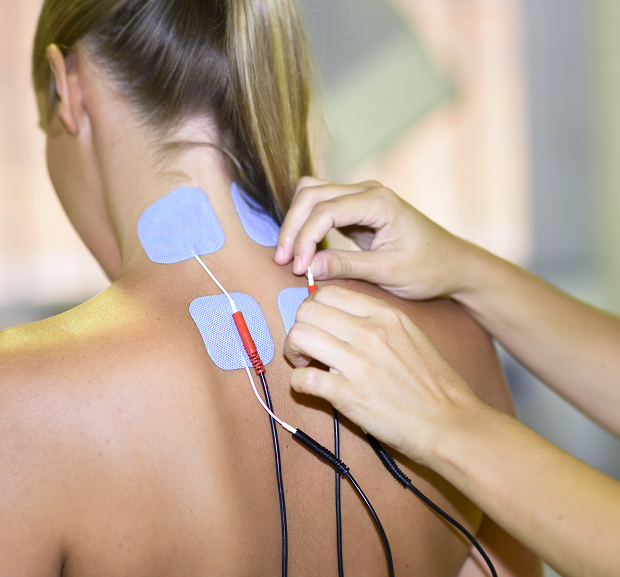
Electroneuromyography (ENMG) — the gold standard
Electroneuromyography (ENMG) shows how nerve impulses travel along nerves and where exactly the problem is. Treatment depends on the results of the examination: before prescribing therapy, the doctor must determine whether the patient has an axonal lesion or a demyelinating lesion.
If the myelin sheath is damaged, the nerve conducts the signal less effectively. However, with proper treatment, the patient recovers more quickly. If the conductor (axon) is damaged, recovery will take longer.
Electroneuromyography (ENMG) is practically the only way to determine the type of disease. Without it, a diagnosis is impossible.
Laboratory tests and finding the cause
Tests are needed to find the underlying cause. Polyneuropathy is often associated with diabetes, vitamin deficiencies, toxic exposure, thyroid disease, and autoimmune processes.
If the cause is not correctly identified, treatment will be ineffective: improvement will be temporary, and the disease will return after a while.
Inpatient treatment methods
Inpatient treatment for polyneuropathy always depends on the type of lesion and the cause identified by tests. Currently, IV fluids and physical therapy are most commonly used.
Intensive drug therapy (IVs)
Intravenous drips can quickly stabilize the condition and relieve pain. Furthermore, this treatment method has little impact on the stomach, making it suitable for most patients.
There are several types of intravenous drips: analgesic, corrective, and restorative.
Inpatient doctors typically prescribe:
- Metabolic support infusions
- Thioctic acid preparations
- B vitamin intravenous drips (deficiency testing required)
Polyneuropathy treatment in the hospital can be planned (in courses).
Non-drug methods and physical therapy
Medications are not the only treatment method. Without restoration of movement and sensation, there will be no progress. Therefore, in addition to the primary treatment, a course of physical therapy is prescribed, which:
- Pain is reduced
- Microcirculation is improved
- Muscle tone is restored
High-intensity laser therapy and plasmapheresis are also available. These procedures are typically used for autoimmune diseases, but are always prescribed by a doctor.
Physical therapy is especially important in the treatment of polyneuropathy of the lower extremities.

Advantages of 24-hour surveillance
When symptoms are severe, safety is important. Many people experience weakened leg muscles, which increases the risk of falls. Inpatient treatment allows the doctor to monitor progress (progress or regression) daily and can adjust therapy if necessary.
Another advantage of inpatient treatment is access to diagnostics and a team of doctors: you will be supported by a neurologist, physiotherapist, exercise therapist, and endocrinologist. There's no need to drag out treatment for months; everything can be resolved within two weeks.
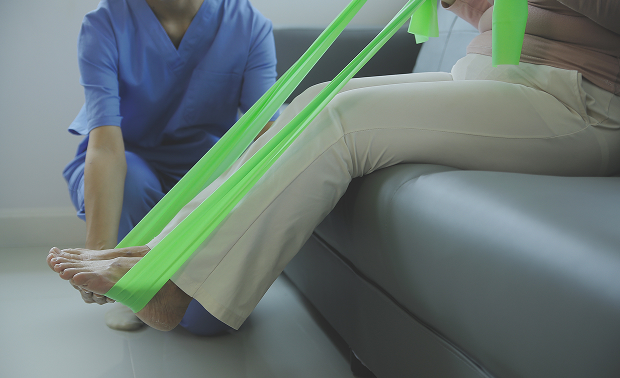
Rehabilitation after the acute period
Rehabilitation is necessary to return to normal life. It is important to restore gait, reduce the risk of falls, and prevent recurrences.
The rehabilitation plan includes:
- Strength and balance exercises supervised by a physical therapist
- Coordination training
- Working the foot muscles
- Preventing injuries from falls
Rehabilitation is directly related to restoring nerve conduction: nerves recover slowly, and consistency is more important than "heroism."
Prognosis and prevention of relapses
The prognosis depends on the cause and type of lesion. If the cause is eliminated and treatment is started promptly, many symptoms resolve immediately. If chronic conditions are present, treatment is adjusted.
The main goal of doctors is to control the disease, that is, stop its progression.
Prevention involves monitoring blood sugar, addressing deficiencies, giving up bad habits, and engaging in moderate physical activity.
Table: Outpatient and inpatient treatment
| Criteria | Outpatient treatment | Inpatient treatment |
|---|---|---|
| Intensity of procedures | Moderate | High (daily) |
| IV possibility | Limited | 24/7 |
| Doctor's supervision | By visit | Daily, dynamic |
| Physiotherapy equipment | Not always available | Full course on site |
| Correction rate | Slower | Faster, based on patient response |
FAQ
Is it possible to completely cure polyneuropathy?
Why do you need an EMG if it's clear your legs are numb?
How long does inpatient treatment last?
This information is for informational purposes only. Medications and procedures are prescribed by the attending physician after diagnosis.
Our doctors









This award is given to clinics with the highest ratings according to user ratings, a large number of requests from this site, and in the absence of critical violations.

This award is given to clinics with the highest ratings according to user ratings. It means that the place is known, loved, and definitely worth visiting.

The ProDoctors portal collected 500 thousand reviews, compiled a rating of doctors based on them and awarded the best. We are proud that our doctors are among those awarded.
Make an appointment at a convenient time on the nearest date
Other services

Appointment to the doctor
Reviews
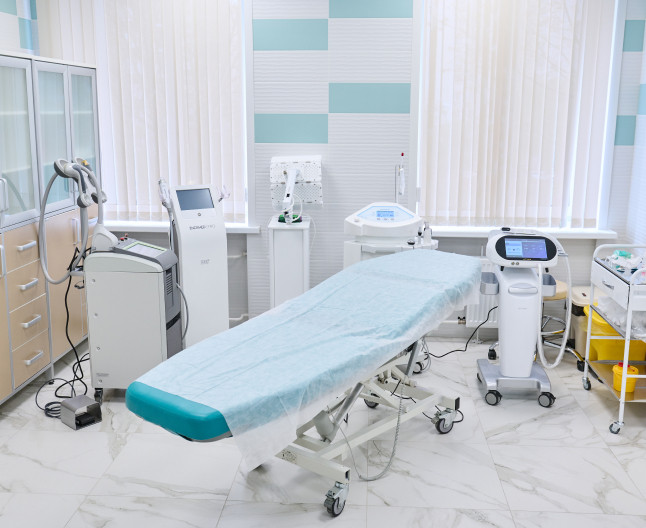
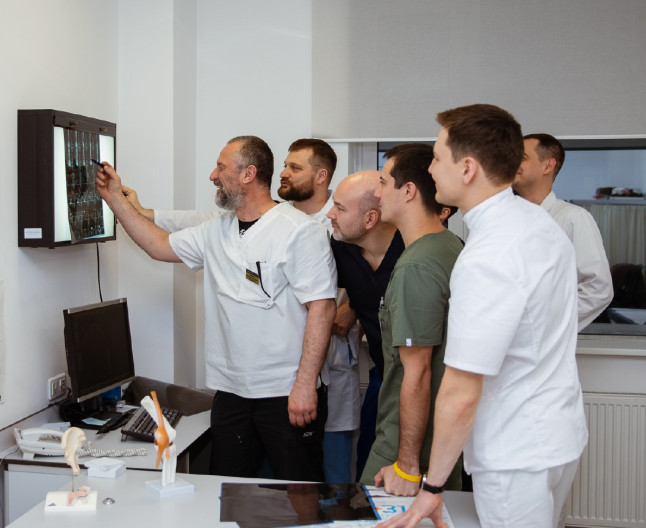






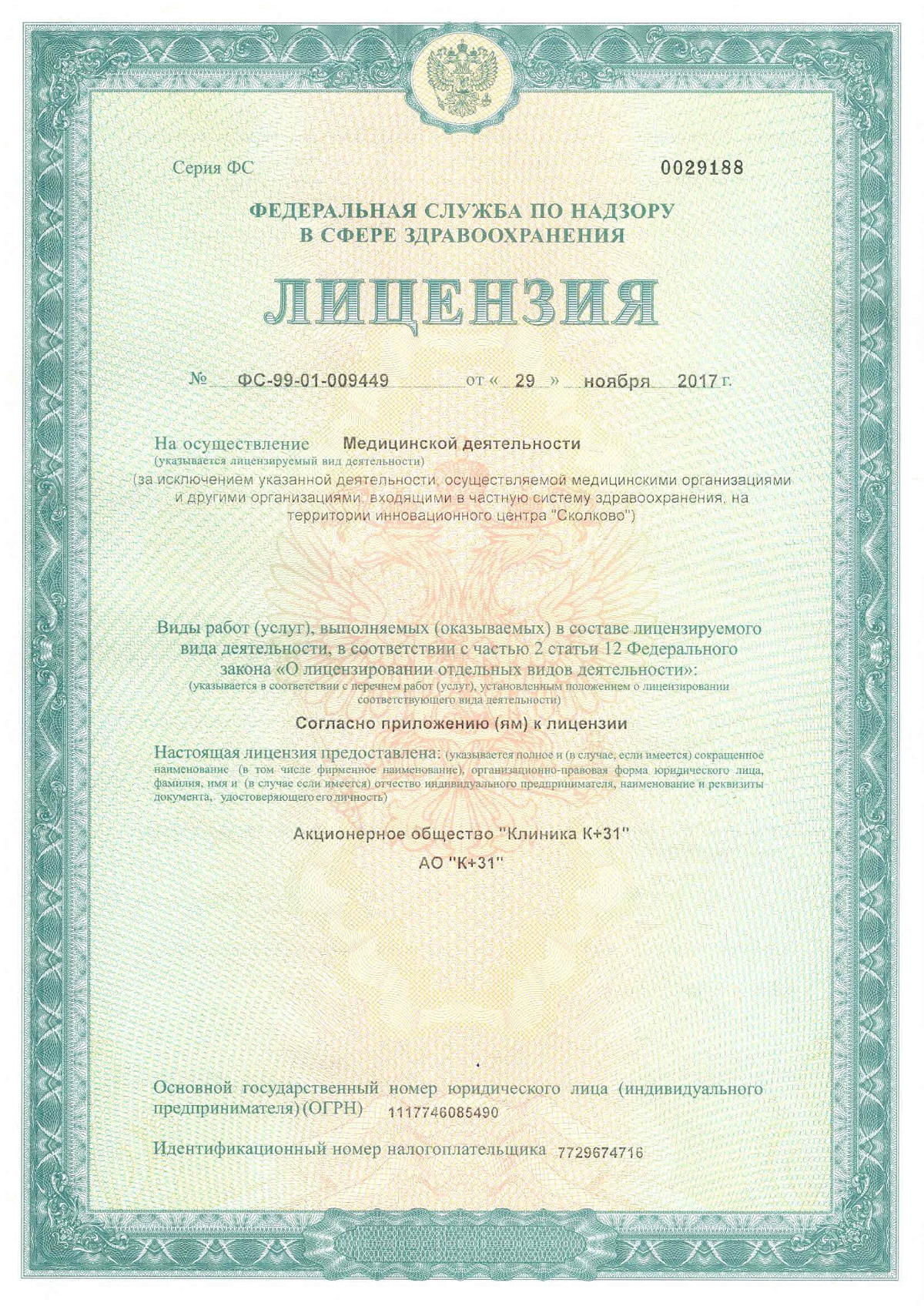



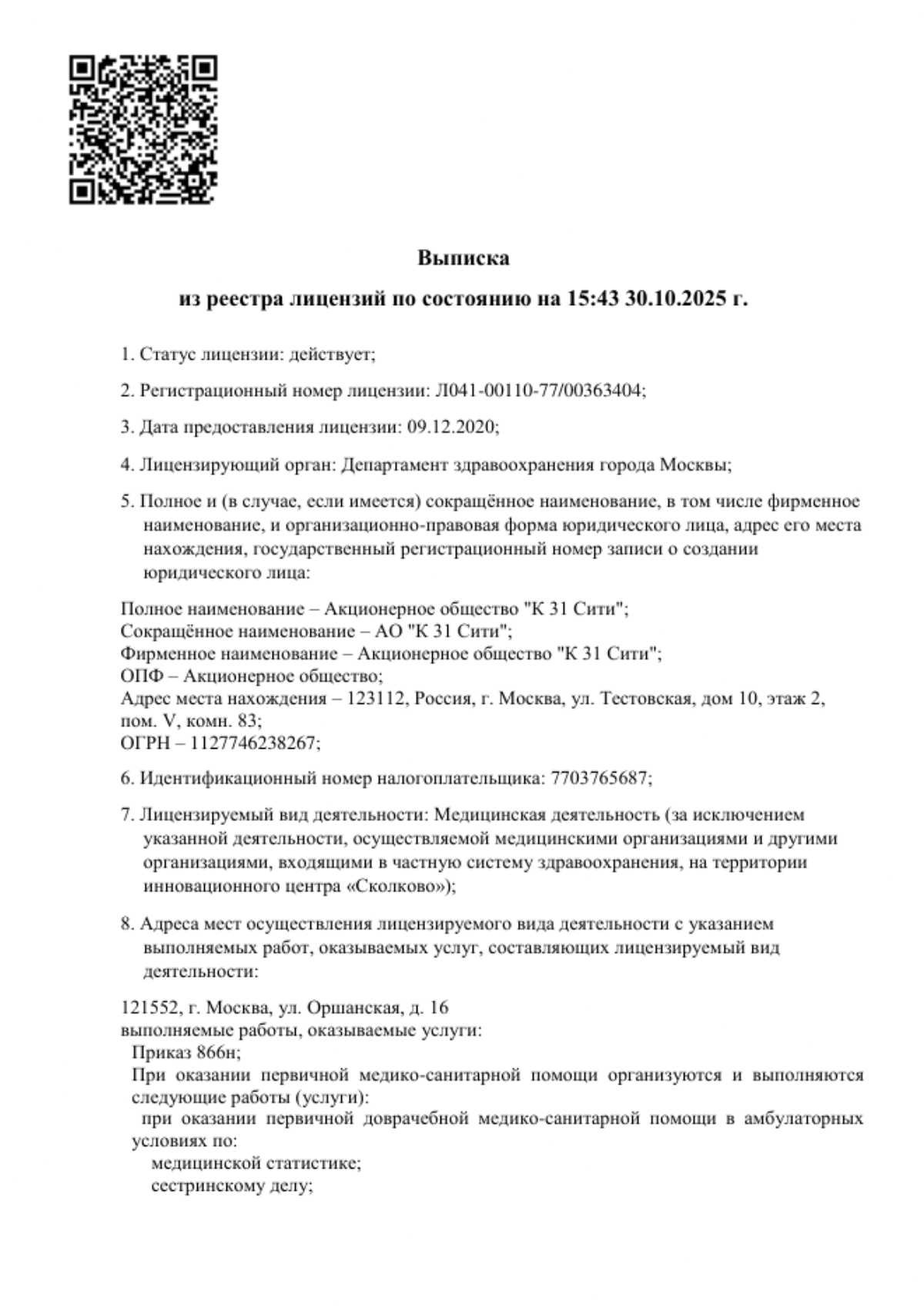
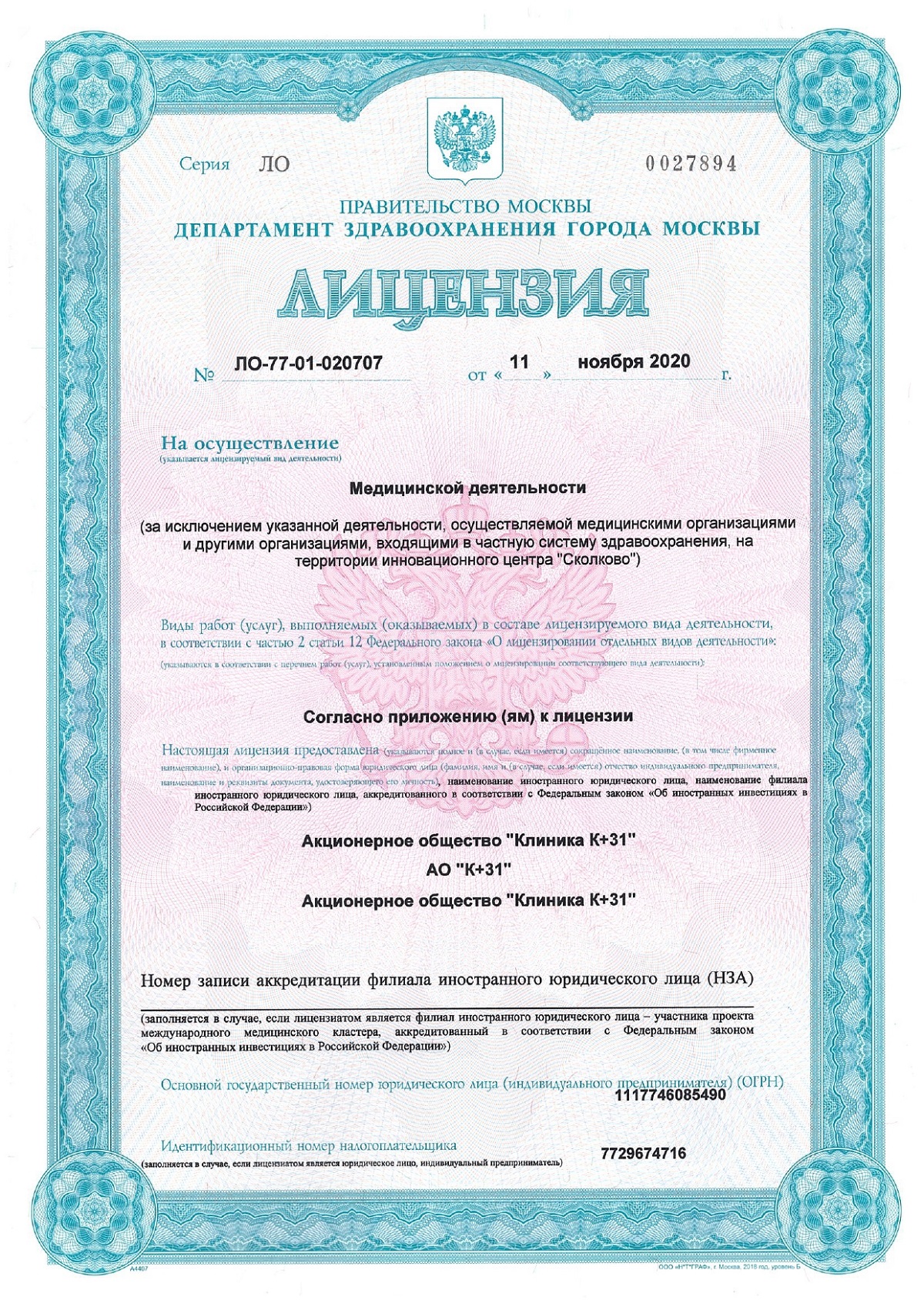


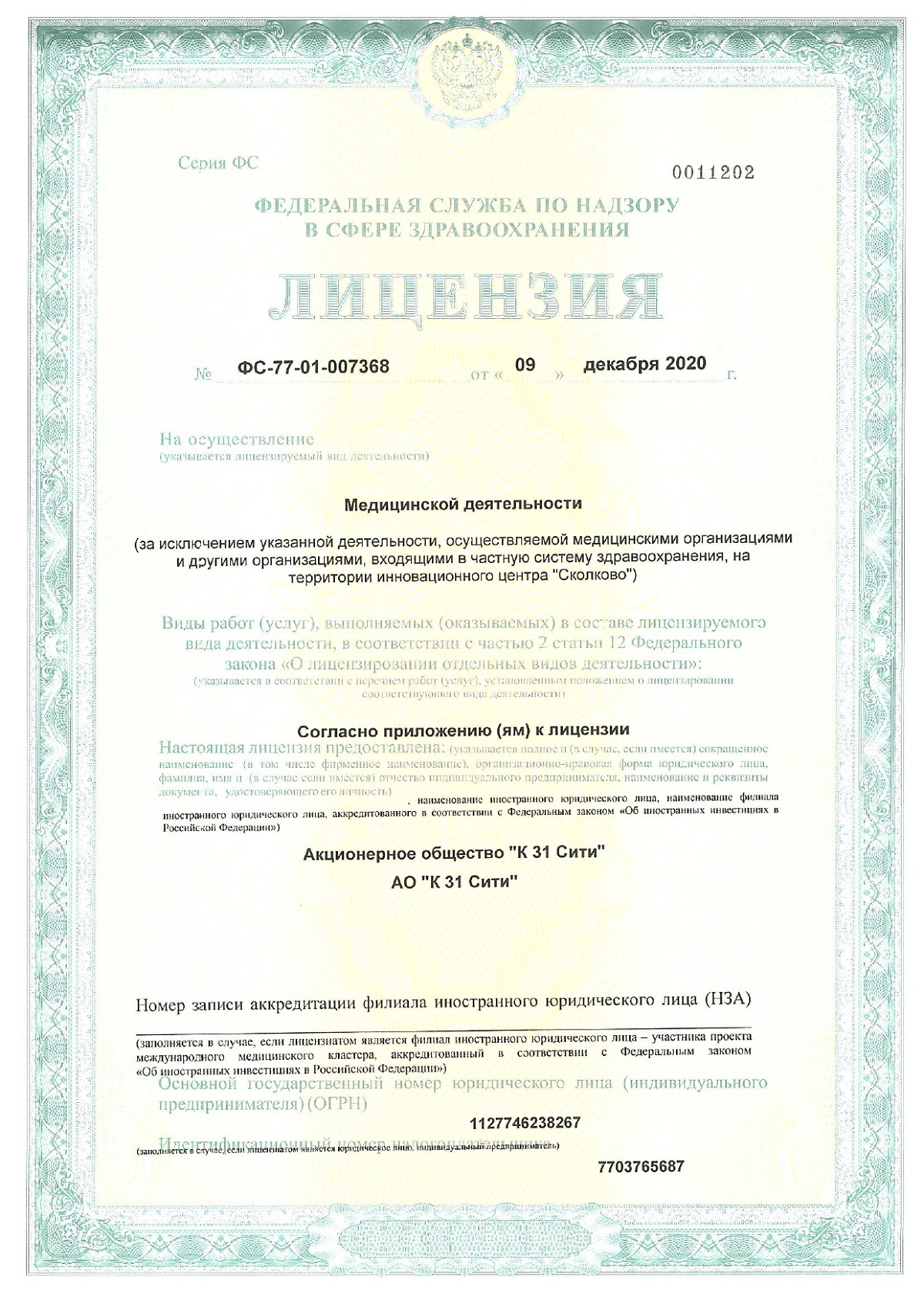
Our clinics


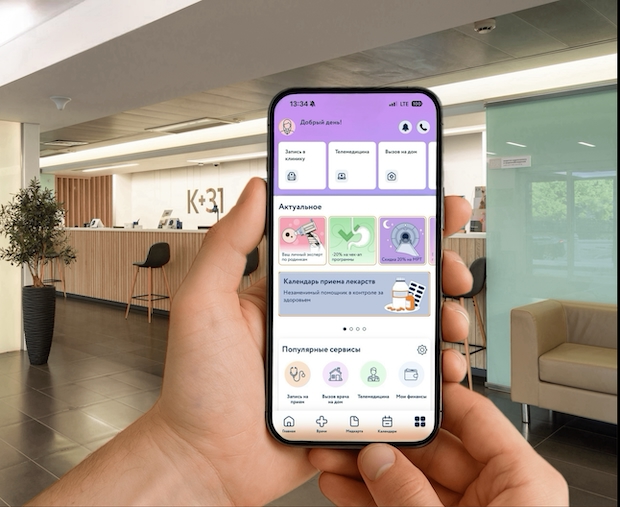
Application “Personal Account K+31”











When is it necessary to go to the hospital for polyneuropathy?
Hospitalization isn't always necessary. But if the illness interferes with your normal life, it's a reason to see a doctor. Home treatment in this situation isn't the best option. Without monitoring, dangerous symptoms can be missed.
Hospitalization is recommended in the following situations:
In these situations, hospital treatment for neuropathy allows for faster stabilization and prevents complications.