
Inpatient Crohn's Disease Treatment: When Hospitalization Is Necessary and How Treatment Is Administered
Crohn's disease is a chronic inflammatory disorder of the gastrointestinal tract. Symptoms come and go, with periods of normality followed by severe pain.
During a worsening period, both the patient and their family are stressed: they don't know what to do—go to the hospital or manage the symptoms at home. Crohn's disease is best treated inpatient, but this isn't necessary: it all depends on the patient's condition. The main goal of treatment is to create a comfortable environment: doctors relieve pain and diarrhea. Endoscopic remission (a situation where the mucosa truly heals) can be achieved in an inpatient setting.

specialists

equipment

treatment






Indications for inpatient treatment

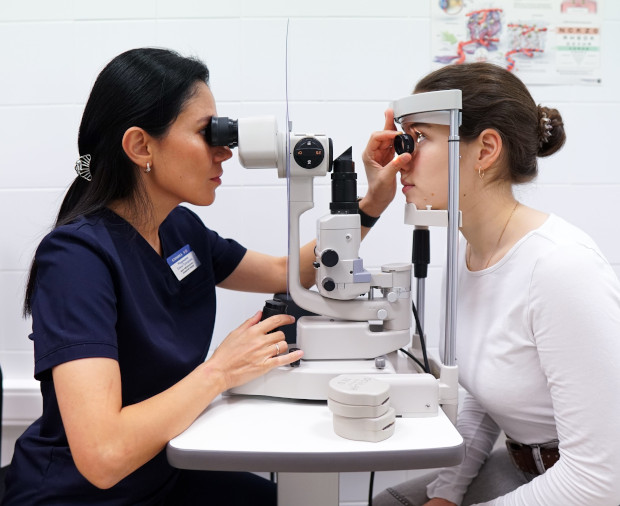
Hospitalization for Crohn's disease is necessary when the pain can no longer be tolerated. The decision is made by a doctor, who will review your test results and your overall well-being. If in doubt, it's best to play it safe: you can always go to the gastroenterology department for a short diagnosis and treatment adjustment.
Exacerbation and Severe Progression
Exacerbations of Crohn's disease develop especially quickly in patients who have already had severe episodes of the disease. In this situation, hospitalization is recommended for symptom relief. You should also seek emergency care if you develop terminal ileitis (damage to the end of the small intestine) or the following symptoms:
- Diarrhea that doesn't stop
- Dehydration
- High fever
- Sharp abdominal pain that can't be relieved with antispasmodics
- Weakness, loss of appetite
- Blood in the stool
Inpatient treatment for Crohn's disease can improve quality of life and relieve pain.
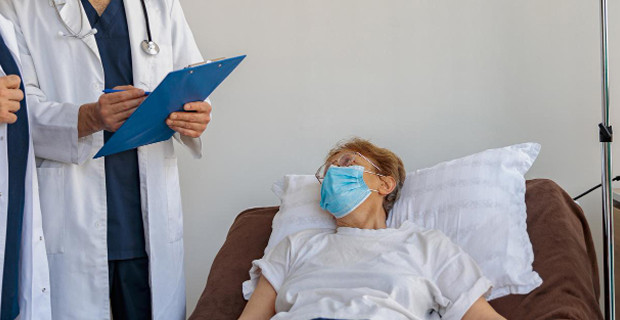
Complications requiring medical monitoring
Complications of Crohn's disease include fistula, intestinal obstruction, and severe anemia. Staying home in this situation is dangerous: only hospitalization for Crohn's disease can relieve symptoms and reduce pain and discomfort.
Important: it is possible to go into remission with this disease, but it requires medical monitoring. If you don't seek help promptly, surgery will be required.
Inpatient treatment methods
Crohn's disease treatment in hospital depends on many factors. The patient's age, disease severity, and comorbidities influence the treatment strategy.
Conservative treatment is effective in most cases, but surgery is also an option.
Inpatient IBD treatment requires teamwork between a gastroenterologist, surgeon, and nutritionist.
Conservative (medication) therapy
Inflammation can be reduced and a person can go into remission with medications. Anti-inflammatory drugs, immunosuppressants, and, in severe cases, biological therapy are typically prescribed. Currently, genetically engineered biological agents (GEBAs) are considered the gold standard for severe cases. They can help induce remission. However, these medications should not be taken on your own; they must be prescribed by a doctor.
Glucocorticosteroids for Crohn's disease are a last resort. Hormones are usually prescribed in special cases: when inflammation cannot be relieved by standard treatment.
Infusion therapy and nutritional support
During a severe exacerbation, a person is often dehydrated and exhausted. In this case, in the hospital, infusions are administered, salt and protein intake is adjusted, and nutrition is adjusted. Nutritional support is just as important as medication: if the intestines cannot tolerate regular food, gentle formulas or specialized nutritional regimens are temporarily used to give the mucosa a chance to recover.
Surgical Intervention
Surgical treatment of the intestine is required if there are complications that cannot be resolved with medications: abscess, fistula, severe stricture, or obstruction. Options include abscess drainage, intestinal resection, and strictureplasty. Important: surgery does not cancel out further anti-inflammatory therapy; it addresses the specific defect and reduces the risk of immediate complications.
Table: Conservative vs. Surgical Treatment
| Characteristics | Conservative Treatment | Surgical Treatment |
|---|---|---|
| Goal | Relief of inflammation, achievement of remission | Elimination of the defect (fistula, stricture, abscess) |
| Main Methods | Biological therapy, immunosuppressants, corticosteroids | Bowel resection, strictureplasty, abscess drainage |
| Expected Result | Decreased activity, healing of the mucous membrane | Removal of the risk of complications and mechanical obstructions |
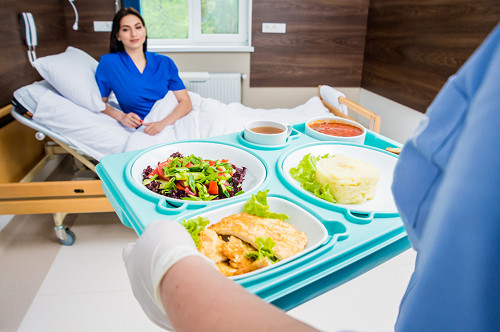
During the acute phase, a gentle regimen is important: minimal movement, maximum rest. Even if the pain is mild, avoid physical activity completely. Monitor your temperature and bowel movements.
Particular attention should be paid to nutrition. Meals should be light. Fried and fatty foods should be completely eliminated. Eat small portions, 4-5 times a day. Also, avoid foods that cause bloating, such as corn, cabbage, canned foods, and mushrooms.
A dietitian works with the patient in the hospital. They create a menu and monitor calorie intake and nutritional status.
Duration of stay and discharge criteria
The duration depends on the severity and complications:
- For minor pain, hospitalization is required for 5-10 days.
- For a fistula or abscess, the duration is approximately 14 days.
- For intestinal obstruction, the duration is determined by the doctor during the examination.
Discharge from the hospital occurs after the patient's condition has stabilized. Pain has subsided, bowel movements have improved, and blood tests have returned to normal.
The main goal of Crohn's disease treatment in the hospital is to stabilize the patient and prescribe a home treatment plan.

Frequently Asked Questions
This material is for informational purposes only. Consult a specialist. Self-medication for Crohn's disease is life-threatening.
Is it possible to wait out a flare-up at home if you've already been diagnosed?
Why do they do a colonoscopy if it's clear it's Crohn's disease?
Is biological therapy only prescribed in a hospital setting?
If I had surgery, will the disease go away forever?
Our doctors









This award is given to clinics with the highest ratings according to user ratings, a large number of requests from this site, and in the absence of critical violations.

This award is given to clinics with the highest ratings according to user ratings. It means that the place is known, loved, and definitely worth visiting.

The ProDoctors portal collected 500 thousand reviews, compiled a rating of doctors based on them and awarded the best. We are proud that our doctors are among those awarded.
Make an appointment at a convenient time on the nearest date
Other services

Appointment to the doctor
Reviews
















Our clinics


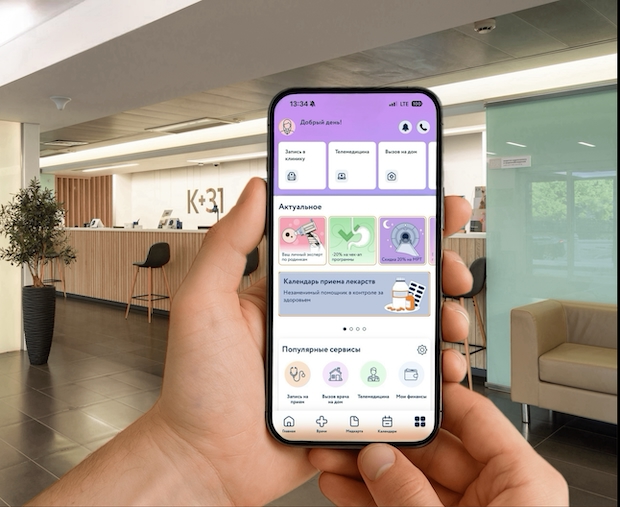
Application “Personal Account K+31”












Diagnostics upon admission to the department
The doctor's primary goal is to identify inflammation. To do this, they perform blood and stool tests for calprotectin (which shows inflammation in the intestines).
The main examination is a colonoscopy with biopsy. During the procedure, the doctor can see the mucosa from the inside, understand exactly where and how severely the intestines are affected, and can assess not only the patient's well-being but also whether the mucosa is healing (endoscopic remission).
Additionally, the doctor may order an ultrasound, CT scan, or MRI. The surgeon needs these images to get a complete picture. This information is especially important if the doctor discovers an abscess or fistula during the colonoscopy.