
Meningitis Treatment in Hospital: Why is Hospitalization Necessary?
Meningitis is an inflammation of the meninges. The disease progresses rapidly. Therefore, it is essential to act quickly: any delay can be life-threatening.
Hospitalization for meningitis is mandatory; it cannot be treated at home. In the hospital, tests are taken, the type of meningitis and its sensitivity to therapy are determined, and intravenous antibiotics are prescribed.

specialists

equipment

treatment



Diagnostics in the emergency room and department
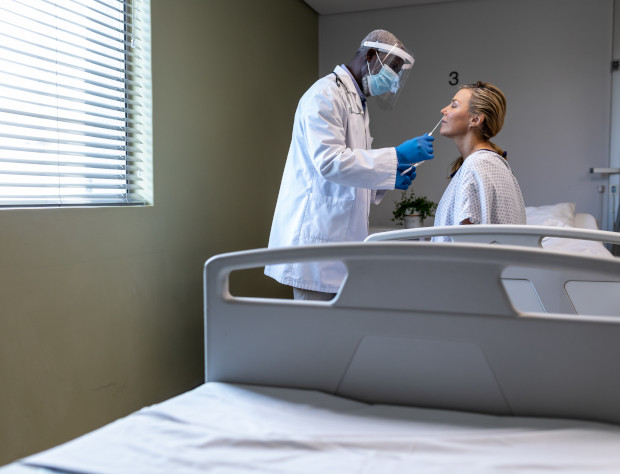
Emergency room physicians confirm or rule out meningitis. First, a visual diagnosis is performed. If there are obvious symptoms, tests are ordered.
Test results are prepared quickly because treatment must be initiated within a few hours of the onset of the disease. During the initial examination, intracranial pressure is also measured.
The patient is then placed in an isolation ward. Visits are prohibited during this time.
Lumbar puncture is a key diagnostic method
A lumbar puncture (spinal tap) is the collection of cerebrospinal fluid (CSF). Based on the fluid analysis, a laboratory technician determines the type of meningitis: viral or bacterial.
A puncture is performed at the slightest suspicion of meningitis. It is a painless procedure.
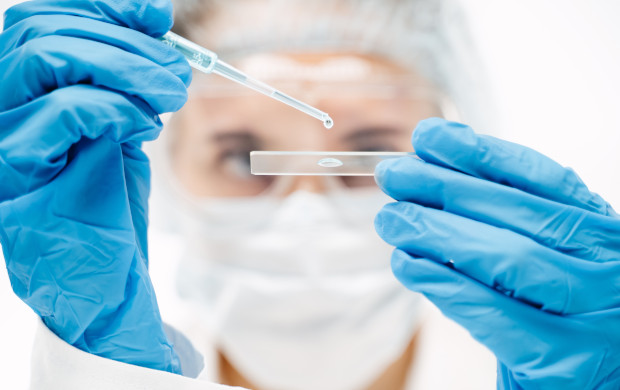
Laboratory and instrumental methods (MRI, CT, tests)
To establish a diagnosis, the following are used:
- Complete blood test, biochemistry, inflammatory markers
- Cultures/rapid tests as indicated
- PCR of cerebrospinal fluid (a modern rapid diagnostic that can identify the pathogen within hours)
- CT or MRI — if there are signs of complications, severe impairment of consciousness, seizures, or suspicion of a space-occupying process
Diagnosis of meningitis in a hospital is quick: a diagnosis is made within one and a half to two hours.
The main stages of inpatient treatment
Treatment depends on the cause, so strategies for serous and purulent meningitis differ. But the general principle is the same: treat the underlying cause, reduce swelling and intoxication, support the body, and provide proper care.
Etiotropic therapy: fighting the pathogen (antibiotics, antivirals)
For bacterial meningitis, treatment is prescribed immediately. There's no time to waste. Antibiotics are administered intravenously. For viral meningitis, a watchful waiting approach is used. The body usually fights the virus on its own, but if it can't, antiviral drugs are used. Antibiotics for meningitis in the hospital are selected based on blood tests.
Pathogenetic treatment: reducing swelling and intoxication
In the hospital, doctors monitor blood pressure and advise the patient on how to maintain fluid and salt balance in the body. They administer IVs and prescribe treatment. Urine volume, temperature, and the patient's general condition are also monitored.
Symptomatic Care and Nursing
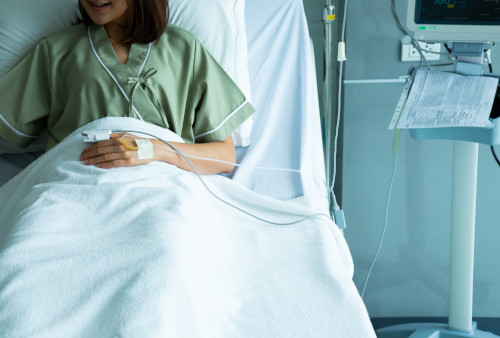
The patient requires bed rest and quiet. During the initial stages of treatment, sunlight should be limited and pain and nausea should be controlled.
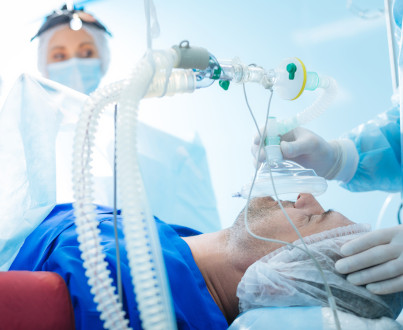
If necessary, oxygen and anticonvulsants should be administered. Even after discharge, fluid intake and nutrition should be monitored.
Length of hospital stay and discharge criteria
On average, treatment takes 2 to 4 weeks, but the duration depends on the cause and severity, as well as how quickly CSF levels and overall condition return to normal.
Discharge from the hospital only after full recovery: no fever, weakness, confusion, or seizures. Treatment continues at home: minimal physical activity, proper nutrition, and fluid intake.
Rehabilitation after meningitis
Rehabilitation after meningitis is also important. After the illness, weakness, fatigue, headaches, decreased concentration, and sometimes hearing problems may persist.
The patient is monitored by a neurologist and leads a quiet lifestyle. Some patients are even prohibited from driving.

Table: Differences in approaches to treating different types of meningitis
| Type of meningitis | Primary approach | Duration of therapy |
|---|---|---|
| Bacterial (purulent) | Broad-spectrum intravenous antibiotics, then adjusted based on results | 10-14 days or more |
| Viral (serous) | Supportive care, antiviral medications as indicated, detoxification | 7-10 days |
| Tuberculosis | Specific anti-tuberculosis drugs | Months |

Answers to Frequently Asked Questions (FAQ)
Important: Self-medication for meningitis is unacceptable: without antibiotics, the bacterial infection can be fatal. Hospitalization for meningitis is mandatory. Self-treatment for this disease is impossible.
Can meningitis be treated at home?
Is a lumbar puncture painful?
How long does it take to treat meningitis in adults in the hospital?
Are there any after-effects after treatment?
Our doctors








This award is given to clinics with the highest ratings according to user ratings, a large number of requests from this site, and in the absence of critical violations.

This award is given to clinics with the highest ratings according to user ratings. It means that the place is known, loved, and definitely worth visiting.

The ProDoctors portal collected 500 thousand reviews, compiled a rating of doctors based on them and awarded the best. We are proud that our doctors are among those awarded.
Make an appointment at a convenient time on the nearest date
Other services

Appointment to the doctor
Reviews

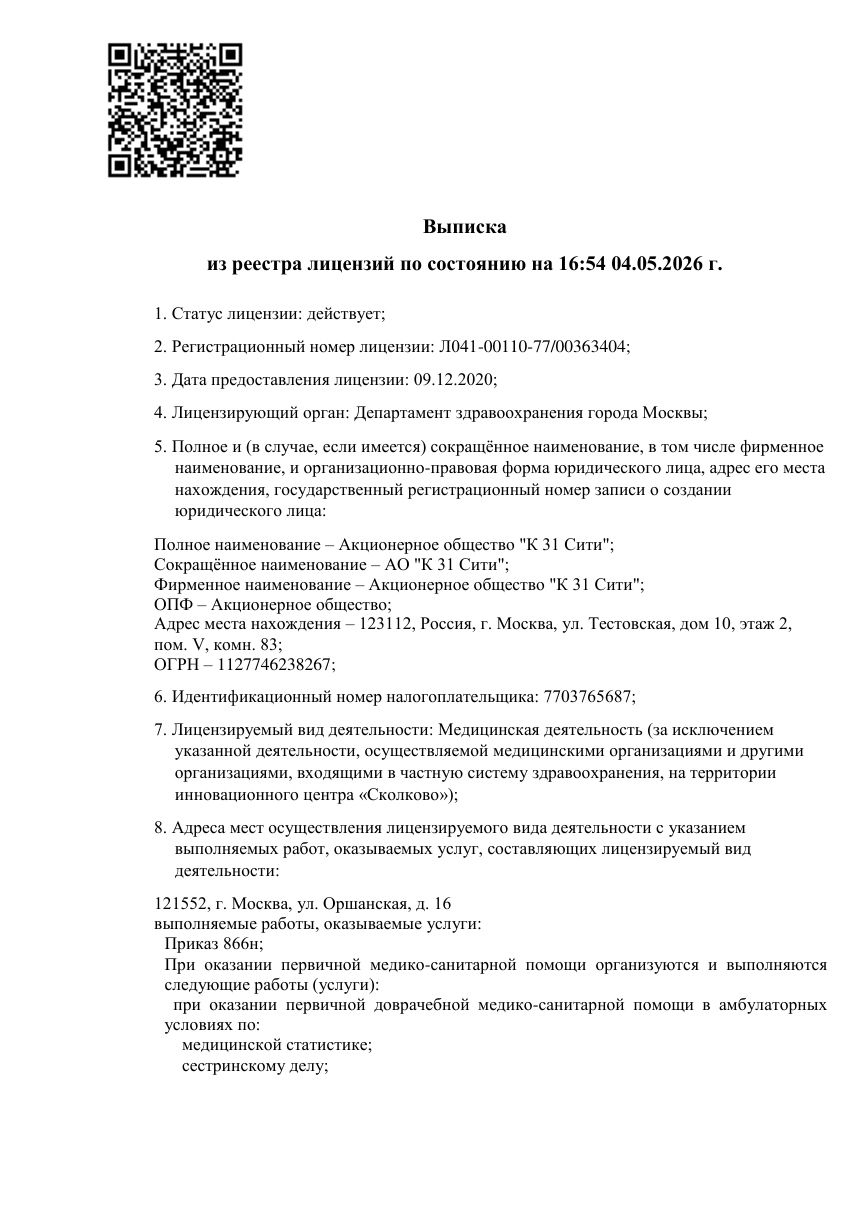
Our clinics


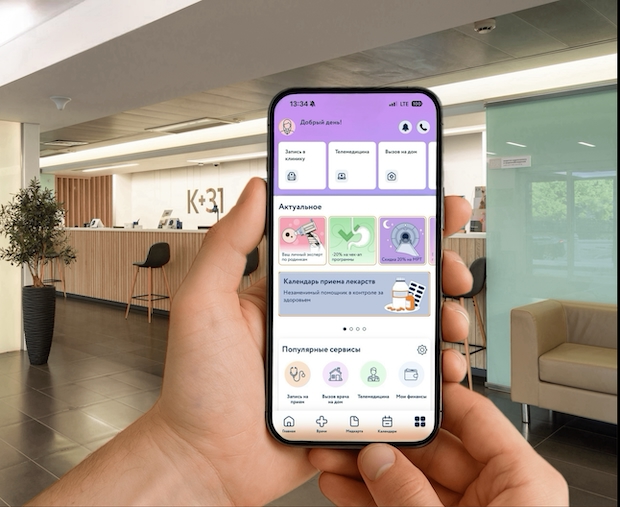
Application “Personal Account K+31”











Indications for urgent hospitalization in case of suspected meningitis
The first symptoms of meningitis are similar to those of a common virus: high fever, severe headache, and sensitivity to light. Call 911 if you experience seizures, stiff neck (unable to raise the head while lying on your back), or a rash.
Staying at home with these symptoms is dangerous; hospital care and antibiotics are needed (with bacterial meningitis, the countdown is indefinite).