
Inpatient Treatment for Seizures
Seizures are involuntary muscle contractions. This condition should not be ignored. At the first sign of spasms, consult a doctor immediately to determine the cause and prescribe treatment.
It is best to treat seizures in a hospital. This is especially important if you are experiencing the condition for the first time and don't fully understand what to do.

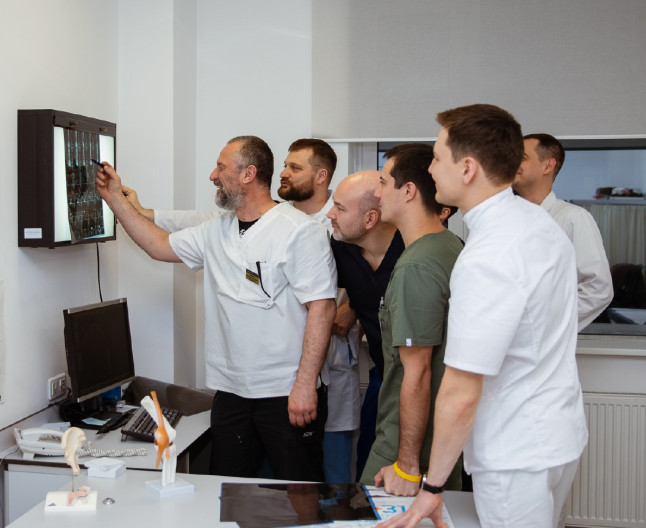
specialists

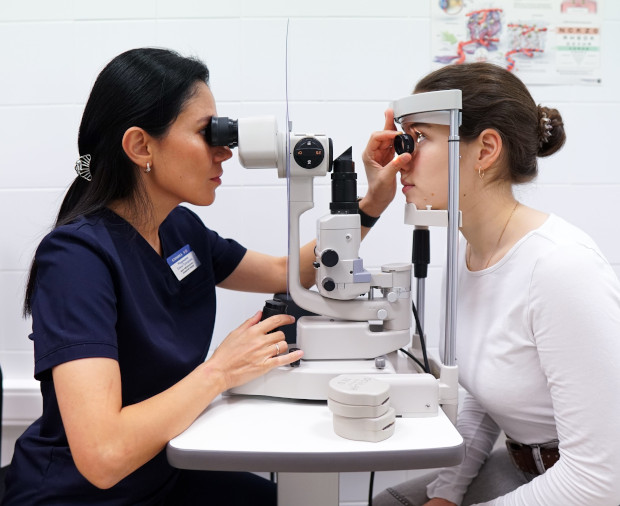
equipment

treatment




When is hospitalization necessary for seizures?

Not every case of seizure activity requires a long hospital stay, but there are situations when hospitalization for seizures is the only way to preserve life and health.
A specialized department can provide 24-hour medical supervision.
Planned hospitalization for diagnosis
Hospitalization is necessary if outpatient doctors are unable to stop the seizures. In the hospital, they will conduct an examination and prescribe anticonvulsant therapy.
It is important to prevent a relapse. Therefore, the cause is determined first, and only then treatment is offered. In the clinic, the patient undergoes a comprehensive examination, which is difficult to perform at home.

Emergency Indications for Hospitalization
Urgent medical care is necessary if seizures in adults or children exceed normal tone:
- They last more than 5 minutes (there is a risk of developing status epilepticus)
- The seizures occur in series, and the person does not regain consciousness between them
- The seizures occur against the background of a high fever
- There were head injuries or poisoning
- Dark spots appear on the body (meningitis must be ruled out)
If a child is having seizures, call an ambulance in any case. A trip to the hospital is also recommended the first time you experience the syndrome.
Complex therapy of convulsive conditions
Seizure syndrome, which is treated in a hospital, requires a team approach. Doctors must not only relieve the symptom, but also address the underlying cause. Several treatment methods are currently used, each aimed at addressing a specific issue.
Medication for Seizure Control
Stopping a seizure is the primary goal during hospitalization. Seizures affect the brain, so doctors need to act quickly.
Injections or IVs are best: they suppress the seizure focus more quickly.
Correction of the underlying disease
Seizures are often a consequence of other pathologies. If metabolic disorders, brain infections, or vascular diseases are identified during diagnosis, specific treatment is administered. A neurologist and epileptologist adjust therapy to reduce the body's overall seizure propensity.
Maintenance Therapy Selection
Next, doctors begin to select a permanent treatment regimen. New-generation anticonvulsants are used: they have good efficacy and minimal side effects (less stress on the stomach, liver, and kidneys).
Proper dosage selection in the hospital minimizes the risk of relapse after discharge.
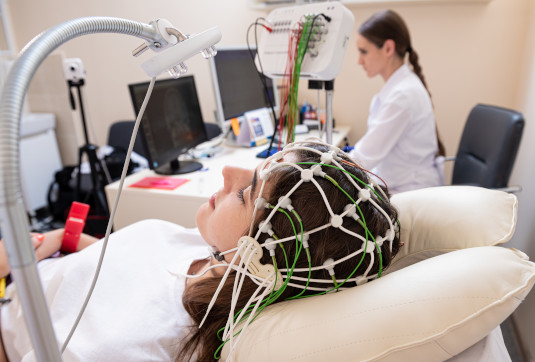
The main advantage of the inpatient clinic is the opportunity to consult with several specialists in just one day. The seizure treatment clinic creates a pleasant environment. Doctors monitor your condition and progress, promptly adjusting therapy if necessary.
The hospital also conducts 24-hour EEG monitoring, which allows you to quickly identify abnormal activity.
Comprehensive diagnosis of seizure causes within 48 hours in a comfortable inpatient setting under the supervision of the city's leading neurologists. We ensure complete safety and utilize the latest technology.
Conclusion: Prognosis and Prevention
Inpatient treatment for seizures is an opportunity to stabilize your condition as quickly as possible. You will then be transferred to home rehabilitation. At home, avoid irritants such as alcohol, tobacco, and flickering lights.
Important.
Rehabilitation always begins after discharge from the hospital. Physical activity should be resumed gradually, and neurologist consultations and EEGs should be scheduled.

Frequently Asked Questions
Is it possible to cure seizures permanently?
If nighttime seizures have begun, is treatment necessary?
How long should the hospital stay be?
Our doctors
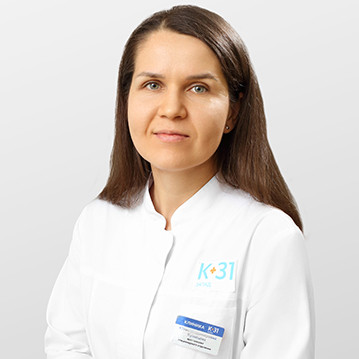


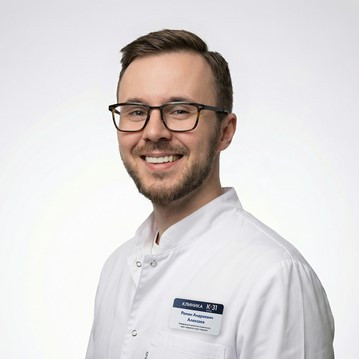



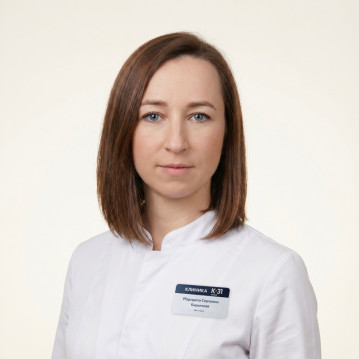

This award is given to clinics with the highest ratings according to user ratings, a large number of requests from this site, and in the absence of critical violations.

This award is given to clinics with the highest ratings according to user ratings. It means that the place is known, loved, and definitely worth visiting.

The ProDoctors portal collected 500 thousand reviews, compiled a rating of doctors based on them and awarded the best. We are proud that our doctors are among those awarded.
Make an appointment at a convenient time on the nearest date
Other services

Appointment to the doctor
Reviews

















Our clinics


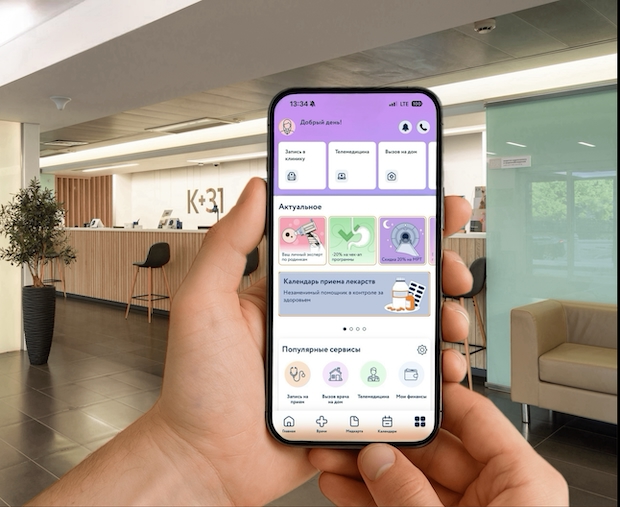
Application “Personal Account K+31”











Diagnostic methods in a clinical setting
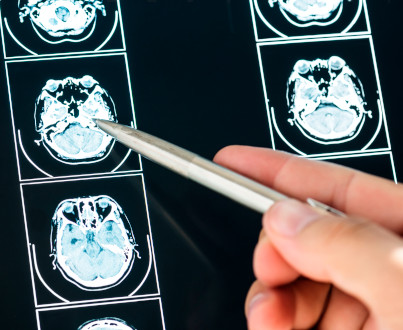
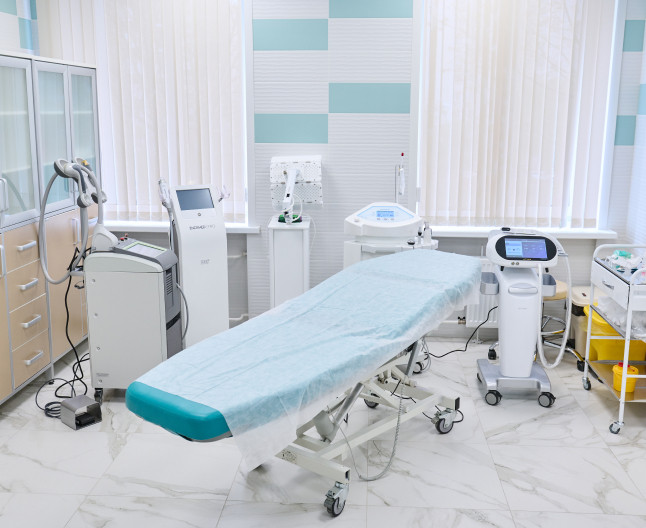
Calm treatment is provided in stages. First, the doctor collects a patient's medical history (ascertaining the patient's lifestyle and schedule, asking about diet, bad habits, and current medications). Next comes the examination. The seizure treatment clinic uses equipment not available in outpatient clinics.
During diagnosis:
Epilepsy is also diagnosed in a clinic. However, inpatient consultations with specialized specialists are easier and faster.