
Features and Benefits of Inpatient Treatment of Stomach Diseases
Stomach pain doesn't start immediately. Most often, discomfort develops when the pathological process fails to be stopped with simple medications.
Inpatient treatment of stomach problems allows for pain relief. Gastroenterologists make an accurate diagnosis and prescribe treatment.
Unlike self-management, inpatient treatment of gastrointestinal diseases is more effective. You will be examined and tested immediately.

specialists

equipment

treatment







Peptic Ulcer Exacerbation and Risk of Bleeding
Hospitalization for gastric ulcers is necessary during the acute stage. Pain in this case is associated with damage to the mucous membrane. The greatest danger of an ulcer is that it is painless in the early stages. A person may feel nausea, but most often attributes this to poor diet. In the hospital, doctors can diagnose ulcers at an early stage using tests and an FGDS.
Acute Gastritis with Severe Pain
If a patient is diagnosed with acute gastritis, home treatment is limited to taking pills. However, due to vomiting, taking them is not always possible. In the gastroenterology department, doctors use parenteral (intravenous) medications (IV drips and injections). This allows the mucous membrane to rest and recover more quickly.
Diagnostics in a hospital setting
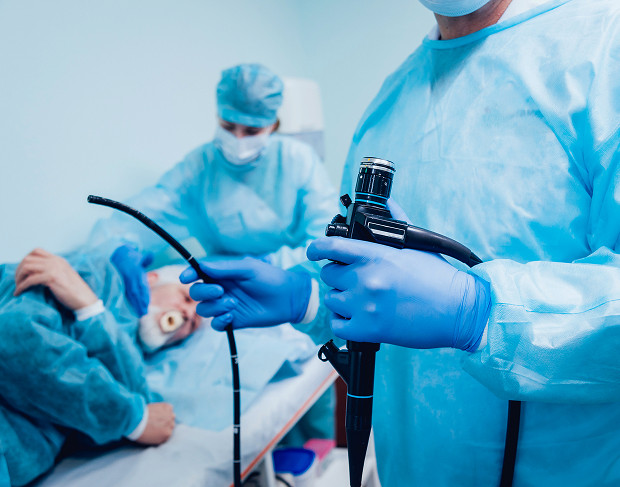
The main advantage of inpatient care is speed and comprehensiveness. Stomach diagnostics at a clinic can take weeks. Long lines, inability to obtain a referral, and a lack of necessary equipment all complicate the process. In the gastroenterology department, everything can be done in one day.
Immediately after admission to the hospital, you will undergo:
- Gastroscopy (EGD). This can detect erosions, ulcers, or neoplasms. During the procedure, a biopsy (if necessary) and a Helicobacter pylori test are performed.
- Tests. Blood is taken, acidity levels are measured (pH-metry), and a stool sample is submitted.
- Diagnostics. Abdominal ultrasound. If the doctor has any doubts, they will order a CT scan.
A gastroenterologist palpates your abdomen every day in the hospital. He needs to understand whether you have gas and know the intensity of the pain.
Intensive Care Methods in Gastroenterology
In hospital settings, an integrated approach is used, combining modern pharmaceutical developments and instrumental techniques.
Infusion Therapy and Drug Therapy
Infusion therapy for gastritis and peptic ulcer disease is aimed at restoring fluid and electrolyte balance and quickly delivering active ingredients to the site of inflammation.
- Latest-generation PPIs. Proton pump inhibitors (e.g., pantoprazole or rabeprazole) administered intravenously effectively block excess hydrochloric acid production, reducing gastric acidity. This creates conditions for wound healing.
- Eradication Therapy. If Helicobacter pylori is detected, specific antibiotics are prescribed.
- Gastroprotectors and antacids. These medications create a protective barrier on the mucosal surface, protecting it from the aggressive effects of gastric juice.
Endoscopic Manipulations
Our modern gastroenterology department is equipped for therapeutic endoscopy. If a bleeding vessel is detected during gastroscopy, the doctor can perform endoscopic hemostasis:
- Clipping (applying special clips to the vessel)
- Argon plasma coagulation (cauterization of the damaged area)
- Injection of adrenaline solutions to the ulcer
These methods avoid major abdominal surgery and preserve the integrity of the organ.
Diet Therapy: Inpatient Diets
A therapeutic diet for ulcers is an important part of treatment. At home, patients often break their diet because family members don't want to adhere to a healthy diet.
Inpatient treatment is much easier: you don't have to buy or prepare food yourself. Inpatient meals are strictly regulated. Pevzner Diet No. 1 is usually prescribed. This diet prohibits spicy, fried, cold, and hot foods. Sweets, coffee, and sometimes dairy are also excluded.
Why is hospital treatment more effective than home treatment?
Many patients put off visiting the hospital until the last minute due to the unpleasant procedures involved. But today, inpatient stomach treatment offers maximum comfort and high-quality equipment.
| Criteria | Outpatient | Inpatient |
|---|---|---|
| Access to procedures | Limited (bookings must be made weeks in advance) | Full (EGD, IVs, physiotherapy) |
| Diagnostic speed | First-come, first-served basis (3 to 7 days) | Emergency, on the first day of stay |
| Diet | Independent (high risk of breakdowns) | Strict dietary regimen supervised by a dietitian |
| Safety | High risk of missing complications | 24-hour monitoring by medical staff |
24-hour monitoring allows for timely adjustments to medication dosages. If the standard regimen is ineffective, the doctor can quickly replace antibiotics or antacids without waiting for the next appointment in a week.


Frequently Asked Questions
Caution! If you have abdominal pain, do not take painkillers. These medications can cause bleeding. Furthermore, this can complicate diagnosis. It's best to call a doctor immediately.
How long do I need to stay in the hospital?
Can I treat my stomach without antibiotics?
Is an EGD necessary?
Can I cure gastritis permanently?
Our doctors









This award is given to clinics with the highest ratings according to user ratings, a large number of requests from this site, and in the absence of critical violations.

This award is given to clinics with the highest ratings according to user ratings. It means that the place is known, loved, and definitely worth visiting.

The ProDoctors portal collected 500 thousand reviews, compiled a rating of doctors based on them and awarded the best. We are proud that our doctors are among those awarded.
Make an appointment at a convenient time on the nearest date
Other services

Appointment to the doctor
Reviews





















Our clinics


Application “Personal Account K+31”












When outpatient treatment is not enough: main indications
Outpatient treatment is appropriate if you are just experiencing the first symptoms and are not experiencing severe pain. Planned hospitalization is necessary for the treatment of chronic cases. Urgent hospitalization is necessary for the relief of acute conditions.
You should call an ambulance in the following situations:
Fever is rare with stomach illnesses. Therefore, don't wait for it to occur; seek help at the first sign of symptoms.