
Inpatient Pancreatitis Treatment: Main Methods and Stages of Therapy
Pancreatitis typically begins with acute pain, which can be mistaken for a heart attack.
In this situation, you should call an ambulance immediately: assistance in the first hours of an attack reduces the risk of complications by 40%, so it is best to treat pancreatitis in a hospital.
The pancreas performs critical functions: it produces digestive enzymes and hormones that regulate blood sugar levels. When inflammation occurs, these processes are disrupted, leading to systemic intoxication of the body.

specialists

equipment

treatment






Diagnostics upon admission to hospital
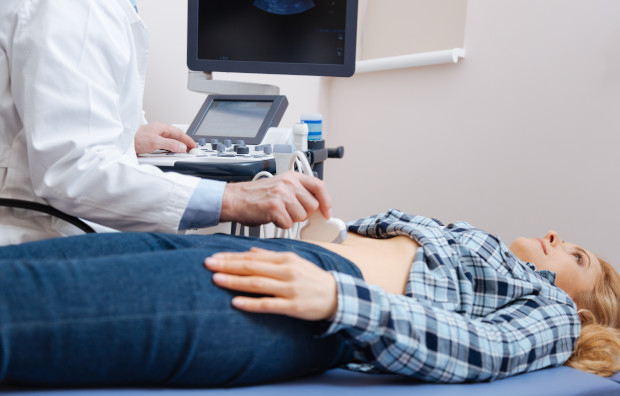
If you have acute pancreatitis, go to the hospital. Doctors will conduct diagnostics and take tests. The main goal is to determine the type of inflammation (edematous or destructive) and assess the risk of complications.
Upon admission to the hospital, the following is done:
- Tests. Amylase and lipase levels in the blood and urine are checked.
- Ultrasound of the abdominal organs. This is necessary to determine the presence of fluid in the abdominal cavity and to examine the condition of the bile ducts.
- CT with contrast. This reveals areas where tissue necrosis has begun.
- EUS (endosonography). A more detailed examination of the ducts and the structure of the gland.
Basic treatment methods in the hospital
In modern medicine, hospital treatment for pancreatitis is based on strict clinical protocols. Doctors strive to minimize the burden on the organ and stop the pancreas from self-digesting.
Conservative therapy: fasting, cold, and rest
This is the classic triad, which remains relevant. What's the first step in a hospital stay during an attack of pancreatitis? Provide maximum functional rest for the organ.
- Fasting for 2-4 days to stop enzyme production.
- Cold. Applying an ice pack to the epigastric region to reduce swelling and reduce inflammation.
- Rest. Spend as much time as possible in bed. Get up only when necessary (toilet and hygiene).
Drug Treatment (Infusion Therapy)
IVs are the mainstay of treatment for pancreatitis. Intravenous administration of medications allows for rapid delivery of active ingredients to the affected organ.
Stages of Conservative Treatment:
- Pain Management: Use of analgesics and antispasmodics to relieve duct spasms.
- Enzyme Activity Reduction: Use of medications that block pancreatic juice production.
- Fluid Replenishment: Intensive detoxification to flush toxins and waste products from the bloodstream.
- Parenteral Nutrition: Administration of nutritional mixtures through a vein if the patient is unable to take food orally for a long time.
Features of surgical treatment
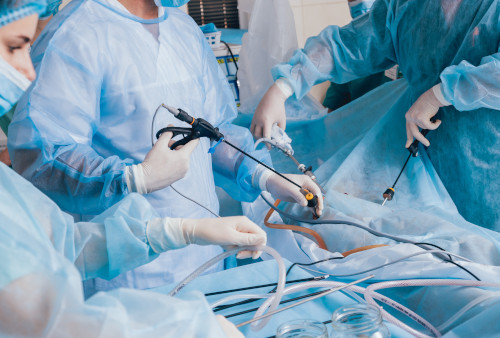
If conservative treatments fail or pancreatic necrosis develops, surgeons are called in. Modern treatment protocols favor minimally invasive techniques.
Laparoscopic Surgery
Surgical intervention through small punctures allows for the removal of dead tissue or drainage of accumulated fluid (exudate). This significantly reduces the risk of infection and speeds recovery.
Direct indications for emergency surgery
There are conditions in which inpatient treatment for pancreatitis shifts from therapeutic to surgical:
- Development of purulent peritonitis
- Extensive necrosis that is not amenable to medical control
- Bile duct obstruction by a stone (obstructive jaundice)
- Formation of large abscesses or cysts
| Characteristics | Conservative treatment | Surgical treatment |
|---|---|---|
| Indications | Edematous form, chronic pancreatitis, exacerbation, hospitalization | Pancreatic necrosis, purulent complications, peritonitis |
| Main methods | IVs for pancreatitis, enzyme inhibitors, diet | Laparoscopy, drainage, tissue resection |
| Recovery period | 7–14 days | From 21 days to several months |
| Risk of relapse | Moderate (depends on diet) | High (requires lifelong therapy) |
Diet and nutrition regimen in hospital
After therapeutic fasting, the patient is transferred to a specialized diet. The gastroenterologist prescribes Diet No. 5p: meals with minimal fat and simple carbohydrates are allowed.
Eat little and often—up to six times a day. All meals are steamed or boiled and served pureed.



Just because you've been discharged from the hospital doesn't mean you're completely healthy. The pancreas doesn't recover quickly: on average, it takes 6 to 12 months to return to a normal lifestyle.
During the entire recovery period, avoid fatty, fried, and smoked foods. Alcohol, cigarettes, and coffee are also prohibited. You should also take the enzymes prescribed by your gastroenterologist.
You should have an ultrasound every three months and monitor your blood glucose levels.
Frequently Asked Questions
If chronic pancreatitis flares up, is it possible to fully recover in a hospital?
Why shouldn't you drink water during an attack?
What are the possible consequences of pancreatitis?
Diabetes mellitus and enzyme deficiency are the most common complications. People with this diagnosis must take regular medications and monitor their diet.
Treatment of pancreatitis in a hospital is a team effort involving a surgeon, a therapist, and an intensive care specialist. Don't tolerate pain: if you have problems with your pancreas, call an ambulance immediately.
Our doctors









This award is given to clinics with the highest ratings according to user ratings, a large number of requests from this site, and in the absence of critical violations.

This award is given to clinics with the highest ratings according to user ratings. It means that the place is known, loved, and definitely worth visiting.

The ProDoctors portal collected 500 thousand reviews, compiled a rating of doctors based on them and awarded the best. We are proud that our doctors are among those awarded.
Make an appointment at a convenient time on the nearest date
Other services

Appointment to the doctor
Reviews





















Our clinics


Application “Personal Account K+31”












When is hospitalization necessary for pancreatitis?
Acute pain or a sudden worsening of chronic pancreatitis cannot be treated at home. Since conventional antispasmodics are ineffective, hospitalization for pancreatitis remains the only way to maintain health and restore quality of life.
You should seek hospitalization if:
Caution! Acute pancreatitis is a life-threatening condition. If you experience pain that radiates around the body, call an ambulance immediately. Self-medication in this situation is unacceptable, as it can lead to irreversible damage to organ tissue.