
Comprehensive Gout Treatment in a Hospital
Gout is a condition that causes joint inflammation. The inflammation is caused by hyperuricemia, or elevated uric acid levels. Pain relief can be achieved at home, but if conventional treatments fail, gout treatment is best performed in a hospital.

specialists

equipment

treatment






Benefits of staying in hospital

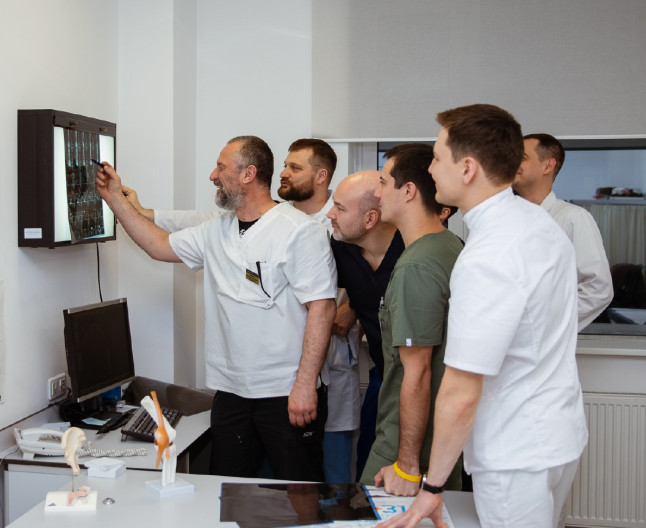
The inpatient department employs a team of doctors: a rheumatologist, a nephrologist, a nutritionist, and a general practitioner. This multidisciplinary approach guarantees appropriate treatment with minimal side effects.
24-hour medical supervision
In the clinic, doctors monitor the body's response to medications in real time. If necessary, they quickly adjust treatment and dosage to reduce the burden on the gastrointestinal tract and kidneys.
Inpatient benefits:
- Daily blood pressure monitoring
- Treatment is carried out under the supervision of a physician
- Blood pressure and heart rate monitoring
The department's doctors reduce the risks associated with taking potent anti-inflammatory drugs. The patient is safe.

Intensive Care Available
Inpatient treatment options include parenteral medications. Intravenous infusions allow for the required concentration of active substances in the blood to be achieved significantly faster than oral administration.
Intensive care includes:
- Drip administration of painkillers and anti-inflammatory medications
- Ultrasound-guided intra-articular injections
- Detoxification procedures
Intensive therapy ensures the rapid relief of gouty arthritis. This restores mobility to the patient and significantly improves their quality of life.
Inpatient Treatment Methods
Hospital therapy combines medication, blood purification methods, and physical therapy. This combination not only relieves symptoms but also normalizes metabolism.
Medicational Pain Management
First and foremost, doctors need to relieve an acute gout attack with anti-inflammatory medications. Medications are selected based on the patient's age and contraindications.
The doctor prescribes the following medications:
- NSAIDs: Non-steroidal drugs to reduce swelling and fever
- Colchicine: Reduces the movement of white blood cells to the site of inflammation
- Glucocorticoids: Hormonal agents used for severe polyarthritis
Proper therapy allows for rapid pain relief and inflammation reduction by lowering uric acid levels.
Efferent Therapy and Detoxification
In cases of critical hyperuricemia or kidney damage, extracorporeal blood purification methods are used.
The following methods are used:
- Plasmapheresis (removal of plasma containing toxic metabolites)
- Hemosorption (blood purification using special sorbents)
- Cascade plasma filtration
All of this reduces uric acid levels.
Physiotherapy Procedures
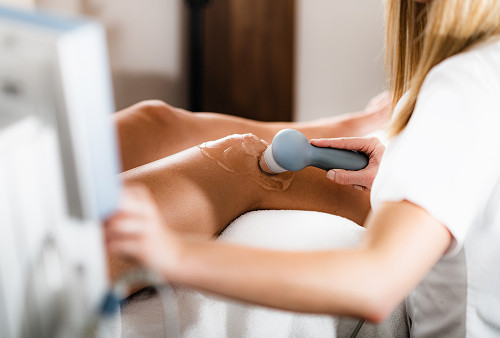
Physiotherapy for gout is prescribed after acute inflammation has subsided to restore joint function.
The clinic uses:
- Laser therapy and magnetic therapy
- Medicinal electrophoresis
- UHF therapy
Hardware treatment shortens the rehabilitation period and helps prolong remission. These procedures are an important addition to the main medication regimen.
Diagnostics in a hospital setting
In the hospital, a diagnosis is made within 24 hours. The patient undergoes immediate testing, and treatment is prescribed based on the results. Rapid diagnosis is especially important when identifying infectious arthritis.
Diagnosis includes:
- Joint puncture to obtain a fluid sample
- Microscopy: a rheumatologist, whose hospital is equipped with the necessary equipment, searches for monosodium urate crystals in the synovial fluid.
- Joint ultrasound to assess the extent of joint space narrowing and identify tophi.
- Laboratory tests for rheumatoid factor and hyperuricemia levels.
Detection of crystals in the synovial fluid confirms the diagnosis 100%.
| Criteria | Outpatient treatment | Inpatient treatment |
|---|---|---|
| Condition monitoring | Periodic visits | 24-hour monitoring |
| Access to procedures | Limited to tablets | Full spectrum (IVs) |
| Monitoring of tests | Every two Weeks | Daily Dynamics |
| Pain Relief | Slow | Maximum Fast |
The role of diet therapy and regimen
Nutrition is an important part of treatment. Diet No. 6 is used in hospital. This means:
- Elimination of red meat, organ meats, and fatty fish
- Complete prohibition of alcohol and sugary drinks
- Plenty of alkaline fluids
- Eating dairy products and vegetables
A proper diet for gout accelerates the elimination of salts and helps with weight loss. In the hospital, patients are taught dietary guidelines that they must continue to follow after discharge.


Treatment doesn't end after discharge. Doctors tell patients what to do to prevent recurrence.
After hospitalization, you should:
- Take urate-lowering medications every day.
- Monitor your blood counts.
- Drink the right amount of water.
- Follow a diet.
If you take your medications promptly and avoid foods that trigger uric acid levels, you can achieve lifelong remission.
Frequently Asked Questions
Attention! This information is for informational purposes only. The choice of medications and procedures is made only by a rheumatologist based on medical tests. Self-medication can lead to kidney complications.
Is it possible to completely cure gout?
Is gout dangerous for the kidneys?
How to choose a clinic?
Our doctors









This award is given to clinics with the highest ratings according to user ratings, a large number of requests from this site, and in the absence of critical violations.

This award is given to clinics with the highest ratings according to user ratings. It means that the place is known, loved, and definitely worth visiting.

The ProDoctors portal collected 500 thousand reviews, compiled a rating of doctors based on them and awarded the best. We are proud that our doctors are among those awarded.
Make an appointment at a convenient time on the nearest date
Other services

Appointment to the doctor
Reviews




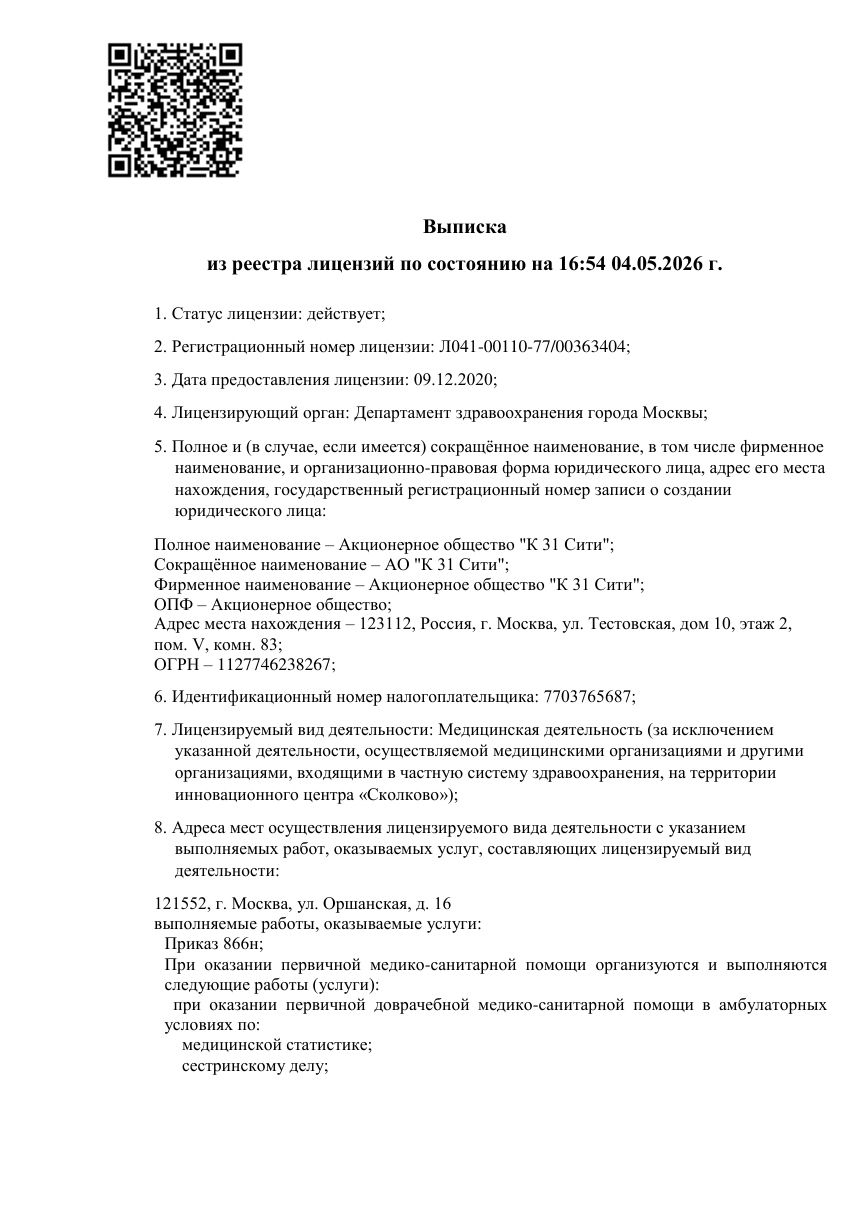
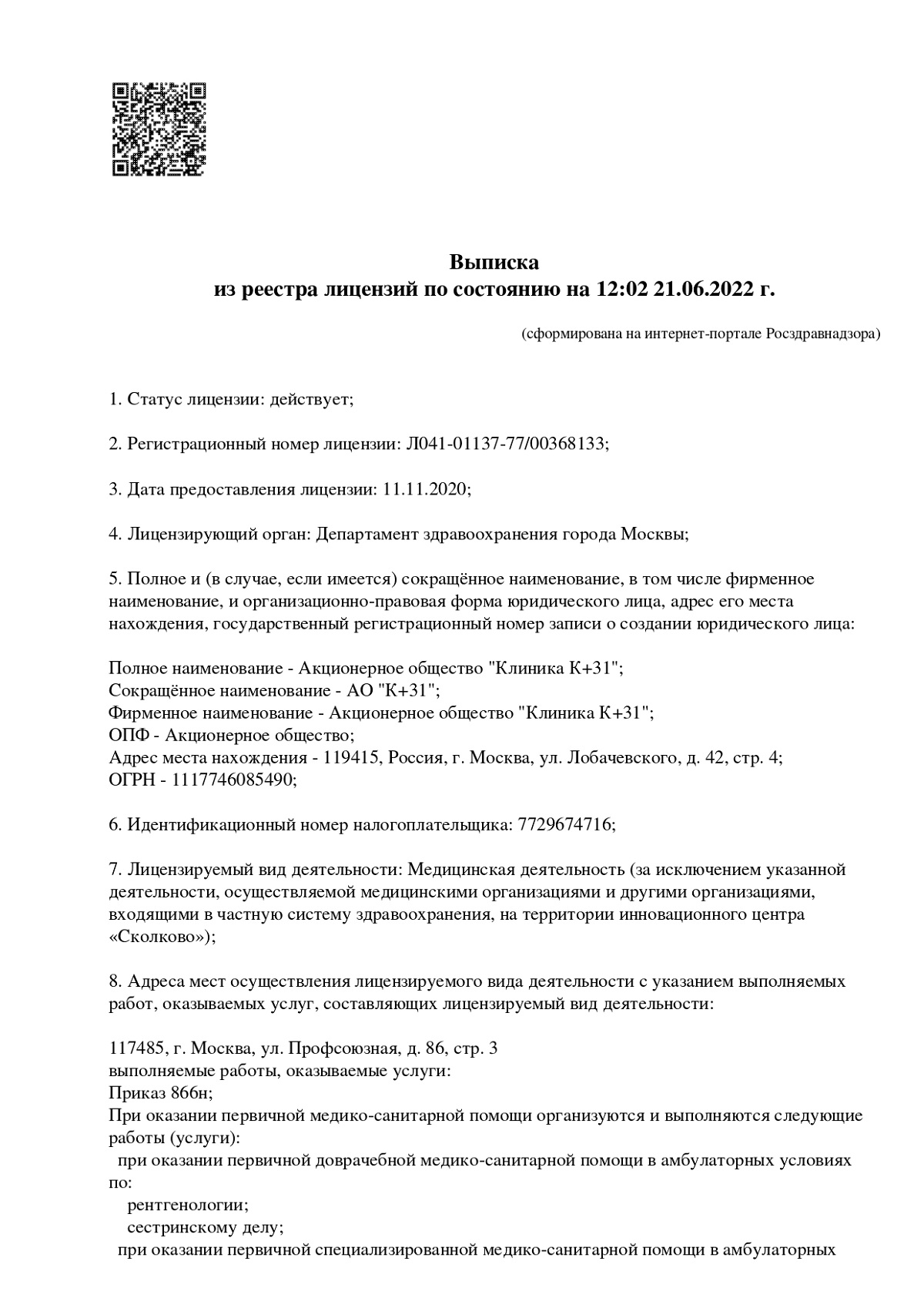
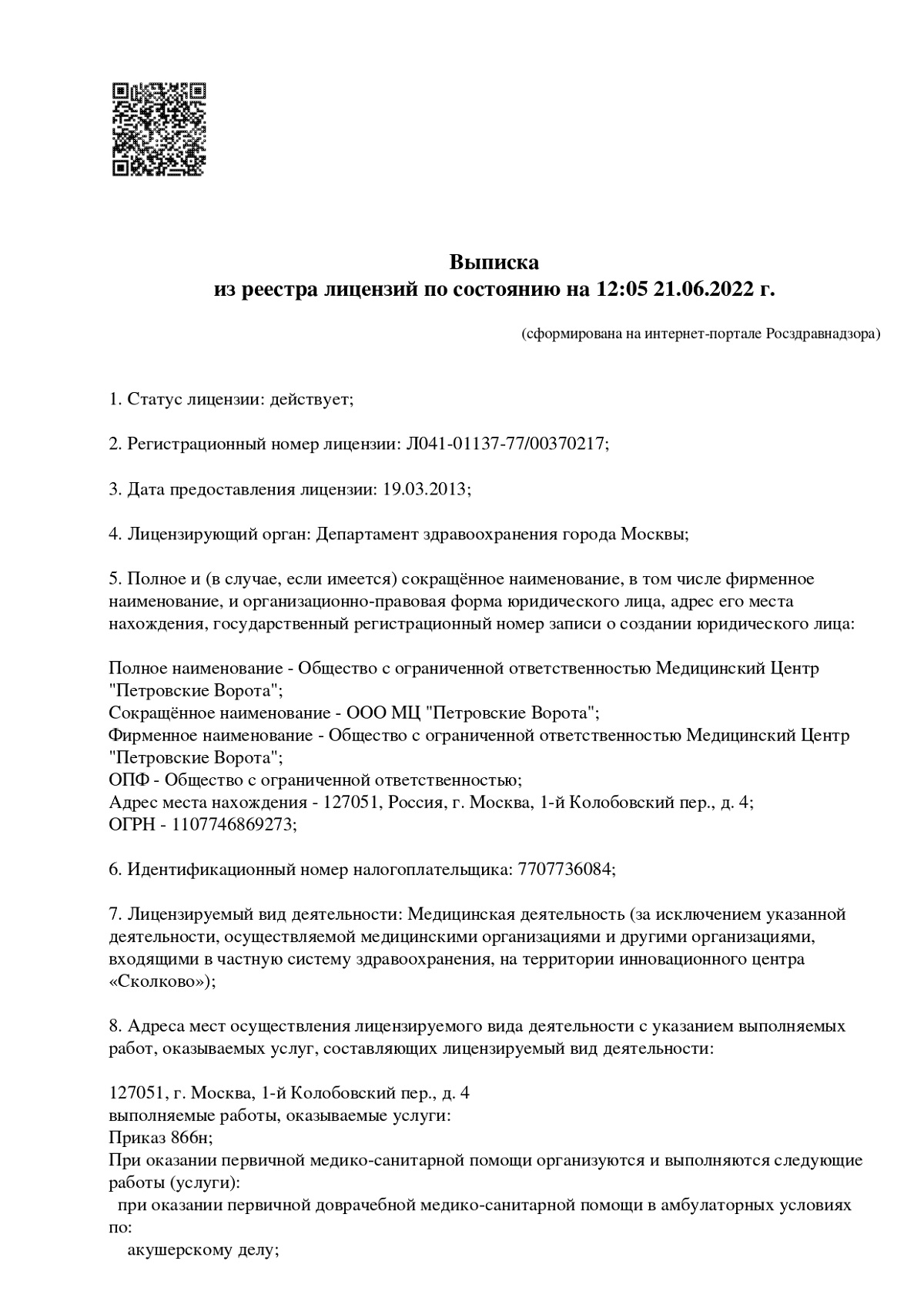
Our clinics


Application “Personal Account K+31”












When is hospitalization necessary for gout?
The decision regarding hospitalization is made by a rheumatologist based on your tests and your overall well-being.
Hospitalization for gout is indicated in the following situations:
Hospital treatment is an opportunity to quickly relieve pain and inflammation.