
Inpatient Treatment of Bowel Diseases: When is Hospitalization Necessary?
Many gastrointestinal diseases can be treated in the early stages in a clinic. However, if the problem cannot be resolved at home, it is better to treat the bowel disease in a hospital.
In a hospital, it is easier to monitor symptoms and change therapy more quickly. Furthermore, a diagnosis is easier in a hospital: you can undergo an examination and have the necessary tests done in one day.

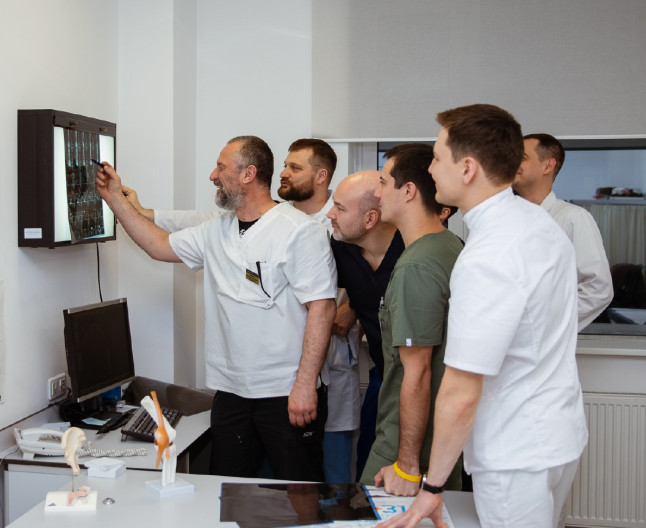
specialists

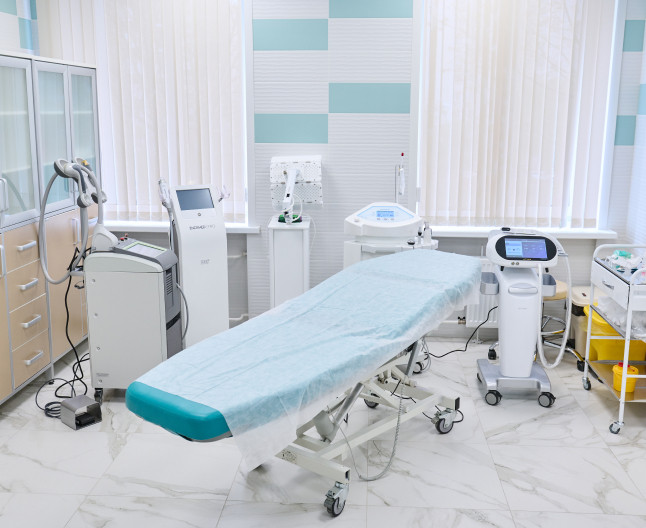
equipment

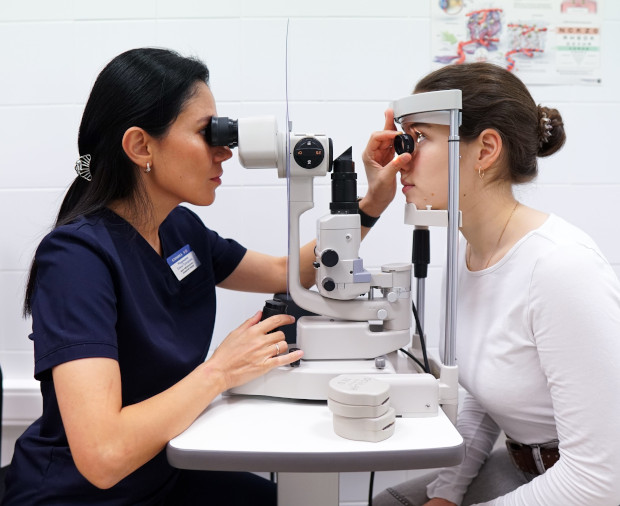
treatment






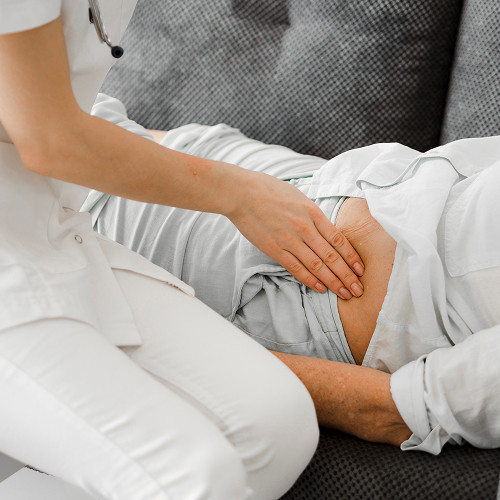
Hospitalization for intestinal diseases can be planned or emergency. According to the clinical guidelines of the Russian Gastroenterological Association (RGA), inpatient treatment is indicated for conditions requiring intensive medical intervention and 24-hour monitoring.
Urgent hospitalization is recommended in the following situations:
- Severe abdominal pain that cannot be relieved with home pain relievers
- Blood appears in the stool
- The person is losing weight, the face has become pale, and there are dark circles under the eyes
- There is diarrhea that cannot be stopped (resulting in dehydration)
- High body temperature accompanied by severe abdominal pain
If Crohn's disease or ulcerative colitis is suspected, you should also consult a gastroenterologist at the hospital.
Diagnostic stages in the gastroenterology department

Inpatient bowel diagnostics are completed in 1-2 days. You don't need to wait in line or make multiple hospital visits: all tests are performed within a single medical facility.
Laboratory Tests
At this stage, blood counts and biochemical markers of inflammation are checked, the state of the intestinal flora and peristalsis are assessed using indirect indicators. A gastroenterologist in the hospital prescribes specific tests for calprotectin and occult blood, which helps differentiate IBS (irritable bowel syndrome) from inflammatory bowel diseases.
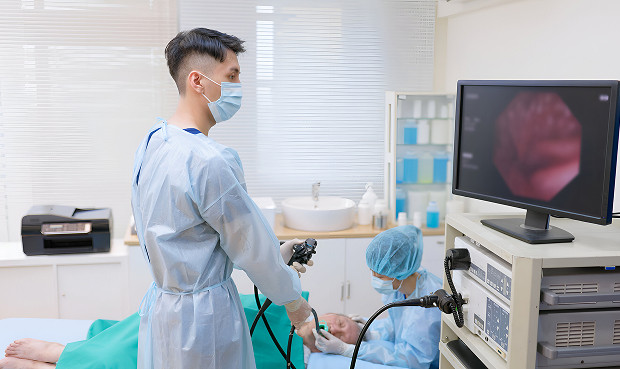
Instrumental and endoscopic diagnostics
The gastroenterology department has everything needed for diagnostics and an accurate diagnosis.
During the first days of hospitalization, the patient undergoes a colonoscopy in the hospital. This procedure is most often performed under sedation (asleep): there is no discomfort, and it is quick and painless.
During the procedure, the doctor will take a biopsy for histological analysis. If necessary, the gastroenterologist will perform video capsule endoscopy, which allows for examination of the small intestine without inserting a tube.
Therapy methods and procedures
Once the initial intestinal diagnosis is complete, the active phase of treatment begins. Inpatient treatment utilizes methods unavailable at home.
Conservative treatment and drug support
Treatment of intestinal diseases is based on the use of new-generation medications. Infusion therapy (IVs) is used to quickly detoxify and restore fluid and electrolyte balance. The regimen often includes probiotics to correct the microflora composition and medications that regulate motility.
Diet Therapy and Nutritional Therapy
The hospital uses a therapeutic diet. This isn't a dietary restriction, but a change in eating habits. The diet is tailored to the patient's diagnosis. What's acceptable for people with gastritis may not be acceptable for patients with Crohn's disease. Diet is crucial for restoring bowel function.
Physiotherapy and restorative methods
After the acute inflammation has subsided, the inpatient gastroenterologist may prescribe physiotherapy. Magnetic therapy, electrophoresis, and other methods accelerate mucosal regeneration and promote faster achievement of stable remission.
Summary: Why an integrated approach is important
Inpatient bowel treatment offers the opportunity to relieve pain and return to a normal life without pills or strict diets. A comprehensive bowel examination can be completed in 48 hours in a hospital setting under the supervision of gastroenterologists. Modern wards and attentive staff make your stay at the clinic as relaxing as possible.
Frequently Asked Questions
Important! Medications and procedures should only be prescribed by a physician after an in-person examination. Self-medication for intestinal diseases can lead to serious complications.
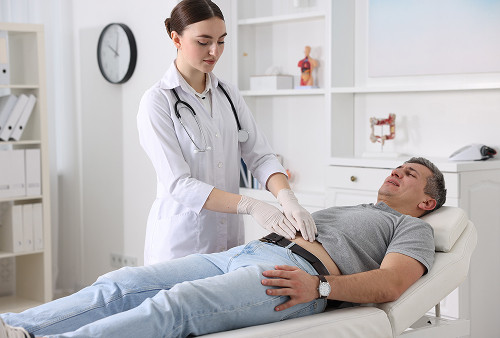
Is it painful to undergo a hospital examination?
How long does it take to treat bowel diseases in a hospital?
Does a proctologist participate in treatment in the gastroenterology department?
Our doctors









This award is given to clinics with the highest ratings according to user ratings, a large number of requests from this site, and in the absence of critical violations.

This award is given to clinics with the highest ratings according to user ratings. It means that the place is known, loved, and definitely worth visiting.

The ProDoctors portal collected 500 thousand reviews, compiled a rating of doctors based on them and awarded the best. We are proud that our doctors are among those awarded.
Make an appointment at a convenient time on the nearest date
Other services

Appointment to the doctor
Reviews





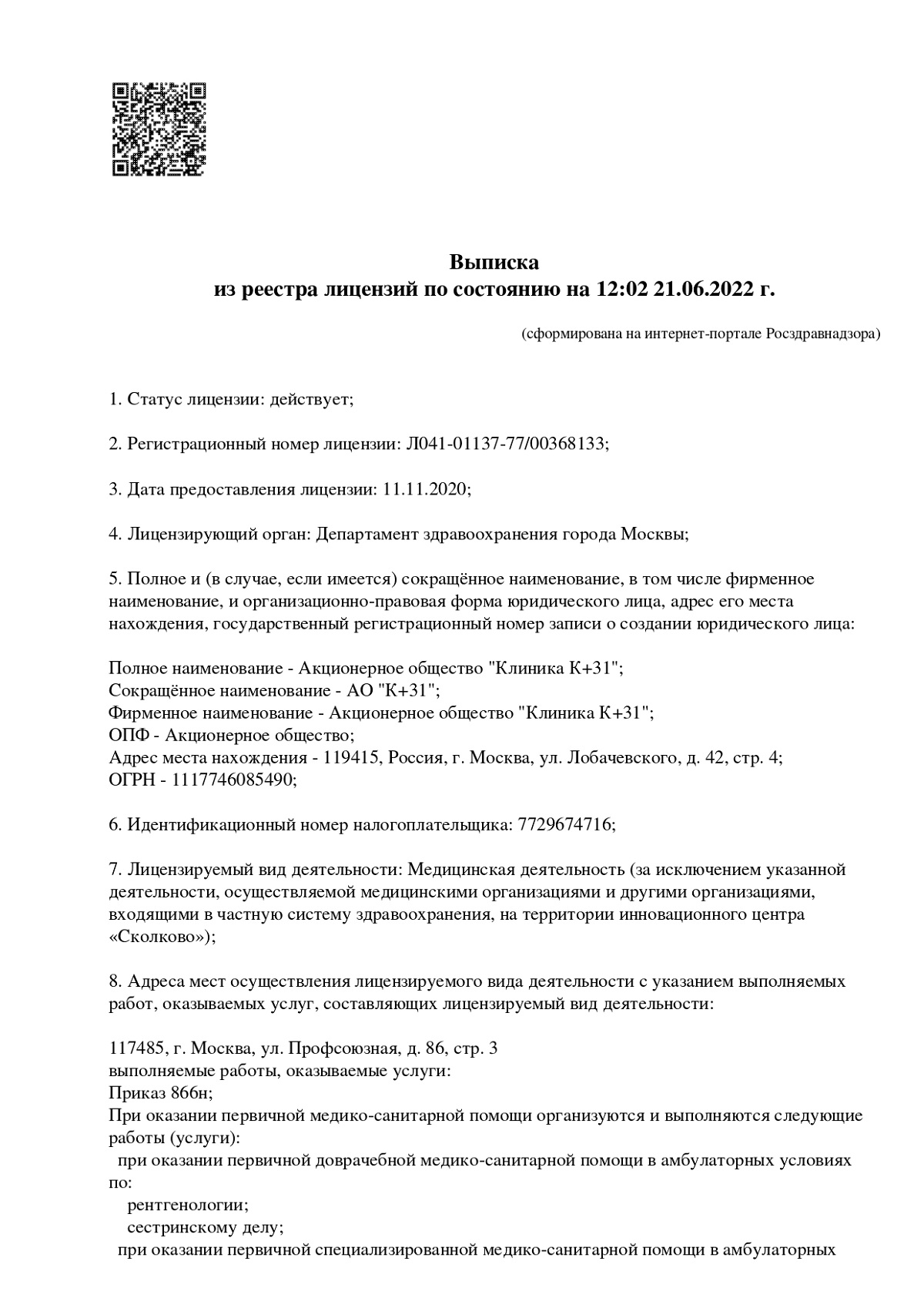
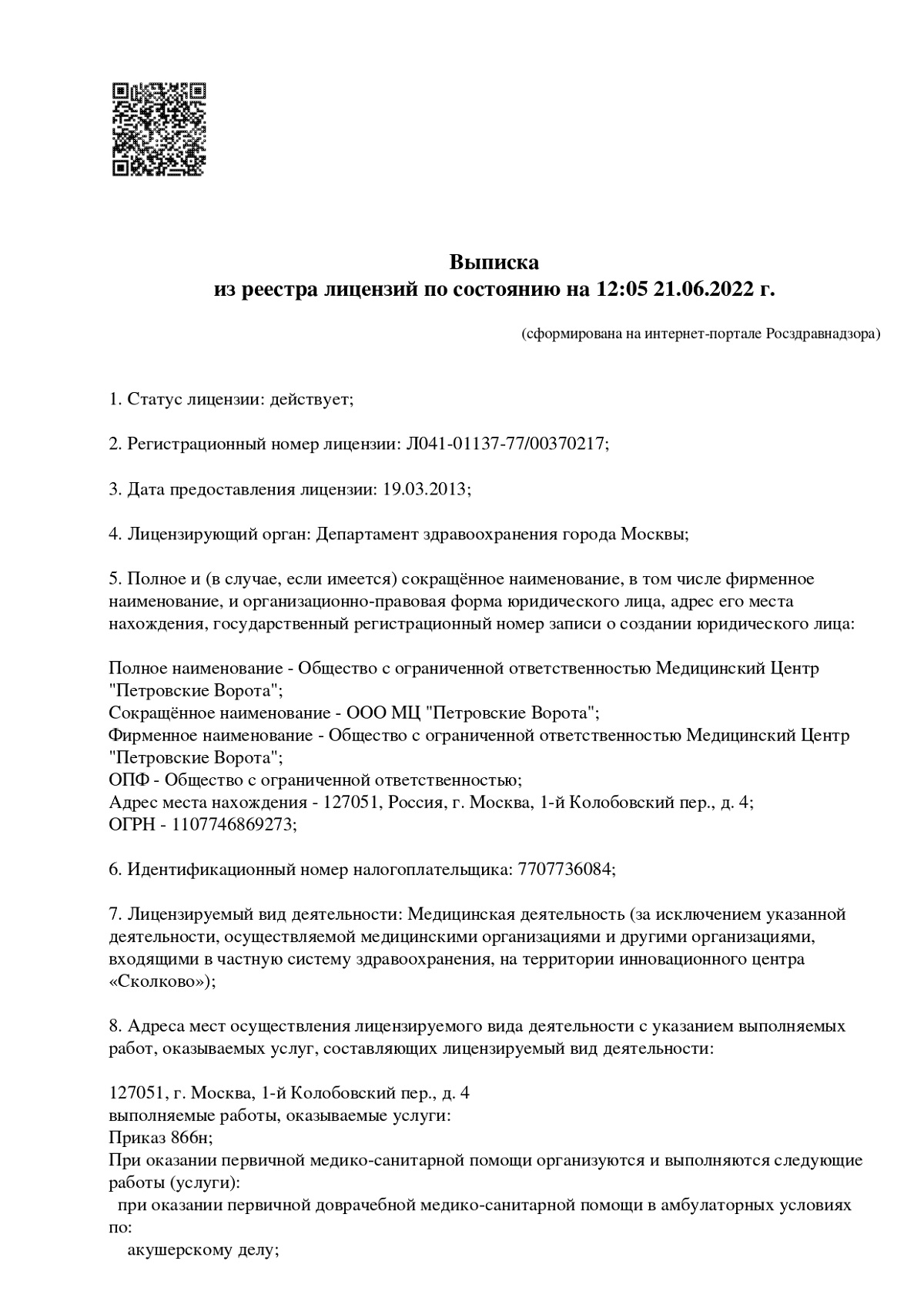
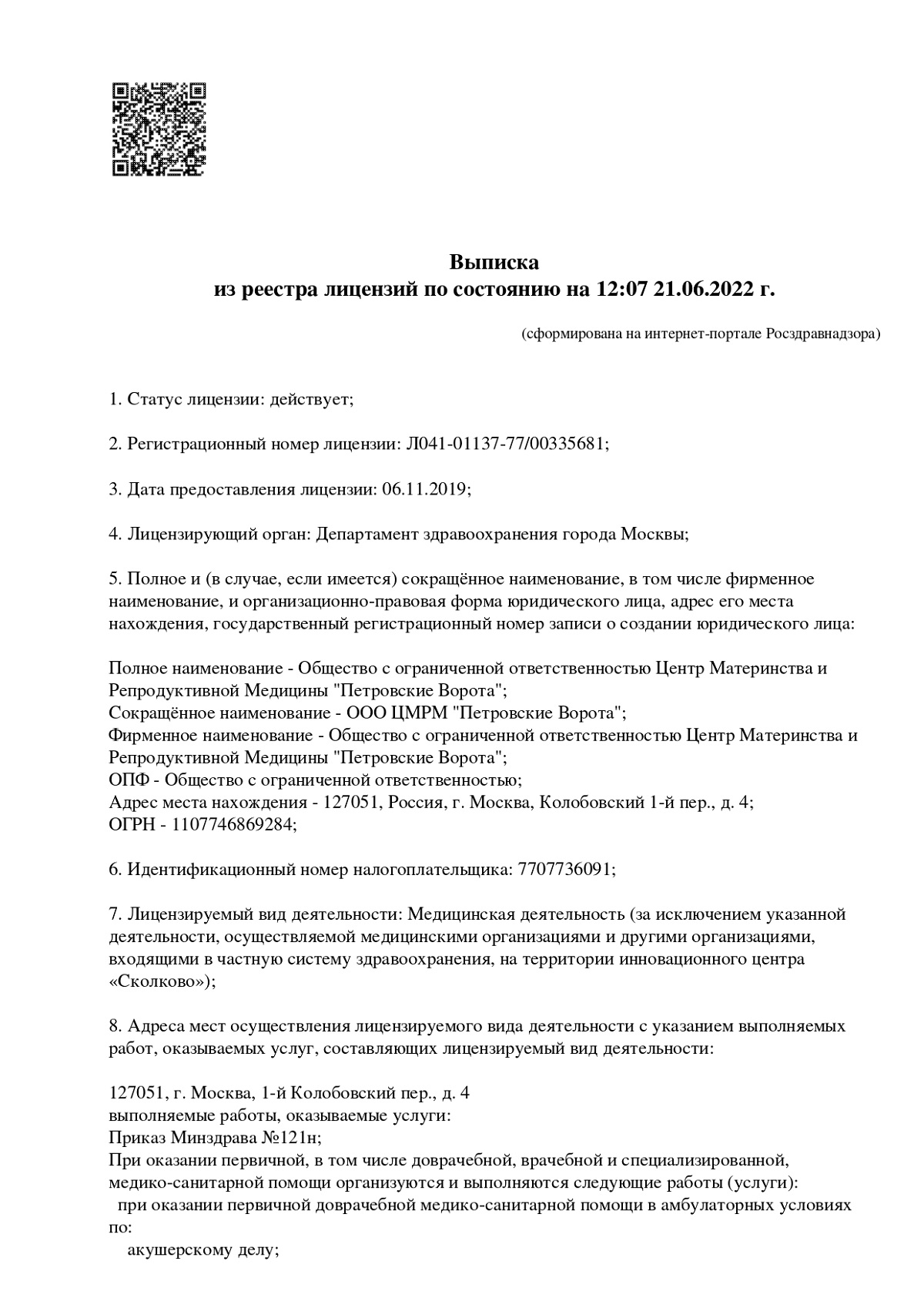



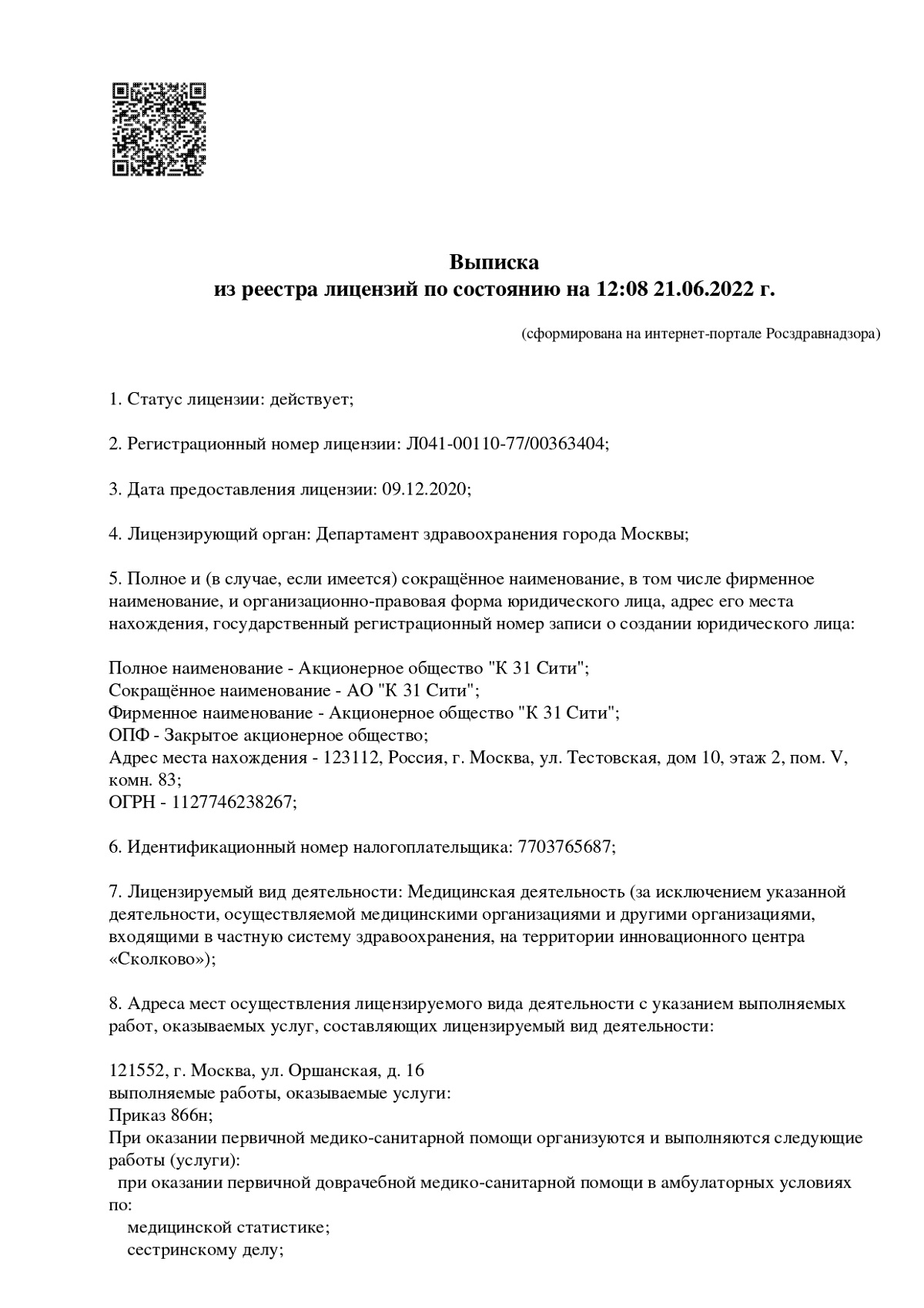




Our clinics


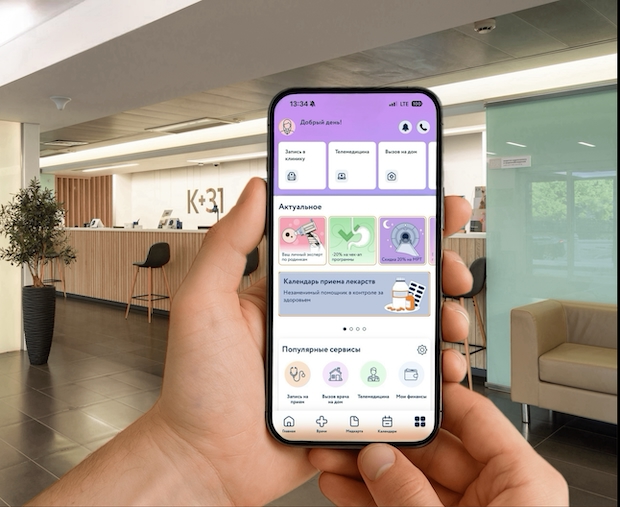
Application “Personal Account K+31”












Advantages of inpatient treatment over outpatient treatment
The main advantage of the gastroenterology department is its systematic approach. Unlike home treatment, gastrointestinal treatment in the hospital eliminates the risk of medication errors and dietary irregularities.