Thyroid ultrasound
The thyroid gland is an important organ of the endocrine system, its function affecting metabolic rate, heart rate stability, thermoregulation, and overall well-being. Even minor thyroid dysfunctions can negatively impact health and lead to serious consequences.
Thyroid ultrasound is one of the most accessible and informative ways to assess the organ's size and structure, tissue homogeneity, the presence of nodules and cysts, and blood flow disturbances.
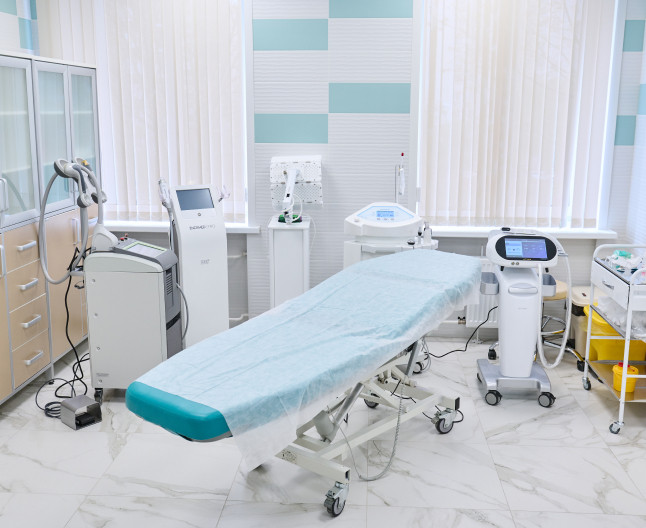
At the K+31 Clinic in Moscow, thyroid ultrasound is performed using modern, functional equipment by experienced and attentive diagnosticians. For a comprehensive assessment of the thyroid gland, the examination can be supplemented with an examination of the parathyroid glands and cervical lymph nodes.

specialists

equipment

treatment




Indications for a thyroid ultrasound
Doctors recommend scheduling a thyroid ultrasound for the following reasons:
- Nodules or lumps in the neck, a lump in the throat, or noticeable swelling
- Thyroid hormone imbalance based on laboratory test results
- A feeling of heat, tremors, cold hands, or weakness: these may be signs of thyroiditis (inflammation), hyperthyroidism, or hypothyroidism.
- Rapid or unexplained weight changes, fatigue, Heart rhythm disturbances
- Hair loss, brittle nails
- Mood swings
- Monitoring of existing thyroid pathology (nodules, cysts, goiters) to assess progress
- Preliminary assessment before surgeries or interventions, when it is important to understand the anatomy of the gland and adjacent tissues
- Hereditary predisposition to endocrine pathologies, living in iodine-deficient regions
If you notice any alarming symptoms or simply want to assess your thyroid health for preventative purposes, an ultrasound can provide accurate information. A preventative ultrasound examination is recommended annually after age 40, when taking hormonal medications, and if you have an unfavorable family history or diabetes.
Contraindications and Limitations
Thyroid ultrasound has no absolute contraindications.
Restrictions may arise due to skin damage in the neck area, such as fresh wounds, burns, inflammation, or severe dermatological diseases. In such cases, performing an ultrasound may be difficult, and the doctor may decide to postpone the examination or perform it with extreme caution.
Temporary restrictions may also be associated with acute infectious diseases, in which case an ultrasound may cause discomfort to the patient.

Preparing for a thyroid ultrasound
A thyroid ultrasound requires no complicated preparation, allowing the examination to be performed without loss of information, even in emergency situations. There's no need to fast or restrict fluid intake, as with other examinations. Simply wear comfortable clothing with an open neck, remove jewelry, and remove anything that could interfere with the transducer.
If you're taking medications that affect your hormonal levels or vascular health, inform your doctor.
How is a thyroid ultrasound performed?
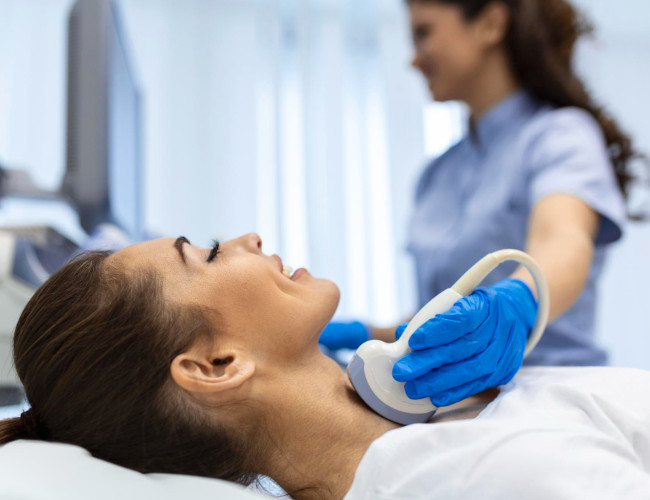
A thyroid ultrasound can be performed on an outpatient basis. The procedure takes 10-30 minutes, depending on the complexity and the need to evaluate adjacent tissues and lymph nodes in the neck.
The patient lies supine with the neck slightly tilted back. The doctor applies a gel to the skin in the neck area to ensure good contact between the transducer and the skin.
The specialist then moves the transducer over the skin, scanning the thyroid gland in both longitudinal and transverse planes. If necessary, the doctor examines blood flow within the organ (Doppler mode) and evaluates the lymph nodes, adjacent tissues, and vessels.
To better visualize certain areas during the examination, the doctor may ask the patient to turn their head or hold their breath. It is important for the patient to remain calm—relaxed neck muscles allow for a clearer image.
After the procedure, the patient receives a photographic report and a medical report.

Decoding ultrasound results
The following information is included in the thyroid ultrasound report:
- Lobe and isthmus parameters, gland volume and symmetry
- Shape and contours, presence of smooth or irregular borders
- Tissue echogenicity
- Structure: presence of nodules, cysts, calcifications, fibrous areas
- Blood flow characteristics in Doppler mode: velocity, direction, presence of increased vascularity
- Cervical lymph node status: size, shape, echostructure
The ultrasound report itself is not a definitive diagnosis – it is interpreted by an endocrinologist, taking into account laboratory data, the patient's symptoms, and the clinical context. If nodules or suspicious areas are detected, a fine-needle aspiration biopsy (FNAB) under ultrasound guidance is additionally prescribed.

Thyroid ultrasound plays an important role in the diagnosis of the following conditions:
- Nodular goiter: the formation of a dense area (nodule) in the thyroid tissue, benign or malignant. It usually causes no symptoms but requires monitoring.
- Diffuse toxic goiter: a uniform enlargement of the thyroid gland with increased hormone production. May be accompanied by weight loss, irritability, and palpitations.
- Thyroiditis: an inflammation of the thyroid tissue, which can be acute, subacute, or chronic. Often leads to neck pain, difficulty swallowing, and fluctuations in hormone levels.
- Hypothyroidism: a condition in which the thyroid gland does not produce enough hormones. An ultrasound may reveal a reduced size of the gland and signs of fibrosis.
- Thyroid cyst: a fluid-filled cyst. Usually benign, but requires monitoring.
- Adenoma: a benign growth with smooth edges that can cause hormonal imbalances.
- Thyroid cancer: a malignant growth that requires accurate diagnosis and treatment. Ultrasound reveals a dense nodule with irregular edges and increased vascularity.
- Hyperplasia: a general increase in the volume of the gland without nodules. Often observed with iodine deficiency and early stages of other diseases.
- Autoimmune diseases (e.g., Hashimoto's disease) are a condition in which the immune system destroys glandular cells. Ultrasound reveals a heterogeneous structure and a decrease in organ volume.
General information
Advantages of ultrasound over other diagnostic methods
Thyroid ultrasound has several important advantages:
- Safety: the examination is performed without radioactive or ionizing radiation and can be repeated without harm to health.
- Painlessness and comfort: If the patient does not experience intense pain, ultrasound is perceived as a gentle and comfortable procedure. The specialist's actions are limited to gentle, gentle movements of the transducer over the skin's surface, without applying any significant pressure, resembling a light stroking.
- Highly informative: ultrasound allows for visualization of small nodules, their structure, blood flow, and the dynamics of changes.
- Speed of examination: results are available almost immediately after the procedure.
- Versatility: suitable for both children and adults.
- Affordable price.
Compared to X-rays or CT scans, thyroid ultrasound is safer and does not require the use of contrast agents. This examination often serves as the first step in visualizing the organ, after which the doctor decides whether more extensive diagnostics are necessary. Ultrasound is also used for monitoring after surgery and therapy, including radioactive iodine therapy.


Our doctors

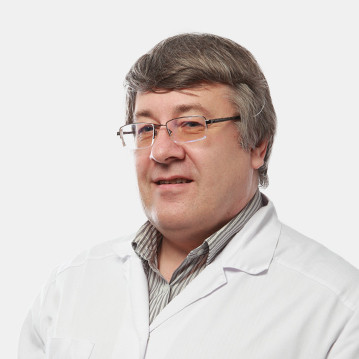
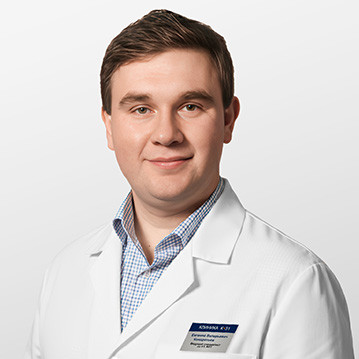

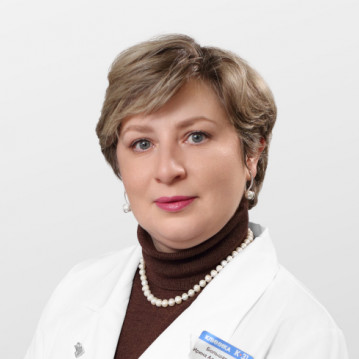

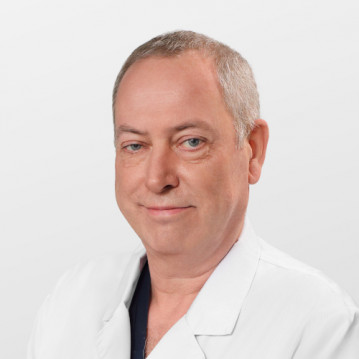
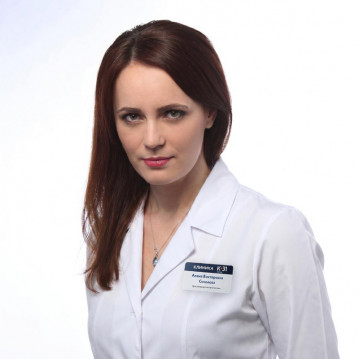
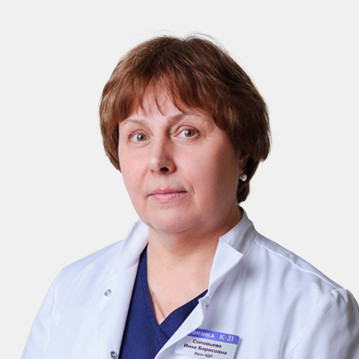



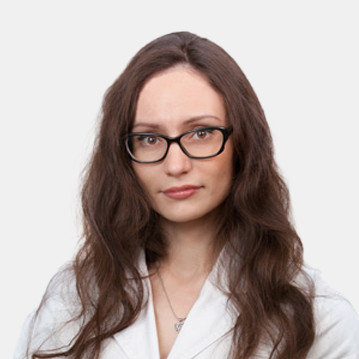
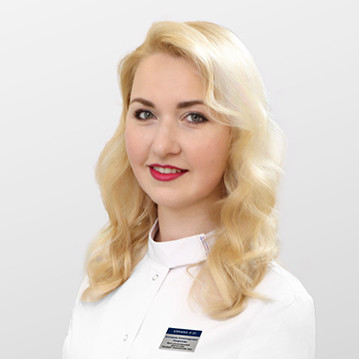
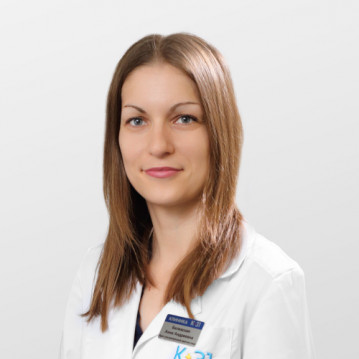
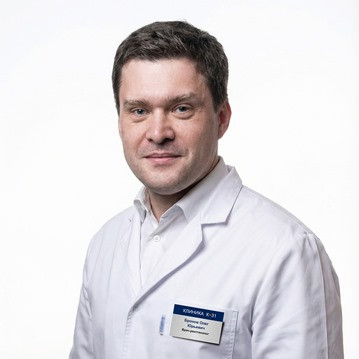
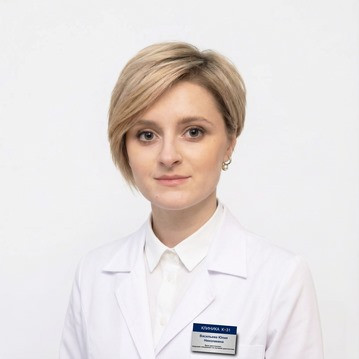
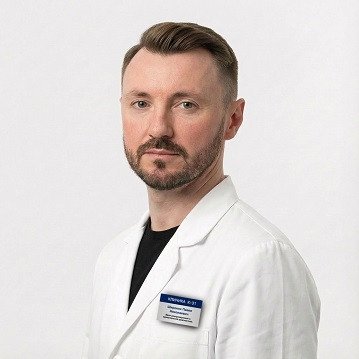



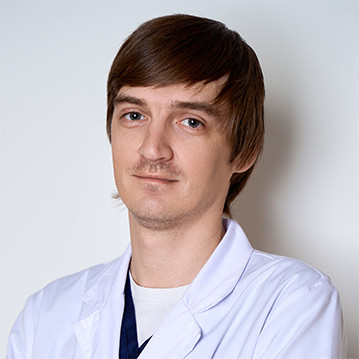

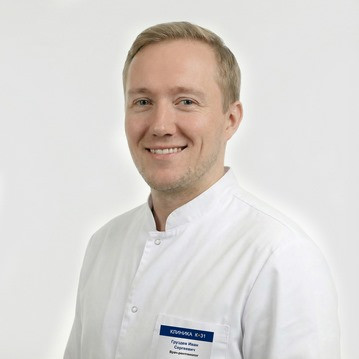

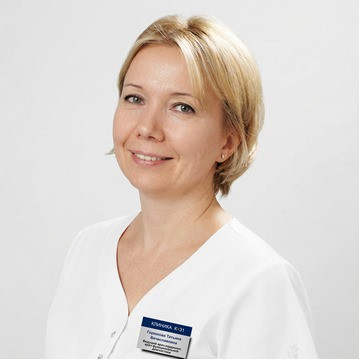





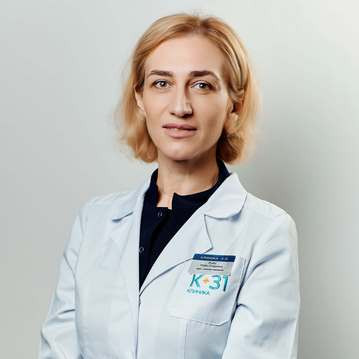
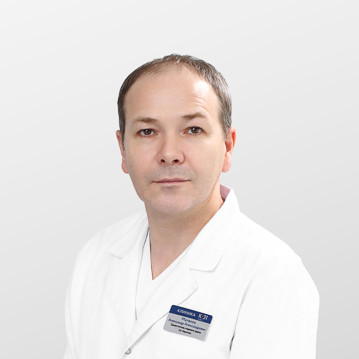
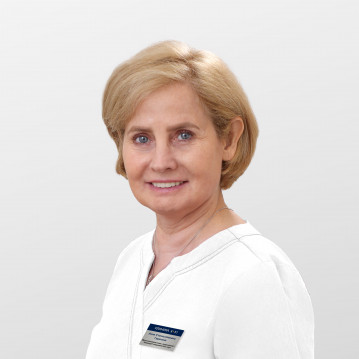
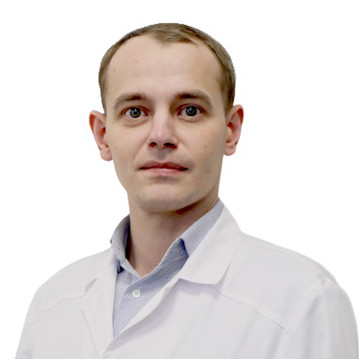



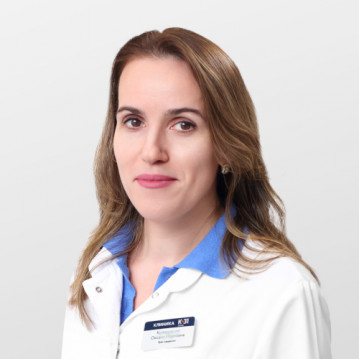






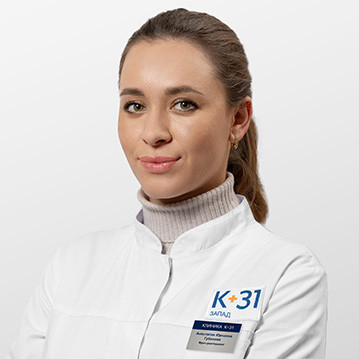
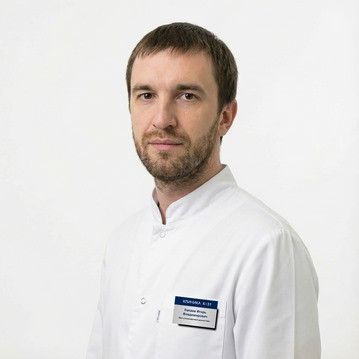


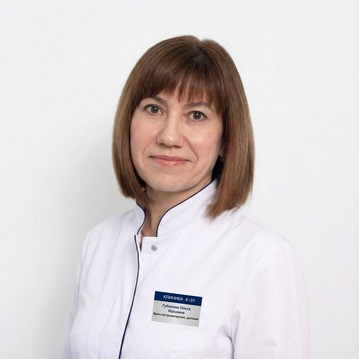

This award is given to clinics with the highest ratings according to user ratings, a large number of requests from this site, and in the absence of critical violations.

This award is given to clinics with the highest ratings according to user ratings. It means that the place is known, loved, and definitely worth visiting.

The ProDoctors portal collected 500 thousand reviews, compiled a rating of doctors based on them and awarded the best. We are proud that our doctors are among those awarded.
Make an appointment at a convenient time on the nearest date
Price
Other services

Appointment to the doctor
Reviews
Our clinics


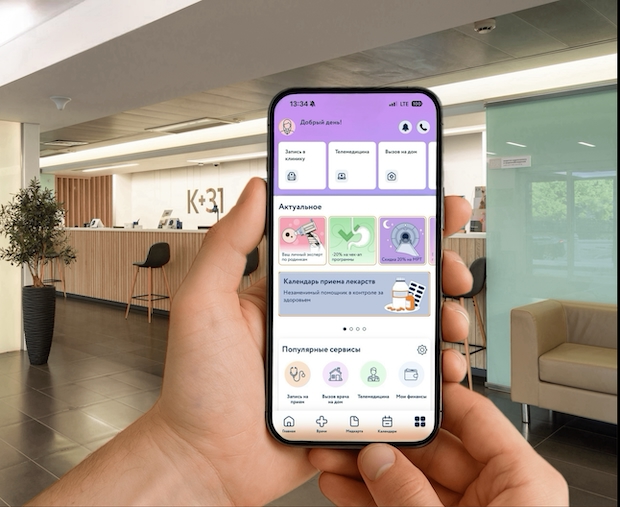
Application “Personal Account K+31”