
Fibroscan (elastometry) of the liver in Moscow
Liver diseases often develop silently and remain asymptomatic for a long time. As a result, pathologies are detected only in the late stages, when tissue has undergone significant fibrosis. To prevent complications, it is important to undergo liver elastography in a timely manner.

specialists

equipment

treatment



Indications for elastography
Indications for the procedure include:
- Chronic hepatitis
- Elevated liver enzymes (ALT, AST, GGT, etc.)
- Fibrosis
- Glycogenosis, hemochromatosis, Wilson-Konovalov disease
- Acute and chronic cholestasis
- Cirrhosis
- Toxic liver damage from alcohol, medications, Chemicals
- Monitoring after liver transplantation
- Monitoring patients taking antitumor, immunomodulatory, and antiviral drugs
In addition, the test is prescribed for obesity, metabolic syndrome, and diabetes, as these conditions increase the risk of inflammatory liver damage.
Contraindications to elastography
Limitations for the procedure include:
- Ascites. Fluid accumulation in the abdominal cavity makes measurements inaccurate or impossible. In such cases, the doctor selects another diagnostic method.
- Acute hepatitis. Edema distorts fibrosis indicators. They may be falsely elevated.
- Skin lesions, large tumors in the area being examined. Wounds, burns, and inflammation prevent the sensor from contacting the body, increasing the risk of infection.
- Shortness of breath. Patients with respiratory failure, bronchospasm, or severe asthma are unable to hold their breath during the procedure.
- Chest wall deformities. Congenital anomalies and trauma prevent the sensor from being placed in the intercostal spaces, which impairs contact with the liver and makes measurements less reliable.
- Implants in the liver, right hypochondrium, or chest area create acoustic interference and distort results.
- Acute heart failure causes congestion in the liver, temporarily increasing its density.
Severe pain in the right hypochondrium complicates diagnosis and affects the accuracy of measurements. After surgery, liver tissue may be inflamed and swollen, which can also distort the results.

How is liver elastography performed?
The procedure includes the following steps:
- The patient removes outer clothing and lies on their back or left side.
- A clear gel is applied to the skin over the liver to improve ultrasound wave conductivity.
- The transducer is placed between the ribs to provide direct access to the liver parenchyma and prevent bony obstructions.
- The device automatically analyzes the wave propagation speed and calculates liver stiffness values in kilopascals or meters per second.
- The physician evaluates the average values and compares them with the normal range.
- The gel is removed from the skin, and the patient returns to their normal activities.
During the examination, the patient may be asked to briefly hold their breath. This technique reduces liver movement and ensures tissue stability, improving measurement accuracy.

Preparation for elastography
Before the test, it is recommended to follow a number of rules:
- Abstain from food and coffee 4-6 hours before the procedure.
- Avoid legumes, cabbage, and carbonated drinks 1-2 days before, as they cause bloating.
- Avoid smoking and chewing gum to avoid stimulating gas in the gastrointestinal tract.
- Avoid intense physical activity.
You should also inform your doctor about any medications you are taking, recent surgeries, pregnancy, implants, and any chronic illnesses.
General information
Interpreting elastography results
The study results include the following parameters:
- Liver tissue stiffness (kPa) is a key numerical indicator that determines the stage of fibrosis.
- Number of measurements: To obtain reliable data, 10 or more measurements are taken at different points in the liver.
- Reliability Index (IQR/Median) shows the spread of data; a value of less than 30% is considered normal.
The METAVIR scale is used to interpret the results. It describes histological changes in the liver:
- F0-F1 — no pathology, stiffness is approximately 6-7 kPa
- F2 — moderate fibrosis, 7-9 kPa
- F3 — severe fibrosis, 9-13 kPa
- F4 — cirrhosis, over 14 kPa
Elastography parameters are not the only ones used in diagnosis. The doctor examines the data along with the results of laboratory, clinical, and other instrumental studies.



Our doctors























































This award is given to clinics with the highest ratings according to user ratings, a large number of requests from this site, and in the absence of critical violations.

This award is given to clinics with the highest ratings according to user ratings. It means that the place is known, loved, and definitely worth visiting.

The ProDoctors portal collected 500 thousand reviews, compiled a rating of doctors based on them and awarded the best. We are proud that our doctors are among those awarded.
Make an appointment at a convenient time on the nearest date
Price
Other services

Appointment to the doctor
Reviews









Our clinics


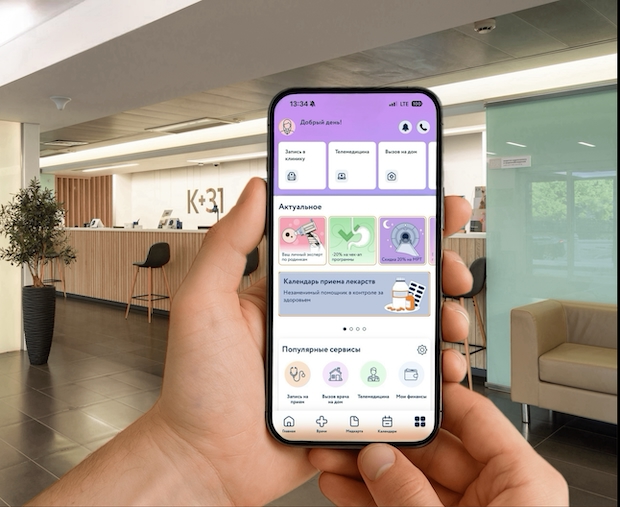
Application “Personal Account K+31”











Objectives and benefits of liver elastography
Elastography is a modern diagnostic method that uses ultrasound waves to affect tissue. The higher the tissue density, the faster the wave propagates, allowing one to determine the degree of hardening and fibrous damage to an organ.
The main objectives of the study are:
In cases of unstable hemodynamics, severe blood clotting disorders, acute infections, and sepsis, elastography is performed instead of a biopsy. It eliminates the risk of massive infection spread and damage to surrounding tissues.
The advantages of elastometry include:
The procedure is performed on an outpatient basis, eliminating the need for a hospital stay, saving time and reducing the burden on the patient.