
Стресс-эхокардиография сердца
Стресс-эхокардиография (стресс ЭХОКГ) – это ультразвуковой метод, который позволяет оценить, как сердце и миокард работают не только в покое, но и во время нагрузки. По сути, это УЗИ сердца (эхокардиография, эхо-кг/эхокг), совмещенное с контролируемым стресс-тестом и одновременной регистрацией ЭКГ. Исследование помогает увидеть скрытые нарушения, которые в спокойном состоянии могут не проявляться, и уточнить диагностика при жалобах на боль, одышку или снижение выносливости.
Дополнительно врач оценивает, как меняется давление и частота пульса при поэтапном увеличении нагрузки, чтобы понять реакцию сердечно-сосудистой системы в целом. Такой тест особенно информативен, когда симптомы появляются именно при активности, а обычное эхо-кг в покое выглядит удовлетворительно. Для пациента это доступный способ смоделировать привычную нагрузку (быстрая ходьба, подъем по лестнице) в контролируемых условиях медицинского центра.

специалисты

оборудование

лечения



Показания к стресс-эхокардиографии
Показания подбирает врач на приеме: учитываются жалобы пациента, анамнез, результаты ЭКГ, УЗИ/эхокг в покое и общий риск сердечно-сосудистых событий. Ниже – типичные ситуации, когда проведение теста действительно полезно.
- Подозрение на ишемию, стенокардию, скрытую коронарную проблему при нагрузке
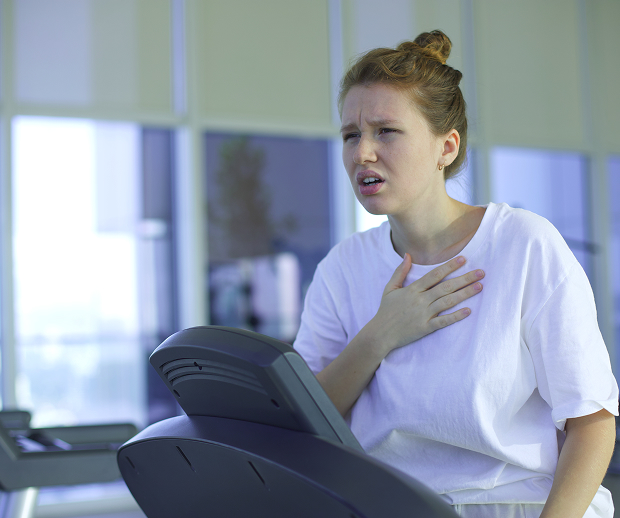
- Боли или дискомфорт в груди, которые возникают при ходьбе, подъеме по лестнице, спорте
- Одышка, снижение переносимости нагрузки без ясной причины
- Уточнение значимости клапанных изменений и их влияния на работу сердца
- Контроль после лечения и реабилитации, чтобы понять динамику
- Оценка функционального состояния перед плановыми процедурами (по назначению)
Окончательное решение, как именно будет проводиться исследование и какая нагрузка подойдет, принимает медицинский специалист с учетом безопасности и задач диагностики.

Показания к стресс-эхокардиографии (противопоказания)
Перед тем как сделать стресс-эхокардиографию, врач обязательно исключает состояния, при которых нагрузочный тест может быть опасен. Важно: противопоказания – это не запрет навсегда, а критерии безопасности; иногда исследование переносят, иногда выбирают более щадящий метод или другую схему диагностики.
Абсолютные противопоказания к стресс-ЭХОКГ
Есть ситуации, при которых проведение теста откладывают и сначала стабилизируют состояние пациента. Ниже приведены наиболее типичные абсолютные ограничения.
- Острые сердечные состояния (например, нестабильная ишемия/острый коронарный синдром)
- Выраженные нарушения ритма с риском ухудшения при нагрузке
- Тяжелая сердечная недостаточность в стадии декомпенсации
- Неконтролируемое высокое давление с плохим самочувствием
- Острые воспалительные процессы, лихорадка, тяжелые инфекции
Если есть хотя бы один пункт, врач обычно выбирает другой диагностический маршрут и возвращается к стресс-тесту позже, когда риск станет приемлемым.

Относительные противопоказания к стресс-ЭХОКГ
Иногда исследование возможно, но требует подготовки, более тщательного контроля ЭКГ и выбора меньшей нагрузки. Такие ограничения называют относительными – решение принимает врач индивидуально.
- Умеренно повышенное давление, требующее коррекции
- Анемия, выраженная слабость, недавние острые заболевания
- Заболевания опорно-двигательного аппарата, мешающие физической нагрузке
- Выраженная тревога, невозможность сотрудничать во время теста
- Некоторые пороки клапанов и изменения, где нужна особая осторожность
В этих случаях пациенту могут предложить иной тип нагрузки, другой темп или дополнительное наблюдение, чтобы стресс-эхокардиография прошла безопасно.
Общая информация
Подготовка к стресс-эхокардиографии
Подготовка обычно несложная, но она влияет на точность. Как правило, советуют прийти не натощак и не после плотной еды, взять результаты прошлых обследований (эхокг, ЭКГ, выписки) и надеть удобную одежду. Отдельные лекарства отменяют или оставляют только по согласованию с врачом – самостоятельно менять терапию не нужно. Также лучше за 24 часа ограничить алкоголь и тяжелые тренировки, чтобы реакция на нагрузку была более корректной. Если у пациента есть ингалятор, нитроглицерин или другие препараты на случай приступа, стоит взять их с собой и заранее сказать об этом врачу на приеме.
Почему сделать стресс-эхокардиографию лучше в клинике «К+31»
При планировании стресс-эхокардиографии важны три вещи: опыт врача, техническая база, удобный сервис. Этими составляющими располагает наша клиника. Также у нас удобно записаться на диагностику, и сделать это можно онлайн или по телефону, который указан на сайте. При необходимости вы пройдёте путь обследования целиком, получите первичную консультацию, дополнительную диагностику, последующий план лечения.
И ещё один плюс нашей клиники – это маршрутизация. Если по результатам исследования вам придется выполнить дополнительное обследование, УЗИ, лабораторную диагностику или получить консультацию кардиолога, все это также можно сделать в нашем центре. Вы не теряете время, быстро проходите необходимые исследования, получаете план лечения.

Цена на стресс-эхокардиографию в Москва зависит от протокола (тип нагрузки, длительность, объем мониторинга), а также от того, включена ли консультация и заключение. В клиниках стоимость обычно указывается в рублях и фиксируется в прайсе, чтобы пациент заранее понимал бюджет и мог сравнить варианты. Уточнить актуальную цену и доступные слоты для записи удобнее всего через сайт или по телефону клиники.
Наши врачи



































Такая награда выдаётся клиникам с самым высоким рейтингом по оценкам пользователей, большим количеством обращений с данной площадки, при отсутствии критичных нарушений.

Такая награда выдается клиникам с самым высоким рейтингом по оценкам пользователей. Она означает, что место знают, любят и сюда точно нужно зайти.

Портал ПроДокторов собрал 500 тысяч отзывов, составил по ним рейтинг врачей и наградил лучших. Гордимся, что среди награжденных есть наши врачи.
Запишитесь на прием в удобное время на ближайшую дату
Стоимость

Запись к врачу
Отзывы

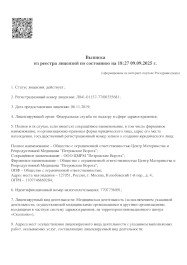
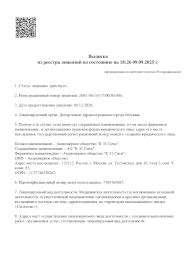
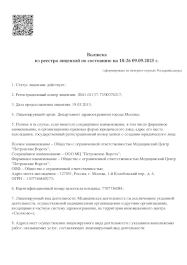
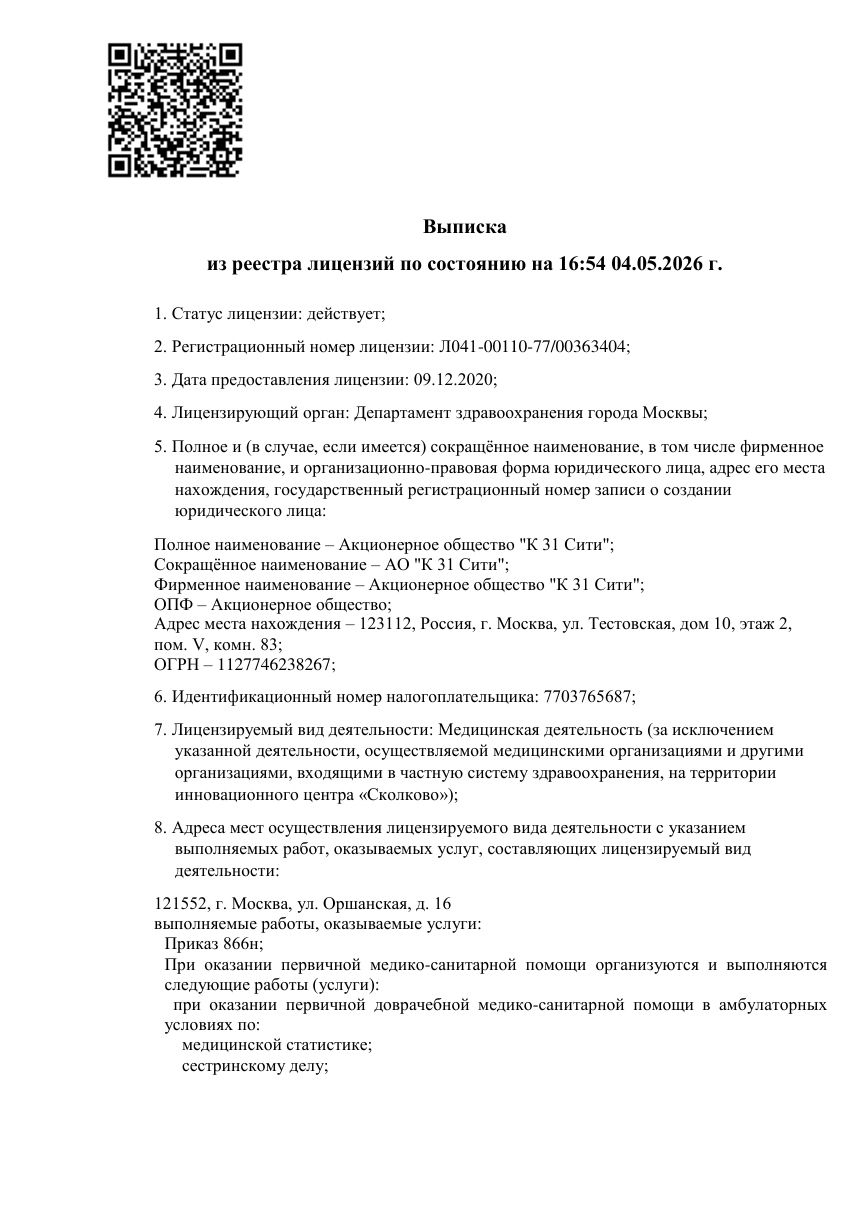
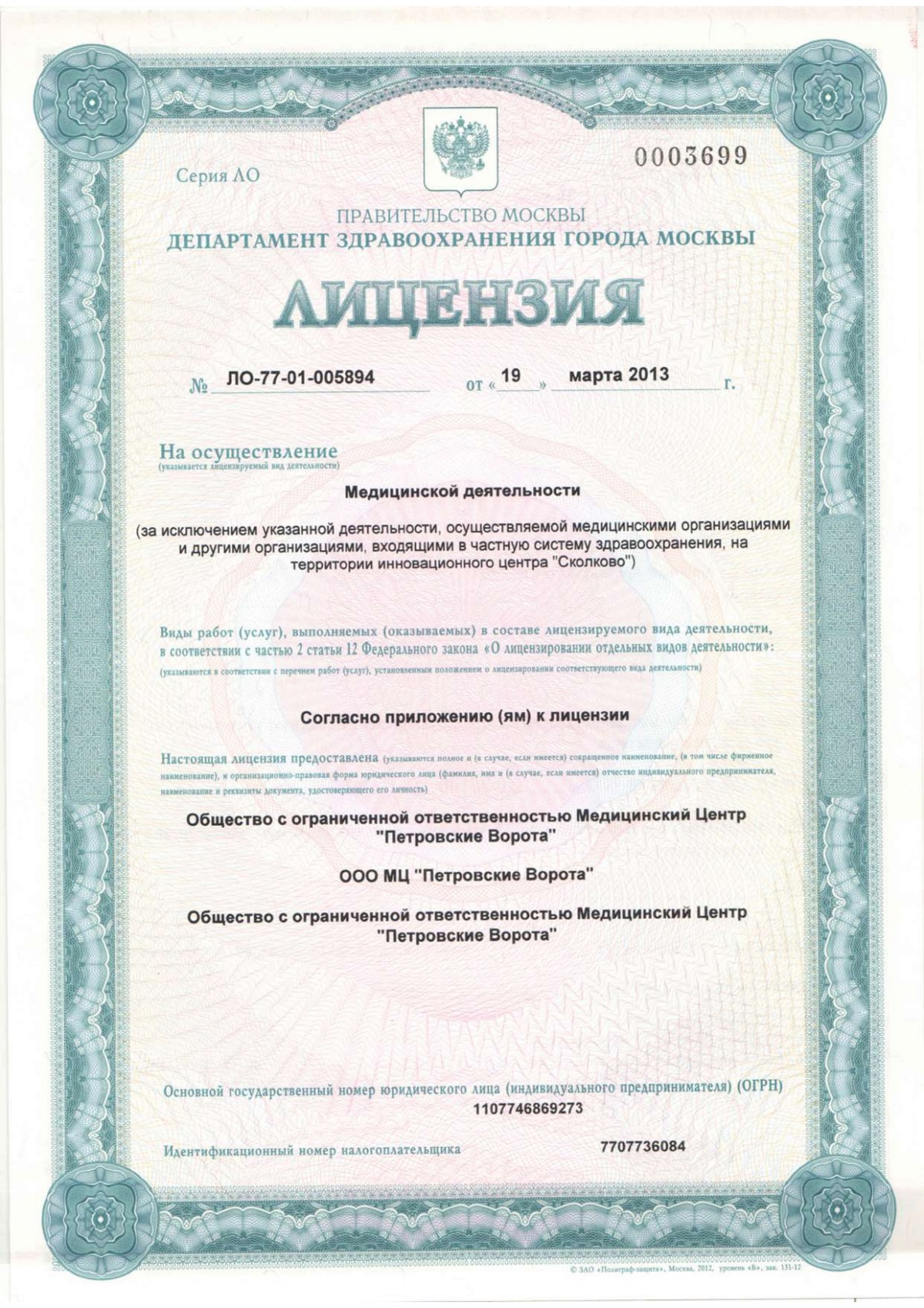
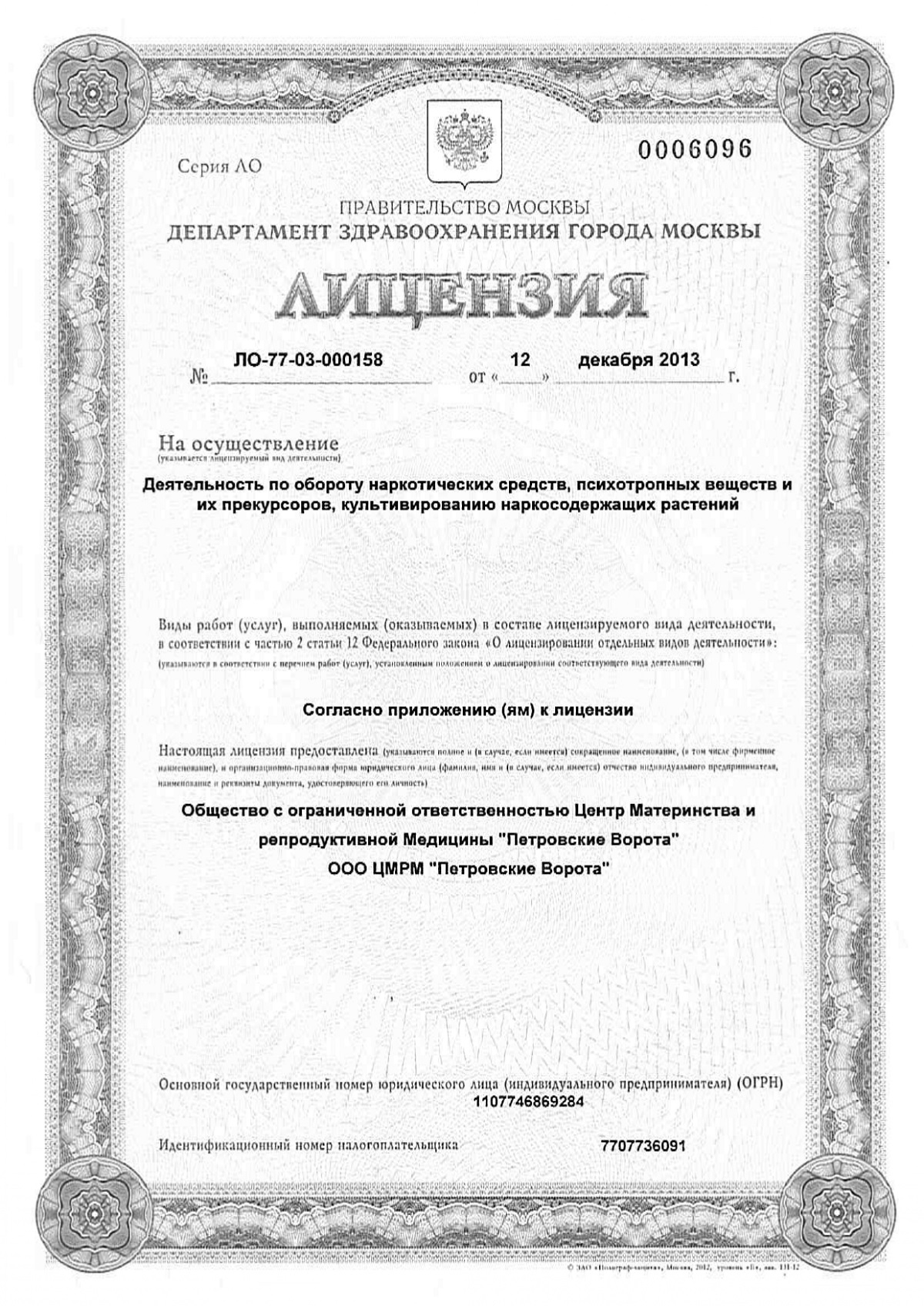
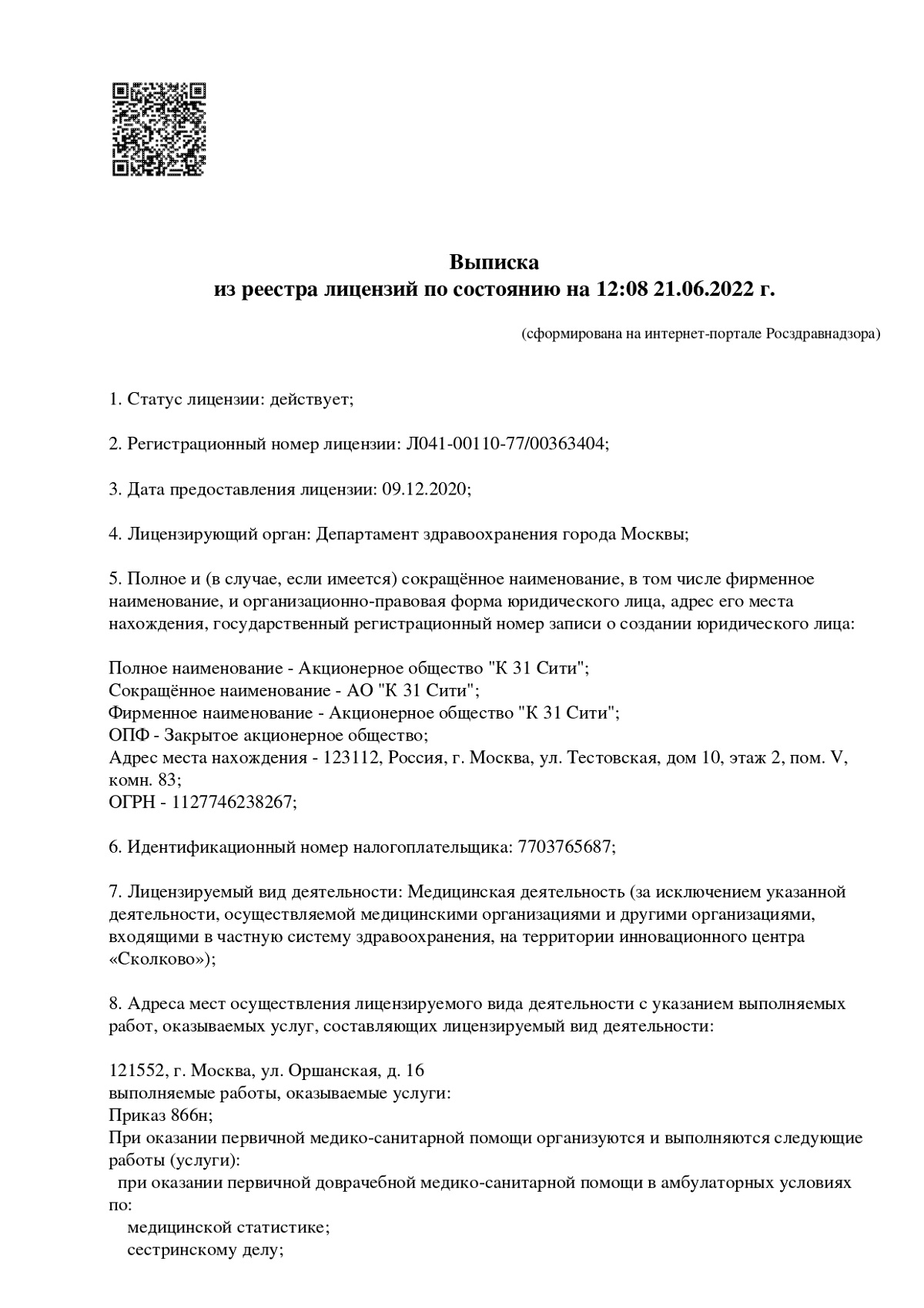
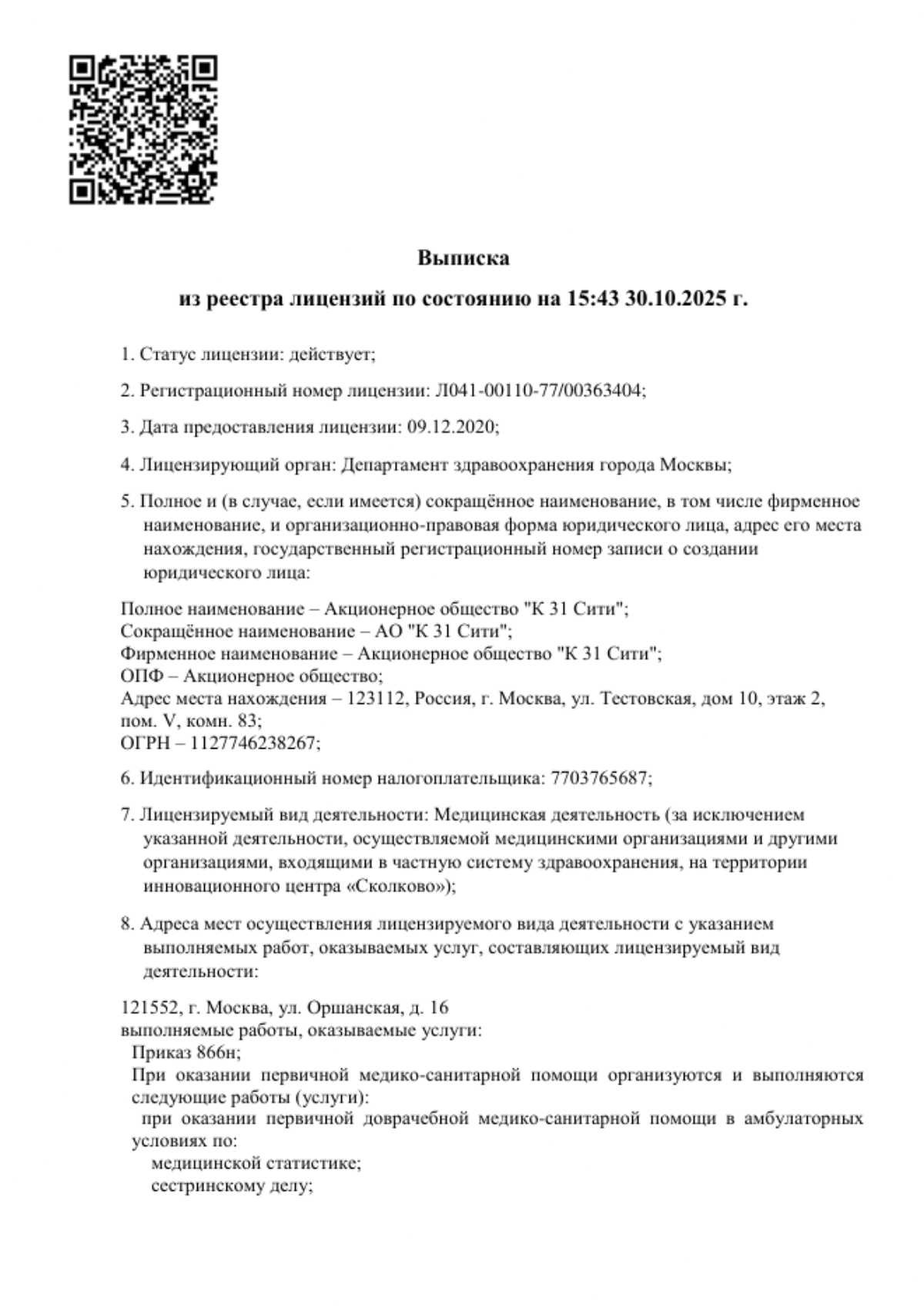
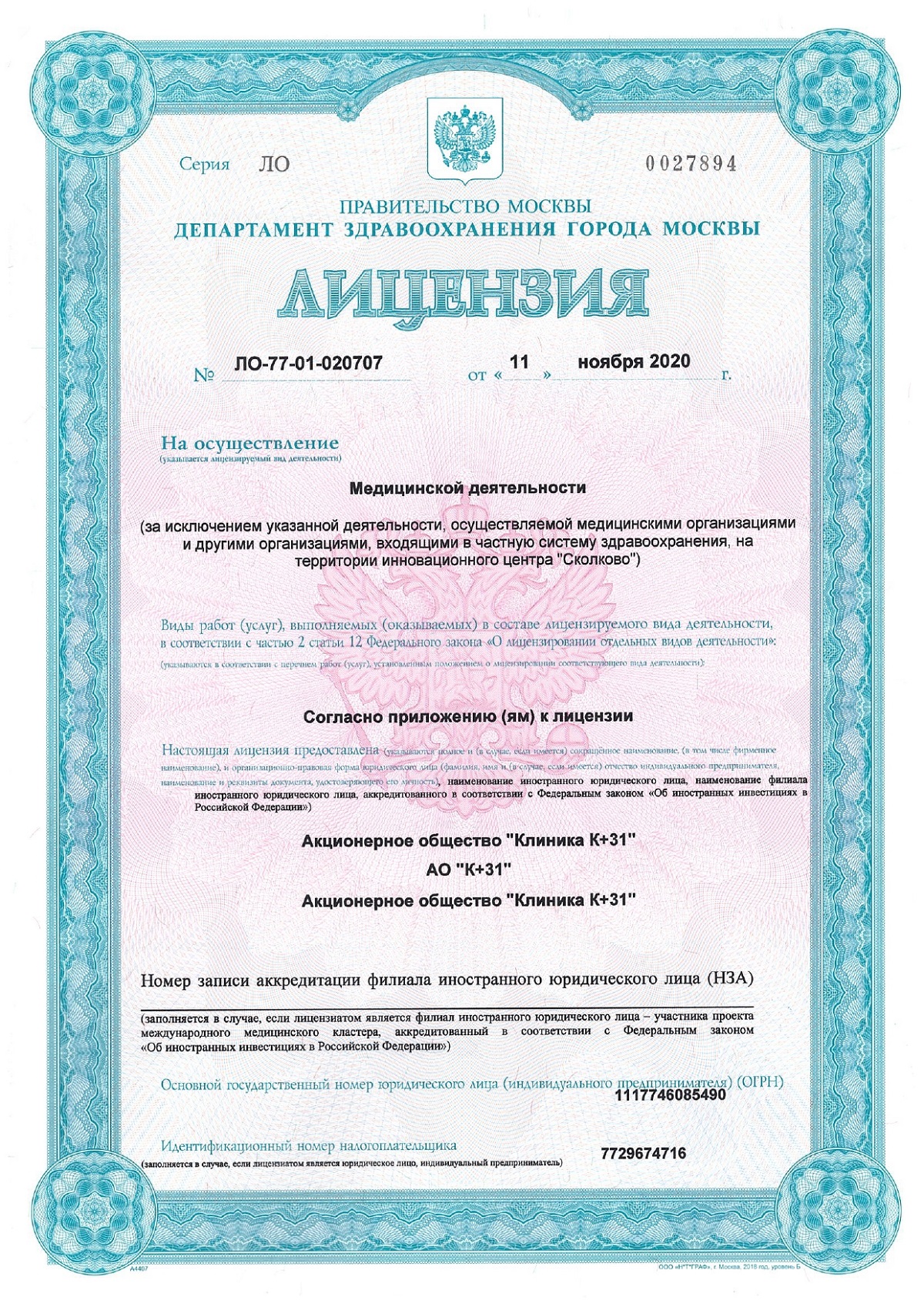
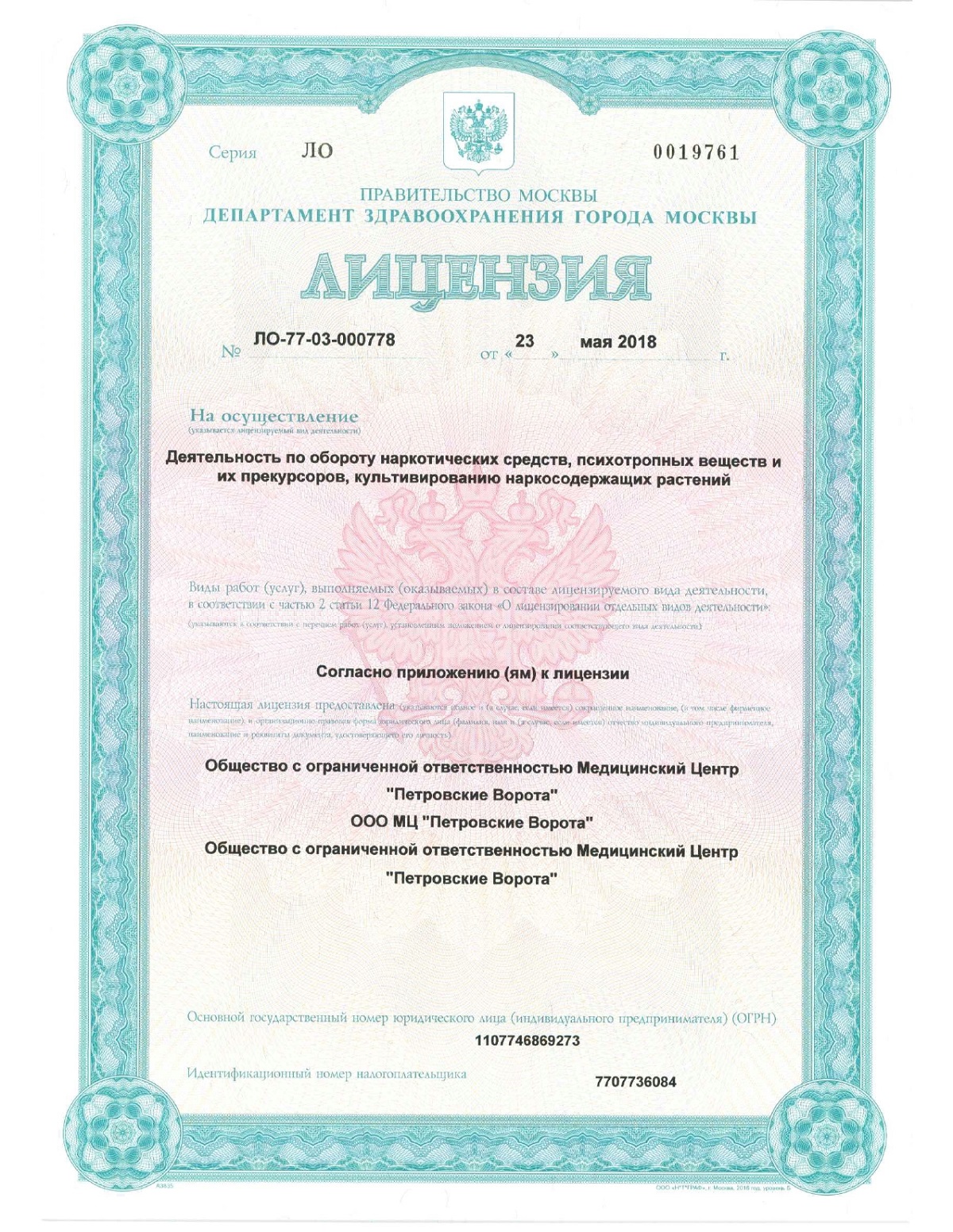
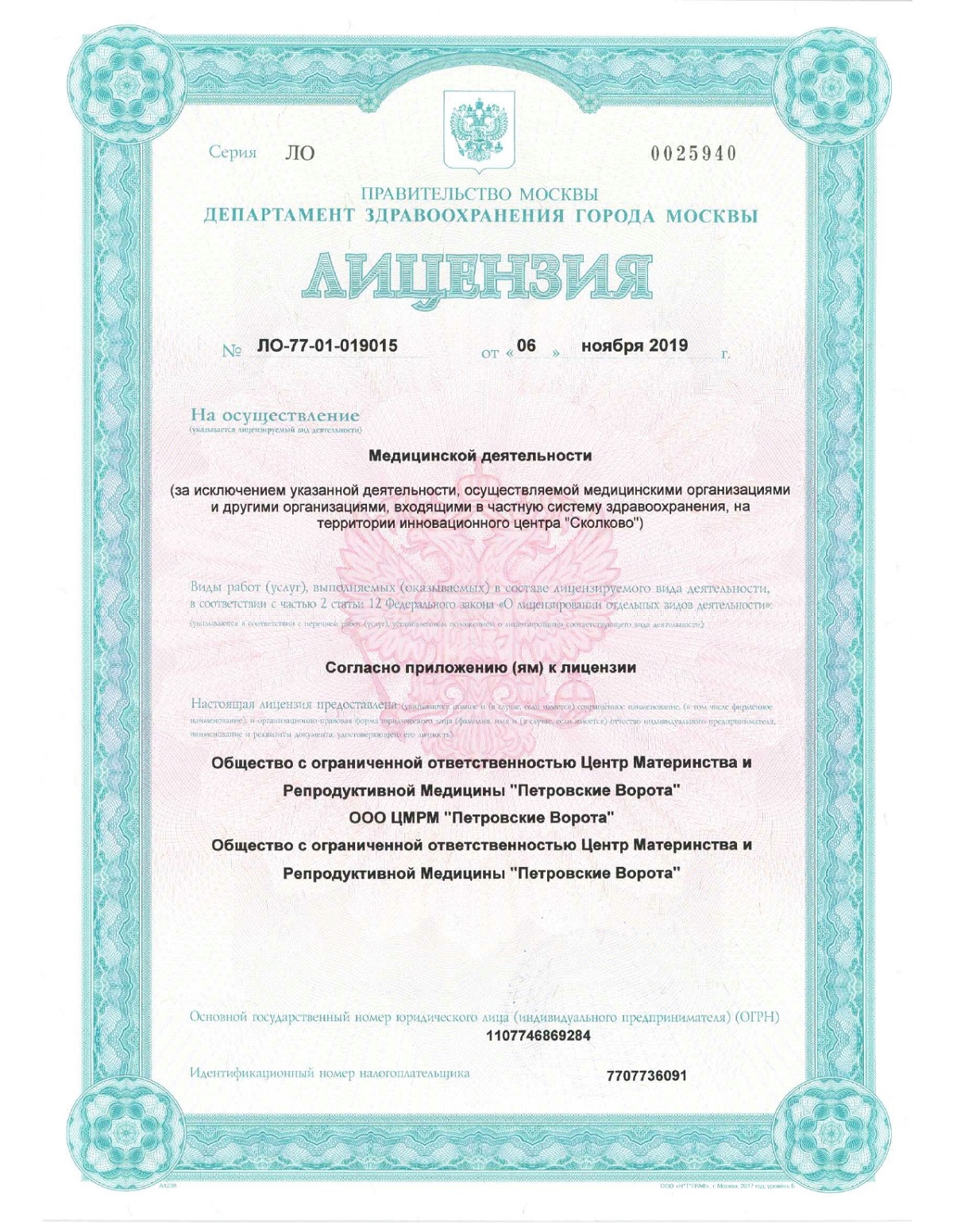
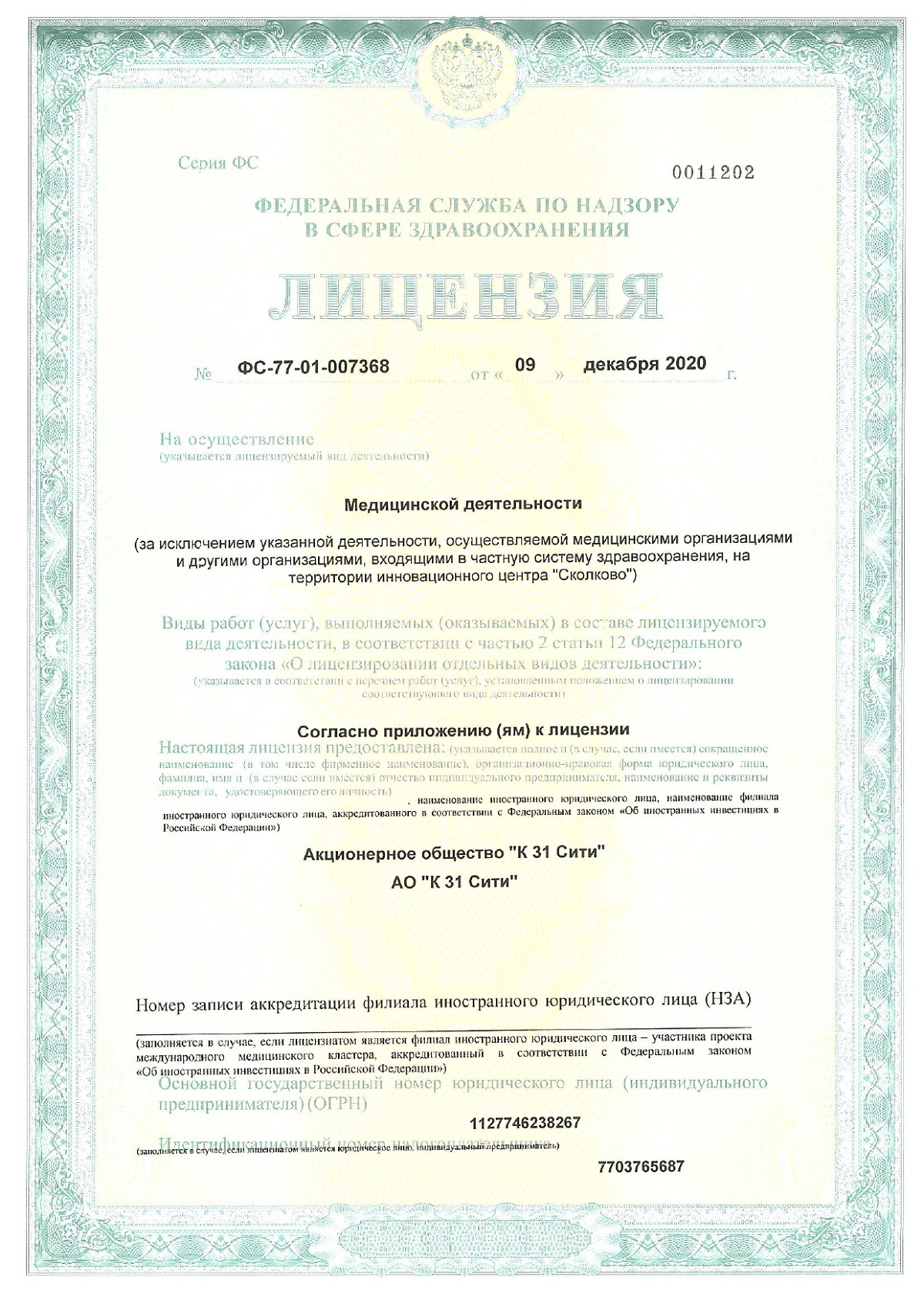
Наши клиники


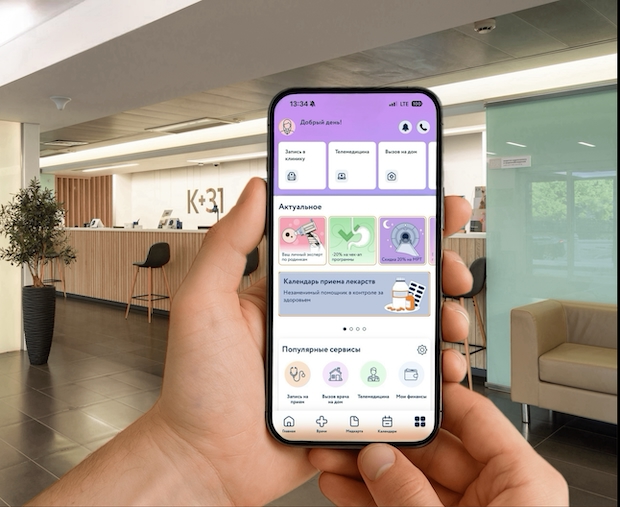
Приложение «Личный кабинет К+31»










Цель стресс-эхокардиографии
Главная цель – понять, хватает ли миокарду кровоснабжения при увеличении потребности в кислороде и как меняется сократимость сердца на фоне физический нагрузки. Стресс эхокардиография с физической нагрузкой помогает врачу оценить функциональные резервы, сравнить данные ЭКГ и ультразвуковой картины, а также выбрать тактику лечения или наблюдения. Кроме того, метод удобен для контроля эффективности терапии и оценки рисков перед некоторыми вмешательствами.
Еще одна задача – определить безопасный уровень активности: какую нагрузку пациент переносит без признаков ишемии и ухудшения функции сердца. Иногда исследование позволяет уточнить, связаны ли жалобы с сердцем или вероятнее имеют другую причину, что экономит время на дальнейшей диагностике. В результате врач получает более полную картину, чем при изолированном ЭКГ-тесте, потому что видит реакцию миокарда «глазами УЗИ» в момент стресса.