
Ultrasound of the scrotum (testicles in men)
Due to its painlessness, speed of execution, and lack of side effects, ultrasound has become the standard for the initial diagnosis of many pathological conditions, allowing doctors to quickly obtain a complete clinical picture and begin treatment promptly.

specialists

equipment

treatment







Indications for a Scrotal Ultrasound
An ultrasound examination is prescribed by a doctor if there are certain concerns or suspicious symptoms. This diagnostic procedure can also be performed for preventative purposes. Ultrasound is a key diagnostic technology that allows for the early detection of pathologies and the necessary measures for early surgical intervention.
The specialist carefully examines the internal structure, size, and general condition of the gonads and their appendages. It is important to pay attention to the following warning signs that signal the need to consult a specialist:
- Pain or discomfort in the scrotum and groin area that occurs during bowel movements, intimacy, or physical exertion
- Change in size - one testicle is visually enlarged relative to the other, there is a feeling of heaviness or a prolapsed organ
- Swelling, hyperemia, and increased temperature of the skin of the scrotum
- The appearance of lumps, nodules, or changes in tissue density
- Presence of traces of blood in the seminal fluid (hemospermia)
- Problems with fertilization
- Physical trauma to the scrotum - a blow, cut, injury during sports
If these symptoms are detected, it is advisable to Make an appointment with a doctor who can recommend the appropriate examination.
Contraindications for Scrotal Ultrasound
Despite the safety and simplicity of the method, there are special conditions under which an ultrasound requires a special approach or is completely contraindicated.
Absolute Contraindications
Situations when the procedure is strictly prohibited:
- Open scrotal injuries accompanied by signs of active infection or massive bleeding
- Severe inflammatory processes in the scrotum
If these factors are present, the examination is postponed until the scrotal organs have recovered.
Relative Contraindications
There are a number of situations in which ultrasound is permitted, but it carries increased risks and requires special caution:
- Severe pain in the scrotum
- Presence of dermatological diseases in the area being examined that affect the quality of the results obtained
For patients with obesity or large inguinal hernias, the procedure may be difficult due to limited visibility of the scrotal organs.
Age Restrictions
The examination is suitable for people of all ages. However, ultrasound is rarely prescribed for young children because the symptoms are often vague, and it is difficult to explain to boys the importance of remaining still during the procedure.
Doctors recommend that adult men regularly have their health checked with ultrasounds. This examination is especially important after age 40, when the risk of various male diseases increases.
Preparing for an ultrasound of the scrotum
Getting the clearest picture of the scrotum and groin area using ultrasound requires little preparation. However, following a few simple tips will improve the accuracy and informativeness of the examination. No special diet or medication is required for a routine examination. The main requirement is easy access to the examination site and maintaining cleanliness in the area being examined.
Hygiene recommendations
Before visiting the ultrasound room, be sure to cleanse your skin with a warm shower and put on fresh underwear. This will ensure the equipment is clean and the patient is comfortable.
Features of preparing children
A child can simply undergo routine hygiene and be given something entertaining, such as a favorite toy or an interesting book. This will help the little patient feel less anxious and get used to the diagnostic process more quickly.
Should I shave my hair?
There's no need to specifically remove hair from the genital area. If the hair is very thick, your doctor may suggest trimming it carefully to allow the sensor to adhere more closely to the skin and improve signal quality.
How is a scrotal ultrasound performed?
A scrotal ultrasound examination doesn't require much time or patience—it's simple and painless. The device creates an image of the internal structure of the testicles and adjacent areas, helping to identify inflammation, tumors, or injuries, for example.
Procedure
Before a scrotal ultrasound, the man removes his clothing and lies down on a medical table, pressing his genitals against his abdomen. The doctor then covers the genital area with a thin layer of transparent acoustic gel, which facilitates ultrasound penetration into the tissue. The next step is to place the ultrasound transducer on the lubricated area.
The device generates high-frequency sound pulses that pass through the body and return with varying degrees of intensity. A specialized computer program converts the incoming signals into visual graphic images, displaying the smallest details of the internal structure of the examined areas on the screen.
Duration of the examination
A scrotal ultrasound examination is short—usually only 10–15 minutes. During this time, the doctor has time to carefully examine the condition of the testicles, epididymis, and surrounding tissues.
Equipment and sensors used
The diagnostic procedure involves the use of modern medical equipment—powerful ultrasound devices with high-precision linear sensors. These devices are capable of detecting the smallest tissue changes, guaranteeing 100% diagnostic reliability.
Sensations during the procedure
The procedure itself is comfortable. Patients feel only the gentle touch of the sensor and the slight coolness of the gel. Proper preparation completely eliminates any discomfort, allowing you to experience complete peace of mind during the procedure.

What does a scrotal ultrasound show?
Scrotal ultrasound allows:
- Accurately determine the location, size, and maturity of the testicles
- Detect acute inflammatory processes in the tissues of the testicles and their appendages
- Detect various neoplasms (including tumors and cysts)
By expanding the scope of classical ultrasound with the addition of Doppler vascular analysis, it is possible to thoroughly assess blood circulation in the testicles, determining how effectively the testicular tissues are supplied with blood.
Pathologies detected by ultrasound of the scrotum
Scrotal ultrasound can detect a variety of male conditions and pathologies, including:
- Absence of the testicles themselves, caused by congenital defects
- Small or poorly defined testicles
- Abnormalities in the veins located in the spermatic cords
- Varicose veins, known as varicocele
- Fluid accumulation around the testicles, called hydrocele
- Formation of fluid-filled cysts in the testicles, called spermatoceles
- Inflammation of the testicle itself, known as orchitis
- Inflammation of the epididymis, known as epididymitis
Any of these issues, if left unaddressed, can lead to serious consequences.

Characteristics in children and athletes
Children require a special approach: young children are afraid of unfamiliar procedures, and teenagers are shy about being naked. Doctors strive to create a friendly atmosphere, and parents are present to support the child.
Athletes face special challenges: frequent training increases stress on muscles and ligaments, causing microtraumas and strains. Testicular injuries are a common problem, especially in martial arts and team sports.
When examining an athlete, the doctor pays special attention to possible inflammation, varicose veins, tumors, or hematomas. A key aspect of diagnostics in athletes is understanding the impact of regular training on the body. For example, some athletes take medications that increase testosterone production, which can affect the size and density of the testicles.

Prevention and surveillance
After a scrotal ultrasound, it's important to monitor your health and consult a doctor promptly if new complaints arise. Here are the main tips:
- Repeat ultrasounds annually, especially if minor problems are detected or if you belong to a high-risk group (athletes, men over 40).
- It's important to pay attention to your well-being: any unusual sensation in the scrotum, pain, swelling, or blood in the semen is a reason to urgently visit a urologist.
- Maintain a healthy lifestyle: a healthy diet and moderate exercise strengthen the immune system and reduce the risk of illness.
- Beware of injuries to the scrotum and groin area, especially during active sports.
It's important to remember that preventing pathologies is much easier and cheaper than long-term treatment.
General information
Scrotal ultrasound with Doppler imaging
Scrotal ultrasound with vascular mapping is a modern method that combines a standard ultrasound examination with a detailed study of blood circulation. In addition to a standard anatomy scan, this technique provides comprehensive information on blood flow and the condition of the vascular network, making diagnostics more accurate and effective.
How the Doppler Works
The device operates based on the Doppler effect: it captures the reflection of ultrasound signals from moving blood cells, records frequency fluctuations, and creates visual maps of the vessels, allowing one to calculate blood flow velocity and identify obstructions.
When is Doppler ultrasound prescribed?
A doctor prescribes this diagnostic procedure if there is a suspicion of varicose veins, concern about testicular torsion, a desire to clarify the vascular supply around tumors, or concerns about the cause of erectile dysfunction or chronic inflammatory processes.
The value of this method in infertility
Examination of the veins and arteries of the scrotum is critical for determining the causes of infertility in men. Dilated veins, decreased oxygen supply to the testicles, or subtle inflammation are common causes of decreased fertility in men. Doppler ultrasound helps choose the right treatment strategy and restore fertility.



FAQ
Will an ultrasound help determine the cause of low sperm motility?
Sometimes it helps if the problem is caused by circulatory problems or cysts. But more often, further testing, such as a semen analysis, is needed for complete clarity.
Is it true that they recommend getting an ultrasound every six months?
Only if problems have been identified or the person is at risk. There's no point in running for an ultrasound without a clear indication.
Can ultrasound affect potency?
No, ultrasound is completely safe and does not affect erections. The radiation from the machine is completely harmless.
Our doctors

























































This award is given to clinics with the highest ratings according to user ratings, a large number of requests from this site, and in the absence of critical violations.

This award is given to clinics with the highest ratings according to user ratings. It means that the place is known, loved, and definitely worth visiting.

The ProDoctors portal collected 500 thousand reviews, compiled a rating of doctors based on them and awarded the best. We are proud that our doctors are among those awarded.
Make an appointment at a convenient time on the nearest date
Price
Other services

Appointment to the doctor
Reviews







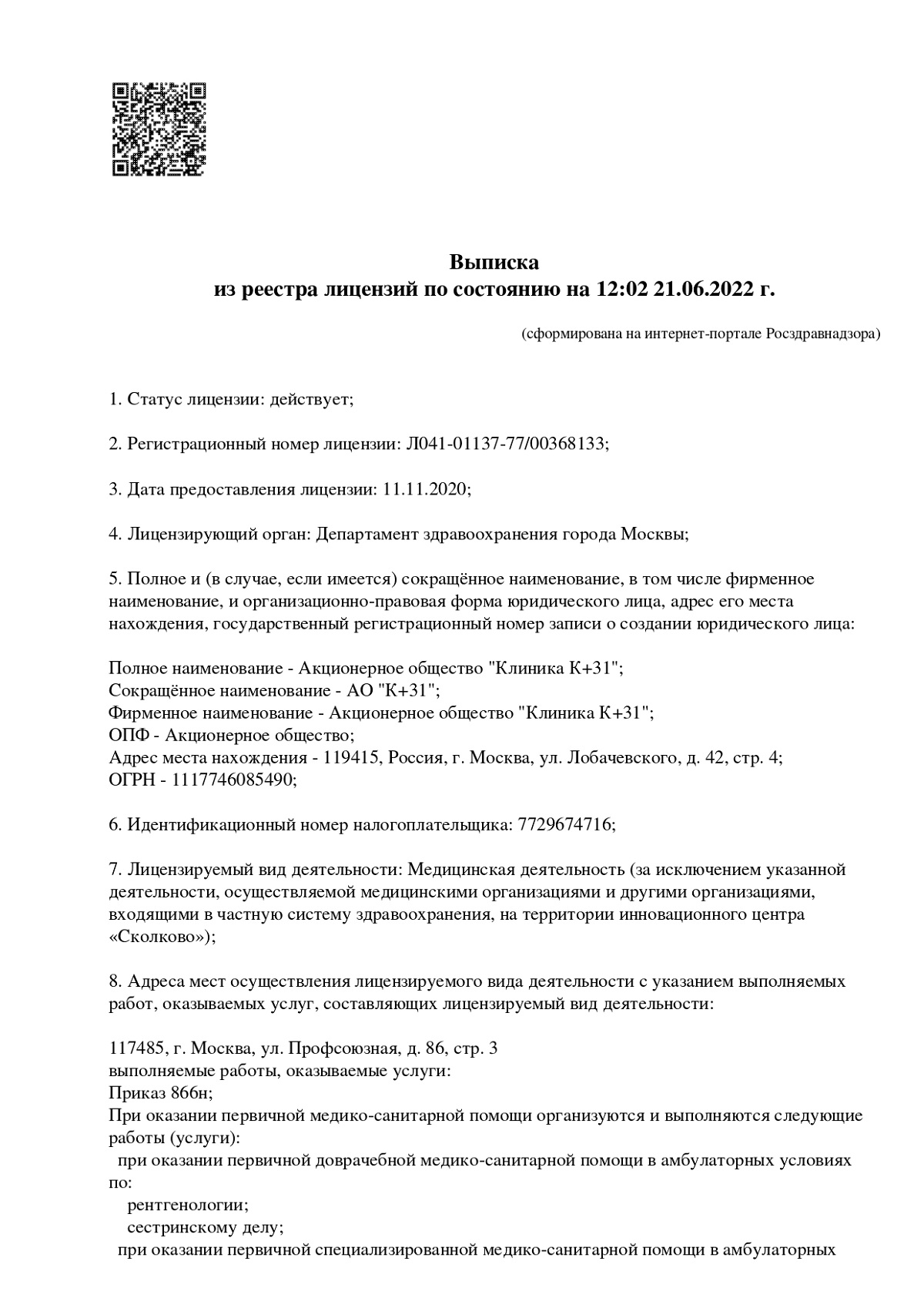
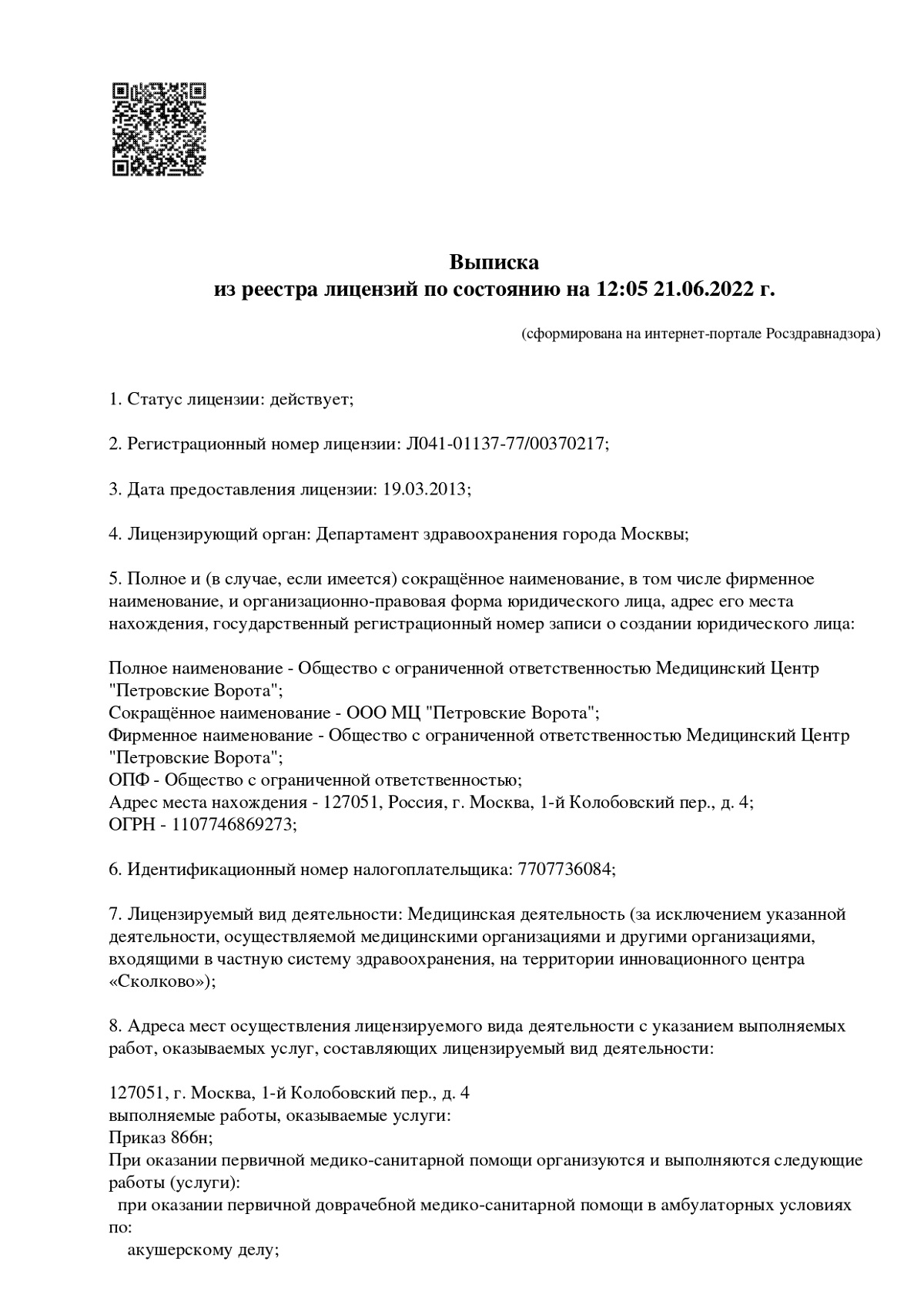
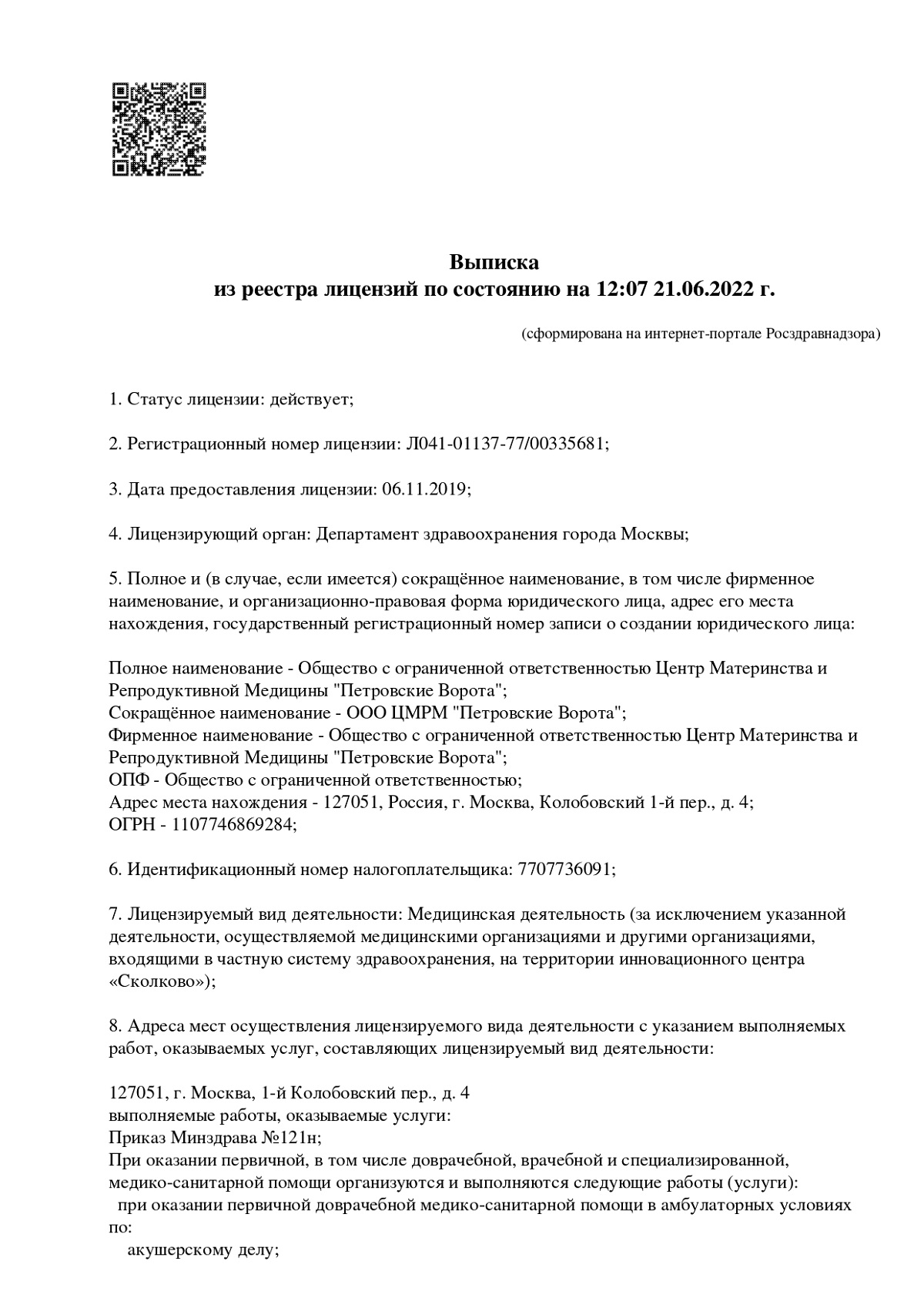



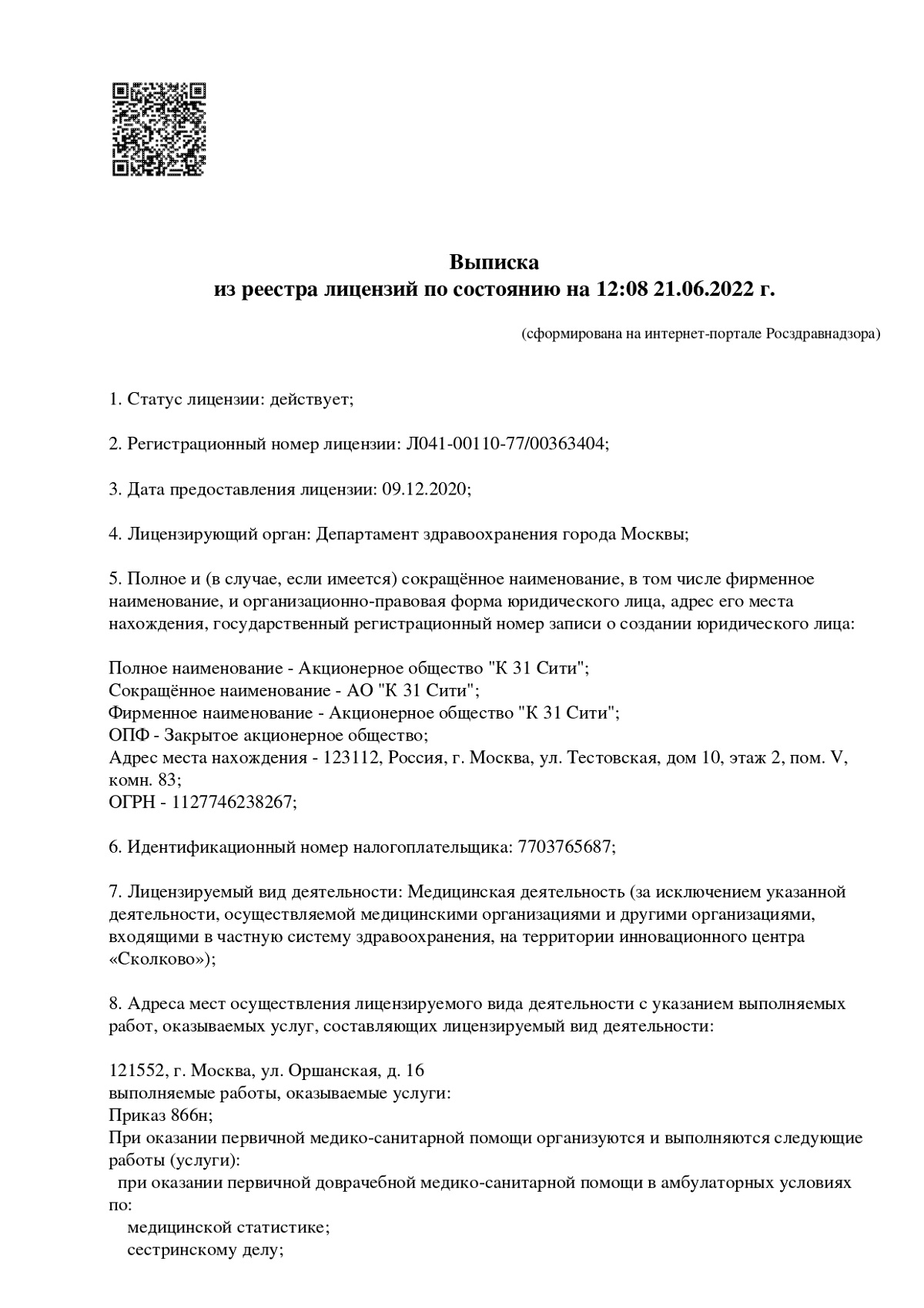




Our clinics


Application “Personal Account K+31”











What is a scrotal ultrasound?
Scrotal ultrasound (US) is an effective tool in modern medicine designed to accurately diagnose a wide range of urological and reproductive diseases in men.
This method allows for the assessment of the testicles, epididymis, spermatic cords, and surrounding soft tissues, ensuring the early detection of tumors, cysts, varicoceles, hydroceles, and other potentially serious conditions.