
Ultrasound Doppler Scan of the Brachiocephalic Arteries (BCA)
Recurrent headaches, dizziness, and decreased concentration often indicate problems with blood circulation in the vessels of the cervical spine and brain. To determine how freely blood flows and whether tissue nutrition is impaired, a doctor may refer the patient for an ultrasound scan of the brachiocephalic arteries (BCA) – an informative and safe ultrasound examination.
At the K+31 Clinic, this examination is performed by experienced specialists using high-precision, expert-class ultrasound equipment. Duplex scanning of the brachiocephalic vessels is safe, painless, and suitable for patients of any age.

specialists

equipment

treatment






Indications for the procedure

A doctor prescribes an ultrasound of the brachiocephalic vessels if a patient complains of symptoms indicating impaired cerebral blood flow. The test is also recommended for people with chronic heart and vascular diseases, diabetes, high blood pressure, or a hereditary predisposition to stroke.
Headaches
Frequent or severe headaches are one of the main reasons for examining the vessels of the neck and head. Narrowing of the arteries leads to oxygen deprivation of the brain, which causes throbbing or pressing pain. The test helps determine the degree of impaired blood flow and select the appropriate treatment.
Dizziness
Dizziness, especially when turning the head, is often associated with impaired blood flow in the vertebral arteries. Ultrasound Doppler imaging of the brachiocephalic arteries (BCA) can detect vascular compression or changes in vascular patency and prevent the development of cerebral ischemia.
Fainting
Loss of consciousness can result from a short-term reduction in cerebral blood flow. Ultrasound Doppler imaging of the brachiocephalic arteries (BCA) helps the physician determine whether there are any problems with blood flow to the brain and whether the patient requires further examination.
Sleep Disorders
Chronic insomnia, difficulty falling asleep, and frequent nighttime awakenings often arise from vascular disorders. Duplex scanning of the brain's central arteries helps rule out circulatory disturbances affecting the sleep-wake centers.
Persistent or Transient Visual Disturbances
If a patient experiences episodes of temporary decreased vision or blurred vision, the doctor may recommend a duplex ultrasound of the brain's central arteries. This examination reveals disturbances in blood flow to the visual centers of the brain, which is important for the prevention of stroke and optic nerve hypoxia.
Flickering Spots, Blurred Vision
The appearance of spots and blurred vision is an early sign of impaired blood flow to the retina or cerebral vessels. Ultrasound examination of the arteries of the neck and head can help identify the cause and prevent complications.
Tinnitus, Ringing in the Head
Noise, ringing, or pressure in the ears may indicate a venous outflow obstruction or narrowing of the vertebral arteries. Ultrasound Doppler imaging of the neck vessels allows for assessment of venous blood flow and the exclusion of pathological changes affecting the inner ear and auditory nerve.
Contraindications

Ultrasound Doppler imaging of the brachiocephalic vessels is considered safe and has no absolute contraindications. The method does not involve radiation and has no harmful effects on the body. However, the examination may be postponed in the following cases:
- Acute infectious diseases with fever
- Cervical spine injuries
- Severe skin inflammation in the neck
- Patient inability to remain still
In other cases, the procedure is performed without restrictions and does not require recovery.
Advantages and disadvantages of ultrasound dopplerography
The procedure is noninvasive, painless, and requires no post-examination recovery. It allows the physician to monitor blood flow through the vessels of the neck and head in real time, assess their patency, and detect even minimal changes in blood flow.
The method has few drawbacks. The main one is that image quality depends on the physician's experience and the technical capabilities of the equipment. This is why it is important to conduct the examination in a specialized medical center with modern equipment and qualified specialists.
Ultrasound Doppler imaging of the brachiocephalic vessels has many advantages:
- No punctures or contrast agents are required
- It is completely safe and can be performed repeatedly
- It provides accurate results during the procedure
- It takes minimal time
- It is suitable for all ages
General information
Preparation for Doppler Ultrasound
Preparation for Doppler Ultrasound of the Brachial Calves is minimal, but following the recommendations correctly improves the accuracy of the results. It is important for the patient to create conditions that allow for natural blood flow, free from external factors.
General Recommendations
The day before the examination, it is advisable to avoid strong tea, coffee, energy drinks, and alcohol, as they affect vascular tone. Smoking, physical exertion, and stress should also be avoided.
If the patient is taking medications that affect blood pressure or vascular tone, they should inform the doctor before the examination.
On the Day of the Examination
Before the clinic visit, it is not recommended to use ointments or creams on the neck area, as this may impair the probe's contact with the skin. It is advisable to refrain from smoking and drinking coffee 2-3 hours before the procedure.
The patient should arrive slightly early to allow their breathing and pulse to calm. The test is performed in a calm environment, and emotional state plays a significant role in the accuracy of the measurements.
Specific Instructions
Some patients, especially the elderly or those with hypertension, may be advised by their doctor to adjust their medications the day before the procedure. All prescriptions are made individually by the specialist, based on their health status and the purpose of the test.




Prices for ultrasound dopplerography of the brainstem in Moscow
The cost of a brachiocephalic ultrasound in Moscow depends on the clinic's level, the equipment used, and the doctor's qualifications. On average, the price ranges from 2,500 to 5,000 rubles.
At the K+31 clinic, the cost includes:
- Examination performed using expert-class equipment
- Interpretation of results by a doctor
- Specialist consultation if necessary
- Issue of a protocol and recommendations
Patients can choose a convenient payment method – at the clinic, online, or through their personal account. All prices are transparent and listed on the official website.

Why is it better to have a BCA ultrasound at K+31?
The K+31 Clinic is one of Moscow's leading medical centers, offering a full range of ultrasound examinations. Here, ultrasound examinations of the brachiocephalic arteries are performed using expert-class equipment, ensuring high accuracy and image detail.
The clinic takes an individual approach to each patient: doctors explain the results, provide recommendations, and help determine the optimal treatment plan.
Examination of the brachiocephalic arteries using ultrasound is a reliable and non-invasive method for assessing cerebral circulation, helping to promptly detect vascular disorders and reduce the risk of developing serious pathologies. The procedure is painless, requires no preparation, and is suitable for regular preventive monitoring.
At the K+31 Medical Center in Moscow, examinations are performed in a comfortable environment, with personalized attention to each patient. Experienced doctors, modern equipment, and a personalized approach guarantee accurate results and confidence in the health of the blood vessels in the head and neck.
To schedule a BCA ultrasound, simply call the clinic or submit a request on the website. Specialists will find a convenient time, explain the procedure in detail, and help you take the first step toward preventing vascular and brain diseases.
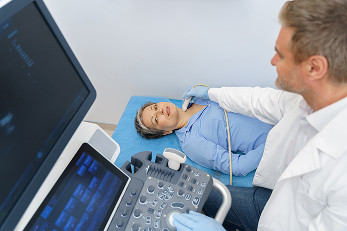
Benefits of undergoing an examination at K+31:
- Experienced specialists Functional diagnostics physicians undergo regular training and certification
- Modern technologies We use high-frequency equipment, which allows us to visualize even the smallest vessels of the neck and head
- Comfort and speed The procedure takes no more than 30 minutes, and results are provided immediately after the examination
- A comprehensive approach If necessary, you can immediately consult with a neurologist, cardiologist, or vascular surgeon
- Availability You can schedule an appointment by phone or online, choosing a convenient time
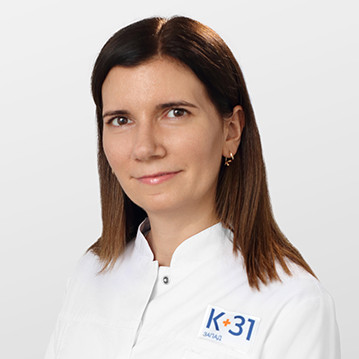
Our doctors
























































This award is given to clinics with the highest ratings according to user ratings, a large number of requests from this site, and in the absence of critical violations.

This award is given to clinics with the highest ratings according to user ratings. It means that the place is known, loved, and definitely worth visiting.

The ProDoctors portal collected 500 thousand reviews, compiled a rating of doctors based on them and awarded the best. We are proud that our doctors are among those awarded.
Make an appointment at a convenient time on the nearest date
Price
Other services

Appointment to the doctor
Reviews
















Our clinics


Application “Personal Account K+31”












What is ultrasound dopplerography of the brachiocephalic arteries?
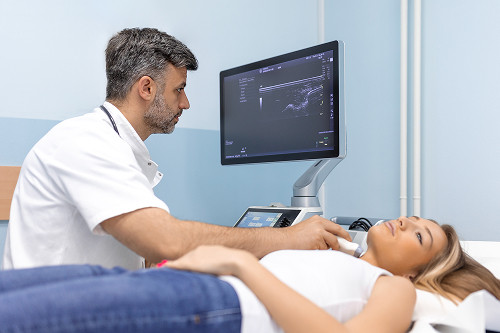
Ultrasound Dopplerography (UDG) is a functional diagnostic method that allows for the assessment of the speed and direction of blood flow in the large arteries supplying the brain. The term "brachiocephalic arteries" encompasses the carotid, subclavian, and vertebral vessels, which supply the majority of blood to the brain.
The study is based on the Doppler effect: ultrasound waves are reflected from red blood cells moving through the vessels, creating an image that allows the physician to assess the condition of the arterial and venous walls, detecting the presence of narrowing, blood clots, or atherosclerotic plaques.
Ultrasound Dopplerography of the brachiocephalic arteries is used not only for diagnosis but also for the prevention of vascular diseases. This method allows for the detection of circulatory disorders in the early stages, when clinical symptoms are not yet evident.