
TRUS of the prostate gland
TRUS of the prostate is a highly informative diagnostic method using ultrasound. It allows for clear imaging of internal structures and the detection of prostate pathologies in the early stages, when transabdominal examination is not yet sufficiently informative.
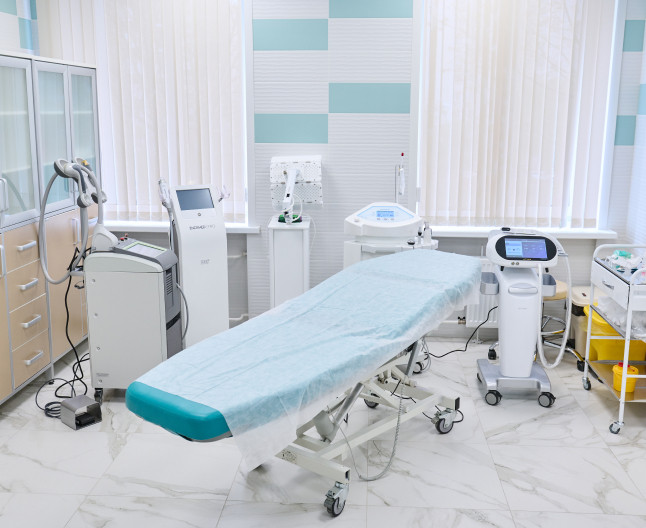
At the K+31 clinic in Moscow, experienced diagnosticians perform transrectal ultrasound (TRUS) of the prostate using state-of-the-art equipment. This allows for high-quality images, quick interpretation of results, and informed decisions regarding patient care.

specialists

equipment

treatment






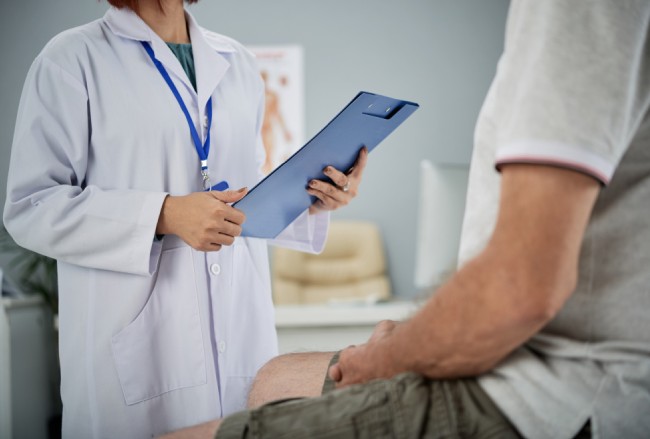
Transrectal ultrasound is prescribed when prostate pathologies are suspected, as well as when it is necessary to clarify the diagnosis, assess the size of the gland, or perform a biopsy.
Symptoms that require attention
Symptoms for which a doctor recommends a TRUS:
- Difficulty and increased frequency of urination, intermittent stream during bowel movements
- Feeling of incomplete emptying of the bladder
- Pain or discomfort in the perineal area
- Decreased erection or libido
- Preparation for biopsy or monitoring of an already established diagnosis

Contraindications to TRUS
Despite the fact that TRUS is considered a fairly safe and widely used method, there are conditions in which the doctor does not recommend the examination or postpones it for some time:
- Acute inflammatory processes in the rectum
- Severe blood clotting disorders, bleeding
- Acute prostatitis or inflammation of the prostate gland
- Absence or reconstruction of the rectum
- Conditions in which insertion of the sensor is technically impossible or extremely painful
Preparation for TRUS
The informativeness of the examination largely depends on the quality of preparation. Therefore, it is important to follow all doctor's recommendations.
Diet
Preparation for a transrectal ultrasound includes a special diet aimed at minimizing intestinal gas formation. Excess gas can distort ultrasound images, create artifacts, and reduce diagnostic accuracy. Therefore, patients are advised to follow a gentle diet 1-2 days before the examination. Legumes, cabbage, raw vegetables and fruits, carbonated drinks, dairy, sweets, and yeast-based baked goods should be avoided.
If the TRUS is scheduled for the morning, dinner the night before should be light and no later than 6:00 PM. It is recommended to skip breakfast on the day of the procedure (except if the examination is performed after lunch, where a light snack is acceptable no later than 4-5 hours before the appointment).
Boiling before a TRUS is performed to remove residual feces and reduce gas in the rectum. This is important to ensure full contact of the ultrasound probe with the rectal wall and improve visualization of the prostate gland.
Ways to cleanse the intestines:
- Microenemas: easy to use, no special preparation required. Effects occur within 10-15 minutes. Performed in the morning before a transrectal ultrasound.
- Glycerin suppositories: safe products with a mild laxative effect. Recommended for use 1–1.5 hours before the examination.
- A regular enema with warm water: the method is simple and effective, especially for those prone to constipation
- Laxatives: should only be taken with the advice of a doctor
Even small amounts of fecal matter can interfere with the insertion of the sensor and reduce the accuracy of the examination, so do not ignore bowel cleansing.
Preparing the bladder
To assess the transition zone of the prostate into the urethra and determine the residual urine volume, the doctor recommends performing a transrectal ultrasound (TRUS) against the background of moderate filling of the bladder.
Drink 700-1000 ml of still water 30-60 minutes before the procedure. Avoid urinating at the first sign of urination—it's important to maintain a moderate flow, avoiding excess, which can cause discomfort or cramping.
If you are taking diuretics or suffer from frequent urination, be sure to inform your doctor in advance so that the specialist can determine the optimal volume of fluid and the time to start the procedure.
TRUS technique
Transrectal prostate ultrasound is performed using a high-frequency transducer inserted through the rectum. Due to its close proximity to the structures being examined, this method ensures maximum visualization accuracy.
The procedure takes on average 10–20 minutes and is performed on an outpatient basis.
Stages of examination
Transrectal ultrasound of the prostate gland is performed according to a well-established algorithm, ensuring patient comfort and high visualization accuracy:
- Preparation. Before the procedure, the patient undresses below the waist and lies on the examination table on their left side, with their knees drawn up to their chest. This position provides the best access to the prostate and reduces muscle tension in the pelvic area.
- Equipment setup. A sterile protective cover (usually a condom) is placed over the ultrasound probe, and an acoustic gel is applied. This special gel improves tissue contact and reduces discomfort during insertion.
- The sensor is inserted to a depth of no more than 5–7 cm. The patient may feel slight pressure and discomfort.
- Conducting a scan
The study includes a series of scans in different planes:
- Transverse and longitudinal sections: allow you to assess the shape, symmetry and size of the prostate
- Analysis of tissue structure, identification of compaction zones, cysts, calcifications and other pathological changes
- If necessary, Doppler ultrasound is used—a method that allows assessing blood flow in the glandular tissue. This is performed if inflammation or tumor processes are suspected.
- If the doctor finds suspicious areas, he or she may recommend a biopsy—taking material for histological analysis.
After completing the examination, the physician evaluates the saved images, measurements, and Doppler data. Based on the diagnostic results, the specialist prepares a report with a preliminary description, and the patient receives recommendations for further action.
Is it painful to have a TRUS?
During insertion of the probe, the patient may feel slight pressure or discomfort in the rectum. In most cases, provided there is no significant inflammation and the insertion technique is correct, the procedure is well-tolerated. If pain is experienced, the doctor may use local anesthesia or pre-anesthesia.
What can be diagnosed using TRUS?
TRUS helps to visualize and evaluate a number of pathologies of the prostate gland and adjacent organs:
- Prostatitis: an inflammatory disease of the prostate gland. It can be acute, with pain, fever, and urinary dysfunction, or chronic, with periodic exacerbations and decreased sexual function. It is often accompanied by infertility. Benign prostatic hyperplasia (BPH): an enlargement of the prostate gland, causing compression of the urethra. Symptoms include frequent urination, especially at night, a weak urine stream, and a feeling of incomplete bladder emptying.
- Prostate cancer: an oncological disease characterized by urinary dysfunction, pain, and decreased potency. It can metastasize to bones and lymph nodes.
- Prostate cysts: fluid-containing cysts. They occur due to obstruction of fluid drainage, inflammation, or developmental abnormalities.
- Prostate calcifications (stones): mineral deposits that most often occur with chronic inflammation. They may be accompanied by nagging pain, erectile dysfunction, discomfort when sitting, or ejaculation.
- A prostate abscess is a localized collection of pus within the prostate tissue. It presents acutely with high fever, perineal pain, and general intoxication. It requires immediate medical attention.
- Prostate fibrosis: the replacement of glandular tissue with connective tissue. It often develops after chronic prostatitis. It leads to a decrease in prostate volume, deterioration of sexual function, and infertility.
- Vesiculitis: inflammation of the seminal vesicles, usually occurring against the background of prostatitis
- Prostate congestion: impaired blood circulation and fluid drainage. Associated with a sedentary lifestyle, irregular sexual activity, and stress. Increases the risk of inflammation and adenoma.
Interpretation of TRUS results
Upon completion of the examination, the diagnostic physician draws up a conclusion, which includes: the size (volume, length, width, thickness) of the gland, its shape and contours, echostructure, the presence of foci with altered echogenicity, cysts, nodes or atrophic zones, vascular pattern, signs of inflammation, symptoms of stones or fibrosis.
Normal values vary, but the gland usually has a uniform structure without large focal inclusions, with smooth contours, and without a significant increase in volume.
Our doctors
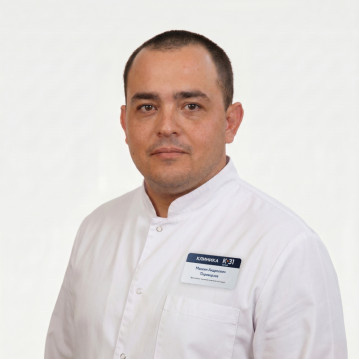

























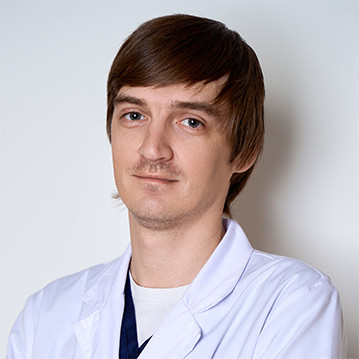
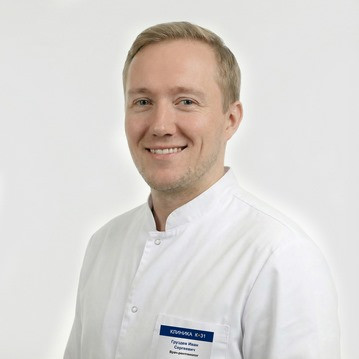



















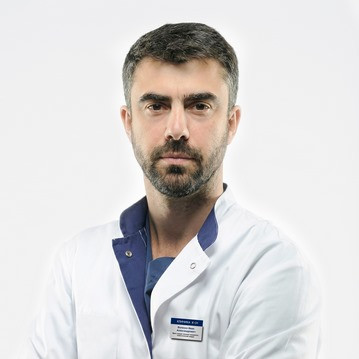




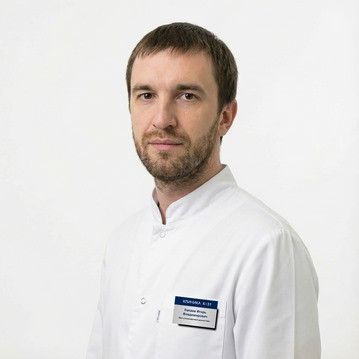





This award is given to clinics with the highest ratings according to user ratings, a large number of requests from this site, and in the absence of critical violations.

This award is given to clinics with the highest ratings according to user ratings. It means that the place is known, loved, and definitely worth visiting.

The ProDoctors portal collected 500 thousand reviews, compiled a rating of doctors based on them and awarded the best. We are proud that our doctors are among those awarded.
Make an appointment at a convenient time on the nearest date
Price
Other services

Appointment to the doctor
Reviews
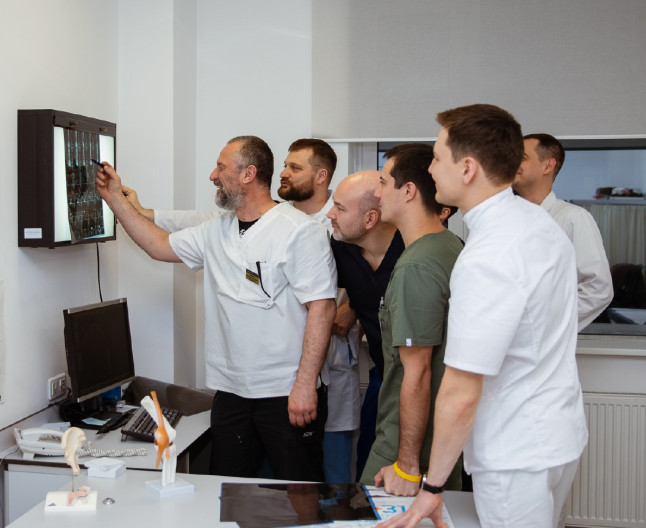
Our clinics


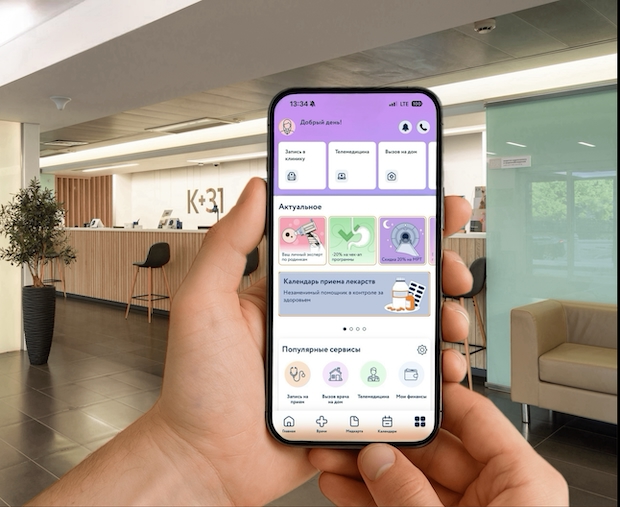
Application “Personal Account K+31”












Prices for transrectal ultrasound of the prostate gland in Moscow
The cost of the procedure in Moscow depends on the level of the clinic, the quality of the equipment, the qualifications of the doctor, and the included services (decoding, photographic protocol, consultation).
At the K+31 medical clinic, the price for TRUS is calculated individually, depending on the service package.