
Lymph Node Ultrasound
Ultrasound is an accessible diagnostic method that, while informative and effective, causes no discomfort. Ultrasound can help prevent many serious illnesses, including cancer.

specialists

equipment

treatment




Types of ultrasound of lymph nodes
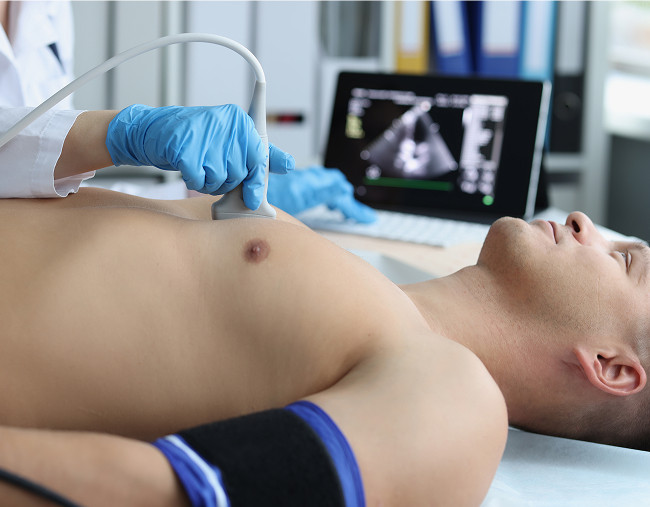
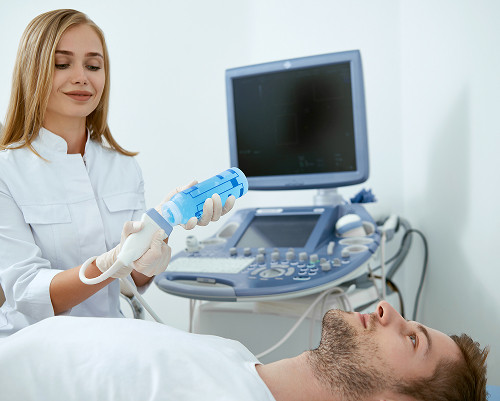
Ultrasound examination of the lymph nodes provides a high degree of accuracy and avoids radiation exposure to the patient. Let's take a closer look at approaches to examining individual groups of lymph nodes.
Ultrasound of the Axillary Lymph Nodes
Axillary adenopathy often develops as a result of a combination of bacterial and viral agents, including toxoplasmosis, feline infection, mononucleosis, and cytomegalovirus. Less common are cases of enlarged nodes in this area due to hematological disorders and allergies.
Detecting signs of inflammation in the axillary lymph nodes is difficult due to the proximity of the apocrine sweat glands located here, especially with the low resolution of the ultrasound equipment used. Approximately 97% of patients are admitted to a medical facility with suspected hidradenitis suppurativa. For an accurate diagnosis, it is important to collect a detailed medical history and conduct an examination using high-quality ultrasound equipment.
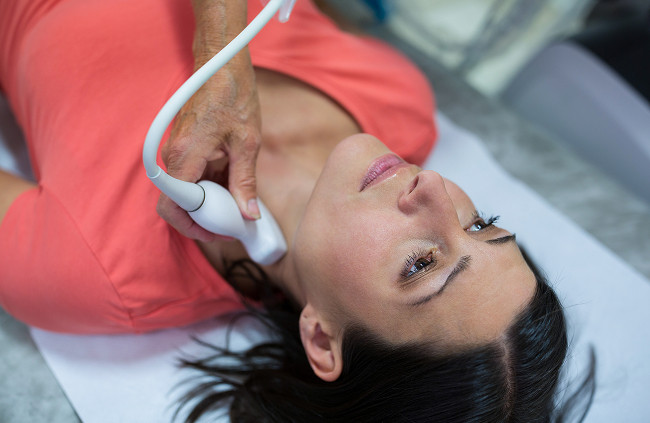
Submandibular Lymph Node Ultrasound
The submandibular lymph nodes are located in the submandibular space, where approximately 6-10 nodes are located. They are characterized by a rapid response to any inflammatory processes in the oral cavity, teeth, nasal mucosa, and paranasal sinuses.
Young children (under 7 years old) are most vulnerable to lymph node enlargement in this area, as their lymphatic system is not yet fully developed. Adenopathy is most often associated with tonsillitis, rhinitis, sinusitis, stomatitis, and other diseases of the respiratory tract and oral cavity.
In adults, enlarged lymph nodes are most often caused by dental and jaw problems, as well as tumors. Diagnosis of submandibular lymph node enlargement usually involves a comprehensive ultrasound examination of the surrounding soft tissues of the face and neck.
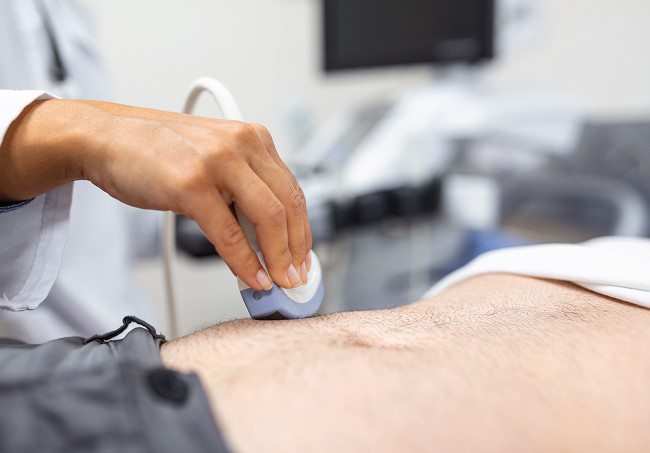
Ultrasound of the Inguinal Lymph Nodes
Inguinal adenopathy is quite common and is associated with a variety of local infectious and non-infectious diseases of the pelvic organs. The main causes are:
- Sexually transmitted infections
- Diseases of the female reproductive system
- Hemorrhoidal complications and proctological problems
- Pathology of the male genitourinary system
- Neoplasms of various origins
- Presence of parasites
Given the wide range of causes affecting the inguinal lymph nodes, ultrasound plays a key role in establishing an accurate diagnosis and determining further therapeutic measures.
Indications for ultrasound examination of lymph nodes
Reasons for prescribing an ultrasound examination of the lymph nodes:
- Suspected infection
- Periodic monitoring after surgery or injuries
- Possible development of cancer, spread of secondary foci of the disease
- Prolonged weakness, elevated body temperature
Specialists most often pay attention to the condition of the lymph nodes in the neck, axillary areas, and groin area due to the highest risk of developing pathologies in these areas.
Symptoms that indicate a lymph node ultrasound
Clinical situations that require an ultrasound:
- A sharp increase in the volume of lymphatic structures and their deformation
- Persistence of enlarged node size even after the primary infection has been eliminated or the patient's health has been restored
- Lymph node growth accompanied by pain, throat irritation, and difficulty swallowing
- Palmation of noticeable lumps, regardless of their location
- Change in skin color near the affected area
- Pain or severe discomfort in the area of the lymph nodes
If even one of these symptoms occurs, it is important to have an ultrasound as soon as possible to detect the pathology at an early stage and easily treat it.
Causes of Lymphadenopathy
The medical term "lymphadenopathy" means pathological enlargement of the lymph nodes. With this phenomenon, the normal anatomical structure of the nodes can change, and their volume can increase without significant morphological shifts.
One of the manifestations of lymphadenopathy is lymphadenitis, which is an inflammation of the lymph nodes of various origins.
Causes of lymphadenopathy:
- Increased production of immunocompetent cells in response to the penetration of pathogenic microorganisms or toxins
- Infiltration of adipose tissue due to lipid metabolism disorders
- Generation and spread of tumor cells, formation of metastatic foci
- Formation of scar tissue due to previous inflammatory reactions
An enlarged lymph node is most often found in the neck, armpits, and groin.
These areas are most are susceptible to developing lymphadenitis caused by the spread of infectious pathogens.
Common infectious factors include acute respiratory viral infections (ARVI), influenza, tonsillitis, periostitis, sore throat, and other similar conditions.
Purposes and functions of ultrasound of lymph nodes
The procedure's purpose is to obtain reliable information about the state of the immune system. The data obtained helps achieve the study's primary goal: identifying pathological changes in the structure and size of lymph nodes, determining the extent of damage to the lymphatic system, and establishing a timely diagnosis.
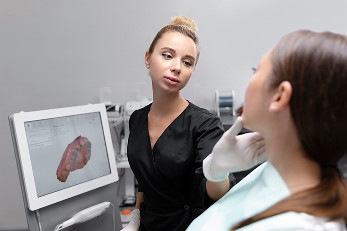
Depending on the location of the node, ultrasound is used in a number of situations:
- Swollen cervical lymph nodes are examined before a biopsy to diagnose serious conditions such as cancer, blood disorders, infections, and autoimmune conditions. Additional testing is necessary only if swelling persists after two months of intensive treatment of the underlying condition
- Swollen sublingual nodes require attention, especially if accompanied by symptoms of leukemia or painless
- Axillary lymph nodes are examined when breast tumors are detected, or as preventive monitoring after surgery, as well as if HIV is suspected, or after inflammatory processes
- Swelling of the inguinal lymph nodes warrants an ultrasound, which helps to detect malignant tumors, infectious or sexually transmitted diseases, and to monitor recurrent cancers
Contraindications to ultrasound of the lymph nodes
Any uncertainties regarding the possibility of undergoing the procedure are resolved through a preliminary consultation with a doctor.
The procedure of ultrasound examination of peripheral lymph nodes is characterized by a minimum number of restrictions. However, there are rare circumstances that temporarily prevent the manipulation from being performed:
- Skin damage in the area to be examined (open wounds, injuries, epithelial damage)
- The active phase of acute infectious diseases associated with a sharp rise in body temperature
- Rare individual sensitivity to the components of the special contact gel used during the examination
General information
Preparation for an Ultrasound of the Lymph Nodes
Special preliminary preparation is required only when diagnosing nodes in the peritoneum, retroperitoneum, and hip joint. Before performing an ultrasound of the groin lymph nodes, it is recommended to consult a venereologist and undergo laboratory testing for sexually transmitted diseases. These measures help minimize the risk of STIs affecting the lymphoid tissue in this area.

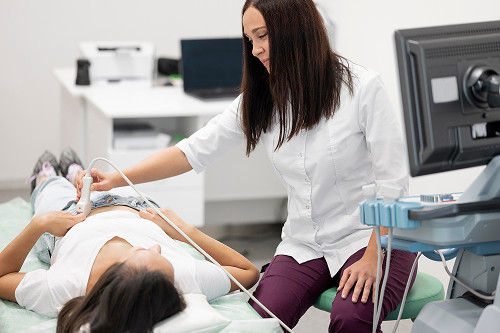
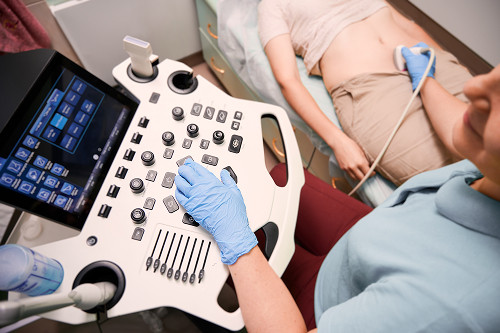


Why is it better to get a lymph node ultrasound at K+31?
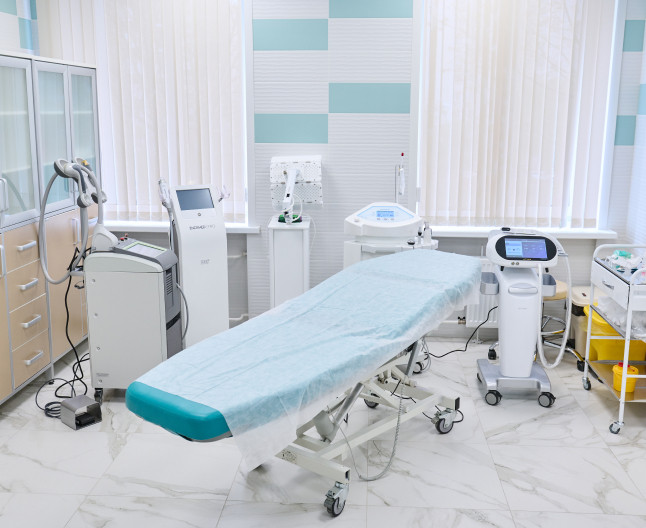
If you're looking for a high-quality medical center offering a high-quality lymph node ultrasound in a comfortable environment, we recommend contacting the K+31 Clinic. Our modern equipment provides a clear image, and our experienced specialists interpret it expertly—errors and inaccuracies are eliminated.
The procedure is quick and painless. Our convenient locations allow you to choose the nearest branch without wasting time traveling. Results are delivered directly to you immediately after the examination. Your health is most important, and it can only be trusted to professionals. Schedule an ultrasound at the K+31 Clinic and you'll get an accurate picture of your lymph nodes' condition without any hassle or stress.
Our doctors
























































This award is given to clinics with the highest ratings according to user ratings, a large number of requests from this site, and in the absence of critical violations.

This award is given to clinics with the highest ratings according to user ratings. It means that the place is known, loved, and definitely worth visiting.

The ProDoctors portal collected 500 thousand reviews, compiled a rating of doctors based on them and awarded the best. We are proud that our doctors are among those awarded.
Make an appointment at a convenient time on the nearest date
Price
Other services

Appointment to the doctor
Reviews








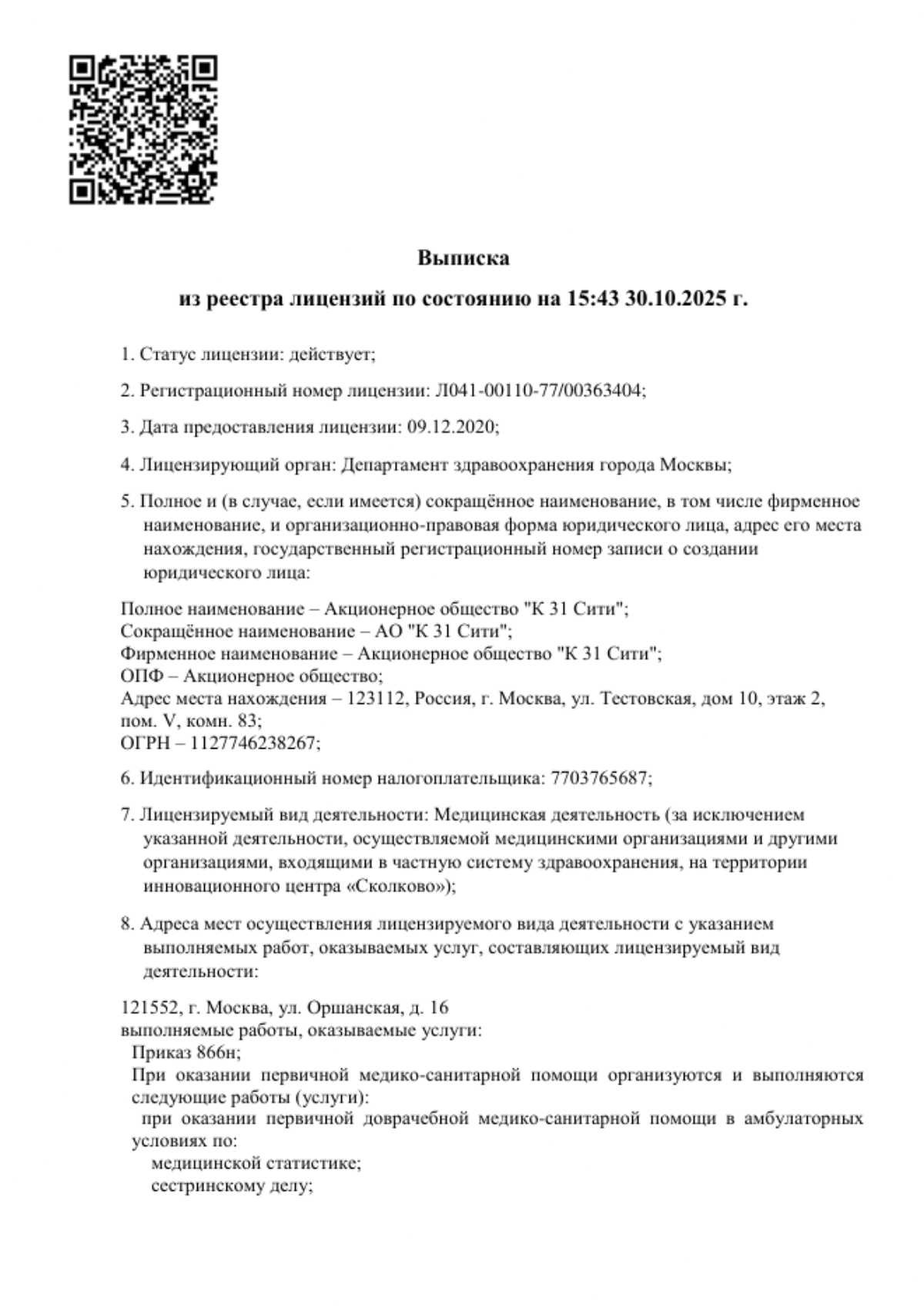



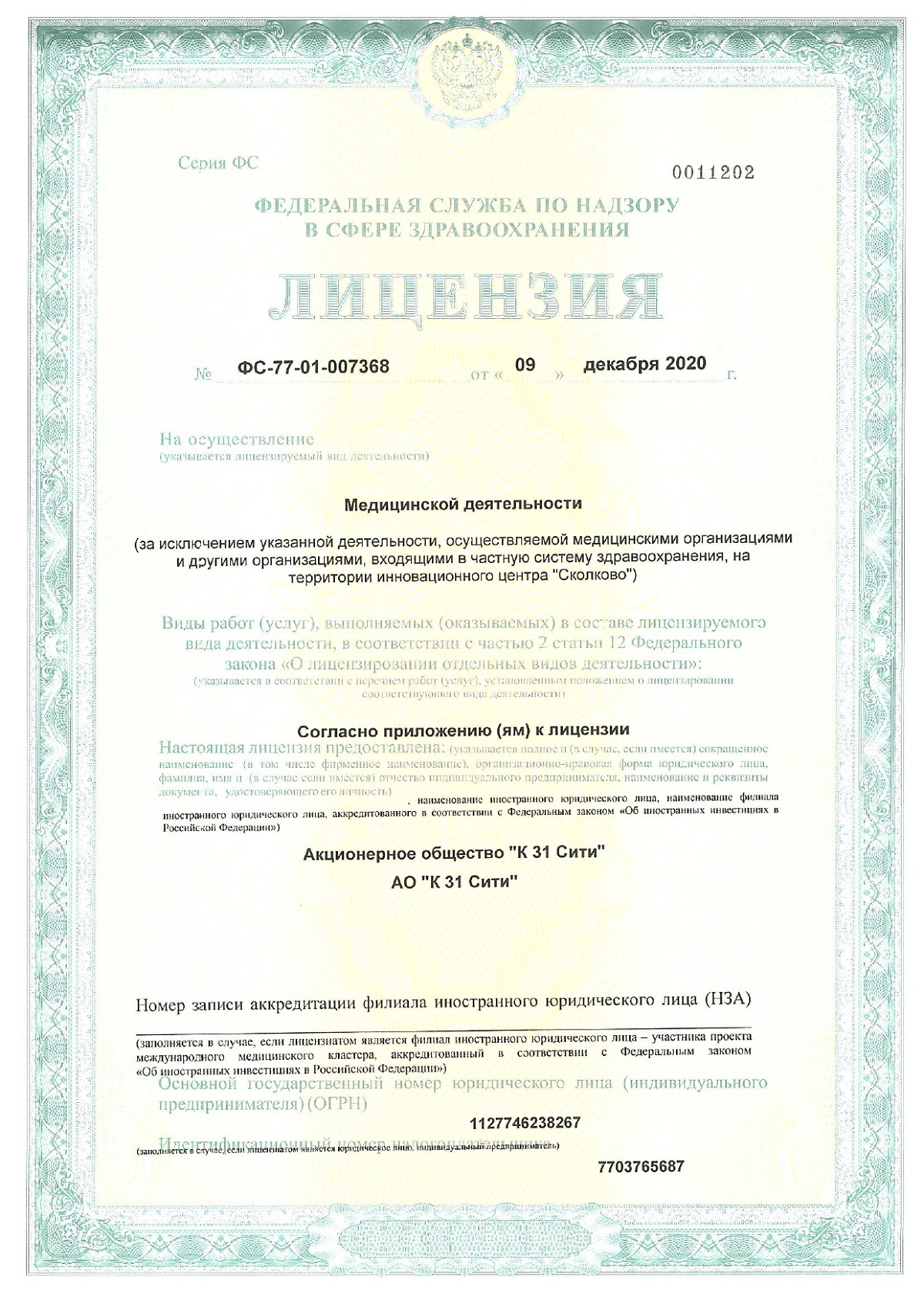
Our clinics


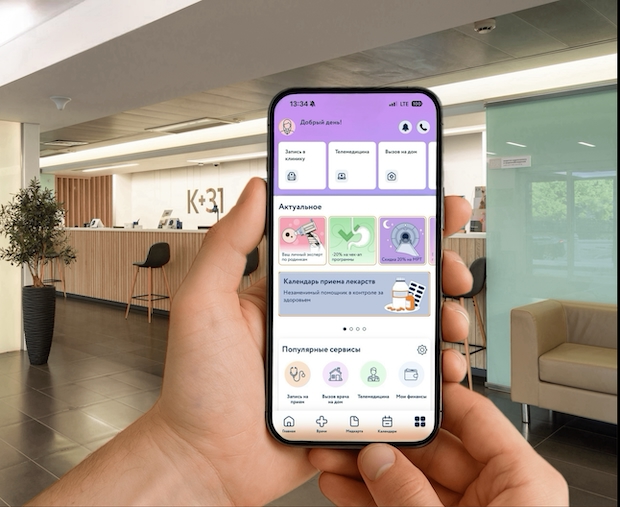
Application “Personal Account K+31”











What is a lymph node ultrasound?
The ultrasound approach is based on the physiological ability of human tissue to freely transmit ultrasound radiation. Healthy lymph nodes are not visible on diagnostic equipment. Their detection becomes possible only when abnormalities or deviations develop. If pathology is suspected, the specialist considers the following organ characteristics:
A combined analysis of these characteristics helps identify lesions of the lymphatic system, establish the underlying cause, and prevent potential complications.