
Treatment of barley on the eye of a child
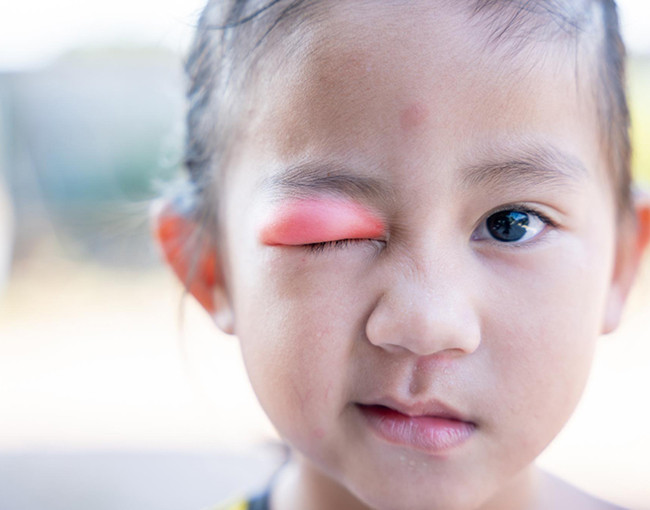
Barley on the eye of a child is a common inflammatory disease of the edge of the eyelid, in which a local reaction of the skin or mucous membrane around the eyelashes occurs. It refers to common pediatric ophthalmological problems and requires medical supervision. The appearance of swelling or redness in the eyelid area often worries parents, but in most cases this condition is benign and can be well controlled with proper care and timely referral to a specialist.

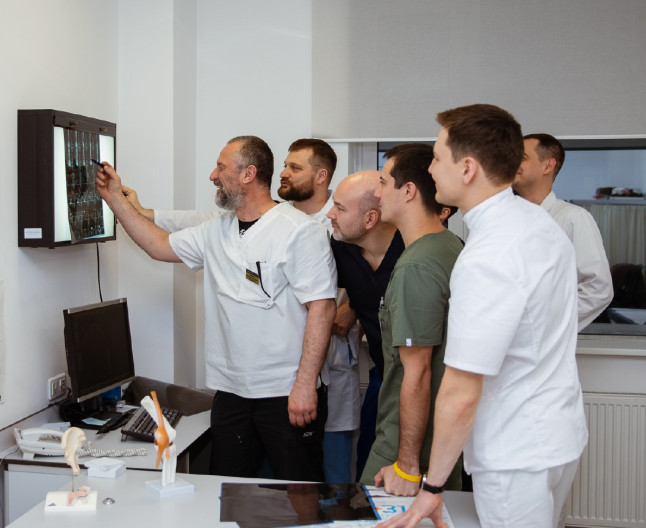
specialists

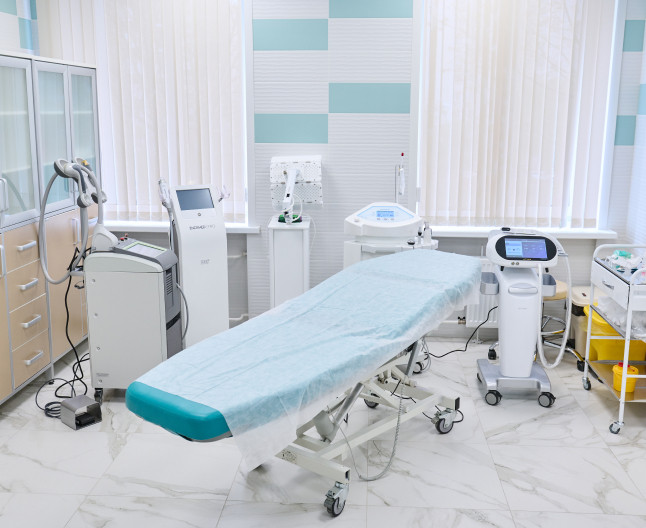
equipment

treatment



Symptoms, classification and varieties of barley in a child
Typical symptoms are redness, a slight lump on the edge of the eyelid, pain when blinking, and a feeling of a foreign body in the eye. Sometimes a yellow dot appears, which indicates the formation of a purulent focus. Lacrimation, a reaction of regional lymph nodes, and an increase in body temperature may occur. In adolescents, barley occurs more often, as the sebaceous glands are more active.
Doctors distinguish two main types:
- External barley is an inflammation of the hair sac of the eyelash or the Zeiss gland located along the edge of the eyelid
- Internal barley is a lesion of the meibomian gland located in the thickness of the eyelid
The course of the barley can be single or multiple, acute or recurrent. Recurring episodes often indicate a background decrease in the body's defenses.
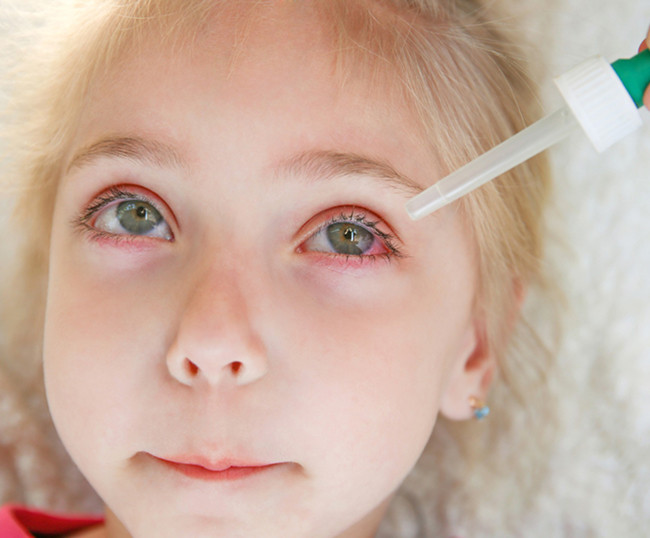
Complications of barley
In the absence of observation, barley can lead to the spread of inflammation to other structures of the eyelid and eye socket. In rare cases, the infectious process can spread to the connective tissues, provoking the development of orbital phlegmon or an abscess of the eyelid. Against the background of frequent relapses, the inflammation may turn into a chronic form, in which a dense formation is formed — chalazion. This condition is associated with the proliferation of connective tissue in the area of the former focus of inflammation. Some children have small scars or minor deformations of the eyelash growth line after healing, which can cause mechanical irritation of the eye.
In addition, prolonged inflammation weakens local protective barriers and increases the risk of secondary infection. The reappearance of foci leads to a decrease in the elasticity of the eyelid tissues, which may cause the child to feel constant discomfort when blinking or slight sensitivity to light. Although serious infectious complications are extremely rare, ophthalmologists emphasize the need for regular monitoring — even a small inflammation in the eye area requires careful attention in order to rule out systemic consequences.
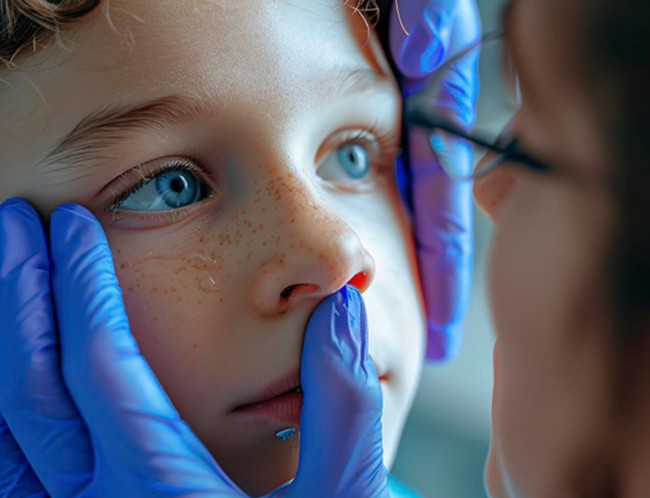
Diagnosis of barley
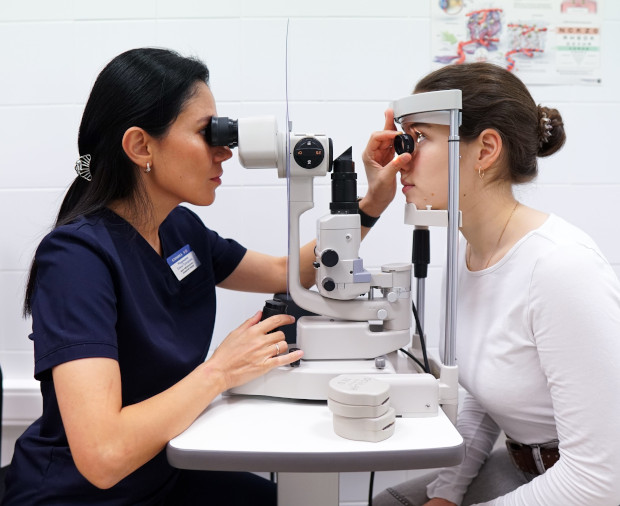
The diagnosis is made by an ophthalmologist based on the clinical picture and examination of the eyelid. The doctor carefully evaluates the condition of the skin, conjunctiva, the direction of eyelash growth and the presence of local edema or infiltration. To clarify the stage of the process, biomicroscopy is used — an examination of the eye with magnification using a slit lamp. This method allows you to assess the depth of tissue damage and distinguish barley from other inflammatory diseases, such as chalazion or abscess.
If the disease recurs, the child may be prescribed additional tests: a bacteriological culture smear to identify the pathogen, a test for the sensitivity of microflora to antibacterial drugs, a general blood test to assess the immune response. In some cases, an immunogram is performed to exclude violations of the protective functions of the body. The doctor also evaluates the condition of the tear film and the ocular surface, as their changes can contribute to chronic inflammation. Comprehensive diagnostics helps to choose the correct monitoring strategy and prevent the development of complications.
Treatment of barley in children
Treatment of barley in children is always carried out under the supervision of an ophthalmologist, since inflammation in the eyelid area is particularly sensitive and requires an individual approach. The specialist evaluates the severity of the symptoms, the age of the child and the presence of concomitant diseases. The purpose of the monitoring is to control the inflammatory process, reduce the risk of repeated episodes and eliminate the transition of the disease to a chronic form.
Supportive measures include educating parents on eye hygiene, recommendations for eyelid care, and adjusting household habits. The ophthalmologist may also pay attention to the state of the child's immune system: frequent episodes of barley often indicate the need for preventive examinations by a pediatrician or an immunologist. Comprehensive patient management reduces the likelihood of recurrence and promotes rapid tissue repair of the eyelid.
Conservative therapy
In the early stages, the doctor may recommend gentle, gentle hygiene measures and special eyelid care products. They help to clean the ciliary margin and prevent the re-accumulation of secretions in the glands. If necessary, apply eye drops or ointment as prescribed by a specialist. These drugs act locally, aimed at reducing the inflammatory response and relieving discomfort.
It is also important to observe the eye rest regime: avoid overwork, prolonged reading or working with gadgets. The doctor explains to the parents how to properly care for the skin of the child's eyelids and what hygiene products to use. Conservative monitoring is not limited to medical methods — it includes monitoring the dynamics of inflammation, evaluating tissue reactions and regular repeated examinations. This approach allows the doctor to adjust the monitoring program in time and prevent complications.
Surgical treatment
With a prolonged or recurring course, the ophthalmologist may consider low-traumatic intervention methods performed on an outpatient basis. Their goal is to eliminate local inflammation and restore the normal functioning of the eyelid glands. The manipulations are carried out under the supervision of a specialist, observing sterility and gentle conditions. After the intervention, the eyelid tissues heal quickly, and the child returns to normal activity within a short time.
The decision on the need for a surgical method is made individually — after assessing the dynamics of inflammation and the general condition of the child. The doctor explains in detail to the parents the expected results and the specifics of follow-up care. Monitoring allows you to make sure that the healing process is going on correctly, and the function of the eyelid is fully restored. This approach eliminates the risk of recurrence and ensures a good cosmetic result.
How much does it cost to quickly cure a child's barley in Moscow
The cost depends on the form of the disease, the need for additional tests and the amount of follow-up. Current prices can be specified in the "Price List" section or when making an appointment. The initial examination by an ophthalmologist includes consultation and the definition of an individual follow-up plan.
General information
Why is it better to treat barley on a child's eye at K+31
The clinic is attended by pediatric ophthalmologists who are experienced in monitoring patients with inflammatory diseases of the eyelids and eyes. Specialists work according to modern standards and apply gentle methods of assessing the state of vision.
Patients note the attentive attitude of doctors, convenient recording and detailed explanations on each issue. Parents emphasize a calm atmosphere and a comprehensive approach to monitoring children with eyelid diseases.
Make an appointment for a consultation. We accept both children and adults. Our ophthalmologist will help to assess the condition of the child's eyes, answer all questions and select the best option for observation.
Questions and answers
Is it possible to treat barley with a spell?
There is no scientific evidence of the effectiveness of folk conspiracies. Such actions can create a false sense of security and delay contacting a specialist.
Is barley contagious?
Barley is not considered contagious in the usual sense, but since its cause is related to bacteria, it is advisable to use individual towels and hygiene products.
How much is barley treated?
The duration of the observation depends on individual characteristics. The inflammation usually resolves within a few days or weeks under the supervision of a doctor.
What is the danger of barley?
Without proper monitoring, barley can recur or lead to chronic inflammation of the eyelid. Therefore, it is important to show the child to an ophthalmologist on time.
Our doctors







This award is given to clinics with the highest ratings according to user ratings, a large number of requests from this site, and in the absence of critical violations.

This award is given to clinics with the highest ratings according to user ratings. It means that the place is known, loved, and definitely worth visiting.

The ProDoctors portal collected 500 thousand reviews, compiled a rating of doctors based on them and awarded the best. We are proud that our doctors are among those awarded.
Make an appointment at a convenient time on the nearest date
Price
Other services

Appointment to the doctor
Reviews

Our clinics


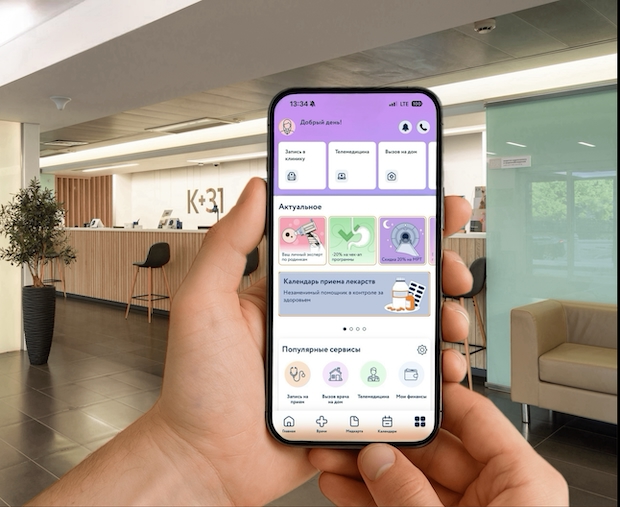
Application “Personal Account K+31”











Causes and pathogenesis of barley in a child
The main reason is infection in the area of the eyelash hair follicle or the meibomian gland. Most often, barley in children occurs when the immune system decreases or dirty hands come into contact with the eyes. The development is facilitated by inflammatory processes in the body and unfavorable external factors.
Predisposing factors:
The process begins with a blockage of the gland or follicle of the eyelash. In response, inflammation and swelling occur in the tissue. The body reacts by releasing purulent contents, which results in a characteristic nodule on the eyelid. In children, the reaction is often acute, as their skin and mucous structures are more sensitive.