
Увулопалатопластика (операция от храпа)

специалисты

оборудование

лечения
Что такое храп и чем он опасен
Храп возникает, когда во время сна просвет верхних дыхательных путей сужается, а мягкие ткани в области горла начинают вибрировать под потоком воздуха. Поэтому это не только «шум», который мешает близким: храп часто сигнализирует о том, что дыхание во сне становится менее свободным и организм получает меньше полноценного отдыха. На фоне постоянных микропробуждений ухудшается качество сна, появляется дневная сонливость, снижается концентрация и работоспособность.
Отдельное внимание стоит уделить возможной связи храпа с апноэ – эпизодами остановки или выраженного снижения дыхания во сне. В таких случаях риск осложнений выше, а подход к лечению должен опираться не на догадки, а на данные обследования. Чтобы понять причину храпа и выбрать безопасную тактику, важно пройти диагностику у врача и оценить, есть ли признаки апноэ и какие именно структуры мешают дыханию.
Причины появления храпа
Основные причины сводятся к одному механизму: во сне просвет дыхательных путей сужается, и воздух заставляет вибрировать мягкое небо, стенки горла и другие ткани. Что именно приводит к этому, зависит от анатомии и образа жизни, поэтому у разных людей «источник» проблемы может отличаться.
- ЛОР-факторы: затрудненное носовое дыхание (искривление перегородки, отек слизистой, полипы), увеличенные миндалины или аденоиды – все это усиливает дыхание через рот и повышает вибрацию тканей
- Анатомия: низко расположенное мягкое небо, удлиненный язычок, узкие дыхательные пути, особенности прикуса и строения челюстей
- Вес и отечность: лишний вес и склонность к отекам уменьшают просвет глотки и делают храп более выраженным
- Образ жизни: курение, алкоголь перед сном, недосып – факторы, которые усиливают расслабление мышц и провоцируют храп
Если причина не очевидна, лучше начать с осмотра: врач поможет определить, какие факторы ведущие именно в вашем случае и какой подход будет наиболее результативным.
Факторы, влияющие на развитие храпа
Даже если основная причина храпа связана с анатомией, на выраженность симптомов и результат лечения сильно влияют сопутствующие факторы. Например, избыточного веса становится больше – увеличивается объем мягких тканей шеи, просвет глотки сужается, и тканей легче «входят» в вибрацию. Если мягкого неба снижен тонус (после алкоголя, при хроническом недосыпе, курении), небо провисает сильнее, а храп становится громче и стабильнее. При подозрении на апноэ ситуация осложняется: проблемы могут быть не только на уровне неба, но и ниже, поэтому локальная коррекция не всегда дает ожидаемый эффект.
Отдельно влияет рефлюкс: раздражение слизистой и отечность в области глотки усиливают сужение и поддерживают хроническое воспаление. Поэтому перед любым вмешательством важна диагностика – она помогает понять, какие факторы ведущие, что можно скорректировать заранее и почему ограничения эффективности, описанные ниже, действительно имеют значение.
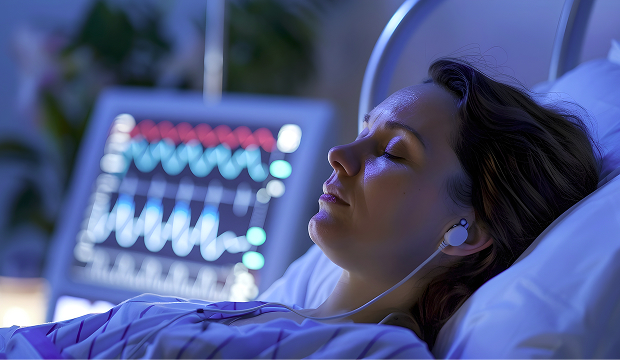
Эффективность операций на мягком небе при храпе
Увулопалатопластика — это хирургическая процедура, направленная на коррекцию структур мягкого неба, включая небный язычок, для устранения или снижения интенсивности храпа и лечения легких форм обструктивного апноэ сна. Операция включает удаление или изменение формы избыточных мягких тканей в области горла, что способствует расширению дыхательных путей и уменьшению вибрации тканей во время сна.
Хирургические вмешательства на мягком небе начали делать в середине 20-го века.
Диагностика храпа
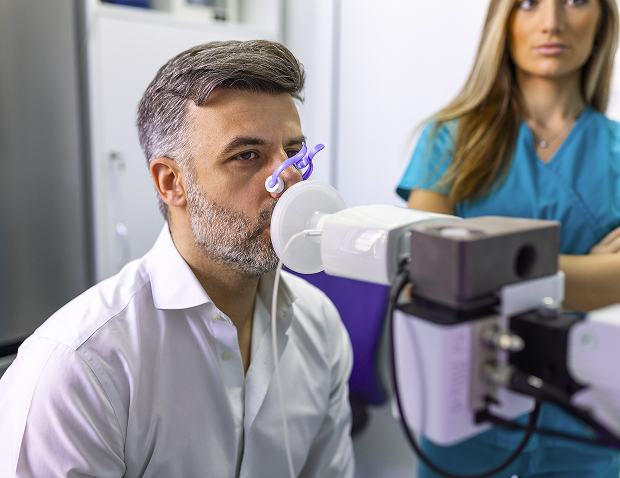
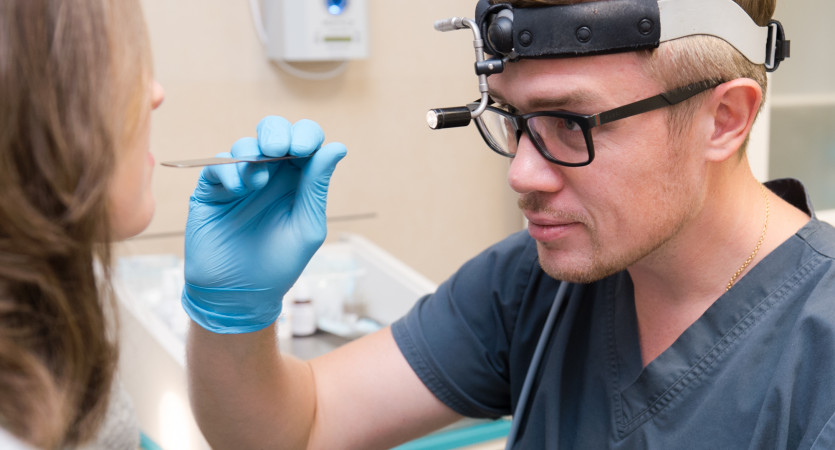
Правильная диагностика храпа нужна, чтобы понять причину сужения дыхательных путей и выбрать безопасную тактику лечения. Обычно все начинается с приема: врач уточняет, как давно появился храп, есть ли остановки дыхания со слов близких, дневная сонливость, утренние головные боли, скачки давления. Затем проводится ЛОР-осмотр: оценивают носовое дыхание, состояние носоглотки, миндалин, мягкого неба и язычка, чтобы определить, на каком уровне возникает препятствие. В клинике в Москве по показаниям могут назначить дополнительные обследования (например, эндоскопию), если нужно детально увидеть анатомию.
Ключевой этап, на котором решение часто заключаться в объективных данных, – полисомнография или другое исследование сна. Оно помогает подтвердить или исключить апноэ, определить выраженность нарушений дыхания и понять, будет ли локальная операция эффективной. Именно сочетание осмотра и исследования сна лежит в основе решения «подходит/не подходит увулопалатопластика»: важно не просто убрать вибрацию тканей, а устранить причину и снизить риски осложнений.
Показания и противопоказания к лечению храпа
Лечение храпа подбирают индивидуально: для кого-то достаточно коррекции образа жизни и терапии ЛОР-причин, а кому-то показано хирургическое вмешательство. Решение о том, нужна ли операция, принимается после обследования, потому что одни и те же жалобы у разных людей имеют разные причины. Ниже – общие ориентиры, но окончательно тактику выбирает врач с учетом данных диагностики и состояния, в котором находится пациент.
Показания к хирургическому лечению (в том числе увулопалатопластике) чаще рассматривают, если:
- Есть стойкий храп, который снижает качество сна, и консервативные меры не дают эффекта
- Обследование подтверждает, что основная проблема связана с мягким небом/язычком и уровнем ротоглотки
- Нет признаков тяжелого апноэ сна либо оно требует другой, более комплексной тактики
- Анатомические особенности мешают свободному дыханию во сне и подтверждены осмотром
- Пациент готов соблюдать рекомендации по подготовке и восстановлению
Противопоказания к операции могут быть временными или постоянными:
- Острые воспалительные заболевания ЛОР-органов, лихорадка, обострение инфекций
- Выраженные сопутствующие состояния, повышающие риски анестезии и послеоперационных осложнений
- Нарушения свертываемости крови без коррекции, высокий риск кровотечений
- Ситуации, когда ведущая причина храпа связана не с уровнем неба (например, при выраженном апноэ по данным исследования сна) – тогда выбирают другой подход
- Невозможность соблюдения послеоперационного режима и контроля
Даже при наличии показаний решение об операции принимается только после очной консультации: врач оценивает риски, объясняет ожидаемый эффект и предлагает оптимальный план лечения.
Критерии для проведения увулопалатопластики
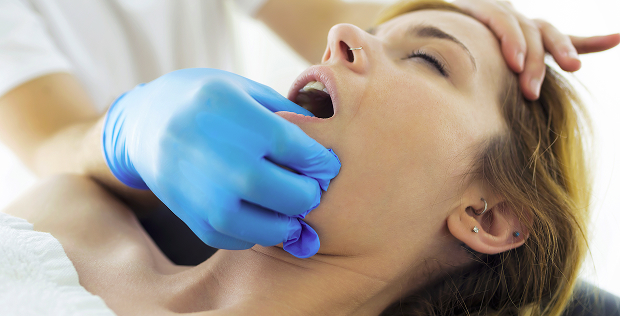
Увулопалатопластика рекомендуется тем, кто сталкивается с храпом, не связанным с обструктивным апноэ сна. Храп, как правило, сигнализирует о других проблемах здоровья, включая вибрацию мягких тканей в области горла. Может быть вызван курением, лишним весом, увеличенными миндалинами или затрудненным носовым дыханием.
Операция показана тем, кто имеет легкие формы, отсутствие ожирения, воспалительных процессов в дыхательных путях и прошел обследование полисомнографией, исключив таким образом синдром обструктивного апноэ сна. В таких случаях увулопалатопластика может оказаться эффективной.

Ограничения эффективности увулопалатопластики
- Избыточный вес
- Аномалии строения нижней части лица
- Привычка к курению, наличие рефлюкса или проблемы с щитовидной железой
- Пониженный тонус мышц глотки
Методы лечения храпа
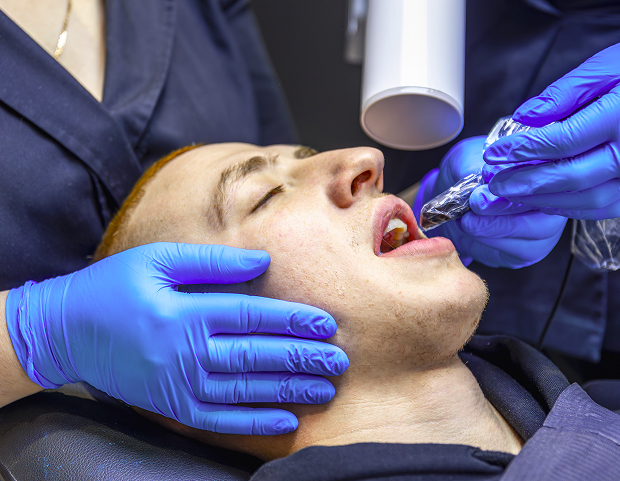
Подход к лечению подбирают по причине и выраженности симптомов: задача – не просто «убрать звук», а нормализовать дыхание во сне и снизить риски осложнений. Обычно врач начинает с наиболее щадящих решений и усиливает тактику только при подтвержденных показаниях.
- Консервативная ЛОР-терапия и коррекция факторов: лечение заложенности носа, воспалений, аллергического ринита, работа с привычками и режимом сна
- Нехирургические методы при нарушениях дыхания во сне: внутриротовые устройства или СРАР-терапия при подтвержденном апноэ
- Хирургические подходы: процедуры на мягком небе и язычке для уменьшения вибрации тканей и улучшения просвета ротоглотки
Когда ведущую роль играет анатомия ротоглотки и это подтверждено обследованием, может рассматриваться хирургический вариант. Один из таких вариантов операции – увулопалатопластика: конкретная процедура и ее объем выбираются по результатам диагностики и индивидуальным особенностям.
Классическая увулопалатопластика
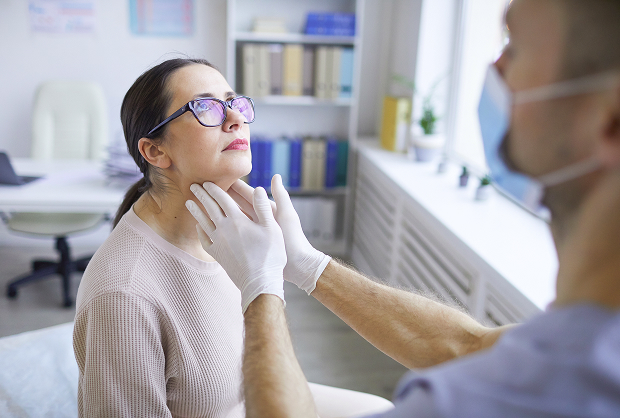
Классическая увулопалатопластика – это хирургический вариант, при котором выполняется иссечение и частичное удаление избытка ткани в области ротоглотки: корректируют мягкое небо и при необходимости уменьшают язычок. В отличие от более щадящих техник, классическое вмешательство позволяет точнее работать с объемом тканей и может быть уместно, когда изменения выражены и требуется полноценная реконструкция.
К плюсам относят предсказуемый объем коррекции и возможность решать задачу «здесь и сейчас» при подходящих показаниях. К минусам – более заметный послеоперационный дискомфорт и длительное восстановление по сравнению с радиоволновыми или лазерными методами. Подходит пациентам, у которых ведущая причина храпа подтверждена на уровне мягкого неба/язычка и нет факторов, делающих операцию малоэффективной.
Лечение храпа в домашних условиях
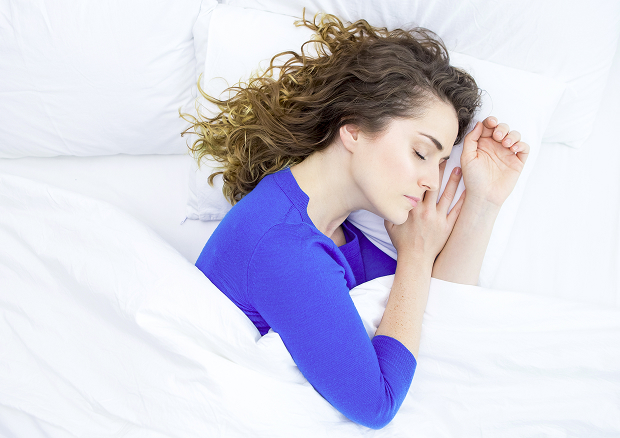
Домашние меры могут заметно снизить выраженность храпа и поддержать эффект от терапии, но они работают лучше всего, когда причина не связана с апноэ. Базовые шаги включают контроль веса, отказ от курения и алкоголя перед сном, а также позиционную терапию (сон на боку, подбор удобной подушки). Важно соблюдать гигиену сна: регулярный режим, прохладный и увлажненный воздух, достаточная продолжительность отдыха – это снижает «провисание» тканей и частоту микропробуждений.
Если есть заложенность носа, корректировать ее стоит по назначению врача: самостоятельное и длительное использование сосудосуживающих капель может ухудшить ситуацию. Домашнее лечение помогает уменьшить храп и приблизить избавление от него, но при подозрении на апноэ важно обследование и подбор медицинской тактики – иначе можно пропустить значимую проблему, которая влияет на качество сона и здоровье.
Общая информация о процедуре
Подготовка к увулопалатопластике
Перед исследованием необходимо пройти комплексное обследование, включающее:
- Общий анализ крови
- Анализ мочи
- Проверку уровня сахара в крови, свертываемости, определение группы крови и резус-фактора, тесты на ВИЧ, сифилис и гепатиты
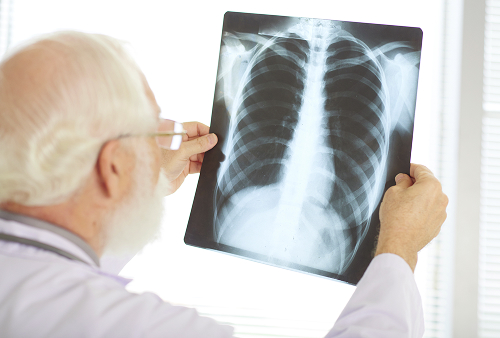
- Рентген грудной клетки
- ЭКГ
- Исследование сна — полисомнографию
- Осмотр терапевта и анестезиолога
За три дня до операции рекомендуется не пить алкоголь и тяжелой физической работы. За 3-4 часа до процедуры необходимо воздержаться от еды, питья и курения.

Фотогалерея К+31


Наши врачи













Запишитесь на прием в удобное время на ближайшую дату

Такая награда выдаётся клиникам с самым высоким рейтингом по оценкам пользователей, большим количеством обращений с данной площадки, при отсутствии критичных нарушений.

Такая награда выдается клиникам с самым высоким рейтингом по оценкам пользователей. Она означает, что место знают, любят и сюда точно нужно зайти.

Портал ПроДокторов собрал 500 тысяч отзывов, составил по ним рейтинг врачей и наградил лучших. Гордимся, что среди награжденных есть наши врачи.
Стоимость

Запись к врачу

Отзывы



Наши клиники


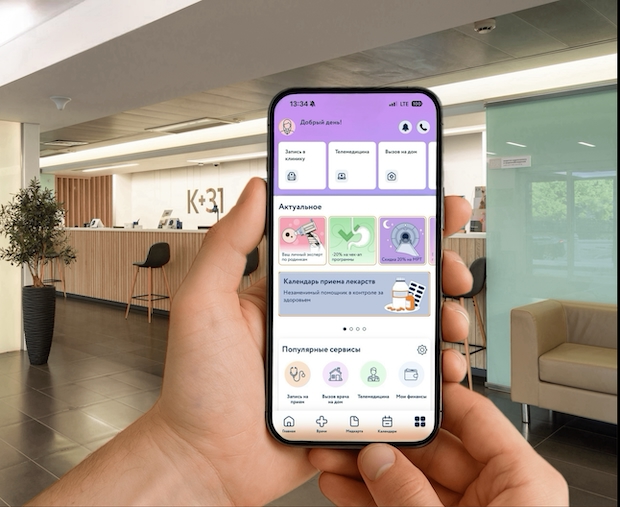
Приложение «Личный кабинет К+31»











Об услуге
Храп возникает в области горла, что часто направляет людей к специалисту по ЛОР-заболеваниям. Многие полагают, что решение проблемы кроется именно здесь. Отоларингологи зачастую предлагают проведение увулопалатопластики, так как операция избавляет от храпа.
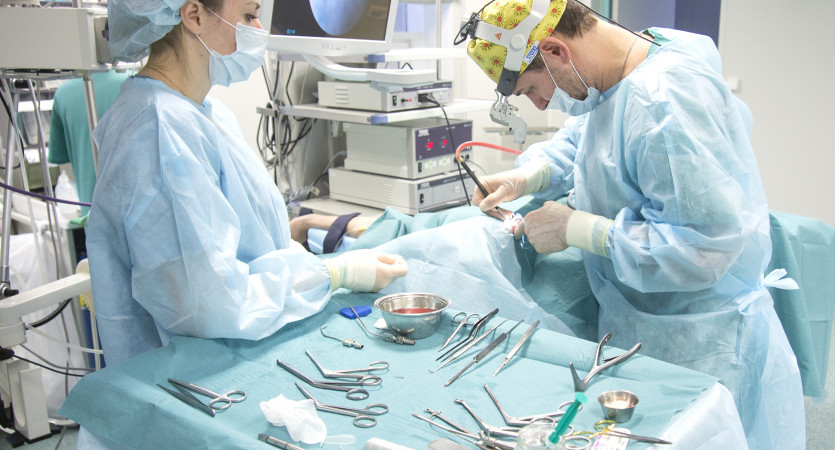
Процедура считается относительно простой: она выполняется амбулаторно под местным обезболиванием и стоит недорого. В ходе операции удаляется часть мягкого неба и язычок, что расширяет дыхательные пути. Иногда проводятся дополнительные манипуляции для уменьшения подвижности тканей в этой области.
После увулопалатопластики пространство для дыхания увеличивается, мягкие структуры становятся менее подвижными, что теоретически должно устранить храп. Однако на практике успешность метода не гарантирована, особенно при тяжелом обструктивном апноэ.