
Прием сурдолога
Сурдология – это медицинское направление, которое занимается нарушениями слуха и помогает человеку снова уверенно слышать в работе, общении и быту. В центре внимания – слуховой аппарат и все, что влияет на качество восприятия звуков: как тихих, так и разговорной речи в шумной обстановке. На приеме выполняется точная диагностика (определяют тип снижения слуха и возможную причину), после чего врач предлагает понятный план: наблюдение, коррекцию факторов риска или лечение. В отличие от ЛОР-врача, который ведет широкий круг заболеваний уха, горла и носа, сурдолог фокусируется именно на слуховой функции и ее восстановлении.

специалисты

оборудование

лечения
Если вы заметили нарушение слуха или изменения восприятия звуков, лучше не откладывать визит: чем раньше пациент попадает к специалисту, тем проще разобраться в причине и подобрать решение. Обратиться стоит и взрослый, и если жалобы есть у ребенок – особенно при повторяющихся ситуациях, когда «слышит через раз», переспрашивает или быстро устает от шума. Ниже – конкретные показания, при которых запись к сурдологу особенно рекомендована.
Показания для записи к сурдологу
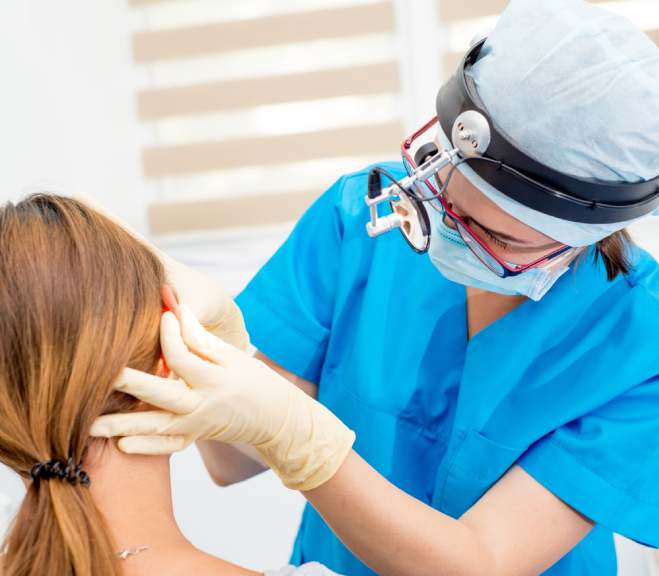
Платный сурдолог помогает людям с проблемами слуха. Если вы заметили у себя или у близких признаки ухудшения восприятия звуков, стоит обратиться к этому специалисту. Вот основные показания для консультации сурдолога:
- Снижение слуха в шумной обстановке, необходимость в повторении сказанного собеседником
- Частые ушные инфекции, боли, отек слухового прохода, водянистые или гнойные выделения
- Постоянный шум, писк, звон в ушах
- Трудности с восприятием высоких звуков (детского голоса или звонкого смеха)
- Сахарный диабет или гипертония, влияющие на восприятие звуков. Если у вас есть хронические заболевания, регулярный осмотр помогает предотвратить возможные проблемы
- Внезапная потеря слуха одним или обоими ушами
Если вам уже назначили использование слухового аппарата, обратитесь к сурдологу клиники “К+31” для выбора и настройки устройства. Наши квалифицированные специалисты проведут осмотр, сориентируют по стоимости приборов, подскажут, какую модель лучше выбрать.
Какие заболевания лечит сурдолог?
Сурдолог занимается лечением врожденных аномалий ушей: недоразвития или дефектов ушных структур, которые могут влиять на восприятие звуков. Используются консервативные или оперативные методы лечения. Также доктор занимается реабилитацией после травм, вызванных воздействием громких звуков или шума. Сурдолог рекомендует защитные устройства для ушей и лечение, направленное на минимизацию последствий травмы. Консультация помогает точно определить проблему и выбрать оптимальный способ лечения.
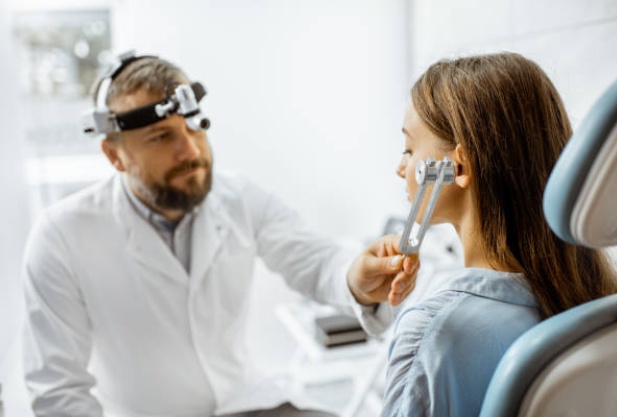
Предлагаем ознакомиться с основными заболеваниями, которые лечит врач сурдолог в Москве:
- Сенсоневральная тугоухость Ухудшение слуха из-за повреждения внутреннего уха или слухового нерва. В лечении используются слуховые аппараты, кохлеарные имплантаты, преобразующие звуки в электрические сигналы, которые стимулируют слуховой нерв
- Проводниковая тугоухость Заболевание, при котором звук не может эффективно передаваться от внешнего уха к внутренним структурам. Лечение включает медикаменты или хирургическое вмешательство для восстановления нормальной передачи звука
- Тиннитус Постоянный шум или звон в ушах. Для улучшения кровообращения в ухе применяются сосудорасширяющие препараты. Если тиннитус связан с потерей слуха, используются слуховые аппараты
- Вестибулярные нарушения Вызывают головокружение и потерю равновесия. Сурдолог совместно с другими специалистами разрабатывает комплекс лечения и восстановления
- Ушные инфекции Отиты различной степени сложности, от легких до хронических. Лечение включает антибиотики, промывание ушей или хирургическое вмешательство
Диагностика в сурдологии
Диагностика в сурдологии обычно проходит по понятному сценарию и занимает минимум времени: цель – быстро и точно оценить диагностика слуха, определить тип снижения и выбрать дальнейшую тактику. В медицинский центр обследование строится по этапам, чтобы ничего не упустить и не назначать лишнего.
Сначала проводится первичный прием и сбор анамнеза: врач уточняет жалобы, когда они появились, были ли ЛОР-заболевания у родственников, какие болезни и лекарства могли повлиять на слух. Затем выполняется осмотр наружного слухового прохода и барабанной перепонки с помощью отоскопа или отомикроскопа – это помогает увидеть воспаление, серные пробки и другие причины ухудшения слышимости.
Методы проверки слуха
Для первичной оценки используют несколько базовых тестов: осмотр уха, проверка слуха с помощью тональной и речевой аудиометрии, а также измерение функции среднего уха (тимпанометрия). Такой набор помогает быстро понять, где «слабое звено» слуховой системы.
Аудиометрия
Аудиометрия – основной метод, с которого обычно начинается диагностика слуха. Пациент слышит сигналы разной частоты и громкости в наушниках, а врач фиксирует пороги слышимости и строит аудиограмму. Это помогает определить степень снижения слуха и предположить тип нарушения. Дополнительно тест показывает, какие частоты «выпадают» сильнее всего, что важно для выбора дальнейшей тактики и рекомендаций.
Тимпанометрия
Тимпанометрия оценивает, как работает среднее ухо и слуховой аппарат в части звукопроведения: измеряется подвижность барабанной перепонки и реакция на изменения давления. Метод особенно полезен при ощущении «заложенного уха», после отитов, при подозрении на жидкость за перепонкой или дисфункцию слуховой трубы. Результат помогает понять, почему звук проходит хуже и какую тактику выбрать дальше.
По показаниям врач может назначить дополнительные исследования: электрокохлеографию (оценка активности внутреннего уха) и акустическую рефлексометрию (проверка нервных рефлексов); эти процедуры обычно безболезненны и занимают 5–20 минут.
Если есть подозрение, что нарушение слуха связано с другими состояниями, врач направляет пациента на консультацию к смежным специалистам (например, неврологу, кардиологу или терапевту), чтобы собрать полную картину и выбрать наиболее эффективный план.
Как проходит прием сурдолога?
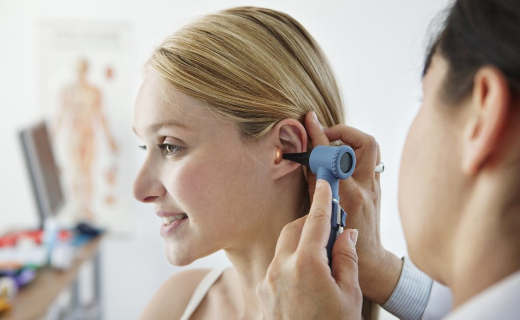
Сначала выбирается удобный способ запись: можно оформить ее онлайн или уточнить детали по телефону. Далее проходит прием: врач собирает жалобы, уточняет, когда появились симптомы и как они влияют на повседневную жизнь. Затем выполняется диагностика – осмотр уха и проверка слуха (аудиометрия, тимпанометрия и другие тесты по показаниям). В конце пациент получает понятные рекомендации: что делать дальше, нужно ли лечение или наблюдение, и когда прийти на контроль. Дополнительно врач объясняет результаты простыми словами и отвечает на вопросы, чтобы план действий был максимально понятным.
Вызов специалиста на дом
Вызов сурдолога на дом в Москве — хорошее решение для тех, кто из-за ограниченной подвижности или проживания в удаленных районах не может посетить медицинский центр “К+31”. Услуга сурдолога включает в себя комплексную диагностику: сбор анамнеза, отоскопию и проверку слуха. Проведение обследования и консультаций в привычной для пациента среде помогает снизить стресс и тревогу, что особенно важно для детей и пожилых людей.

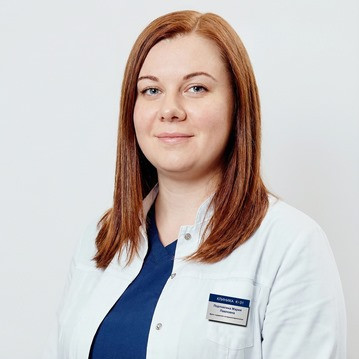
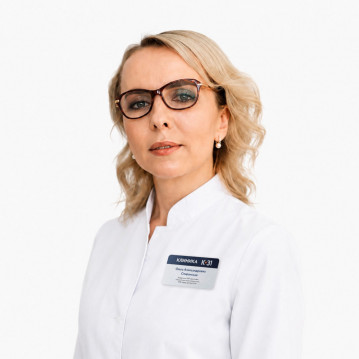
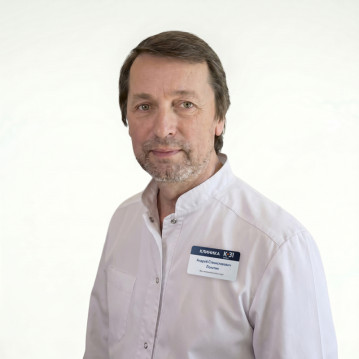
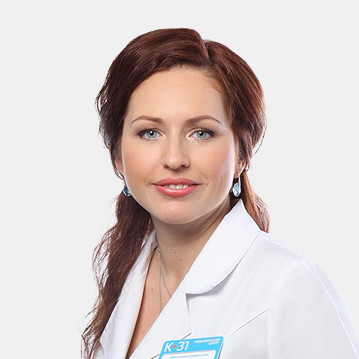
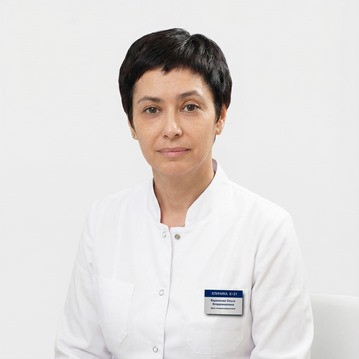
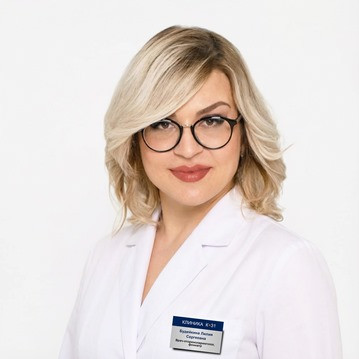
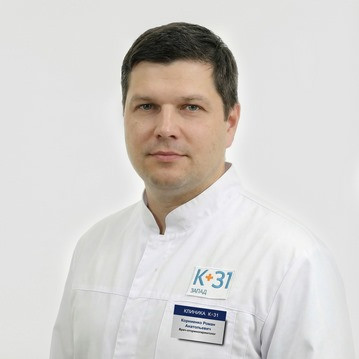
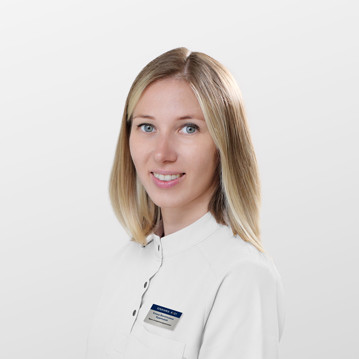
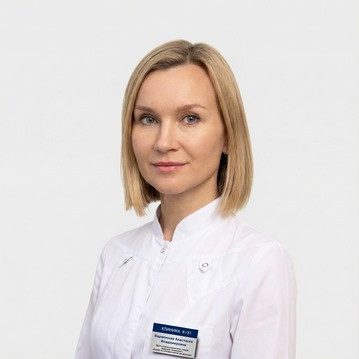
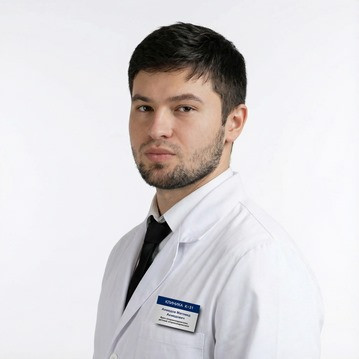
Наши врачи
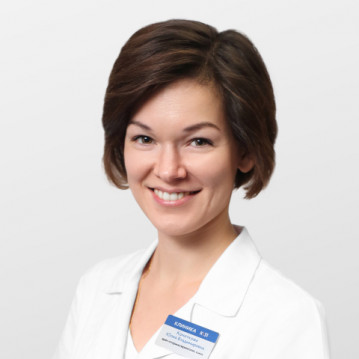

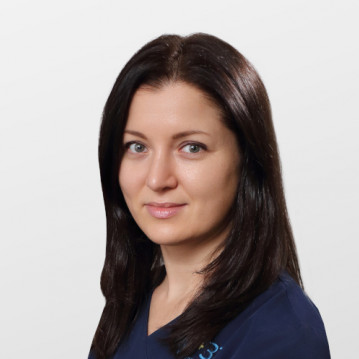
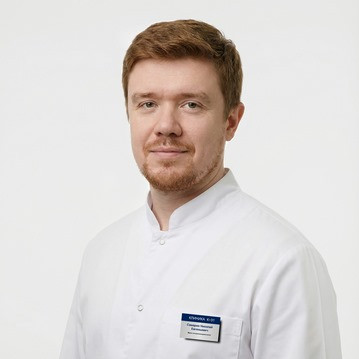
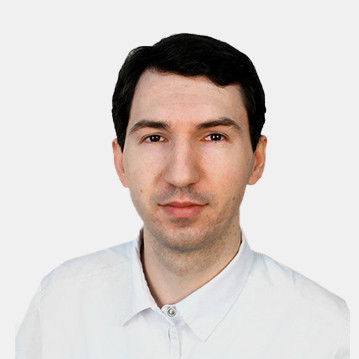
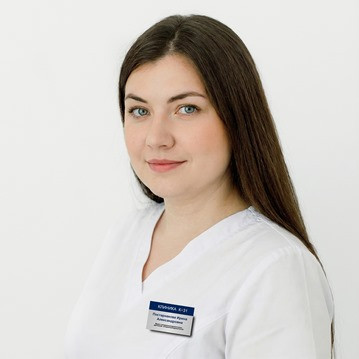
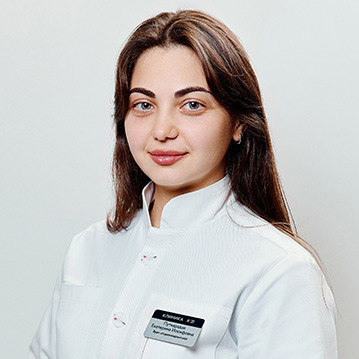

Такая награда выдаётся клиникам с самым высоким рейтингом по оценкам пользователей, большим количеством обращений с данной площадки, при отсутствии критичных нарушений.

Такая награда выдается клиникам с самым высоким рейтингом по оценкам пользователей. Она означает, что место знают, любят и сюда точно нужно зайти.

Портал ПроДокторов собрал 500 тысяч отзывов, составил по ним рейтинг врачей и наградил лучших. Гордимся, что среди награжденных есть наши врачи.
Запишитесь на прием в удобное время на ближайшую дату






Стоимость
Отзывы

Записаться на прием




Наши клиники


Приложение «Личный кабинет К+31»












Кто такой сурдолог?
Врач-сурдолог — это специалист в области медицины, который занимается выявлением и лечением заболеваний среднего и внутреннего уха, нарушений восприятия звуков у людей всех возрастных групп. Сурдолог-отоларинголог проводит тесты и обследования, чтобы определить уровень слуха, обнаружить возможные причины его ухудшения.
Для проверки слуха у сурдолога используются аудиометры. Они помогают оценить способность пациента слышать звуки разной громкости и тональности. На основании результатов медицинских обследований врач назначает лекарственные препараты, физиотерапевтические процедуры или ношение слуховых аппаратов. В некоторых случаях требуется хирургическое вмешательство.
Сурдолог в Москве также проводит консультации пациентов о методах ухода за ушами и профилактике заболеваний. Он дает рекомендации по использованию слуховых аппаратов и других устройств, которые помогают улучшить качество жизни людей с нарушениями слуха.