Washing the lacunae of the tonsils

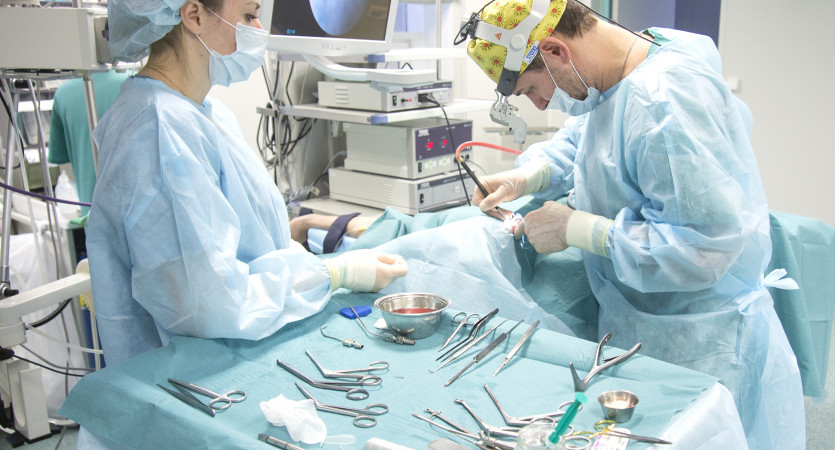
Syringe or hardware lavage of tonsil lacunae in Moscow at the K+31 clinic is performed by qualified experienced ENT doctors, which allows you to achieve excellent health results in a comprehensive program for the treatment of infectious and inflammatory pathologies of the throat.

Best
specialists
Expert
equipment
Advanced diagnostic
treatment
Sign up
Fill out the entry form on the page and we will call you back
SUBMIT YOUR APPLICATION Позвонить
Download the application “Personal Account K+31”
Everything about your health in one click!
Subscribe to social networks K+31
To keep up to date with current offers and receive useful advice about your health.

What is a tonsillar lavage?

A tonsillar lavage is a therapeutic ENT procedure in which a doctor cleans the cavities (lacunae) in the palatine tonsils of purulent contents and bacterial plaque. A lacuna is a natural "pocket" on the surface of the tonsil: during inflammation, mucus, bacteria, and pus become trapped within it, forming plugs and sustaining infection. During lavage, the lacunae are flushed with a stream of solution and/or a vacuum, sometimes with the use of medicinal antiseptics. This differs from a regular gargle in that gargling only cleanses the throat, while rinsing targets the lacunae and provides a therapeutic effect as part of the treatment.

Why irrigate your tonsils?

In chronic tonsillitis, the infection often persists because purulent masses and plugs remain deep within the lacunae, periodically "feeding" the inflammation. If these plugs are not removed, symptoms return: throat discomfort, unpleasant odor, exacerbations, and an increased risk of complications from adjacent tissues. Regular sanitation helps break this cycle: the procedure reduces the microbial load, decreases the frequency of exacerbations, and improves well-being. In some cases, irrigating the tonsils can help preserve them and postpone their removal if the doctor determines that the organ can still be stabilized conservatively.

About the disease

One of the most common ENT pathologies are infectious and inflammatory diseases of the pharynx. Medicinal rinsing of the lacunae of the palatine tonsils (tonsils) allows you to remove purulent masses and reduce the infectious load on the body, which contributes to a speedy recovery and the prevention of complications.

You can undergo the procedure at the K+31 multidisciplinary medical center in Moscow. The clinic has modern expert-class equipment and high-quality medicines. For all services, including washing of tonsil lacunae, the price is affordable for all patients.

About the disease
Where are the tonsils located and what happens during the disease?

Tonsils are made up of lymphoid tissue and are part of the lymphatic system in the body. There are five tonsils in the throat - paired pharyngeal and palatine tonsils, one lingular. Together they form the so-called lymphatic pharyngeal ring, a real protective gate on the path of infectious agents.

When pathogens enter the nasopharynx and oropharynx, they settle on the surface of the tonsils, where they are neutralized by lymphocytes and washed away by saliva when swallowed. A healthy person does not notice this process. However, in some cases the body can no longer cope with the infectious load. With hypothermia and a decrease in immunity, pathogenic elements do not receive resistance from the immune system, begin to multiply intensively and spread the inflammatory process to neighboring structures. The tonsils greatly increase in size, begin to hurt, and dead lymphatic, epithelial cells and pathogens accumulate in the recesses of the lymphoid tissue, lacunae and crypts, forming purulent plugs - a constant source of further infection of the body.

If the tonsils are not freed from plaque in time, the infection enters the blood and spreads throughout the body. Frequent complications of prolonged untreated tonsillitis are damage to the kidneys, heart muscle, and genitourinary system.

Benefits of rinsing

Widespread gargling does not bring the same effect as washing the lacunae of the tonsils with a syringe or a special device. The procedure allows for immediate relief of the condition, accelerates recovery after an acute period of inflammatory disease, and achieves long-term remission in the chronic form.

Main advantages of the technique:

  • An effective way to avoid surgical treatment is tonsillectomy (tonsillectomy)
  • Wide range of indications, including pregnant women, nursing mothers, children, people with drug allergies
  • No complications, side effects
  • Rinsing is effective and has the ability to instantly alleviate the patient’s condition with massive purulent plugs
  • Eliminating the inflammatory focus, restores the immune system

More about the procedure

Indications for the procedure

The presence of purulent caseous plugs in the recesses of the lymphoid tissue is the main reason for prescribing sanitation. If previous conservative treatment has not produced any results, the procedure will improve the condition.

Main indications:

  • Frequent sore throats, relapses of chronic tonsillitis, tonsillopharyngitis 3 or more times a year
  • Constant pain in the throat
  • Enlarged lymph nodes in the neck combined with sore throat and dense plugs in the lacunae
  • Symptoms of general intoxication - weakness, constant headache, nausea, loss of appetite

Medicinal lavage of tonsil lacunae is performed in children from 6-7 years of age. The indications and restrictions for small patients are the same as for adults.

Contraindications and restrictions

Children under 6 years of age are a limitation for performing sanitation of the tonsils with this method, because young children cannot consistently control the gag reflex and withstand discomfort during the procedure.

Manual or mechanical rinsing of tonsil lacunae is contraindicated for:

  • Acute inflammatory process
  • High body temperature, fever, infectious respiratory processes
  • Injuries, ulcers of the mucous membrane
  • Exacerbation of chronic pathologies
  • Tuberculosis
  • Oncological neoplasms
  • Pathologies of the lower jaw joint
  • Convulsive syndrome, some mental pathologies

A relative limitation to the procedure is a condition in which a person has an increased gag reflex. In this case, the doctor recommends coming to the session on an empty stomach, and also taking medications that reduce the sensitivity of the mucous membranes to the irritant.

Preparation for sanitation of tonsils

No complicated preparation for the procedure is required on the patient’s part. To reduce the likelihood of a gag reflex, the last meal should be taken no later than 6 hours before the session. This should be a light dish. Drinking a lot of liquid is also not recommended.

If there are suspicions of other pathologies in the pharynx or diseases of the internal organs, the doctor will prescribe a preliminary examination. This may include:

  • General clinical tests of blood and urine
  • Ultrasound of the thyroid gland, internal organs
  • Throat swab, bacterial culture

On the day of the procedure, the patient is advised to avoid being outside in cold weather and not to perform heavy physical work.

Сколько длится сеанс и сколько процедур необходимо

Очищение одной стороны ручным способом выполняется около 10 минут, вакуумное промывание лакун миндалин длится 5-7 минут.

Для лечебного очищения гланд одного сеанса недостаточно. В зависимости от вида и стадии патологии, доктор может назначить ручное или вакуумное очищение курсом от 4 до 10 сеансов ежедневно или с перерывом в 1-2 дня.

Result and recovery

After the session, pain in the throat area is possible. This is normal and does not require treatment. Doctors recommend not drinking hot drinks, eating spicy, hot food or anything that can irritate the throat for a day after the procedure. Alcohol should be prohibited throughout the treatment.

Manipulation allows you to stop the toxic effects of pathogens on the body, eliminating the risk of exacerbation and complications. Therefore, the procedure brings noticeable relief to the patient’s condition from the first session.

Within a few days after washing the lacunae of the tonsils, purulent plugs may come away. Recommendations for additional gargling are given by the doctor; you should not use folk and home remedies on your own, so as not to provoke complications.

If, after a therapeutic course of sanitation, pain continues, the discharge of pus from the lacunae, swelling, the ENT doctor decides on a radical method - excision of the tonsils, or tonsillectomy.

The effect of the procedure is often felt after the first session: pain and discomfort in the throat are reduced, swallowing becomes easier, and unpleasant odor is reduced. This result is due to the removal of purulent contents and a decrease in the microbial load. In chronic cases, significant improvement occurs over the course of treatment – ​​an average course typically includes 4 to 10 treatments, depending on the condition of the tonsils and the response to treatment.

The achieved effect can last for several months, especially if the patient follows the doctor's recommendations and maintenance therapy. After the treatment course, one should expect a decrease in the frequency of exacerbations, a more relaxed course of chronic tonsillitis, and an overall improvement in the patient's well-being. In the first few days after the sessions, soreness and the passage of mucus are normal – this is a normal part of recovery, which the doctor will warn you about in advance.

Possible complications after tonsillar lavage

Lacuna lavage is a medical procedure that is generally well tolerated, but some patients may experience temporary side effects. These include sore throat after the procedure, a brief increase in the gag reflex, and a feeling of irritation of the mucous membrane. In rare cases, microtrauma to the tonsil surface may occur, especially with severe inflammation or increased sensitivity.

It is important to understand that with proper technique and the specialist's experience, the risk of complications is minimal. The doctor selects the method based on the tissue condition and individual characteristics, which helps avoid harsh treatment and unnecessary discomfort. Following the recommendations after the procedure further reduces the likelihood of unwanted consequences and promotes a smooth recovery.

Methods for rinsing the lacunae of the tonsils

ENT practitioners use several methods for lacunae sanitation, each varying in the depth of cleansing, the patient's experience, and the technical execution. The choice of method depends on the severity of the inflammation, the density of the plugs, the sensitivity of the mucosa, and the treatment goals. Below are the main irrigation methods, which the doctor may use individually or in combination to enhance the effect.

Syringe Method

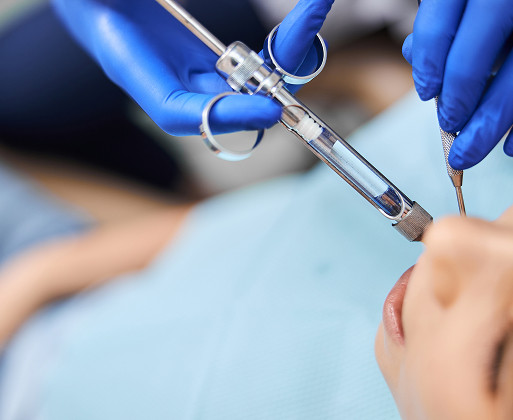
Irrigation of the palatine tonsil lacunae with a syringe is a classic manual sanitation method still used in ENT practice. A special syringe with a thin cannula and a blunt, rounded tip is used for the procedure to reduce the risk of tissue injury.

The manual sanitation algorithm includes several stages. The patient is seated in an ENT chair or on a treatment table; if a pronounced gag reflex is present, the oropharyngeal mucosa is pre-irrigated with lidocaine solution. If necessary, a swab for microflora is taken before irrigation. The doctor then draws an antiseptic or medicinal solution into the syringe and carefully inserts the cannula into the lacuna. By applying pressure to the plunger, the specialist flushes out the contents of the lacunae, and the patient spits the liquid into a tray. The procedure is performed on both sides of the pharyngeal ring.

Vacuum Method

Vacuum irrigation is considered a deeper and gentler method of sanitation. Due to the reverse suction system, fluid and pathological contents are prevented from spreading into the oropharynx, making this method generally easier to tolerate than manual lavage.

Cleansing is performed under negative pressure, which allows for the effective removal of dense plugs and pus from deep within the lacunae. This approach reduces the risk of residual inflammation and is often used for chronic tonsillitis with frequent exacerbations.

Using the Tonsillor Device

The Tonsillor device combines vacuum lavage with ultrasound. Ultrasound helps break up dense plugs, has an anti-inflammatory and antimicrobial effect, and a vacuum aspirator removes all contents of the lacunae. The device also allows for the delivery of antiseptic solutions into the deeper layers of the tonsils.

The procedure is performed in stages: the doctor adjusts the device's operating mode, administers local anesthesia if necessary, and then alternately cleans the tonsils with vacuum and ultrasound lavage. Machine and syringe lavage are often combined in a single session – first, the superficial contents are removed, followed by a deeper cleaning.

Washing methods

Rinsing the lacunae of the palatine tonsils with a syringe

The manual method of sanitation is considered by some to be outdated, but it is still successfully used in ENT practice. For the procedure, a special syringe with a thin tube (cannula) with a blunt rounded end attached to it is used.

Manual sanitation algorithm:

  1. The patient sits on a couch or ENT chair. If the patient has an increased gag reflex, local anesthesia is used. To do this, the oropharynx is irrigated with a lidocaine solution. The drug has an anesthetic effect and reduces the gag reflex
  2. If it is necessary to first take a smear to study pathogenic microflora, the manipulation is performed before washing
  3. ENT doctor draws a solution for sanitation into a syringe
  4. The tip of the cannula is carefully inserted into one of the lacunae, trying not to injure the tonsil tissue
  5. By applying pressure to the syringe piston, a jet is created that enters the depths of the lacuna and washes out all the contents from it and neighboring recesses
  6. A horseshoe-shaped tray is held under the patient’s chin, into which he periodically spits out all the liquid
  7. The procedure is performed twice, on each side of the pharyngeal ring

Manual and vacuum washing of the lacunae of the palatine tonsils is performed with water (temperature no higher than 37℃), antiseptic solutions (miramistin, furatsilin, etc.), antibiotics or antifungal agents, depending on the nature of the disease.

Vacuum rinsing of tonsil lacunae

This progressive treatment method is more effective as it allows for deep and thorough cleaning. It is better tolerated by patients than manual rinsing, as it has a liquid reabsorption system.

Rinsing of the lacunae of the tonsils under negative pressure is performed with the Tonsillor apparatus, in which the generated ultrasonic wave acts in parallel with vacuum discharge. Ultrasound breaks up dense plugs well, simultaneously providing an antimicrobial and anti-inflammatory effect on the tissue of the tonsils, and a vacuum aspirator captures a lot of pathogenic contents of the lacunae, bringing them out. The device allows you to deliver antiseptic agents to the deep layers of the tonsils.

Hardware rinsing of tonsil lacunae with Tonsillor allows you to achieve three goals simultaneously:

  • Remove all pathogenic contents from lymphoid formations with a vacuum aspirator
  • Provide a physiotherapeutic effect on the tonsil area thanks to the therapeutic effects of ultrasound
  • Enhance the therapeutic effect by using antiseptics for rinsing

The procedure follows the following algorithm:

  1. The doctor sets the required operating mode on the device, selecting it for the patient and the nature of the disease
  2. The patient sits in an ENT chair or on a couch. A smear is taken for further analysis in the laboratory
  3. Sensitive people are pre-irrigated with a lidocaine solution in their oropharynx to reduce the urge to vomit
  4. The doctor inserts the nozzle of the Tonsillor device into the patient's oral cavity. Near the tip there is a container for collecting the aspirated mass from the lacunae, which at the same time serves as a limiter to the nozzle
  5. Using a vacuum, the contents of the recesses in the tonsil are sucked out
  6. The doctor changes the attachment on the device. Now the lacunae are exposed to ultrasound for thorough cleaning in the most inaccessible corners of the formation while simultaneously washing them with a medicinal solution
  7. The amygdala on the other side is cleaned using the same algorithm

Often in ENT practice, the manual method of washing lacunae with a syringe and the hardware method are combined in one procedure, increasing efficiency. To do this, first clean the tonsils with a stream of water from a syringe, and then use a device for more thorough and deep cleaning.

Sanitation of tonsils at the K+31 clinic

In “K+31” you can receive qualified, diverse assistance from experienced ENT doctors and undergo treatment. We perform rinsing of tonsil lacunae with Tonzillor in Moscow using modern equipment, carefully observing the treatment regulations of the procedure.

Our advantages:

  • Disposable instruments, the latest multifunctional Tonsillor devices
  • An integrated approach to treatment using therapy, minimally invasive surgical methods, physiotherapy, etc.
  • Democratic prices in Moscow for washing tonsil lacunae and other ENT procedures that are available to all our patients

The low cost of the procedure for washing the tonsils allows you to use this service regularly if necessary. An appointment can be made during a personal visit to the K+31 clinic, by phone or through the feedback form on the website.

Sanitation of tonsils at the K+31 clinic

Our doctors

Spiranskaya Olga Aleksandrovna
Experience 19 years
Make an appointment
Spiranskaya
Olga Aleksandrovna
Head of the otolaryngology department, leading otolaryngologist, ENT surgeon, pediatric ENT
Tetzoeva Zalina Muratovna
Experience 25 years
Make an appointment
Tetzoeva
Zalina Muratovna
Deputy chief physician for outpatient care, otolaryngologist, surgeon
Kochetkova (Minavnina) Yulia Vladimirovna
Experience 14 years
Make an appointment
Kochetkova (Minavnina)
Yulia Vladimirovna
Leading otolaryngologist, ENT surgeon, pediatric ENT
Osipova Irina Andreevna
Experience 26 years
Make an appointment
Osipova
Irina Andreevna
Head of the center for otolaryngology and ENT rheumatology, otolaryngologist, surgeon, leading specialist, expert in ENT pathology in autoimmune diseases
Lapshina Anastasia Andreevna
Experience 12 years
Make an appointment
Lapshina
Anastasia Andreevna
Otolaryngologist, audiologist
Samarin Nikolay Evgenyevich
Experience 19 years
Make an appointment
Samarin
Nikolay Evgenyevich
ENT doctor
Lopatin Andrew Stanislavovich
Experience 46 years
Make an appointment
Lopatin
Andrew Stanislavovich
Otorhinolaryngologist, surgeon
Portnyagina Maria Pavlovna
Experience 14 years
Make an appointment
Portnyagina
Maria Pavlovna
Audiologist-otorhinolaryngologist
Kaspranskaya Galina Rustemovna
Experience 28 years
Make an appointment
Kaspranskaya
Galina Rustemovna
Otorhinolaryngologist, otoneurologist, audiologist
Koblova Tatyana Alexandrovna
Experience 23 years
Make an appointment
Koblova
Tatyana Alexandrovna
ENT doctor
Punkov Maxim Anatolevich
Experience 21 year
Make an appointment
Punkov
Maxim Anatolevich
ENT doctor
Varenkova Olga Vladimirovna
Experience 26 years
Make an appointment
Varenkova
Olga Vladimirovna
Otorhinolaryngologist
Budeikina Liliya Sergeevna
Experience 12 years
Make an appointment
Budeikina
Liliya Sergeevna
Otorhinolaryngologist, phoniatrist
Kornienko Roman Anatolievich
Experience 28 years
Make an appointment
Kornienko
Roman Anatolievich
Otorhinolaryngologist
Budnitskaya Elena Vasilievna
Experience 13 years
Make an appointment
Budnitskaya
Elena Vasilievna
Otorhinolaryngologist
Varvyanskaya Anastasia Vladimirovna
Experience 22 years
Make an appointment
Varvyanskaya
Anastasia Vladimirovna
Otolaryngologist, surgeon, leading specialist, expert in olfactory dysfunction
Mamedov Vasif Eivaz ogly
Experience 9 years
Make an appointment
Mamedov
Vasif Eivaz ogly
Audiologist
Chekaldina Elena Vladimirovna
Experience 14 years
Make an appointment
Chekaldina
Elena Vladimirovna
Leading otolaryngologist, ENT surgeon, pediatric ENT
Samusenkova Ksenia Vladislavovna
Experience 6 years
Make an appointment
Samusenkova
Ksenia Vladislavovna
Otorhinolaryngologist
Polivoda Anna Mikhailovna
Experience 20 years
Make an appointment
Polivoda
Anna Mikhailovna
Otorhinolaryngologist, audiologist, otoneurologist
Balybina Natalia Alekseevna
Experience 5 years
Make an appointment
Balybina
Natalia Alekseevna
Otorhinolaryngologist
Malyavina Ulyana Stanislavovna
Experience 28 years
Make an appointment
Malyavina
Ulyana Stanislavovna
Leading otolaryngologist, ENT surgeon, pediatric ENT
Latysheva Elena Nikolaevna
Experience 16 years
Make an appointment
Latysheva
Elena Nikolaevna
Leading otolaryngologist, ENT surgeon, pediatric ENT
Krasnosheeva Ekaterina Alexandrovna
Experience 9 years
Make an appointment
Krasnosheeva
Ekaterina Alexandrovna
Otorhinolaryngologist
Gergiev Vladimir Felixovich
Experience 10 years
Make an appointment
Gergiev
Vladimir Felixovich
Otorhinolaryngologist
All specialists
2GIS Award
2GIS Award

This award is given to clinics with the highest ratings according to user ratings, a large number of requests from this site, and in the absence of critical violations.

«Good place» according to Yandex

This award is given to clinics with the highest ratings according to user ratings. It means that the place is known, loved, and definitely worth visiting.

Our doctors are laureates of the ProDoctors Award

The ProDoctors portal collected 500 thousand reviews, compiled a rating of doctors based on them and awarded the best. We are proud that our doctors are among those awarded.

Make an appointment at a convenient time on the nearest date

Price

Otorhinolaryngologist primary appointment
from 6 450 ₽
Otolaryngologist repeated appointment
from 5 700 ₽
Reception of an otorhinolaryngologist at home in Moscow within the Moscow Ring Road
from 18 810 ₽
Planned remote online consultation of an otorhinolaryngologist using telemedicine technologies

Other services

Septoplasty is a surgery to correct the nasal septum. Audiometry Endoscopic surgery Receptoplasty (repeated operations) Otoneurologist Appointment Snoring treatment Sinus lift with implantation Rhinitis Treatment of tonsillitis Ear injury Laryngitis Inflammation of ENT organs Nose valve surgery Silent sinus syndrome treatment Treatment of perforation of the nasal septum Insufficient nasal valve Foreign bodies of the nasal cavity and sinuses Pharyngitis Treatment Hearing aids Voice surgery Pneumomassage Nasal block Catheterization of the auditory tube Washing the attic Paracentesis Blowing of the auditory tubes according to Politzer Otoscopy Cholesteatoma Paresis of the larynx Throat fungus Laryngeal stenosis Nasal rinsing using the Proetz method Endolaryngeal infusion Operative otolaryngology Removing wax plug ENT smear OCHA hearing study Videoendoscopy of the nasopharynx Otoacoustic emissions Hymotorhotomy - endoscopic surgery on the high seas Tympanometry Surgical treatment of snoring Diagnostics in otolaryngology Uvulopalatoplasty (surgery for snoring) Nasal Polyp Removal (Polypotomy) Transtympanic injection of drugs Adenotomy Tonsil removal (tonsillectomy) Endoscopy of ENT organs Nasal rinsing Allergic rhinitis Nose fracture Frontit Angine treatment Rhinoscopy Laringoscopy - endoscopy of throat and hortanium Nose repositioning Calling a children's ENT (otolaryngologist) to your home Endoscopic sinusotomy Consultation with an ENT doctor ENT surgeon Pharyngoscopy Calling an ENT (otolaryngologist) to your home Endoscopy of the throat and larynx (laryngoscopy) 24-hour appointment with an ENT doctor Polysinusotomy Impedancemetry Conchoplasty (Conchotomy) Treatment of sore throat in children Endoscopic removal of a maxillary sinus cyst Laser vasotomy Endoscopy of the nose and nasopharynx for children Vasotomy of the nasal turbinates Radio wave vasotomy of the nasal turbinates Hearing test Binaural hearing aids Endoscopy of the nose and nasopharynx Hearing correction Pediatric ENT surgeon Phoniatrician Appointments Sinus Cyst Removal Hearing aid adjustment Infundibulotomy Sphenoidotomy Submucous inferior osteoconchotomy Tracheostomy Abscess tonsillectomy Rhinoseptoplasty Audiologist appointment Endoscopic polysinsotomy Labyrinthitis (internal vault) Kashel in laringe The role of inhalation in inflammation of the larynx Nasal boil Exudative otitis media Treatment of Meniere's disease Treatment of sinusitis

Appointment to the doctor

Fill out the form, our managers will contact you within 15 minutes

Reviews

I'll be back, I've been watching Julia Vladimir for years, always getting answers to my questions and help! Thank you!
28.02.2026
P. Margarita Anatolyevna
Zalina Muratovna, a deep bow for your hard work every day! Take care of yourself.
12.02.2026
B. Nadezhda Alekseevna
Excellent doctor. Calm, attentive, professional.
06.02.2026
Z. Tatyana Gennadievna
THE BEST DOCTOR WITH A PROFESSIONAL AND ATTENTIVE APPROACH! Elena Vasilievna is very attentive! I thank her for everything!
06.02.2026
K. Tatyana Olegovna
A huge thank you to Tatyana Alexandrovna. She was friendly and positive. She explained the procedure clearly. At the end of the appointment, she reiterated how to take the medications and perform the procedures. It's so nice to feel cared for.
06.02.2026
B. Natalia Ivanovna
An excellent doctor, a master of his craft!
03.02.2026
S. Olga Yuryevna

About doctor:

Osipova Irina Andreevna

I had a planned tonsillectomy with E.V. Chekaldina. She's truly a God, not a doctor. As a patient with high anxiety, I received answers to all my questions. She also provided moral and psychological support before and after the procedure. The surgery itself was excellent, with a quick recovery. Visiting Elena Vladimirovna was like visiting a special someone.
30.01.2026
Gregory K.
Zalina Muratovna, I express my deep gratitude to you for your tremendous assistance, high-quality treatment, and professionalism in your work.
29.01.2026
Nadezhda B.
Excellent doctor, helped me with the treatment of a lingering runny nose. I am very grateful to her.
26.01.2026
L. Alexander Sergeevich
Huge thanks to Magomed Akhmedovich for his professionalism and attentive attitude.
25.01.2026
T. Elizaveta Igorevna
Почему К+31?
К + 31 — full-cycle multidisciplinary medical centers, including the possibility of providing medical services of European quality level.
К + 31 — are leading doctors and diagnostics using high-tech equipment from world manufacturers (Karl Storz, Olympus, Siemens, Toshiba, Bausch&Lomb, Technolas, Zeiss, Topcon).
К + 31 — is ethical. The staff of K+31 clinics maintain open relationships with patients and partners. An individual approach to each patient is the basis of our service standards.
К + 31 — is modernity. On call 24/7: call center operators will answer your questions at any time and book you an appointment with doctors. Contact us by phone, through the feedback form on the website and Max.

Our clinics

K+31 on Lobachevskogo

st. Lobachevskogo, 42/4

+7 499 999-31-31

Subway
1
11
Prospect Vernadsky Station
By a car
Lobachevsky, we pass the first barrier (security post of the City Clinical Hospital No. 31), turn right at the second barrier (security post K+31)
Parking pass
Opening hours
Mon-Fri: 08:00 – 21:00
Weekend: 09:00 – 19:00
K+31 Petrovskie Vorota

1st Kolobovsky pereulok, 4

74999993131

Subway
9
Tsvetnoy Bulvar
10
Trubnaya
By a car
Moving along Petrovsky Boulevard, turn onto st. Petrovka, right after - on the 1st Kolobovsky per. Municipal parking
Opening hours
Mon-Fri: 08:00 – 21:00
Sat-Sun: 09:00 – 19:00
K+31 West

Orshanskaya, 16/2; Ak. Pavlova, 22

74999993131

Subway
3
Molodezhnaya
By a car
Moving along Orshanskaya street, we turn to the barrier with the guard post K+31. You do not need to order a pass, they will open it for you
Opening hours
Mon-Fri: 08:00 – 21:00
Sat-Sun: 09:00 – 18:00
Didn't find the service you were looking for?

Экстренная помощь