
MRI during pregnancy
Magnetic resonance imaging (MRI) during pregnancy often causes anxiety in expectant mothers, although in some cases, this test can help the doctor make the right decision. MRI does not involve radiation and may be prescribed when an ultrasound scan does not provide sufficient information and the woman's condition requires further clarification. It is important to understand when such an examination is truly justified, at what stage of pregnancy it is safest, and why contrast enhancement is generally not used during pregnancy.

specialists

equipment

treatment

When is an MRI really necessary?
MRI is usually prescribed for pregnant women when the results of the examination affect treatment decisions and sufficient information cannot be obtained using ultrasound or other safe methods.
Possible indications:
- Neurological symptoms in the mother (suspected stroke, tumor, demyelinating disease)
- Suspected serious spinal pathology (severe radiculopathy, cauda equina syndrome)
- Space-occupying lesions in the pelvis, uterus, or ovaries, when ultrasound data are insufficient
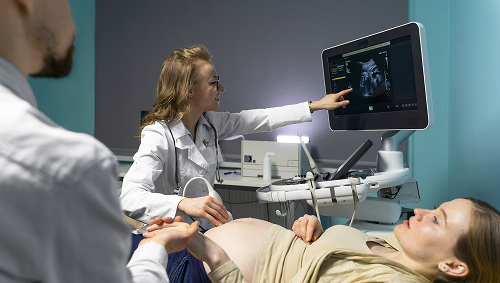
- Evaluation of pregnancy complications and placental condition by specialists
- Suspected acute surgical diseases (appendicitis, complicated pyelonephritis, etc.), when diagnosis is difficult
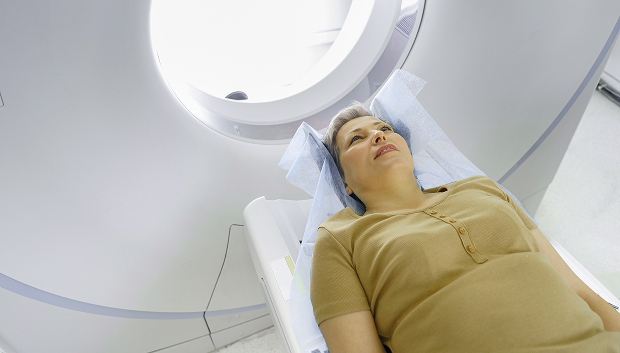
When is an MRI safest?
- First trimester (up to 12–13 weeks) — avoided if possible; prescribed only for vital indications or critical diagnostic needs.
- Second trimester — considered the most preferable period for a routine MRI, if needed.
- Third trimester — acceptable if needed, but consideration should be given to uterine growth, possible discomfort, and patient positioning.
The decision to perform the examination is always made jointly by the physician managing the pregnancy and a specialist (neurologist, surgeon, oncologist, etc.).

Appointment to the doctor
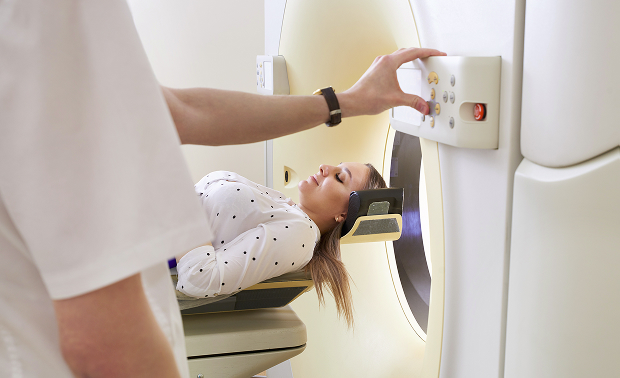
MRI with contrast during pregnancy
MRI contrast agents typically contain gadolinium.
- Most international guidelines do not recommend the routine use of contrast during pregnancy due to insufficient data on fetal safety.
- In extreme cases (when the diagnosis cannot be clarified without contrast, and the information is critical to the mother's health), the issue is decided on an individual basis, with the patient's informed consent.
If possible, the physician will attempt to perform MRI without contrast enhancement or postpone contrast studies until after delivery.
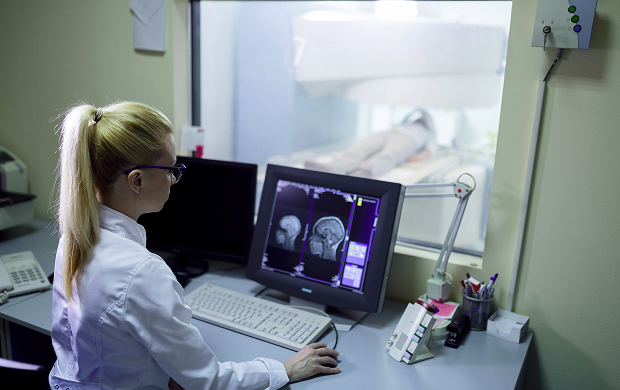
Which organs are most often examined during pregnancy?
MRIs are most often performed during pregnancy to assess:
- Brain (neurological symptoms, stroke, tumors)
- Spine and spinal cord (herniated discs, root compression, tumors)
- Pelvic organs (ovarian and uterine tumors, suspected endometriosis, etc.)
- Abdominal cavity (appendicitis, inflammatory processes, tumors)
In some cases, a fetal MRI may be performed to identify malformations, but this is always decided on an individual basis with your doctor.
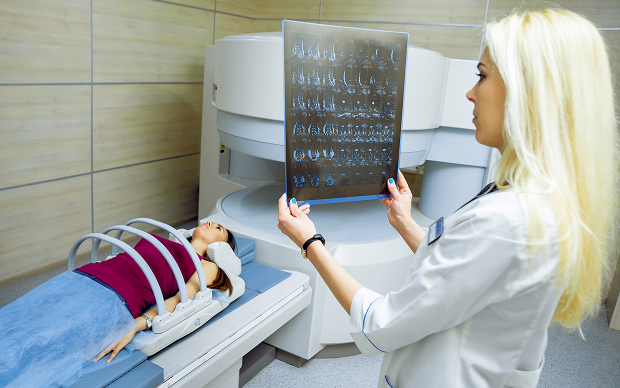
How does the procedure work?
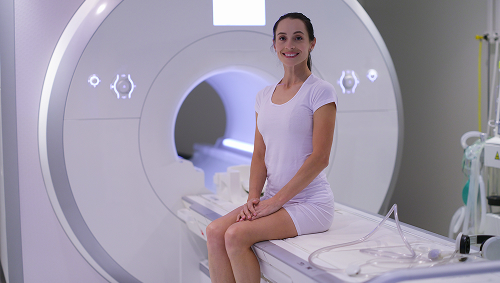
A standard MRI during pregnancy feels no different from a non-pregnant scan:
- The patient lies on the scanner table, and the area being scanned is stabilized.
- The table slides into the scanner's "tunnel."
- Loud sounds are heard during the scan. For greater comfort, earplugs or headphones are used.
- It is important to remain still to obtain clear images.
If you experience significant discomfort, claustrophobia, or pain, you should notify the doctor and staff in advance. Sometimes, open scanners can be used or a more comfortable position can be found.
Our doctors





































General information
Preparing for an MRI during pregnancy
No special preparation is usually required, but there are a few important points:
- Tell your doctor and MRI staff about your pregnancy and your due date.
- Be sure to inform them about any pacemakers, implants, metal implants, or tattoos with metallic pigments.
- Remove all metal objects (jewelry, watches, hairpins, piercings).
- When planning an abdominal or pelvic examination, there may be special recommendations regarding food and fluid intake; these will be clarified during your appointment.

FAQ
Is MRI dangerous for a child?
Can a head MRI be performed during pregnancy?
Is special abdominal protection necessary?
Can I breastfeed after an MRI with contrast?
What should I do if an MRI is recommended in the first trimester?

This award is given to clinics with the highest ratings according to user ratings, a large number of requests from this site, and in the absence of critical violations.

This award is given to clinics with the highest ratings according to user ratings. It means that the place is known, loved, and definitely worth visiting.

The ProDoctors portal collected 500 thousand reviews, compiled a rating of doctors based on them and awarded the best. We are proud that our doctors are among those awarded.
Make an appointment at a convenient time on the nearest date
Price
Other services
Reviews










Our clinics


Application “Personal Account K+31”



Is it possible to have an MRI during pregnancy?
Magnetic resonance imaging (MRI) does not use ionizing radiation, so unlike X-rays and CT scans, it does not involve radiation exposure to the fetus.
Most clinical guidelines consider MRI a method that can be used during pregnancy if the expected benefit to the mother outweighs the potential risk.
Particular caution is exercised in the first trimester, when the fetal organs are developing. If possible, the examination is postponed until the second or third trimester unless there are vital indications.