Treatment of ovarian cyst

One of the common gynecological diseases is ovarian cyst. According to statistics, up to 80% of women of reproductive age have at least once encountered a functional cyst. In most cases, neoplasms go away on their own within 3–6 months. In postmenopausal women, ovarian cysts are diagnosed in 14–18% of women. If pain, menstrual irregularities, or pressure on the bladder or intestines occur, it is important to consult a doctor and undergo a comprehensive diagnosis.
Best specialists
Best
specialists
Expert equipment
Expert
equipment
Advanced diagnostic treatment
Advanced diagnostic
treatment
Sign up
Fill out the entry form on the page and we will call you back
Позвонить
Download the application “Personal Account K+31”
Everything about your health in one click!
Subscribe to social networks K+31
To keep up to date with current offers and receive useful advice about your health.

What is an ovarian cyst

An ovarian cyst is a benign neoplasm filled with fluid, less often blood or other contents. Often the disease is asymptomatic and is detected during a routine ultrasound. Damage or growth of an ovarian cyst leads to rupture, torsion, and pressure on neighboring organs, so it must be treated immediately.

An ovarian cyst is most often located on one side: left or right. Ovulation in each cycle occurs in either the right or left ovary, which makes one of them more active. The likelihood of the formation of functional cysts is higher in the ovary in which one or more follicles develop and the corpus luteum is formed.

Bilateral ovarian cysts are extremely rare. Pathological conditions contribute to their development:

  • Severe stage of endometriosis
  • Polycystic ovary syndrome
  • Chronic adnexitis

Also, bilateral ovarian cysts can be a consequence of genetic diseases, for example, Meigs syndrome.

What is an ovarian cyst

Types of ovarian cysts

Based on the nature of their course, ovarian cysts are classified into 2 groups:

  • Functional. Occurs due to improper functioning of the ovary and menstrual irregularities. Disappears on its own after 1–3 cycles
  • Pathological. Develop due to excessive growth of ovarian cells. Identified both outside and inside the organ

Functional cysts on the left or right side are most often found in women of reproductive age and do not cause serious symptoms. Pathological neoplasms require treatment because they are accompanied by inflammation and discomfort.

According to the mechanism of development, functional ovarian cysts are of 3 types:

  • Follicular. Formed if the dominant follicle does not rupture to release the egg. They are usually small and painless
  • Luteal or corpus luteum cysts. Develop due to hormonal imbalance, disorders of lymph flow and blood circulation in the pelvis
  • Thecalutein. They are formed from follicles when the hCG level is exceeded, pregnancy occurs, or the presence of choriocarcinoma. Often occur on both ovaries

Depending on the size, there are small (up to 2.5 cm in diameter) and large (more than 5 cm) cysts. The capsule gradually grows due to an increase in the volume of liquid inside. It also develops a leg, so visually the ovarian cyst resembles a mushroom.

Based on the nature of the contents, there are 4 types of pathological cysts:

  • Endometrioid. Occurs due to endometriosis. Contains thick, dark-colored blood
  • Dermoid. Develops from ovarian tissue, which contains the rudiments of intrauterine structures (ecto-, meso-, endoderm cells)
  • Serous. Formed from the epithelial tissues of the outer shell of the ovary. Filled with transparent liquid
  • Mucinous. It has a multi-chamber structure and reaches large sizes. Contains mucus

In addition, there are paraovarian and retention ovarian cysts. Paraovarians are formed from the adnexal structures of the ovary, are filled with clear liquid and have a thin wall. Retention cysts are formed as a result of frequent abortions, hypothyroidism, and early puberty. Contain blood or fluid.

Possible complications

Regular observation by a gynecologist and monitoring the condition of the tumor allows you to promptly identify any changes and take measures to preserve women’s health.

If left untreated, an ovarian cyst causes the following complications:

  • Torsion of the pedicle of an ovarian cyst

    An acute condition characterized by impaired blood supply to the organ, severe pain in the lower abdomen, nausea, vomiting, and general weakness. Requires urgent surgical intervention, as it can provoke necrosis.

  • Ovarian cyst rupture

    Occurs when the wall of the tumor cannot withstand pressure or injury. Causes acute pain in the lower abdomen, bleeding into the abdominal cavity, dizziness, tachycardia, decreased blood pressure, pale skin. The condition is life-threatening and requires emergency surgery.

  • Suppuration of an ovarian cyst

    In the presence of inflammatory diseases of the pelvic organs, the infection penetrates into the neoplasm, causing fever, increasing pain in the lower abdomen, and nausea. The spread of the infectious process threatens peritonitis and sepsis. In this case, surgical removal of the cyst and antibiotic therapy are required.

  • Malignancy

    Mucinous and serous cystadenomas are prone to degeneration into ovarian cancer. They are accompanied by an increase in the size of the tumor, constant pain and a feeling of pressure, and intestinal dysfunction. Treatment involves surgery with histological examination; if necessary, the doctor prescribes radiation and chemotherapy.

  • Pressure on neighboring organs

    Leads to difficulty urinating or defecating. A planned operation is required to remove the cyst.

General information

Symptoms of the disease

Ovarian cysts on both the left and right are characterized by the following symptoms:

  • Nagging pain in the lower abdomen, which intensifies after exercise, sexual intercourse or during menstruation
  • Delayed menstruation
  • Heavy or scanty bleeding
  • Feeling of heaviness in the abdomen if the ovarian cyst increases in size
  • Frequent urination
  • Difficulty in bowel movements

Clinical signs depend on the size and location of the ovarian cyst.
Get a consultation
Symptoms of the disease

Causes of cysts

Ovarian cyst develops due to the following reasons:

  • Hormonal imbalance
  • Anovulatory cycle, during which a woman cannot become pregnant
  • Chronic stress
  • Dysfunction of the hypothalamic-pituitary system
  • Taking medications to stimulate ovulation

Risk factors for ovarian cysts include hereditary predisposition, the onset of menstruation before the age of 12, late menopause, and obesity. Sometimes cysts develop at the beginning of pregnancy, which is associated with chronic gynecological diseases, excessive physical activity, and psycho-emotional stress.

Get a consultation
Causes of cysts

Diagnostics

Identification of an ovarian cyst consists of several stages:

  1. Gynecological examination. When palpating the ovaries, the doctor detects an increase in the size and pain of the organ
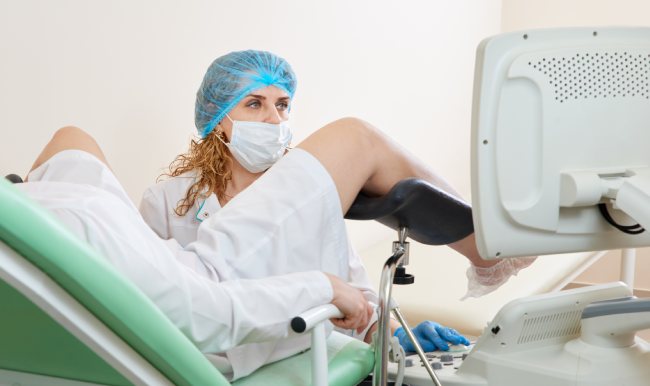
  2. Ultrasound. Allows you to visualize the neoplasm, assess the size, shape, and structure of the cyst. It is carried out in two ways: through the anterior abdominal wall and through the vagina
  3. Blood test for tumor markers. Elevated levels of CA-125 indicate malignancy. Additionally, analysis is performed on HE4 and ROMA index
  4. X-ray, computed tomography. They are carried out to exclude other diseases of the abdominal organs, if peritonitis, tumor rupture, bleeding are suspected

To clarify the diagnosis, assess the nature of the cyst, and exclude a malignant process, the doctor prescribes a laparoscopic examination with a biopsy. During the procedure, a tissue sample is taken from the wall of the cyst or other suspicious areas for subsequent histological analysis. The fallopian tubes are also examined to identify signs of inflammation, adhesions, and metastases.

Laparoscopy with biopsy is considered a minimally invasive technique. It allows tissue samples to be obtained directly from the cyst and does not require a long recovery period.

Get a consultation
Diagnosis

Treatment

Conservative treatment of ovarian cysts is used for functional neoplasms. The main goal of therapy is to normalize hormonal levels, eliminate symptoms and prevent the development of complications. The course of treatment includes the following drugs:

  • Combined oral contraceptives. Regulate the menstrual cycle, suppress the functioning of the ovaries, preventing the formation of new cysts
  • Progestins. Normalize the function of the corpus luteum

The duration of the course is 3–6 months, with regular assessment of effectiveness.

Nuance! Hormonal drugs are usually not used to treat cysts during menopause, since during this period the natural function of the ovaries ceases.

If the cyst is accompanied by inflammation of the pelvic organs, anti-inflammatory therapy is carried out using drugs based on ibuprofen and diclofenac. For bacterial infections, antibiotics are prescribed. Antispasmodics are indicated to relieve pain.

Important! During treatment, it is recommended to strengthen the immune system with the help of vitamin complexes. Preparations must contain vitamins B, E and C.

To improve blood circulation in the pelvic organs and accelerate the resorption of the cyst, it is useful to go to physiotherapeutic procedures. Electrophoresis with iodine, magnetic therapy, and ultrasound therapy are considered effective. A course of physiotherapy for malignant neoplasms and inflammatory processes is prohibited.

If the cyst does not decrease in size and is accompanied by complications, surgical intervention is required. Doctors at the K+31 clinic in Moscow perform surgery to remove an ovarian cyst at a competitive price. In their work they use a modern and safe laparoscopic method. Among its advantages:

  • Minimal trauma and likelihood of infectious complications
  • Full recovery in 1–2 weeks
  • Almost invisible scars after surgery
  • Fertility preservation
  • Low risk of adhesions
  • Less blood loss

During laparoscopy, you can not only remove the cyst, but also get rid of adhesions, endometrioid lesions, and fibroids. Patients report less pain in the postoperative period compared to open surgery.

If large and complex tumors are diagnosed, you need to be treated using radical methods:

  • Wedge resection - removal of a section of the ovary along with the cyst
  • Oophorectomy - complete excision of an organ
  • Adnexectomy - removal of the ovary along with the fallopian tube

After surgery, it is important to avoid intense physical activity for 1–2 months, eat a balanced diet, and ensure careful care of the sutures. To improve blood circulation and prevent blood clots, you should walk in the fresh air for at least an hour a day. You can gradually increase your physical activity, perform stretching exercises, and strengthen your abdominal and back muscles.

Pay attention! For most women left with one ovary, menstruation continues, but in the first months there may be disruptions. In such cases, hormonal therapy is carried out.

1, 3 and 6 months after surgery, follow-up examinations are carried out by a gynecologist. To assess the function of the remaining ovary and exclude complications, ultrasound and blood tests are prescribed.

Get a consultation
Treatment

Prevention

To prevent the development of ovarian cysts in women, it is important to follow a number of recommendations:

  1. Control hormonal levels. You need to take prescribed hormonal contraceptives at the same time every day
  2. To reduce inflammatory processes in the body during menopause, include in your diet foods containing vitamins C and E, omega-3 fatty acids
  3. Avoid excessive consumption of fats and carbohydrates, processed foods
  4. Exercise regularly and monitor your body weight. Yoga, walking, swimming, cycling normalize the functioning of the reproductive system
  5. Quit smoking and alcohol
  6. Maintain intimate hygiene, wash yourself at least once a day, wear fresh underwear
  7. Use barrier contraceptives during sexual intercourse

Lack of sleep contributes to hormonal imbalances, so it is important to sleep 8-9 hours a day. Meditation, breathing exercises, massage reduce stress levels and maintain hormonal balance.

Get a consultation
Prevention

Our doctors

Islamova Albina Yusupovna
Experience 11 years
Make an appointment
Islamova
Albina Yusupovna
Obstetrician-Gynecologist
Kappusheva Laura Magomedovna
Experience 43 years
Make an appointment
Kappusheva
Laura Magomedovna
Deputy chief physician for gynecology, chief gynecologist K+31, honored doctor of the Russian Federation, doctor of medical sciences, professor
Kamoeva Svetlana Viktorovna
Experience 31 year
Make an appointment
Kamoeva
Svetlana Viktorovna
Deputy chief physician for obstetrics and gynecology, obstetrician-gynecologist, doctor of medical sciences, professor
Pivovarova Svetlana Victorovna
Experience 32 years
Make an appointment
Pivovarova
Svetlana Victorovna
Head of the endocrinology department, PhD, gynecologist, endocrinologist
Makarischev Alexei Yakovlevich
Experience 28 years
Make an appointment
Makarischev
Alexei Yakovlevich
Obstetrician-gynecologist
Shevchuk Alexei Sergeyevich
Experience 26 years
Make an appointment
Shevchuk
Alexei Sergeyevich
Oncogynecology consultant, obstetrician-gynecologist
Chernaya Oksana Yuryevna
Experience 15 years
Make an appointment
Chernaya
Oksana Yuryevna
Obstetrician-gynecologist
Mukhina Elena Valeryevna
Experience 33 years
Make an appointment
Mukhina
Elena Valeryevna
Obstetrician-gynecologist
Manukyan Lusine Andranikovna
Experience 28 years
Make an appointment
Manukyan
Lusine Andranikovna
Obstetrician-gynecologist
Pegova Maria Romanovna
Experience 14 years
Make an appointment
Pegova
Maria Romanovna
Obstetrician-gynecologist
Kalmykova Natalya Vladimirovna
Experience 26 years
Make an appointment
Kalmykova
Natalya Vladimirovna
Obstetrician-gynecologist
Zarubenko Natalya Borisovna
Experience 24 years
Make an appointment
Zarubenko
Natalya Borisovna
Obstetrician-gynecologist
Shilina Elena Alexandrovna
Experience 27 years
Make an appointment
Shilina
Elena Alexandrovna
Obstetrician-gynecologist
Selyutina Nataliya Alexandrovna
Experience 28 years
Make an appointment
Selyutina
Nataliya Alexandrovna
Obstetrician-gynecologist
Smirnova Angelica Yuryevna
Experience 27 years
Make an appointment
Smirnova
Angelica Yuryevna
Obstetrician-gynecologist, endocrinologist
Sargsyan Anna Vartanovna
Experience 17 years
Make an appointment
Sargsyan
Anna Vartanovna
Obstetrician-gynecologist
Breusenko Valentine Grigoryevna
Experience 63 years
Make an appointment
Breusenko
Valentine Grigoryevna
Gynecologist obstetrician
Ibragimova Zarema Almanovna
Experience 31 year
Make an appointment
Ibragimova
Zarema Almanovna
Obstetrician-gynecologist
Dukhina Tatiana Alexandrovna
Experience 25 years
Make an appointment
Dukhina
Tatiana Alexandrovna
Obstetrician-gynecologist, ultrasound specialist
Gromova Maria Arturovna
Experience 24 years
Make an appointment
Gromova
Maria Arturovna
Obstetrician-gynecologist
Sirotinina Maria Vasilievna
Experience 18 years
Make an appointment
Sirotinina
Maria Vasilievna
Leading obstetrician-gynecologist, gynecologist-endocrinologist, ultrasound diagnostician
Grishin Igor Igorevich
Experience 33 years
Make an appointment
Grishin
Igor Igorevich
Obstetrician-gynecologist
Fotina Evgeniya Viktorovna
Experience 24 years
Make an appointment
Fotina
Evgeniya Viktorovna
Leading obstetrician-gynecologist
Gomov
Mikhail Alexandrovich
Consultant in oncogynecology, obstetrician-gynecologist
Glazunova
Angelina Vladislavovna
Obstetrician-gynecologist, ultrasound doctor
Ibragimova Jamilya Magomedovna
Experience 17 years
Make an appointment
Ibragimova
Jamilya Magomedovna
Obstetrician-gynecologist
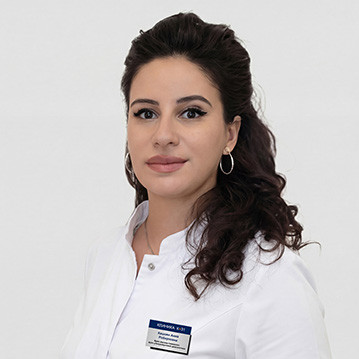
Kashoyan Anna Robertovna
Experience 5 years
Make an appointment
Kashoyan
Anna Robertovna
Obstetrician-gynecologist, ultrasound diagnostics doctor
Ipatova Ekaterina Borisovna
Experience 26 years
Make an appointment
Ipatova
Ekaterina Borisovna
Obstetrician-gynecologist
Gumerova Dinara Radikovna
Experience 4 years
Make an appointment
Gumerova
Dinara Radikovna
Obstetrician-gynecologist, ultrasound doctor
Losikhina Galina Nikolaevna
Experience 22 years
Make an appointment
Losikhina
Galina Nikolaevna
Obstetrician-gynecologist
Ivanovskaya Tamara Nikolaevna
Experience 12 years
Make an appointment
Ivanovskaya
Tamara Nikolaevna
Pediatric gynecologist
Gorbacheva Anna Viktorovna
Experience 24 years
Make an appointment
Gorbacheva
Anna Viktorovna
Obstetrician-gynecologist, gynecologist-endocrinologist, ultrasound doctor
Smirnova
Tatyana Nikolaevna
Obstetrician-gynecologist, gynecologist for children and adolescents
Budaeva Victoria Aleksandrovna
Experience 25 years
Make an appointment
Budaeva
Victoria Aleksandrovna
Obstetrician-gynecologist
Gamidova Amalia Gamidovna
Experience 18 years
Make an appointment
Gamidova
Amalia Gamidovna
Obstetrician-gynecologist, ultrasound doctor
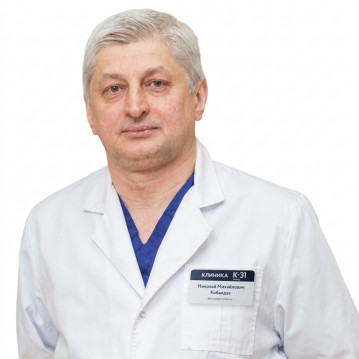
Kobaidze Nikolai Mikhailovich
Experience 33 years
Make an appointment
Kobaidze
Nikolai Mikhailovich
Obstetrician-gynecologist
All specialists
2GIS Award
2GIS Award

This award is given to clinics with the highest ratings according to user ratings, a large number of requests from this site, and in the absence of critical violations.

«Good place» according to Yandex

This award is given to clinics with the highest ratings according to user ratings. It means that the place is known, loved, and definitely worth visiting.

Our doctors are laureates of the ProDoctors Award
The ProDoctors portal collected 500 thousand reviews, compiled a rating of doctors based on them and awarded the best. We are proud that our doctors are among those awarded.
Make an appointment at a convenient time on the nearest date

Price

Reception
Price
Primary appointment with the leading obstetrician-gynecologist
from 8 950 ₽
Repeated appointment with the leading obstetrician-gynecologist
from 7 950 ₽
Removal of an ovarian cyst using video endoscopic technologies with lysis of adhesions and coagulation of endometriotic nodes
from 292 220 ₽
Removal of an ovarian cyst using video endoscopic technologies
from 197 910 ₽

Appointment to the doctor

Fill out the form, our managers will contact you within 15 minutes

Reviews

I recently underwent gynecological surgery at this clinic and I want to express my gratitude to the whole team! From the very beginning, I was warmly and professionally welcomed by the manager, who quickly signed up for consultations, and Laura Magomedovna explained in detail all the stages of preparation and what to expect after. The operation itself went great. The recovery went smoothly. The clinic is modern, clean, and you feel in good hands. I recommend it to anyone who is looking for high-quality gynecology!
30.04.2026
Oksana N.
Good afternoon! Thank you very much to Amalia Hamidovna for such a reception! She was very friendly, carefully conducted an examination and ultrasound, took the necessary tests. She told me everything in detail based on the results of the examination. THANKS again!
30.04.2026
Elena L.
I thank doctor Kalmykova N.V. for her professionalism, I will recommend it!
28.04.2026
Valentina L.
An excellent doctor, very likable. I was very excited after the reception
27.04.2026
Anastasiya S.
She had a gynecological operation. She was operated on by Dr. Laura Magomedovna Kappusheva, who is certainly a professional in her field, and I am very grateful to her. She encouraged me before the operation, and after the operation I received constant attention and communication. Many thanks to Alexey I. Frolov, an anesthesiologist. The anesthesia passed like a dream, fell asleep, woke up, took a nap. My impressions of the hospital are extremely positive! I thank all the staff with whom I was able to interact - pleasant, polite, knowledgeable, and monitoring my condition around the clock. The rooms are clean, the beds are comfortable, there is a toilet and shower, a locker, bedside tables, a TV, a kettle, a coffee maker, a refrigerator. I would also like to thank the staff of the food store, who prepare very tasty and varied dishes.
27.04.2026
Kristina Sh.
I am very glad to meet the wonderful doctor Fotina Evgeniya, very attentive and a person who really wants to help you with your problem, a very competent specialist, plus I really like the clinic itself, it is fully equipped with everything you need!
25.04.2026
Angelina L.
The doctor is a professional in his field. Very attentive.
21.04.2026
Marina V.

About doctor:

Mukhina Elena Valeryevna

The best doctor! Professional in her field, very attentive and friendly.
21.04.2026
Svetlana D.

About doctor:

Chernaya Oksana Yuryevna

A very attentive doctor.
20.04.2026
Anastasiya U.
Почему К+31?
К + 31 — full-cycle multidisciplinary medical centers, including the possibility of providing medical services of European quality level.
К + 31 — are leading doctors and diagnostics using high-tech equipment from world manufacturers (Karl Storz, Olympus, Siemens, Toshiba, Bausch&Lomb, Technolas, Zeiss, Topcon).

К + 31 — is ethical. The staff of K+31 clinics maintain open relationships with patients and partners. An individual approach to each patient is the basis of our service standards.
К + 31 — is modernity. On call 24/7: call center operators will answer your questions at any time and book you an appointment with doctors. Contact us by phone, through the feedback form on the website and Max.

Our clinics

Address K+31 on Lobachevskogo

st. Lobachevskogo, 42/4

Contacts

+7 499 999-31-31

Opening hours
Mon-Fri: 08:00 – 21:00
Weekend: 09:00 – 19:00

Opening hours on holidays

01.05—03.05: 09:00—19:00

09.05—11.05: 09:00—19:00

Address K+31 Petrovskie Vorota

1st Kolobovsky pereulok, 4

Contacts

+7 499 999-31-31

Opening hours

Mon-Fri: 08:00 – 21:00
Sat-Sun: 09:00 – 19:00

Opening hours on holidays

01.05—03.05: 09:00—18:00

09.05: нерабочий день

10.05—11.05: 09:00—18:00

Address K+31 West

Orshanskaya, 16/2; Ak. Pavlova, 22

Contacts

+7 499 999-31-31

Opening hours

Mon-Fri: 08:00 – 21:00
Sat-Sun: 09:00 – 18:00

Opening hours on holidays

01.05—03.05: 09:00—18:00

09.05—11.05: 09:00—18:00

Петровские ворота
Didn't find the service you were looking for?

Экстренная помощь