
Vitamin D Deficiency - Symptoms, Diagnosis, and Treatment
Vitamin D deficiency is one of the most common nutritional problems in Russia. According to multicenter Russian studies, vitamin D deficiency and insufficiency are found in 84% of those examined, with severe deficiency (<10 ng/ml) occurring in more than 25% of the country's residents. The reason is simple: most Russian regions are located at latitudes where solar insolation is sufficient for only 2-4 months a year.

specialists

equipment

treatment
Vitamin D Norms: How to Interpret Test Results
Determined by analyzing 25(OH)D (25-hydroxyvitamin D) in the blood serum.
| 25(OH)D Level | Interpretation |
|---|---|
| < 10 ng/ml (<25 nmol/l) | Severe deficiency |
| < 20 ng/ml (<50 nmol/l) | Deficient |
| 20–29 ng/ml (50–75 nmol/l) | Insufficiency |
| 30–100 ng/ml (75–250 nmol/l) | Adequate level |
| 30–60 ng/ml | Target range for treatment |
| > 100 ng/ml (>250 nmol/l) | Possible toxicity |
*According to clinical guidelines of the National Medical Research Center of Endocrinology (2021) and the Russian Association of Endocrinologists.
Diagnostics and treatment at K+31

Analysis:
25(OH)D in serum - at any time of day, without special preparation.
Treatment of deficiency:
For deficiency (<20 ng/ml), loading doses of vitamin D (cholecalciferol, D3) are prescribed:
- Typically, 2000–5000 IU/day (or equivalent weekly doses)
- Course lasts 8–12 weeks, followed by monitoring of 25(OH)D
- Switch to maintenance dose when target level is reached

Maintenance dose:
800–2000 IU/day — for most adults, regardless of baseline levels (especially in the fall and winter).
Important:
Supplementing with high doses of vitamin D (>4000–5000 IU/day for a long time) without monitoring 25(OH)D levels can lead to toxicity (hypercalcemia). Treatment should only be done under medical supervision.
Special groups:
- Patients with obesity and malabsorption syndrome — typically require higher doses.
- Patients with chronic kidney disease — the active form (alfacalcidol, calcitriol) is used; the dosage varies significantly.
- Children — doses and forms are regulated by separate pediatric guidelines.
General information
Symptoms of Vitamin D Deficiency
Vitamin D deficiency often has no obvious symptoms. The most common manifestations are:
- Chronic fatigue, weakness, decreased performance
- Frequent colds (ARIs), prolonged recovery
- Bone and joint pain, especially in the back, pelvis, and hips
- Muscle weakness, calf cramps
- Bad mood, depression, anxiety
- Sleep disturbances
- Decreased concentration
In children, severe deficiency leads to rickets (bone deformities, delayed teething, growth disturbances).


Frequently Asked Questions (FAQ)
Can you get enough vitamin D from the sun?
In Russia, it's extremely difficult. Active vitamin D synthesis in the skin occurs when the UV index is ≥ 3, which in Moscow only occurs from May to August, and only on sunny days at midday. Most people, even in summer, don't meet their daily requirement.
Should I take vitamin D with calcium?
If you have a vitamin D deficiency and normal dietary calcium intake, there is no need for supplementation. Calcium supplementation is recommended for dietary calcium deficiency or osteoporosis.
Vitamin D2 or D3 – which is better?
Cholecalciferol (D3) has higher bioavailability and is more effective at increasing 25(OH)D levels. D3 is recommended.
How often should I get my vitamin D levels tested?
When a deficiency is first detected, check after 8–12 weeks of treatment, then once a year (in the fall or at the end of winter – the most “depleted” period).
Should everyone take vitamin D without testing?
Prophylactic doses (800–1000 IU/day) are safe for most adults. A blood test is necessary to diagnose deficiency and determine a therapeutic dose.
Make an appointment at a convenient time on the nearest date
Our doctors


















This award is given to clinics with the highest ratings according to user ratings, a large number of requests from this site, and in the absence of critical violations.

This award is given to clinics with the highest ratings according to user ratings. It means that the place is known, loved, and definitely worth visiting.

The ProDoctors portal collected 500 thousand reviews, compiled a rating of doctors based on them and awarded the best. We are proud that our doctors are among those awarded.
Other services

Appointment to the doctor
Reviews



Our clinics


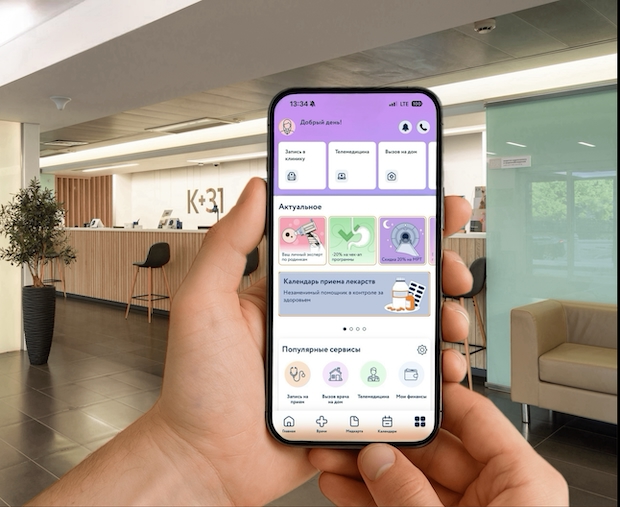
Application “Personal Account K+31”











What is vitamin D and why is it needed?
Vitamin D is a fat-soluble prohormone that regulates the function of over 2,000 genes. Its active form, calcitriol, binds to receptors in virtually every cell in the body.
Key functions: