
Биоимпедансометрия: анализ состава тела в К+31
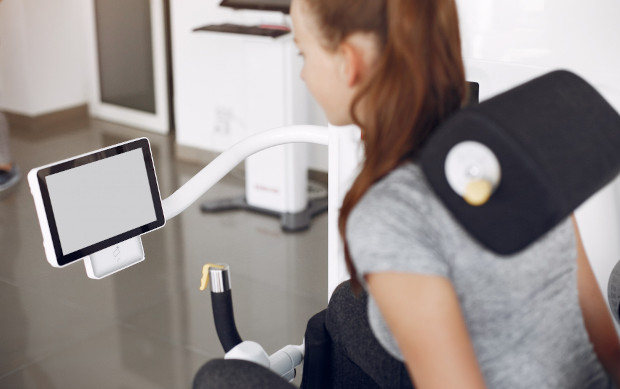
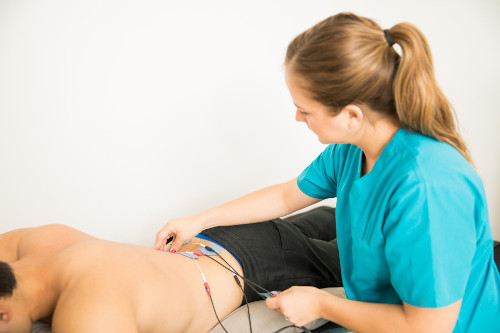
Биоимпедансный анализ состава тела (биоимпедансометрия, BIA) — инструментальный метод оценки структуры тела на основе разного сопротивления тканей слабому переменному электрическому току. Жировая ткань, мышечная масса, кости и вода проводят ток с различной интенсивностью, что позволяет математически рассчитать их соотношение.

специалисты

оборудование

лечения

Показания: кому рекомендована биоимпедансометрия
- Ожирение или избыточная масса тела — контроль качества снижения веса (жир vs мышцы)
- Сахарный диабет 2 типа и метаболический синдром — оценка висцерального жира как фактора риска
- Артериальная гипертензия — связь с избытком висцерального жира
- Гипотиреоз — изменение состава тела на фоне нарушения обмена
- Подготовка к бариатрической хирургии и мониторинг после неё
- Саркопения у пожилых — выявление снижения мышечной массы
- Спортсмены и физически активные люди — мониторинг мышечной массы и гидратации
- Расстройства пищевого поведения — оценка нутритивного статуса
- Онкологические заболевания и хронические воспалительные состояния — оценка нутритивного дефицита
Ограничения метода: что важно знать
Биоимпедансометрия — ценный, но не абсолютный метод. Точность результата зависит от нескольких факторов:
- Степень гидратации: избыток жидкости (отёки) завысит показатели мышечной массы; обезвоживание — наоборот
- Время суток: утром после ночного голодания результаты стабильнее
- Физическая нагрузка: интенсивные тренировки накануне меняют распределение жидкости
- Фаза менструального цикла: задержка жидкости в лютеиновой фазе влияет на показатели
Поэтому однократное измерение — отправная точка, а не окончательный приговор. Клинически значима динамика: серия измерений в стандартных условиях.
Противопоказания
Биоимпедансометрия противопоказана при:
- Наличии кардиостимулятора или других имплантируемых электронных устройств (кохлеарных имплантов, нейростимуляторов)
- Беременности (безопасность не изучена в достаточной мере)
- Наличии металлических ортопедических имплантов большого объёма (может искажать результат)
С осторожностью при:
- Выраженных отеках (сердечная или почечная недостаточность)
- Лихорадочном состоянии (острое заболевание)
Часто задаваемые вопросы (FAQ)
Насколько точна биоимпедансометрия по сравнению с DXA?
Двухэнергетическая рентгеновская абсорбциометрия (DXA) считается более точным стандартом для оценки состава тела. Биоимпедансометрия — клинически приемлемый и доступный метод с хорошей воспроизводимостью при соблюдении стандартных условий.
Нужно ли делать биоимпедансометрию натощак?
Настоятельно рекомендуется. Прием пищи меняет распределение воды в организме и может существенно исказить результат.
Можно ли делать биоимпедансометрию при месячных?
Технически — да, но результаты могут быть менее точными из-за задержки жидкости. Для максимальной достоверности лучше выбрать первую неделю цикла (после окончания менструации).
Как часто нужно делать биоимпедансометрию?
При активной коррекции массы тела — каждые 4–6 недель. Для профилактического мониторинга — 1–2 раза в год.
Могу ли я использовать домашние весы-импедансометры?
Домашние весы дают ориентировочные значения, не имеют клинической валидации и сильно зависят от условий измерения. Для медицинского контроля рекомендуется профессиональное оборудование в клинике.
Безопасна ли биоимпедансометрия для детей?
Да, при отсутствии противопоказаний (кардиостимулятор). Референсные показатели состава тела различаются в зависимости от возраста и пола.
Наши врачи















Такая награда выдаётся клиникам с самым высоким рейтингом по оценкам пользователей, большим количеством обращений с данной площадки, при отсутствии критичных нарушений.

Такая награда выдается клиникам с самым высоким рейтингом по оценкам пользователей. Она означает, что место знают, любят и сюда точно нужно зайти.

Портал ПроДокторов собрал 500 тысяч отзывов, составил по ним рейтинг врачей и наградил лучших. Гордимся, что среди награжденных есть наши врачи.
Запишитесь на прием в удобное время на ближайшую дату
Стоимость
Другие услуги

Запись к врачу
Отзывы


Наши клиники


Приложение «Личный кабинет К+31»












Чем биоимпедансометрия отличается от весов и ИМТ
Индекс массы тела (ИМТ) учитывает только рост и вес и не различает мышечную и жировую массу. Два человека с одинаковым ИМТ могут иметь принципиально разный состав тела: спортсмен и пациент с саркопеническим ожирением (нормальный вес при сниженной мышечной массе и избытке жира).
Биоимпедансометрия устраняет этот недостаток: она выявляет скрытые нарушения состава тела, невидимые на обычных весах.
Результат биоимпедансометрии — не один показатель (например, вес), а детальный «паспорт тела»: