Metabolic Syndrome: Diagnosis and Treatment at K+31

Metabolic syndrome (MS) is not a single disease, but a cluster of interconnected metabolic disorders that together dramatically increase the risk of cardiovascular disease, type 2 diabetes, and related mortality. The key factor is insulin resistance: the body's cells respond poorly to insulin, the pancreas produces increasing amounts of it, and carbohydrate and fat metabolism are increasingly disrupted.

According to research, metabolic syndrome is diagnosed in 20–25% of the adult population in developed countries. However, most patients are unaware of it: there are no symptoms that clearly indicate MS. It is detected during a routine examination or at the stage of complications.

Best specialists
Best
specialists
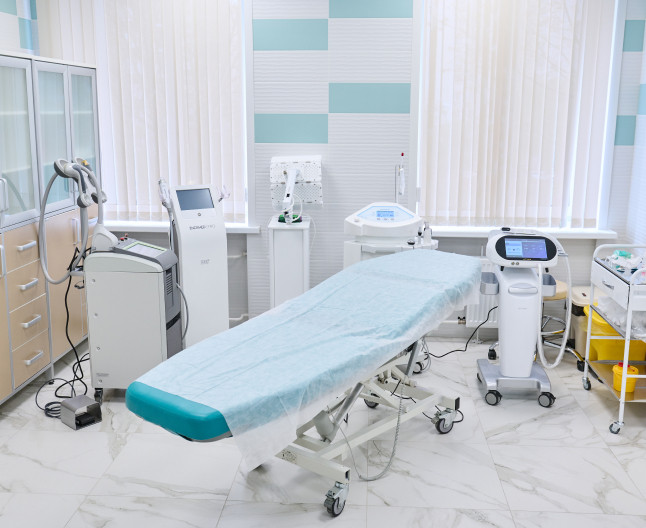
Expert equipment
Expert
equipment
Advanced diagnostic treatment
Advanced diagnostic
treatment

Laboratory diagnostics at K+31

To assess MS and its components, the following are performed:

Required:

  • Fasting plasma glucose
  • HbA1c (if prediabetes/type 2 diabetes is suspected)
  • Lipid profile (total cholesterol, LDL, HDL, triglycerides)
  • ALT, AST, GGT (assessment of NAFLD)
  • Uric acid
  • Clinical blood test

Additional (as indicated):

  • Fasting insulin + HOMA-IR (degree of insulin resistance)
  • C-peptide (assessment of reserve function) β-cells)
  • TSH (to rule out hypothyroidism as a cause of dyslipidemia)
  • Urine protein/albuminuria (kidney damage)
  • Abdominal ultrasound (NAFLD, cholelithiasis)
  • Bioimpedance analysis (body composition, % visceral fat)
Laboratory diagnostics at K+31

Diagnostic Criteria

According to the IDF/AHA/NHLBI consensus criteria (current standard), metabolic syndrome is diagnosed in the presence of central obesity and two more of four criteria:

Criteria Threshold Value
Central Obesity (Required Criterion) Waist: ≥94 cm in men, ≥80 cm in women (European values)
Hypertriglyceridemia Triglycerides ≥1.7 mmol/L (or taking lipid-lowering drugs)
Decreased HDL ("good cholesterol") <1.0 mmol/L in men, <1.3 mmol/L in women
Arterial hypertension BP ≥130/85 mmHg (or taking antihypertensive medications)
Impaired fasting glucose Glucose ≥5.6 mmol/L (or treatment for type 2 diabetes)

Important: MS is not an ICD diagnosis, but a clinical syndrome. If diagnosed, the doctor also examines the patient for NAFLD (non-alcoholic fatty liver disease), obstructive sleep apnea syndrome (OSA), and hyperuricemia—common comorbidities of MS.

Pathogenesis: Why It's Dangerous

Central (visceral) fat is not a passive storage depot. It is an active endocrine organ: it secretes proinflammatory cytokines, impairs insulin sensitivity, increases blood pressure, and accelerates atherosclerosis. That's why waist circumference is more important than overall weight.

Main target organs in MS:

  • Heart and blood vessels: accelerated atherosclerosis, coronary heart disease, heart attack, stroke (risk is 2-4 times higher)
  • Pancreas: gradual depletion of β-cells → type 2 diabetes
  • Liver: fat accumulation → NAFLD → possible cirrhosis
  • Kidneys: glomerulosclerosis, chronic kidney disease
  • Reproductive system: PCOS in women, hypogonadism in men
Pathogenesis: Why is it dangerous?

Metabolic Syndrome Treatment

Metabolic syndrome is a modifiable condition. Timely treatment can prevent the development of type 2 diabetes and significantly reduce cardiovascular risk.

Priority 1: Weight Loss

Weight loss of 5–10% reduces:

  • Insulin resistance by 30–40%
  • Blood pressure by 5–10 mmHg
  • Triglycerides by 20–40%

Calorie restriction and increased physical activity are the primary measures. The Mediterranean and DASH diets have been shown to reduce cardiovascular risk in people with MS. Priority 2: Physical Activity

  • Aerobic exercise ≥150–300 min/week at moderate intensity (walking, cycling, swimming)
  • Strength training ≥2 times per week improves insulin sensitivity
Treatment of metabolic syndrome

Pharmacotherapy of individual components of MS

Insulin resistance / prediabetes / type 2 diabetes:

  • Metformin is the drug of choice; Reduces insulin resistance, weight-neutral
  • GLP-1 agonists (semaglutide, liraglutide) — significant weight loss + cardioprotection
  • SGLT-2 inhibitors (gliflozins) — in the presence of type 2 diabetes or CKD

Dyslipidemia:

  • Statins — lovastatin, atorvastatin, rosuvastatin — LDL reduction, cardioprotection
  • Fibrates — for isolated hypertriglyceridemia

Arterial hypertension:

  • ACE inhibitors or ARBs are the drugs of choice for MS (metabolic neutral, nephroprotective)

NAFLD:

  • Priority: weight loss; no specific drugs with a high level of evidence are yet available
Pharmacotherapy of individual components of MS

Frequently Asked Questions (FAQ)

I have a normal weight, but my waist is wide - is this metabolic syndrome?

Possibly. "Normal weight" with a high percentage of visceral fat ("skinny fat") is an independent risk factor. The defining criterion for MS is waist circumference, not BMI.

How is metabolic syndrome different from obesity?

Obesity is one of the causes of MS, but not its synonym. MS is a combination of disorders: dyslipidemia, hyperglycemia, hypertension, and central obesity. A person can be obese without meeting the full criteria for MS, and conversely, have several of its components while at a relatively normal weight.

Is Metabolic Syndrome a Death Sentence?

No. MS is completely reversible in the initial stages with lifestyle changes. Even after many years of treatment, treatment significantly reduces cardiovascular risk.

How are MS and PCOS related?

Polycystic ovary syndrome in women is largely caused by insulin resistance—the same mechanism that underlies MS. Therefore, testing for MS components is essential for PCOS, and metformin is used for both PCOS and MS/prediabetes.

Can children have metabolic syndrome?

Yes. Pediatric MS is a growing problem due to the rise in childhood obesity. Diagnostic criteria for children under 16 differ from those for adults.

How often should you undergo examinations if you have established MS?

As a rule: complete blood count and biochemistry every 6 months; lipid profile every 6-12 months; HbA1c and blood glucose every 6 months (more often in prediabetes). ECG annually. Abdominal ultrasound annually in NAFLD.

Our doctors

Belyaeva Anna Vladimirovna
Experience 22 years
Make an appointment
Belyaeva
Anna Vladimirovna
Endocrinologist
Sinitsyna Elena Igorevna
Experience 15 years
Make an appointment
Sinitsyna
Elena Igorevna
Endocrinologist, nutritionist
Topalyan Sofia Petrovna
Experience 24 years
Make an appointment
Topalyan
Sofia Petrovna
Endocrinologist, PhD
Tyulyakova Anna Nikolaevna
Experience 9 years
Make an appointment
Tyulyakova
Anna Nikolaevna
Endocrinologist
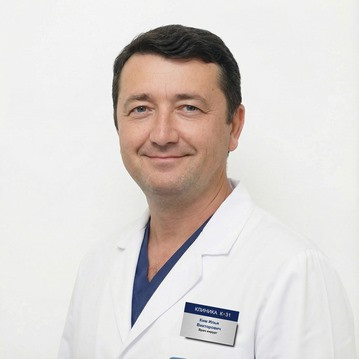
Kim Ilya Viktorovich
Experience 27 years
Make an appointment
Kim
Ilya Viktorovich
Surgeon
Bratova (Safanova) Inna Ilyinichna
Experience 13 years
Make an appointment
Bratova (Safanova)
Inna Ilyinichna
Endocrinologist
Troshina Viktoriya Vadimovna
Experience 9 years
Make an appointment
Troshina
Viktoriya Vadimovna
Endocrinologist
Katsobashvili Ilana Alexandrovna
Experience 6 years
Make an appointment
Katsobashvili
Ilana Alexandrovna
Endocrinologist
Dubrovskaya Tatyana Igorevna
Experience 10 years
Make an appointment
Dubrovskaya
Tatyana Igorevna
Leading endocrinologist, nutritionist, therapist
Gurinovich Olga Sergeevna
Experience 6 years
Make an appointment
Gurinovich
Olga Sergeevna
Endocrinologist
Romanova Alina Nikolaevna
Experience 8 years
Make an appointment
Romanova
Alina Nikolaevna
Endocrinologist
Briskman Tatyana Dmitrievna
Experience 5 years
Make an appointment
Briskman
Tatyana Dmitrievna
Endocrinologist, nutritionist
Kanevskaya Svetlana Sergeevna​
Experience 26 years
Make an appointment
Kanevskaya
Svetlana Sergeevna​
Zamestitel Glavnogo Vracha Po Vnutrennim Boleznyam I Meditsine Dolgoletiya, D.m.n., Professor​
All specialists
2GIS Award
2GIS Award

This award is given to clinics with the highest ratings according to user ratings, a large number of requests from this site, and in the absence of critical violations.

«Good place» according to Yandex

This award is given to clinics with the highest ratings according to user ratings. It means that the place is known, loved, and definitely worth visiting.

Our doctors are laureates of the ProDoctors Award

The ProDoctors portal collected 500 thousand reviews, compiled a rating of doctors based on them and awarded the best. We are proud that our doctors are among those awarded.

Make an appointment at a convenient time on the nearest date

Price

Reception
Price
Initial appointment with an endocrinologist
from 6 450 ₽
Follow-up appointment with an endocrinologist
from 5 700 ₽

Appointment to the doctor

Fill out the form, our managers will contact you within 15 minutes

Reviews

The best endocrinologist! He will listen, ask questions, and tell you in detail. The doctor has very good energy! Thanks to her)))
02.08.2026
Nadezhda T.
An excellent doctor. Everything is done competently, intelligently and efficiently. Thanks!
01.08.2026
Olga M.
Alina Nikolaevna is the best doctor!!! Thanks To +31 ! Do you take care of your professionals?
25.07.2026
Irina T.
A sensitive doctor, a professional and a wonderful person
24.07.2026
Elena C.
Everything is fine. The reception is excellent. The doctor is very attentive to the patient's problems.
21.07.2026
Svetlana S.

About doctor:

Topalyan Sofia Petrovna

I am very grateful to the doctor!!!!
17.07.2026
Svetlana A.

About doctor:

Kim Ilya Viktorovich

A high-level professional. I am very happy with every reception. I would like to note the careful study of the patient's problem, and very professional recommendations. Thanks!
16.07.2026
Galina Sh.
A wonderful doctor! Hears the patient, not just listens! I really liked the approach to my problem.Immensely grateful!
16.07.2026
Zarina A.
An excellent competent doctor. Endocrinology is now just for her. Thanks!
14.07.2026
Vladislav M.
A high-level specialist
07.07.2026
Natalya B.
Почему К+31?
К + 31 — full-cycle multidisciplinary medical centers, including the possibility of providing medical services of European quality level.
К + 31 — are leading doctors and diagnostics using high-tech equipment from world manufacturers (Karl Storz, Olympus, Siemens, Toshiba, Bausch&Lomb, Technolas, Zeiss, Topcon).
К + 31 — is ethical. The staff of K+31 clinics maintain open relationships with patients and partners. An individual approach to each patient is the basis of our service standards.
К + 31 — is modernity. On call 24/7: call center operators will answer your questions at any time and book you an appointment with doctors. Contact us by phone, through the feedback form on the website and Max.

Our clinics

Address K+31 Lobachevskogo 2

st. Lobachevskogo, 42/7

Contacts

+7 499 999-31-31

Opening hours

Mon-Fri: 08:00 – 21:00
Weekend: 09:00 – 19:00

Address K+31 on Lobachevskogo

st. Lobachevskogo, 42/4

Contacts

+7 499 999-31-31

Opening hours

Mon-Fri: 08:00 – 21:00
Weekend: 09:00 – 19:00

Address K+31 Petrovskie Vorota

1st Kolobovsky pereulok, 4

Contacts

+7 499 999-31-31

Opening hours

Mon-Fri: 08:00 – 21:00
Sat-Sun: 09:00 – 19:00

Address K+31 West

Orshanskaya, 16/2; Ak. Pavlova, 22

Contacts

+7 499 999-31-31

Opening hours

Mon-Fri: 08:00 – 21:00
Sat-Sun: 09:00 – 18:00
K+31 on Lobachevskogo
Didn't find the service you were looking for?

Экстренная помощь