
Treatment of Wedge-Shaped Dental Defects
At the base of the crown, where the tooth meets the gum, a small indentation sometimes appears—resembling a wedge mark. It can be barely noticeable or several millimeters deep. This is a wedge-shaped dental defect—a non-carious lesion of the hard tissue in the cervical region.
Unlike caries, there is no bacterial destruction. Enamel and dentin wear away mechanically—under pressure, friction, or acid. This is why the surface of the defect is usually smooth, dense, with a characteristic V-shaped profile. A carious cavity does not appear this way.
Wedge-shaped defects most often occur in canines and premolars—the teeth that bear the greatest lateral forces during chewing. Incisors and molars are less commonly affected. Now let's take a closer look at what a wedge-shaped defect is and how to treat it.

specialists

equipment

treatment






Causes of wedge-shaped defect

A defect at the neck of a tooth rarely occurs for a single reason. More often, it is caused by a combination of several factors acting simultaneously.
Incorrect toothbrushing technique
Horizontal brushing movements are one of the main causes of defects at the neck of a tooth. If a person brushes their teeth back and forth for years, rather than using circular or sweeping motions, the enamel in the cervical area gradually wears away. This process is slow, so the connection between habit and results is not always clear.
Hard toothbrushes and abrasive toothpastes
A toothbrush with hard bristles, combined with vigorous movements, literally grinds away the enamel. Whitening toothpastes with a high abrasive index (RDA above 100) aggravate the situation, especially if sensitivity is already increased. Abrasion in the cervical area increases faster than a person notices.
Overload of teeth, malocclusion, bruxism
When a tooth bears excessive chewing pressure, micro-bending occurs in the cervical area. The enamel here is thin and begins to crumble over time—this mechanism is called abfraction. Malocclusion creates uneven pressure on individual teeth. Bruxism—grinding the teeth at night—increases the load and significantly accelerates decay.
Acid exposure and associated factors
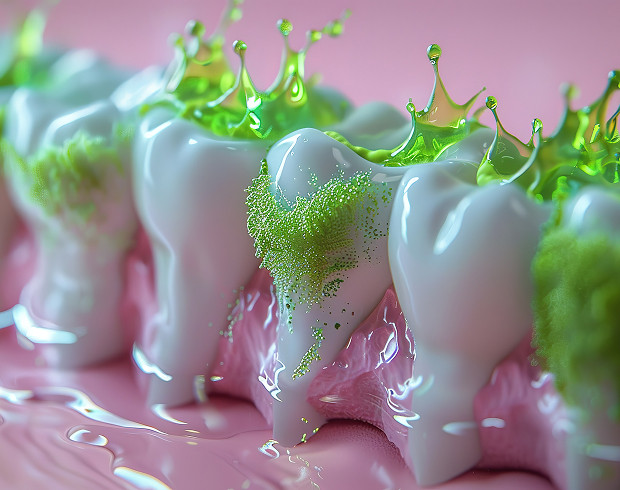
An acidic environment softens enamel. Frequent consumption of citrus fruits, carbonated drinks, and gastroesophageal reflux gradually thin the tooth's protective layer. Softened enamel is much less resistant to mechanical stress, resulting in enamel erosion or accelerated wedge-shaped defect formation.
The main causes of wedge-shaped defects:
- Incorrect toothbrushing technique (horizontal movements)
- Hard toothbrushes and abrasive toothpastes
- Overload of individual teeth due to malocclusion
- Bruxism - clenching and grinding of teeth at night
- Acid attack on enamel
- Gum recession with exposure of the tooth neck
Next, we'll list the stages of the disease.
Initial Stage
The defect is barely noticeable visually. The pit is superficial, and the enamel in this area is thinned but not yet destroyed. The person may periodically experience short-term sensitivity to cold. At this stage, eliminating the triggering factors and performing remineralizing therapy is sufficient.
Middle Stage
The pit deepens, and the dentin begins to show through the thinned enamel or is already exposed. Hyperesthesia becomes more noticeable: the tooth reacts to cold, acidic substances, and sometimes even to touch. At this stage, restoration is usually necessary.
Deep defect and complications
With deep non-carious lesions, the dentin is significantly exposed, and the walls of the defect approach the pulp. The tooth may react to heat and biting. The risk of crown fracture increases. In advanced cases, pulp inflammation is possible, making treatment more difficult.
General information about the procedure
Diagnostics
Now let's take a closer look at how a patient is diagnosed.
How the Examination is Performed
The dentist examines the cervical area of each tooth visually and with a probe. The characteristic shape of the notch, smooth, dense walls, and typical location allow for a diagnosis to be made during the first examination.
Assessing Sensitivity and Depth of the Defect
Depth is measured with a probe. Sensitivity is assessed using a cold test. If necessary, a targeted X-ray is taken to assess the condition of the periodontium and the distance to the pulp.
How does a wedge-shaped defect differ from caries and erosion?
The three lesions may look similar, but have different mechanisms and different appearances:
| Sign | Wedge-shaped defect | Caries | Enamel erosion |
|---|---|---|---|
| Shape | V-shaped notch | Irregular edges, softened walls | Saucer-shaped depression, smooth |
| Surface | Smooth, Hard | Rough, softened | Smooth, shiny |
| Location | Cervical area | Any surface | Most often, the vestibular surface |
| Cause | Mechanics + load | Bacteria | Acidic effect |
| Color | Usually unchanged | Dark spots, darkening | Yellowish tint |
External similarity between defects is a strong argument in favor of in-person diagnosis. It is impossible to independently determine the nature of the lesion based on symptoms.




When to see a dentist
You should make an appointment if:
- Your teeth have developed sensitivity to cold, hot, or acidic foods that wasn't present before.
- A small notch or groove is visible at the base of the tooth.
- The tooth reacts to brushing.
- The sensitivity is increasing or has become constant.
- A chip in the enamel is visible in the cervical area.
Don't delay a visit if you have pronounced symptoms of a wedge-shaped defect. The deeper the defect, the more difficult and expensive the treatment.

Brief Conclusions
A wedge-shaped defect is a gradually progressing lesion that does not resolve on its own. In the early stages, it is sufficient to eliminate the cause and perform preventive treatment. Once a cavity has formed, restoration is necessary—along with correction of the factors that led to the defect. Without this, any treatment will only yield temporary results.
This material is for informational purposes only and does not replace a consultation with a dentist. A diagnosis is made only after an in-person examination by a dentist. The choice of treatment method depends on individual indications and is determined by a specialist during the consultation.

Our doctors















































This award is given to clinics with the highest ratings according to user ratings, a large number of requests from this site, and in the absence of critical violations.

This award is given to clinics with the highest ratings according to user ratings. It means that the place is known, loved, and definitely worth visiting.

The ProDoctors portal collected 500 thousand reviews, compiled a rating of doctors based on them and awarded the best. We are proud that our doctors are among those awarded.
Make an appointment at a convenient time on the nearest date
Price

Appointment to the doctor
Reviews

















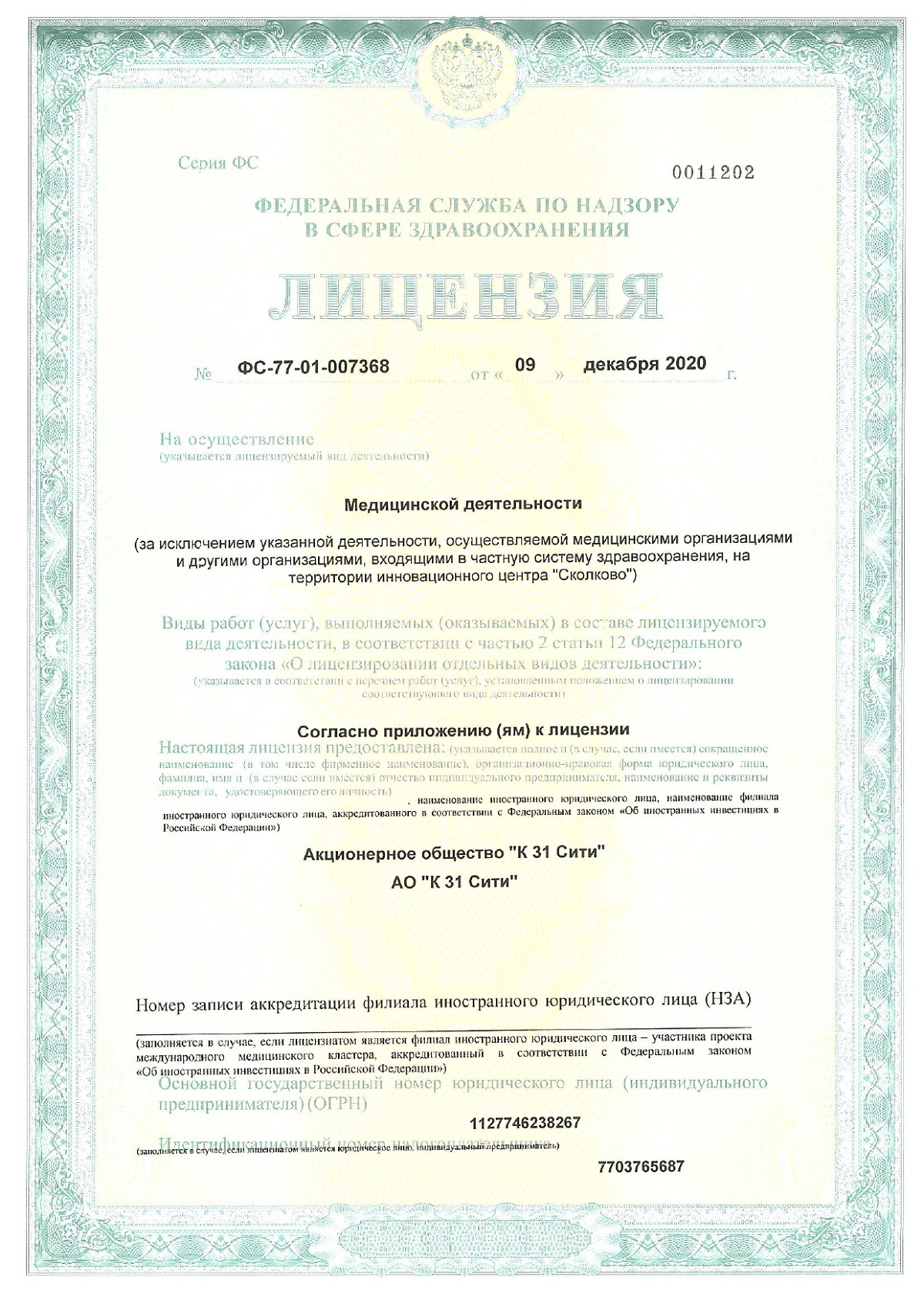
Our clinics


Application “Personal Account K+31”












Symptoms and signs of wedge-shaped defect
The first thing a person notices is increased tooth sensitivity. Cold air, sour or sweet foods, brushing—all of these trigger a short-term, acute reaction. The medical term for this is hyperesthesia.
Later, the notch itself becomes visible: first as a barely noticeable notch at the gumline, then as a distinct groove with smooth edges. The gums in this area often recede slightly—gingival recession occurs, exposing the neck of the tooth.
If the defect is deep, the tooth may react to hot objects and ache when biting. Sometimes, small chips of enamel are visible in the area of the notch.