
Trema: Symptoms, Causes, and Treatment
In medical and psychological practice, trema refers to a condition characterized by intense anxiety. It occurs before a significant event. Trema can also occur before going out in public or before a person is about to understand the judgment of others. This is perceived as critically dangerous, and a powerful physical response occurs.

specialists

equipment

treatment






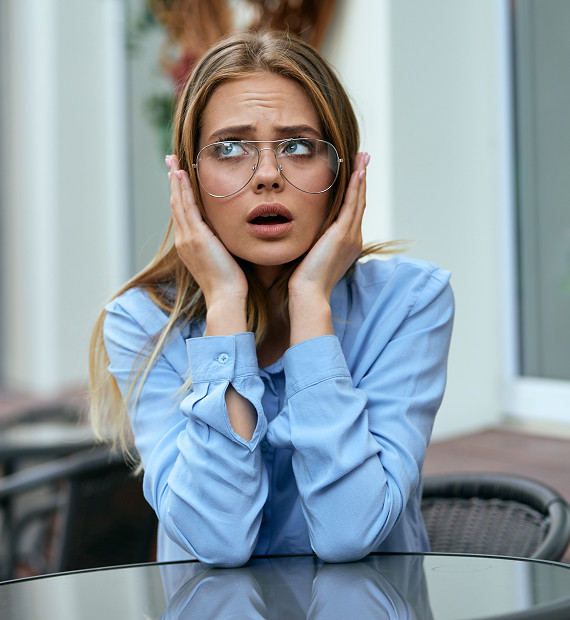
This is considered a variant of phobia, the so-called isolated reaction to publicity. When studying trema, doctors note the internal mobilization of the nervous system. It spirals out of control. The person experiences stress and an immediate reaction to avoid publicity, but is unable to do so. This leads to powerful dissonance and destabilization of the nervous system.
How trema manifests itself
Intense stage fright activates the autonomic nervous system. A colossal release of adrenaline occurs, the heart rate increases, and the breathing rhythm is disrupted. A subjective feeling of loss of control over one's own body arises.
How is anxiety different from normal nervousness?
With a healthy response to stressful situations, the body mobilizes, concentrates, and quickly copes with the problem. However, with pathological anxiety before a performance, stress paralyzes the will, the person cannot concentrate, and this state inevitably leads to maladaptation.
When you need help from a specialist

When should you seek medical attention? Professional help is needed when the patient's quality of life declines. If your symptoms worsen, you experience fainting, increased anxiety, or behavioral problems, consult a doctor immediately. Self-medication is unacceptable.
Symptoms that interfere with work, study, and public speaking
Intense fear of public speaking causes people to turn down career opportunities, skip exams, and avoid professional interactions. The patient consciously limits social activity. Each upcoming event is anticipated with increasing dread.
Signs that you should not delay seeking help
Signs that the condition has gone beyond normal anxiety:
- Intense fear long before a presentation
- Trembling, sweating, tachycardia before going on stage
- Avoiding presentations, exams, and meetings
- Feeling "stupor" or memory lapses
- Notable impact on studies, career, and social interactions
- Severe panic reaction with risk of loss of consciousness
Causes of trema

The development of the disorder is caused by a complex of neurobiological and environmental factors.
Psychological Causes
Perfectionism leads to unattainable goals. Deep-seated insecurity fuels a constant expectation of failure. Negative past experiences form a persistent pattern of destructive reactions, and childhood criticism lays the foundation for vulnerability.
Behavioral and Social Factors
A deficit in communication skills exacerbates the situation. A lack of regular experience in front of an audience deprives the ability to adapt. The rigorous demands of the work environment increase the level of internal stress.
The Connection between the Thera and Anxiety Disorders
Often, the disorder serves as a marker of deeper disorders. Generalized social anxiety causes a fear of any kind of evaluation, not just on stage.
General information
Diagnosis
A competent diagnosis of anxiety disorders is the key to successful and safe treatment.
How is the initial assessment performed?
A psychologist or psychiatrist collects a detailed medical history and assesses the severity of symptoms. Specialized clinical scales for measuring stress levels are used. The doctor carefully examines the impact of the problem on the patient's daily life.
What conditions are important to rule out?
The specialist must differentiate the problem from endocrine pathologies and cardiovascular diseases. Other related phobic disorders are also excluded.





Comparison of Normal Anxiety and Trema
| Criterion | Normal Anxiety | Trema | When Professional Help Is Needed |
|---|---|---|---|
| Intensity | Moderate, mobilizing | Extreme, paralyzing | Uncontrollable anxiety |
| Physical symptoms | Mild nervousness, quickly passes | Tachycardia, tremor, shortness of breath | Symptoms mimic a heart attack |
| Effect on behavior | Mild fidgeting | Stupor, slurred speech | Inability to continue activities |
| Avoidance | Absent | Strong urge to escape | Complete withdrawal from events |
| Impact on life | Minor | Reduces productivity | Ruins career, education, and socialization |
Frequently Asked Questions
What is stage fright?
How does this pathology differ from normal anxiety?
Can you cope on your own?
Our doctors


















































This award is given to clinics with the highest ratings according to user ratings, a large number of requests from this site, and in the absence of critical violations.

This award is given to clinics with the highest ratings according to user ratings. It means that the place is known, loved, and definitely worth visiting.

The ProDoctors portal collected 500 thousand reviews, compiled a rating of doctors based on them and awarded the best. We are proud that our doctors are among those awarded.
Make an appointment at a convenient time on the nearest date
Price

Appointment to the doctor
Reviews





















Our clinics


Application “Personal Account K+31”












Symptoms of trema
The clinical picture is multifaceted, affecting several body systems. When studying the manifestations of the problem, doctors distinguish three main groups.
Emotional manifestations
A feeling of impending disaster, acute helplessness, and shame predominate. The patient is prone to catastrophizing and black-and-white thinking. Thoughts are rigidly fixed on a possible public failure.
Bodily symptoms
Increased heart rate, hyperhidrosis, tremors of the extremities, and dry mucous membranes are recorded. The body reacts to the perceived threat by releasing cortisol. Severe spasms of the smooth muscles of the abdomen, nausea, dizziness, and a muscle cramp in the neck are possible.
Behavioral Signs
The patient becomes excessively fidgety or completely inhibited. Speech is incoherent, too quiet, or unnaturally rapid. An obsessive urge to finish a report develops.