
Воспалительные заболевания кишечника
Воспалительные заболевания кишечника (ВЗК) – это хронические рецидивирующие патологии, которые охватывают разные отделы желудочно-кишечного тракта и поражают слизистую оболочку. По мере развития болезней отмечаются типичные диспепсические расстройства, а также внекишечные проявления (например, слабость и кожный зуд).

специалисты

оборудование

лечения




Симптоматика
Признаки воспаленного кишечника определяются местом поражения и градацией заболевания. Большинство симптомов характеризуются цикличностью: фазы активного проявления сменяются относительным затишьем – в это время дискомфорт почти не ощущается и кажется, что болезнь отступает. Ремиссия продолжается от 2-3 месяцев до нескольких лет.
Для улучшения качества жизни и избежания возможных осложнений, важно уметь идентифицировать признаки заболевания. Для этого необходимо своевременно обратиться к врачу и пройти комплексное обследование.
К симптомам воспаления кишечника, связанным с пищеварением, относятся:
- Устойчивая или периодическая диарея, иногда с кровью или слизью в фекалиях
- Спазматические или постоянные болезненные ощущения в животе
- Кровотечения из кишечника (характерны для болезни Крона)
- Чувство неполного опорожнения кишечника, ложные позывы к дефекации
- Анальные трещины (типичный признак язвенного колита)
- Наружные или внутренние свищи (при болезни Крона)
Главным признаком воспаленного кишечника, не связанным с пищеварением, является ухудшение общего состояния. Пациент при этом быстро утомляется, его часто клонит в сон. Кроме того, повышается температура тела, пропадает аппетит и на этом фоне снижается вес. Из-за потери крови и недостаточного всасывания железа нередко развивается анемия. В отдельных случаях наблюдаются боли в суставах, воспаление глаз и появление красных, болезненных узелковых высыпаний на коже.
Присутствие одного или нескольких из вышеуказанных проявлений требует незамедлительной консультации с врачом. Чем раньше будет установлен диагноз и начато адекватное лечение, тем выше вероятность сохранить здоровье.
Особенности диагностики
Установление диагноза начинается с детального обсуждения симптомов. Затем врач обращает внимание на анамнез пациента, включая особенности прошлых заболеваний, питания и образа жизни.
Дальнейшие этапы диагностики:
- Физический осмотр. Врач выполняет пальпацию живота и оценивает внешний вид пациента, включая цвет его кожи и слизистых, состояние языка, особенности телосложения.
- Лабораторные анализы. Сюда входят общий и биохимический анализы крови, мочи и копрограмма. При необходимости пациент сдает бактериологический анализ кала. Эти исследования помогают врачу оценить общее состояние здоровья пациента и определить возможные причины развития болезни.
- Инструментальная диагностика. Сюда входят эндоскопические исследования (например, колоноскопия или эндоскопия верхних отделов ЖКТ), а также рентгенография и магнитно-резонансная томография.
При необходимости врач направляет пациента на дополнительные консультации с другими специалистами.
ВЗК диагноз: что это такое? Воспалительное заболевание кишечника определяется на основе клинической картины, результатов лабораторных и инструментальных исследований.

Лечение воспаления кишечника
Чем лечить воспаление кишечника? Терапия таких заболеваний требует комплексного подхода и состоит из следующих этапов:
- Индукция ремиссии. Направлена на подавление активных воспалительных процессов. Достигается путем применения глюкокортикостероидов и иммуносупрессоров. В некоторых случаях терапию дополняют антибиотики и салицилаты, а также генно-инженерные препараты (моноклональные антитела к цитокинам)
- Поддержание ремиссии. Применяются иммуносупрессоры, препараты на основе 5-аминосалициловой кислоты и моноклональных антител. Цель этапа – удержать состояние ремиссии и поддержать контроль над симптомами без применения гормональной терапии
- Вспомогательная терапия. Осложнения, связанные с ВЗК, требуют дополнительного лечения. При развитии анемии врач назначает препараты железа. Если выявлен остеопороз, требуется прием лекарственных средств с кальцием. Для коррекции белково-электролитных нарушений проводится инфузионная терапия
Как лечить воспаление кишечника, когда заболевание прогрессирует или не отвечает на консервативную терапию? В этом случае назначается хирургическое вмешательство. Даже при наличии серьезных осложнений применяются минимально инвазивные процедуры:
- Стриктуропластика
- Дилатация стриктур
- Эндоскопическая остановка кровотечения
Цель этих процедур – восстановить нормальное функционирование кишечника, минимизируя при этом его травмирование.
При наличии глубоких повреждений стенки кишки требуются более серьезные операции, например, резекция (удаление) проблемного участка органа. Также практикуется наложение анастомозов и создание искусственного анального отверстия (стомы).
Общая информация
Профилактические рекомендации
Точные методы профилактики ВЗК неизвестны из-за неясности причин заболевания. Однако некоторые общие рекомендации помогают снизить риск развития патологии или облегчить ее протекание. К ним относятся:
- Правильное питание. Пациенты с ВЗК должны следить за своим рационом, поскольку некоторые продукты могут вызывать обострение симптомов. Рекомендуется избегать жирной и острой пищи, а также продуктов, вызывающих вздутие живота и газообразование. Более точные диетические рекомендации зависят от диагноза и уточняются у лечащего врача.
- Регулярное обследование. Постоянные медицинские осмотры и консультации с врачом помогают контролировать течение заболевания и своевременно обнаруживать возможные осложнения.
- Отказ от курения. Употребление никотина увеличивает риск развития ВЗК (особенно болезни Крона). При длительном стаже нужно сперва сократить количество выкуриваемых сигарет в день, а затем полностью отказаться от вредной привычки.
Также рекомендована регулярная физическая активность. Она способствует уменьшению симптомов ВЗК и помогает поддерживать общее состояние здоровья.


Лечение воспаления кишечника в Москве в клинике "К+31"
Клиника "К+31" предлагает высококачественную диагностику и лечение воспаления кишечника.
У нас можно пройти лабораторные исследования, эндоскопию, и колоноскопию. На основании установленного диагноза специалисты клиники назначают лекарственную терапию или хирургическую операцию.
Онлайн запись в клинику "К+31"
Записаться на лечение воспаления кишечника у взрослых можно онлайн на нашем сайте. Для этого укажите в заявке свои ФИО и номер телефона.
Если вам требуются дополнительные процедуры, сообщите об этом при обратном звонке. Любые вопросы можно задавать по телефону.
Наши врачи


















Такая награда выдаётся клиникам с самым высоким рейтингом по оценкам пользователей, большим количеством обращений с данной площадки, при отсутствии критичных нарушений.

Такая награда выдается клиникам с самым высоким рейтингом по оценкам пользователей. Она означает, что место знают, любят и сюда точно нужно зайти.

Портал ПроДокторов собрал 500 тысяч отзывов, составил по ним рейтинг врачей и наградил лучших. Гордимся, что среди награжденных есть наши врачи.
Запишитесь на прием в удобное время на ближайшую дату
Стоимость
Другие услуги

Запись к врачу
Отзывы


Наши клиники


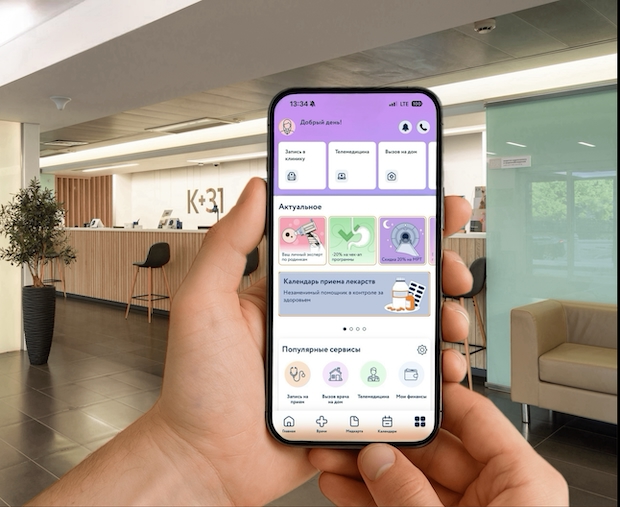
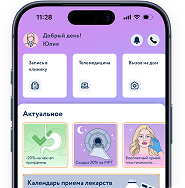
Приложение «Личный кабинет К+31»











Разновидности болезней кишечника
Воспалительные заболевания кишечника нередко возникают на фоне язвенного колита – состояния, которое в основном затрагивает толстую кишку, вызывая циклы обострений и ремиссии. Главным признаком этой патологии считаются боли в животе. Дополнительно присутствует диарея, а в тяжелых случаях наблюдаются внутренние кровотечения, что выражается в изменении цвета кала. К другим видам воспалений в кишечнике следует отнести:
Почти все эти воспалительные заболевания кишечника возникают на фоне нарушения микробиоты тонкой и толстой кишки. Болезнь Крона развивается вследствие генетической предрасположенности.