
Urea in cosmetics
Urea is one of the most studied and versatile ingredients in foot care, combining powerful moisturizing and gentle keratolytic action. It's important to understand how concentration and formulation influence the effect so that the cream doesn't just "soften" but actually addresses the problem of dryness, calluses, and cracks.

specialists

equipment

treatment
How urea affects the skin
| Concentration | Action | Indications |
|---|---|---|
| 2–5% | Light moisturizing, dryness prevention | Daily care, maintaining soft skin |
| 5–10% | Intensive moisturizing, gentle exfoliation | Moderate dryness, flaking, atopic dermatitis |
| 10–20% | Significant softening, keratolytic effect | Calluses, first cracks, hyperkeratosis |
| 20–30% | Therapeutic softening of keratinized layers | Deep cracks, severe roughness of the feet |
| More than 40% | Professional keratolytic | Podiatry procedures, onycholysis |
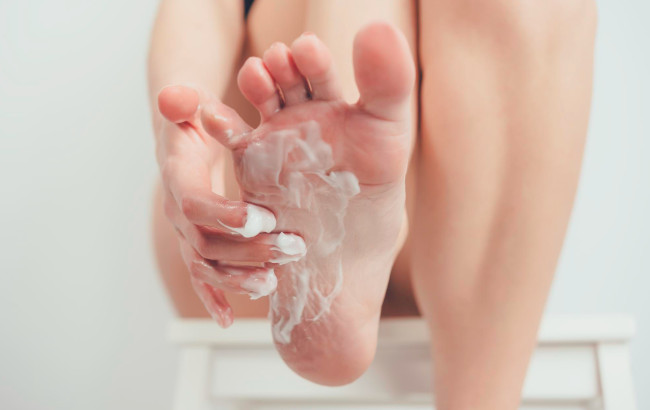
Why does the skin of the feet especially need urea?
The skin of the feet experiences enormous mechanical stress: with every step, the entire body weight falls on a relatively small area. With age, as well as due to certain dermatological conditions, the skin's natural urea levels decrease, leading to:
- Dryness and flaking
- Thickening of the stratum corneum (hyperkeratosis)
- Formation of corns and calluses
- Painful cracks
In winter, during the heating season, the problem is exacerbated by low air humidity. Regular use of urea-containing creams helps replenish the deficiency and prevent complications.
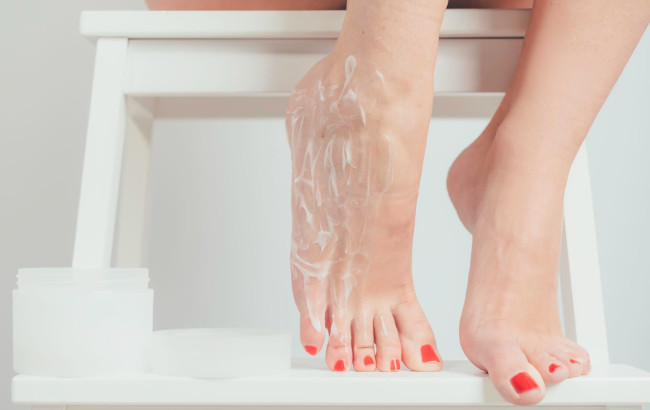
Urea as a "conductor" for other components
In addition to its independent action, urea enhances the skin's permeability for other active ingredients. In foot creams, it helps oils (avocado, shea, evening primrose), allantoin, and other ingredients penetrate the deep layers of the epidermis. This property is especially important in comprehensive care for problematic foot skin.
At concentrations of 1 to 5%, urea acts as a carrier for the main ingredient in the treatment. At higher concentrations, it simultaneously moisturizes, exfoliates, and enhances the action of all active ingredients in the formula.
General information
Who should avoid using urea creams?
While urea is safe, there are situations when using creams containing it is not advisable:
- Open wounds and bleeding cracks
- Individual intolerance
- Acute dermatological diseases (eczema, dermatitis, fungal infections)
- Children's skin under 3 years old
For irritated skin due to atopic dermatitis or psoriasis, a product containing 10% urea may increase the burning sensation. In such cases, a concentration of no more than 5% is suitable.



FAQ: Frequently asked questions about urea in cosmetics
Is the urea in the cream really made from urine?
What percentage of urea is needed for foot skin?
Can I use urea cream every day?
Is it true that urea helps other ingredients penetrate the skin?
When shouldn't urea cream be used?
How do I schedule an appointment with a podiatrist at K+31?
Our doctors



















This award is given to clinics with the highest ratings according to user ratings, a large number of requests from this site, and in the absence of critical violations.

This award is given to clinics with the highest ratings according to user ratings. It means that the place is known, loved, and definitely worth visiting.

The ProDoctors portal collected 500 thousand reviews, compiled a rating of doctors based on them and awarded the best. We are proud that our doctors are among those awarded.
Make an appointment at a convenient time on the nearest date
Price

Appointment to the doctor
Reviews





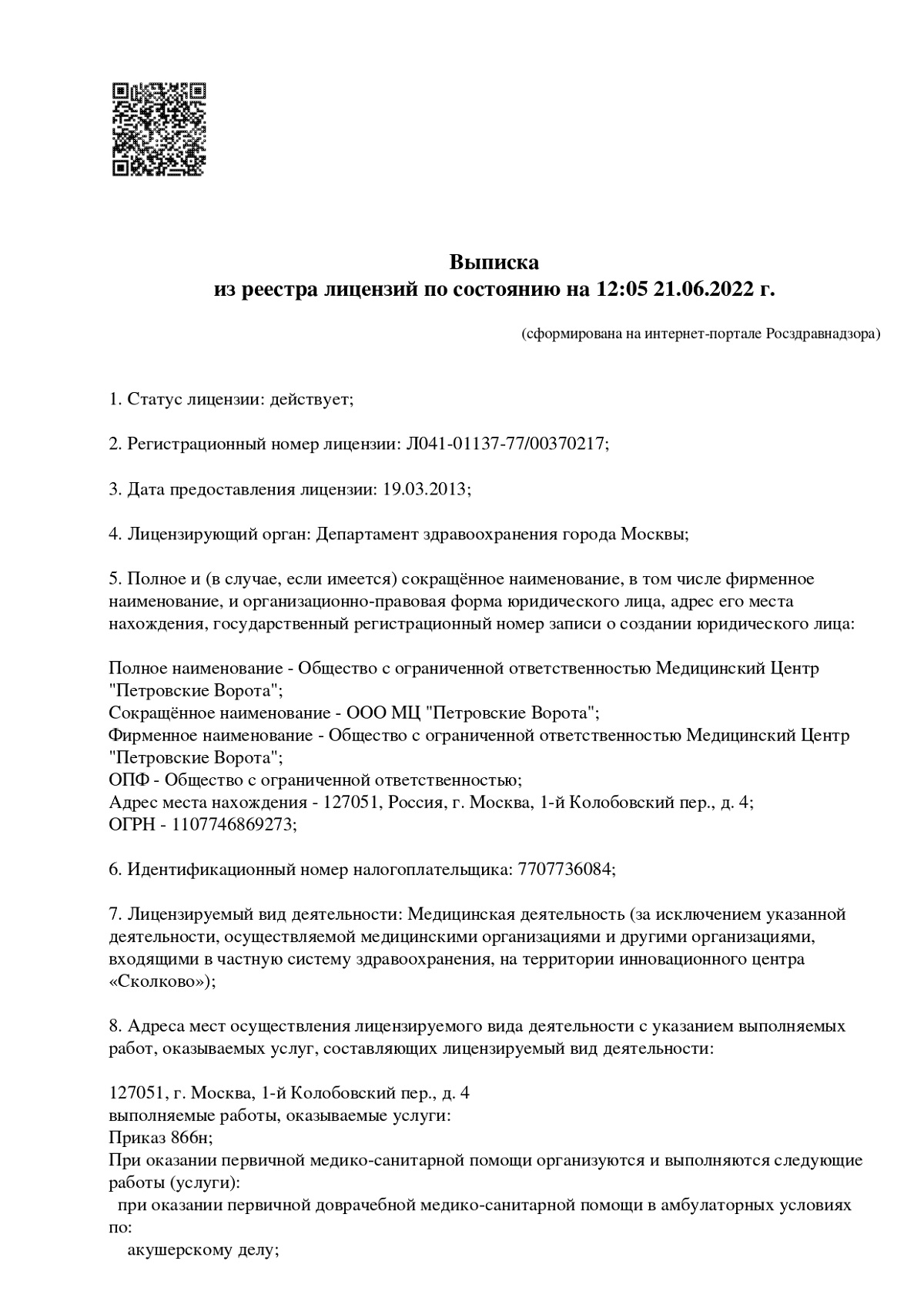

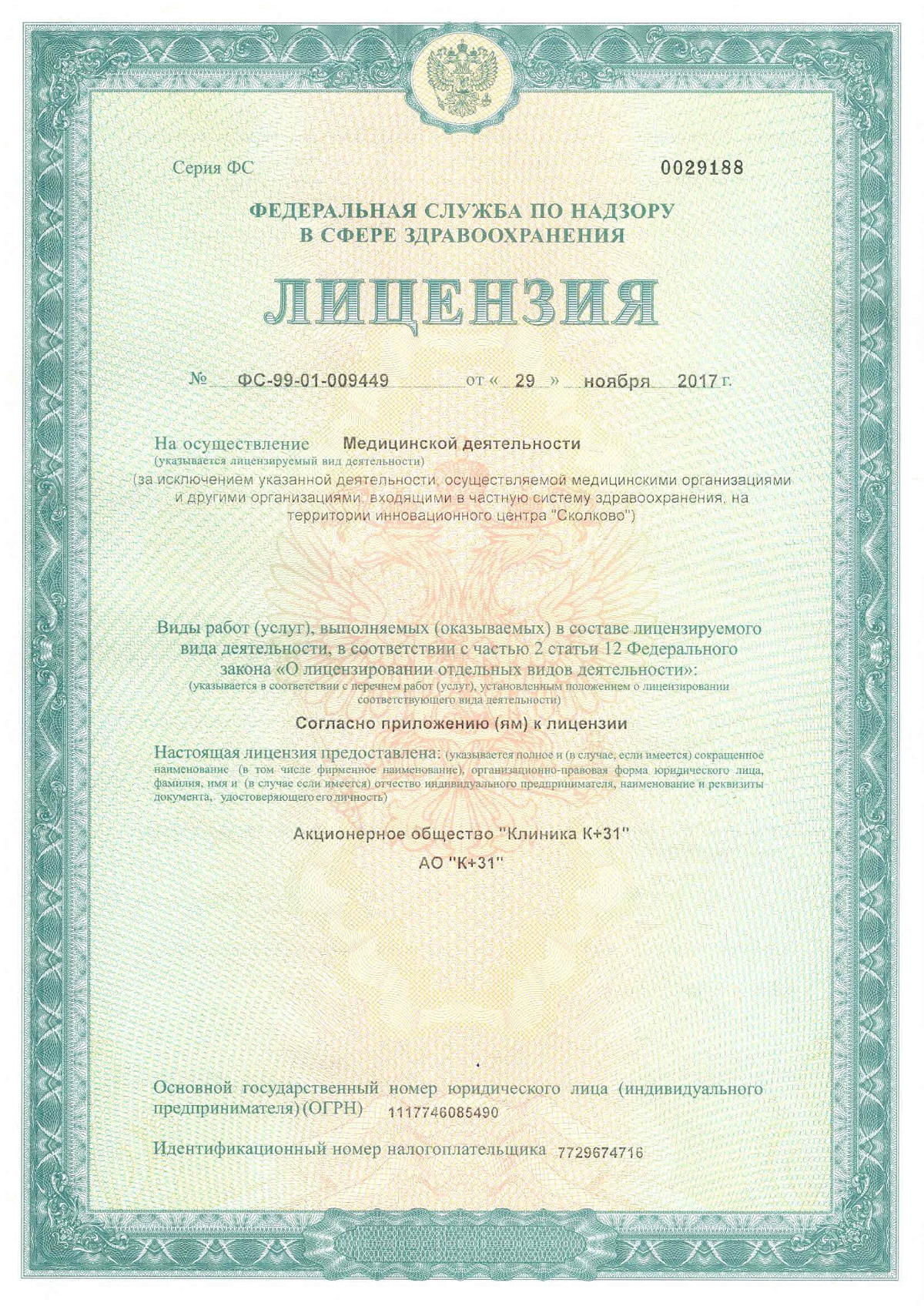
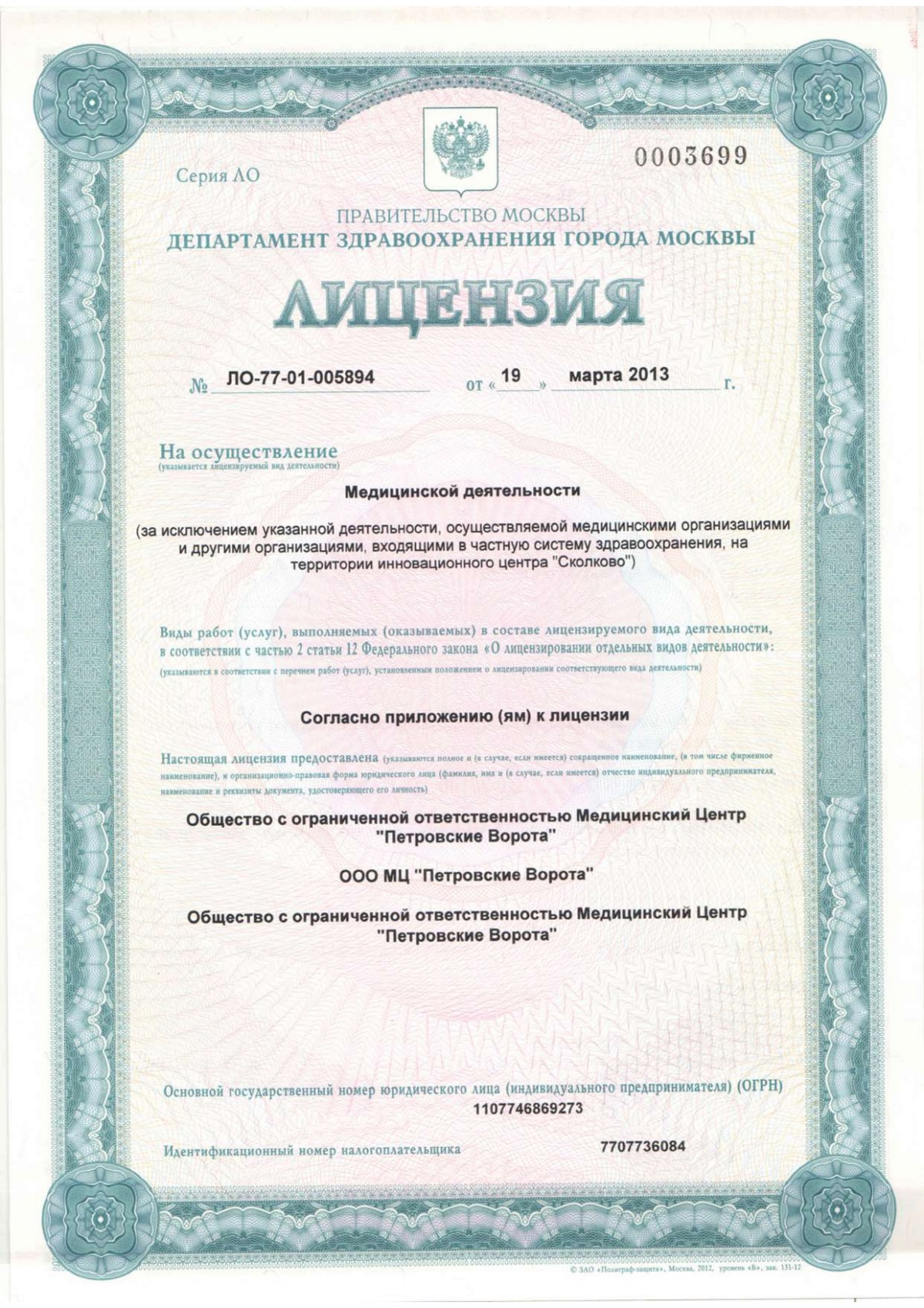
Our clinics


Application “Personal Account K+31”












Why does a dermatologist talk about urea?
Heard the word "urea" during a consultation, patients often feel confused. Meanwhile, urea (urea, carbamide) is one of the most researched and sought-after components in dermatocosmetics and podiatry. The name refers to the history of its discovery: in 1773, French chemist Hilaire Marin Ruel first isolated this compound from human urine by evaporation. Today, urea is synthesized from ammonia and carbon dioxide, and in cosmetics, it is designated as Urea or Hydroxyethyl Urea.
From a skin biochemistry perspective, urea is part of the Natural Moisturizing Factor (NMF), responsible for maintaining hydration and the barrier function of the epidermis. It is not a foreign element, but a physiological component that the skin accepts as naturally as possible.