
Эндокринология
Экспертная диагностика и лечение заболеваний щитовидной железы, сахарного диабета, ожирения и нарушений гормональной системы — с подбором оптимального метода лечения для каждого пациента.
Услуги
Лечение заболеваний
Профиль экспертизы — какие органы и состояния мы лечим
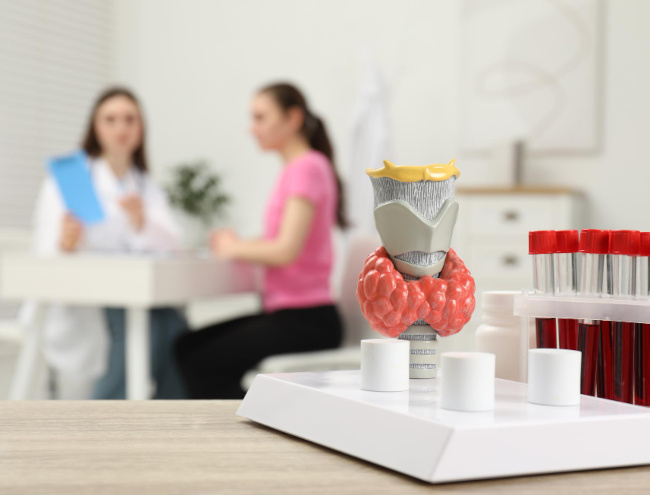
В отделении эндокринологии К+31 проводят экспертную диагностику и лечение заболеваний эндокринных органов и связанных с ними нарушений:
Щитовидная железа. Нарушения выработки гормонов (гипо- и гипертиреоз), узлы в щитовидной железе, аутоиммунные поражения, тиреоидиты.
Паращитовидные железы. Первичный и вторичный гиперпаратиреоз, гипопаратиреоз, нарушения кальциево-фосфорного обмена.
Гипофиз. Нарушения выработки гормонов гипофиза, образования гипофиза (пролактинома, соматотропинома, кортикотропинома).
Надпочечники. Нарушения выработки гормонов надпочечников (синдром Кушинга, первичный гиперальдостеронизм, надпочечниковая недостаточность), образования надпочечников.
Поджелудочная железа. Сахарный диабет 1 и 2 типа, моногенные формы, LADA-диабет, диабет после операций на поджелудочной железе. Диагностика недиабетических состояний со снижением глюкозы (инсулинома, демпинг-синдром).

Половые гормоны и репродуктивная функция. Снижение тестостерона у мужчин, гинекомастия, гиперандрогения у женщин, синдром поликистозных яичников, преждевременное истощение яичников, врождённая дисфункция коры надпочечников.
Нарушения костного метаболизма. Остеопороз, остеомаляция, нарушения кальциево-фосфорного обмена.
Заболевания, связанные с массой тела. Медикаментозное и немедикаментозное лечение ожирения, ведение пациентов до и после бариатрических операций, коррекция дефицита массы тела.
Эндокринные нарушения на фоне онкологического лечения. Нарушения функций эндокринных органов при иммунотерапии, таргетной терапии, длительном лечении глюкокортикоидами.
Редкие эндокринные расстройства. Множественная эндокринная неоплазия 1 и 2 типов, аутоиммунные полигландулярные синдромы, врождённый и приобретённый гипопитуитаризм, несахарный диабет.
Методы диагностики
В ходе консультации врач оценивает жалобы, собирает анамнез и проводит первичный осмотр.
Методы подбираются индивидуально. Часть исследований проводится непосредственно в клиниках К+31, в том числе в собственной лаборатории.
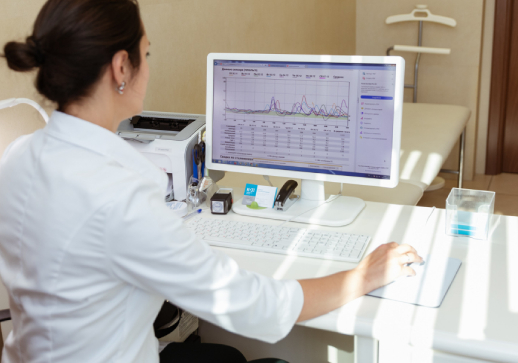
По результатам формируется индивидуальный диагностический план, который может включать:
- Лабораторные исследования — анализы крови, мочи и слюны на гормоны и маркеры обмена веществ
- УЗИ щитовидной и паращитовидных желёз
- МРТ гипофиза — при подозрении на образования гипофиза
- МСКТ надпочечников — для оценки объемных образований и функциональных нарушений
- Денситометрия (DXA) — определение минеральной плотности кости при остеопорозе
- Тонкоигольная аспирационная пункционная биопсия (ТАПБ) — при узлах щитовидной железы
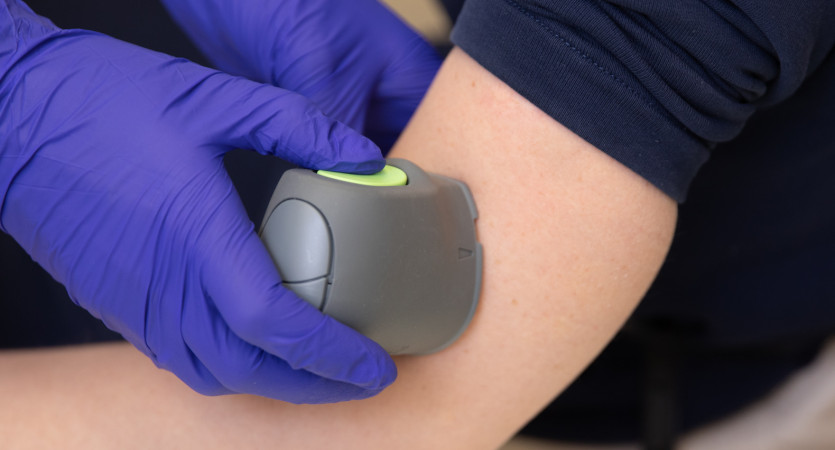
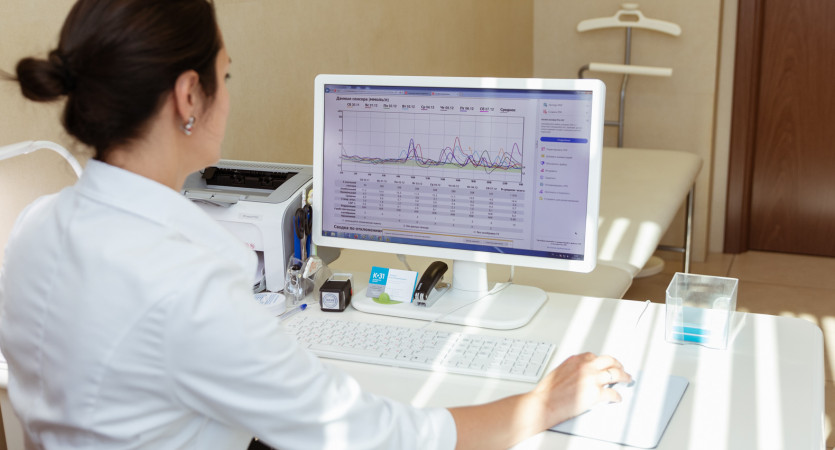
- Непрерывное мониторирование глюкозы (НМГ) — для точной оценки углеводного обмена
- Биоимпедансный анализ состава тела — при коррекции веса
- Функциональные пробы — ночной подавляющий тест с дексаметазоном, тест с длительным голоданием и другие
- Сцинтиграфия — радиоизотопное сканирование щитовидной железы

- Интерпретация результатов лабораторных исследований
- Тонкоигольная аспирационная пункционная биопсия узлов щитовидной железы (ТАПБ)
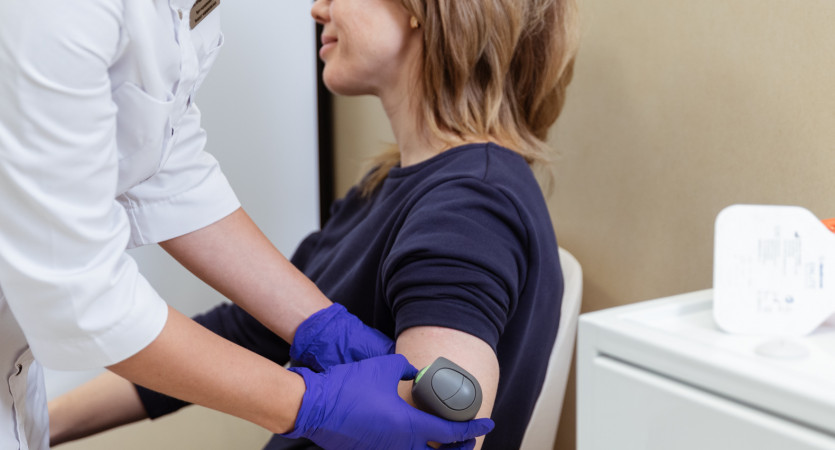
- Установка датчика непрерывного мониторирования глюкозы
- УЗИ щитовидной и паращитовидных желез
- МСКТ надпочечников
- Денситометрия бедра, лучевой кости, поясничного отдела позвоночника
- МРТ гипофиза
- Исследование дистальной диабетической полинейропатии
- Оценка риска диабетической стопы
- Обучение технике инъекций препаратов
- Подкожное введение препаратов под контролем врача (Семаглутид/Тирзепатид)
- Информационное консультирование по эндокринным патологиям
- Коррекция веса
- Лечение храпа
- Второе мнение врача
- Выездная консультация эндокринолога на дому
- Эндокринологический консилиум (участие нескольких специалистов-эндокринологов в лечении сложных случаев коморбидных состояний)

- Аутоиммунный тиреоидит
- Первичный гипотиреоз
- Тиреотоксикоз (болезнь Грейвса)
- Подострый тиреоидит
- Гестационный сахарный диабет
- Сахарный диабет 1 и 2 типа
- Диабетическая стопа
- Метаболический синдром, ожирение
- Остеопороз
- Нарушение менструального цикла. Менопауза
- Пролактинома
- Образования гипофиза
- Образования надпочечников
- Узлы щитовидной железы (зоб)
- Дефицит витамина D
- Коррекция дефицитов микро- и макронутриентов
- Проведение функциональных проб для исключения нарушений секреции кортизола
Если вам назначены инъекционные препараты для снижения веса или контроля сахарного диабета — агонисты глюкогоноподобного пептида 1 типа или ГПП-1 (Семаглутид, Тирзепатид), — наши эндокринологи обучат вас технике самостоятельного введения прямо на приёме. Первую инъекцию вы сделаете под контролем врача: это поможет избежать ошибок и снять тревогу перед началом терапии. Вы уйдёте с чёткими инструкциями и уверенностью в своих действиях.
Наши врачи

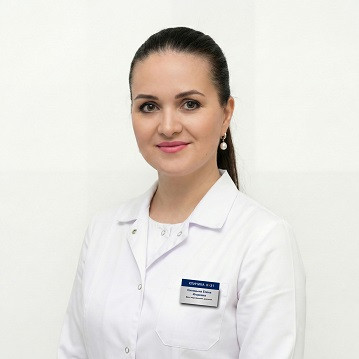
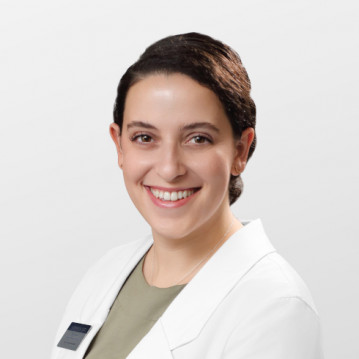
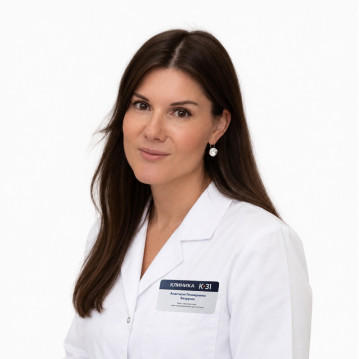
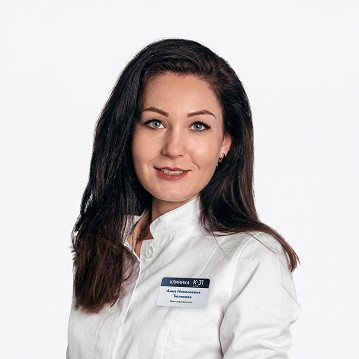
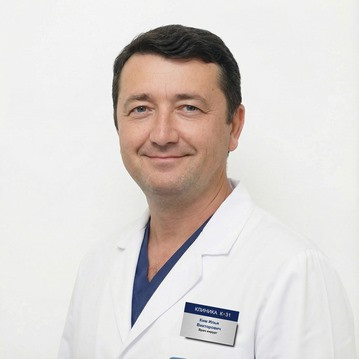
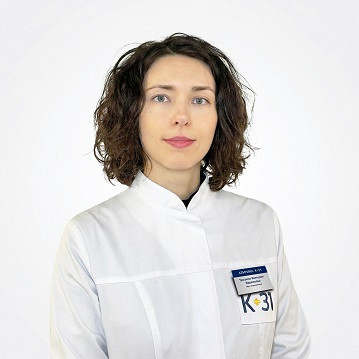

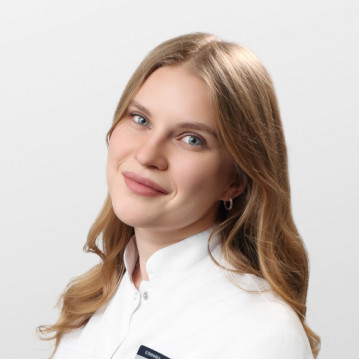
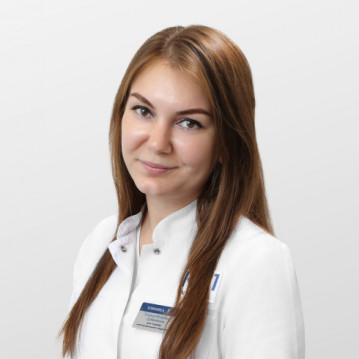
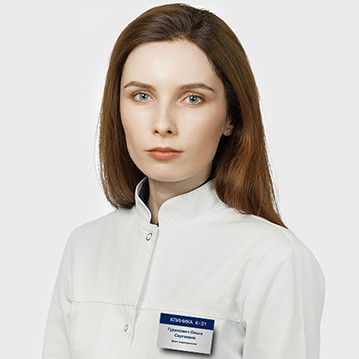
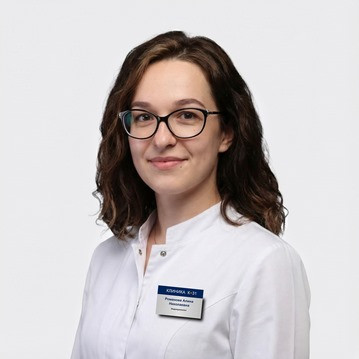

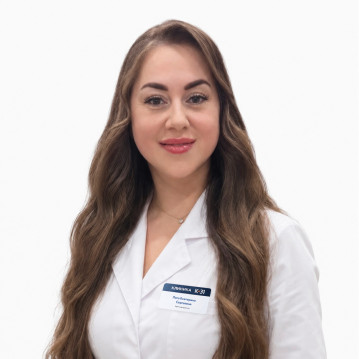

Такая награда выдаётся клиникам с самым высоким рейтингом по оценкам пользователей, большим количеством обращений с данной площадки, при отсутствии критичных нарушений.

Такая награда выдается клиникам с самым высоким рейтингом по оценкам пользователей. Она означает, что место знают, любят и сюда точно нужно зайти.

Портал ПроДокторов собрал 500 тысяч отзывов, составил по ним рейтинг врачей и наградил лучших. Гордимся, что среди награжденных есть наши врачи.
Запишитесь на прием в удобное время на ближайшую дату
Стоимость
Для точного скрининга и своевременного выявления остеопороза в К+31 создана комплексная программа обследования. Каждое исследование подобрано по клинической логике — в результате вы получаете не разрозненные показатели, а системную оценку состояния костной ткани и персональный план лечения.
Лишний вес редко бывает просто лишним весом — за ним стоит конкретная метаболическая причина. Программы «Слим» и «Мега Слим» в К+31 включают все необходимые исследования, чтобы точно её определить и назначить персональную стратегию коррекции — без догадок и универсальных диет.

Почему К+31
- Команда экспертов — врачи-эндокринологи, в том числе кандидаты медицинских наук, с опытом ведения как распространённых, так и редких эндокринных патологий
- Полный цикл диагностики — собственная лаборатория, УЗИ, МРТ, КТ, денситометрия, ТАПБ, НМГ — в одном медицинском центре
- Современные технологии — установка датчиков непрерывного мониторирования глюкозы, помповая инсулинотерапия, введение новейших препаратов (семаглутид, тирзепатид) под контролем врача
- Мультидисциплинарный подход — при необходимости к ведению пациента подключаются хирург, гинеколог, диетолог, специалист по диабетической стопе, кардиолог
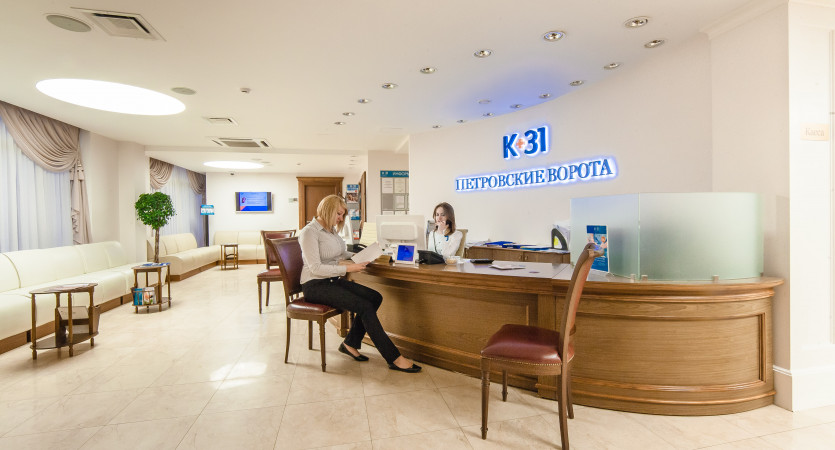
- Клиники в трех районах Москвы — на Лобачевского, Петровские Ворота, Запад
- Онлайн-консультации и выездная помощь — для пациентов, которым сложно добраться до клиники
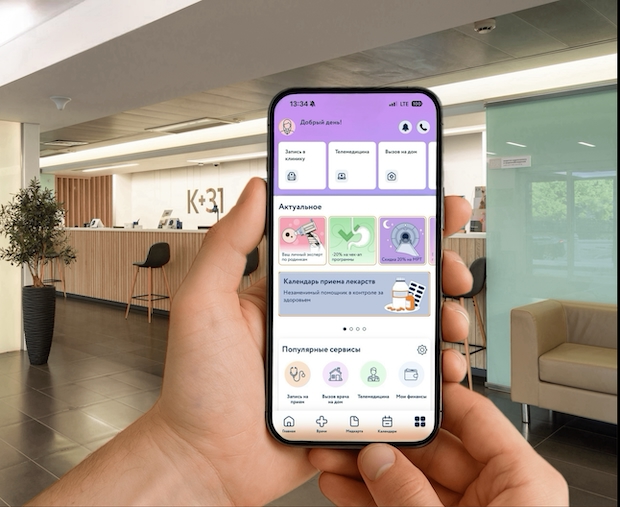
- Записаться к эндокринологу можно онлайн, по телефону или через приложение К+31

Ответы на популярные вопросы
Что лечит эндокринолог?
Эндокринолог — это врач, который занимается диагностикой и лечением заболеваний органов и систем, нарушенных вследствие избытка или недостатка гормонов в организме. Самые распространенные эндокринные патологии — сахарный диабет, заболевания щитовидной железы, узлы в щитовидной железе и ожирение.
Когда нужно обратиться к эндокринологу?
- Изменение веса
- Постоянная слабость, сонливость или, наоборот нервозность, дрожь в теле
- Нарушение/ощущение сердцебинения
- Дискомфорт в горле при остутствии симптомов ОРВИ, ощущение «кома» в горле, поперхивание
- Выпадение волос, изменение цвета или структуры кожи, повышенная потливость
- Наличие жажды или частого мочеиспускания
- Нарушение менструального цикла, снижение либидо
- Повышение артериального давления в молодом возрасте или сложности в управлении артериальным давлениям на антигипертензивной терапии
- Переломы, которые произошли «случайно», без значимой травмы, или частые переломы
- Для детей важные особенности эндокринологического характера также включают в себя: нарушение темпов роста и развития, раннее половое созревание или наоборот отсутствие полового созревания
Внимание! Ни один из названных симптомов не может считаться прямым доказательством наличия эндокринной патологии. Поставить точный диагноз может только врач после проведения диагностики. Особенно важно обратиться в медицинский центр и людям, близкие родственники которых страдают эндокринными заболеваниями.
Что взять с собой на прием к эндокринологу?
Если вы обращаетесь к эндокринологу впервые и ранее эндокринных нарушений выявлено не было — специально готовиться не нужно.
Если ранее вы наблюдались у эндокринолога — возьмите все ранее выполненные исследования и консультации специалистов.
Обязательно: список всех принимаемых препаратов с дозировками (или фотографии упаковок).
Для врача-диетолога: дневник питания за несколько дней.
Какие методы диагностики и лечения есть в эндокринологии?
В ходе консультации доктор оценивает жалобы пациента, собирает анамнез, проводит первичный осмотр пациента по результатам полученных данных врач формирует необходимый комплекс обследований, который может включать в себя:
- Лабораторные анализы крови, мочи или слюны
- Визуализирующие исследования: УЗИ, МРТ, КТ, денситометрия, биоимпедансометрия, сцинтиграфия (радиоизотопное сканирование), тонкоигольная пункционная биопсия
Также в диагностическом арсенале врача эндокринолога имеются такие методики, как проведение функциональных проб для определения «работоспособности» определенного органа или гормона (например, ночной подавляющий тест или тест с длительным голоданием) и использование неприрывного мониторирования глюкозы крови.
Методы диагностики и лечения зависят от характера нарушений и подбираются строго индивидуально. В отделении эндокринологии нашего медицинского центра работают высококвалифицированные специалисты с большим практическим опытом. Врач разработает эффективную и безопасную схему терапии, на основании высокоточных исследований
Помните, что выявить нарушения работы желез внутренней секреции самостоятельно невозможно. Не занимайтесь самолечением — это опасно! При малейших подозрениях на патологию пройдите обследование у эндокринолога. Записаться на прием к эндокринологу в Москве можно по телефону или на сайте медицинского центра. Для иногородних доступна онлайн-консультация.

Получить консультацию
Об отделении эндокринологии






Отзывы
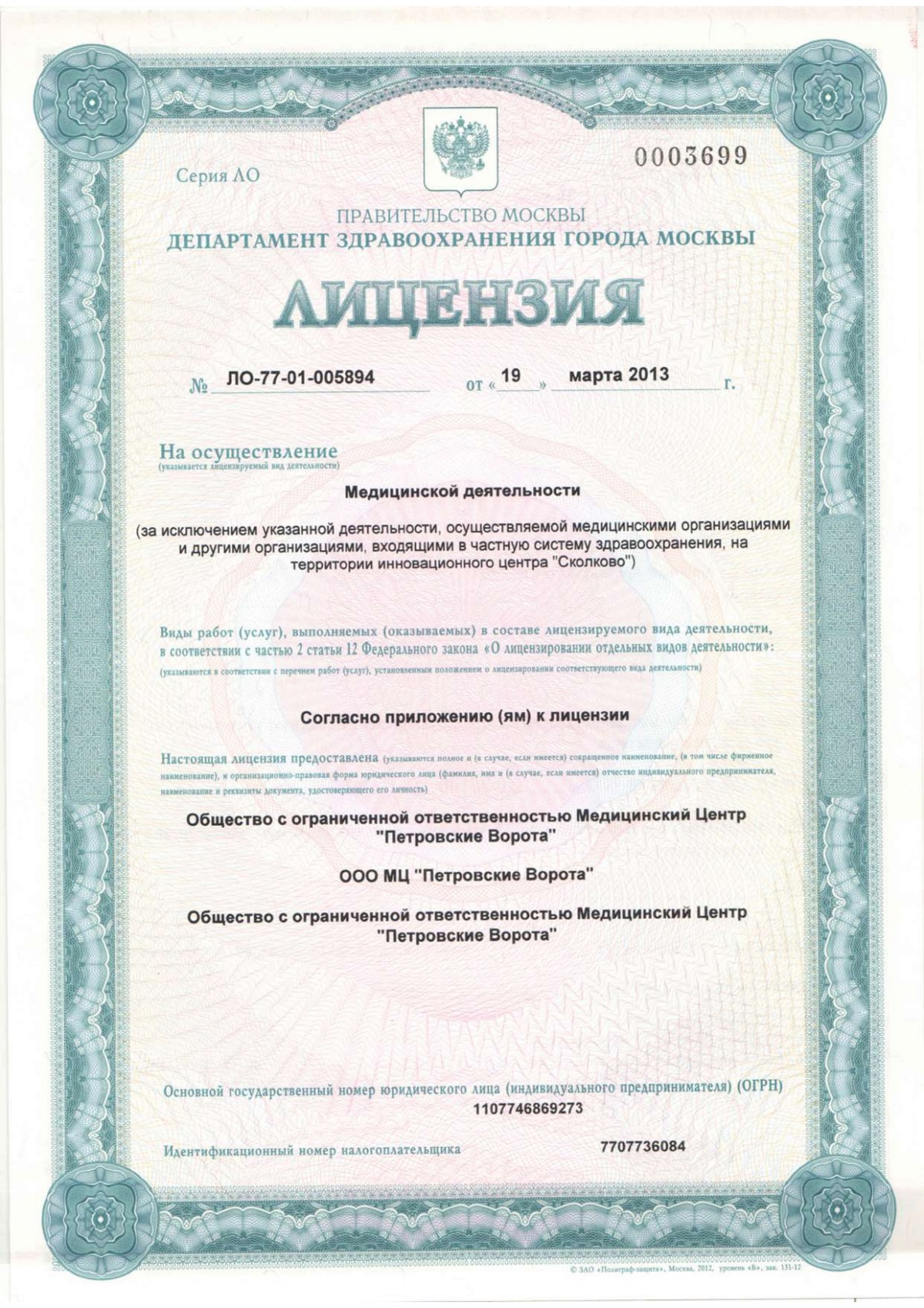
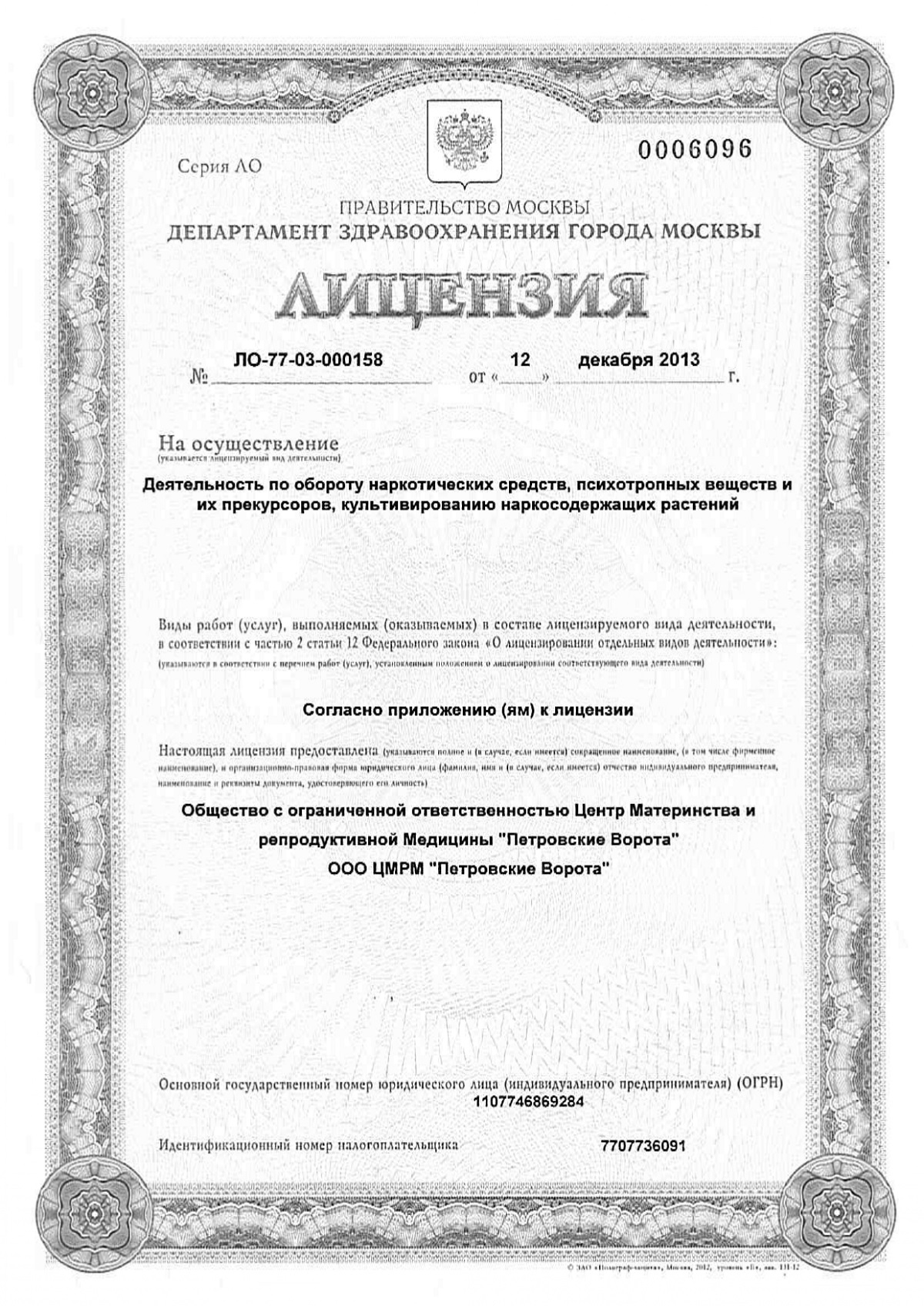
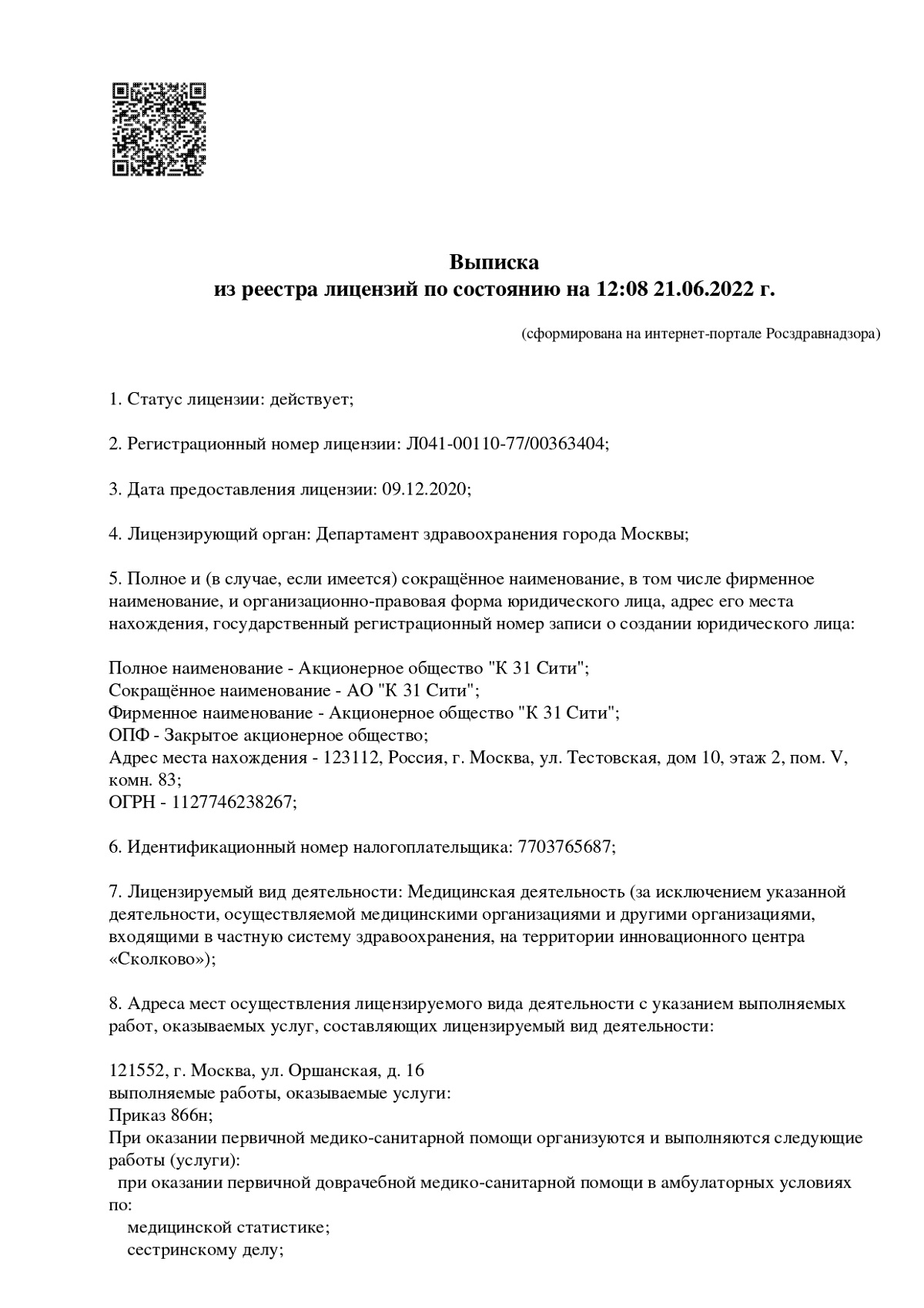
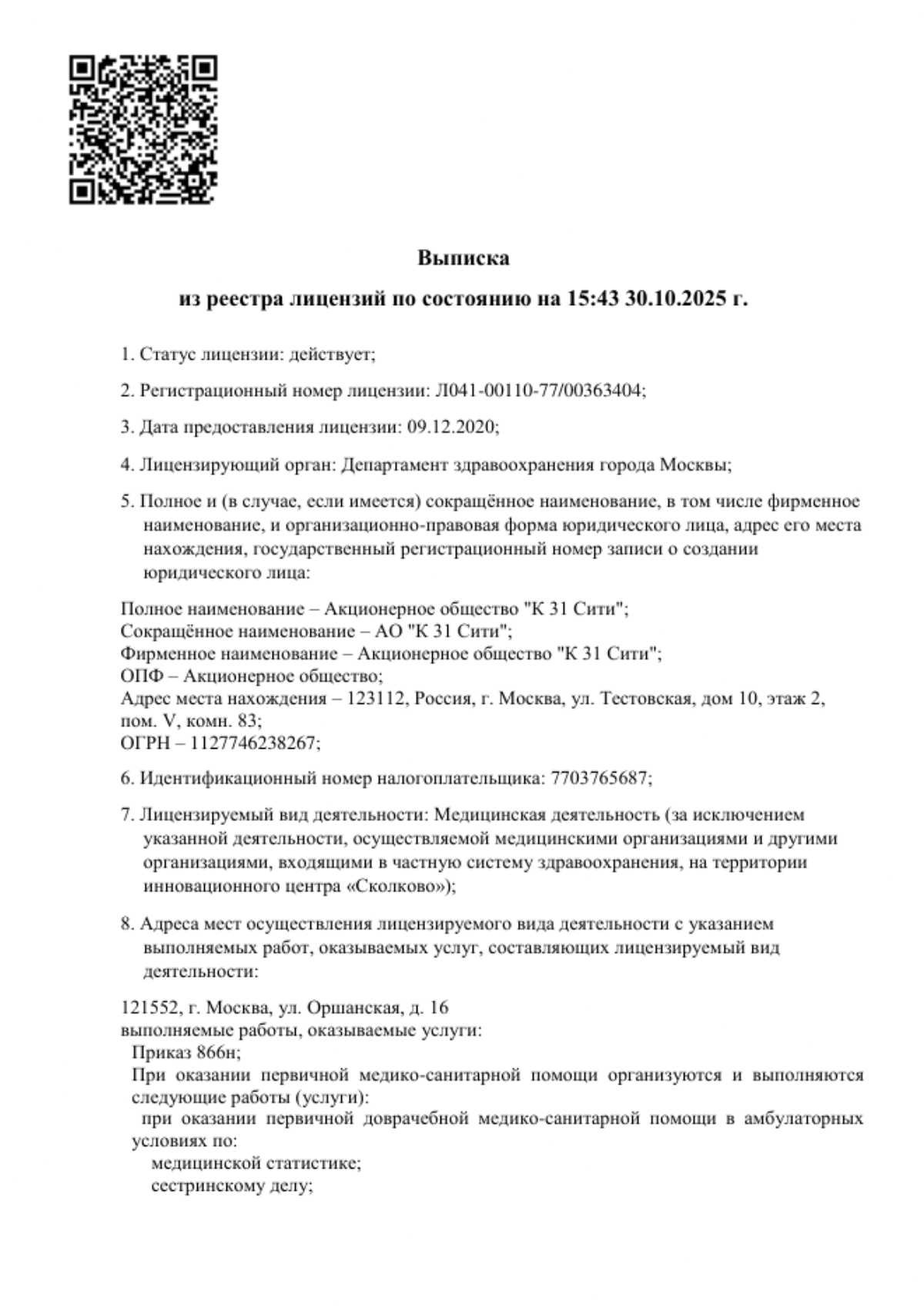
Как нас найти


Приложение «Личный кабинет К+31»










Эндокринология клиники К+31
Эндокринология — наука о гормонах и их влиянии на различные органы и ткани. В К+31 врачи-эндокринологи грамотно подходят к диагностике и лечению. Нашим специалистам доверяют как в лечении распространённых заболеваний эндокринной системы, так и в диагностике и лечении редких эндокринных расстройств.
Эндокринологи К+31 обладают навыками установки систем непрерывного мониторинга глюкозы и интерпретации результатов инструментальных и лабораторных исследований, занимаются ведением пациентов с заболеваниями любой степени сложности, подбирая оптимальные методы лечения для каждого конкретного пациента (в т.ч. установку помповой инсулинотерапии при сахарном диабете). Проводят полный комплекс обследований для пар, планирующих беременность. Сопровождают беременных с эндокринными патологиями на протяжении всего срока.