
Temperature after IVF
One of the functions of artificial insemination is to stimulate the production of a larger number of eggs. This affects the quality of the process itself and the development of the embryo. At this stage, intensive hormone therapy is administered, which reduces the body's resistance to infection. After in vitro fertilization, body temperature increases.

specialists

equipment

treatment



Duration of the state
Variations of 37 degrees and above are normal and are normally interpreted by a specialist. The range of these fluctuations depends on the following factors:
- Failure to follow basal temperature measurement guidelines
- Change in habits or daily routine
- Technical errors, thermometer malfunction
If the situation persists or worsens after correcting the errors, an urgent consultation with a gynecologist or general practitioner is necessary.
The maximum acceptable temperature after fertilization is 37.5-37.6 degrees.
Indicators after embryo transfer
The temperature after the procedure depends on two factors:
- If implantation is successful, the temperature may increase from 37 to 37.5 degrees Celsius.
- Concomitant use of progesterone-based medications can cause similar symptoms.
A runny nose and fever after IVF are clear signs of a weakened immune system. This combination significantly reduces the chances of a healthy, high-quality pregnancy.
Measures after cryotransfer
Basal readings after diagnosis may decrease for the following reasons:
- Severe inflammatory processes
- Low blood pressure
- Constant fatigue, irritability
Increased readings are possible. The maximum acceptable value is 38 degrees Celsius. This phenomenon increases the risk of ectopic pregnancy, acute infectious diseases, and chronic inflammation of the pelvic organs.

Reasons for not increasing basal heat
If a steady or sudden decrease in basal temperature is detected, prompt medical attention is recommended. The optimal time is no more than three days after the change (below 37.1). To establish an accurate diagnosis, comprehensive tests are performed to rule out miscarriage and hormonal imbalances.
Conception is possible even with values below 37.1. Once a problem is detected, the patient is hospitalized for observation.
To avoid miscarriage, it is important to accurately record temperature readings.
Rules for measuring internal heat
The thermometer is prepared in advance. Readings are recorded immediately after measurement. The following tips should be followed:
- The first measurements are taken after sleep. The person should be well-rested. In emergency cases, measurements are allowed after 3 hours of sleep. The measurements are performed at the same time, with minimal error, using the same instrument.
- The insertion site is discussed with the doctor. These include the vagina, mouth, and anus.
- Measurements are taken for 5 minutes.
During in vitro fertilization, up until pregnancy, the following changes, abnormalities, and pathologies are recorded:
- Moving to different climate zones
- Time zone change
- Stress, emotional instability, daily worries
- List of medications taken
- Change of instruments
- Diseases accompanied by painful sensations (catarrh, tonsillitis)
Temperature after embryo transfer during IVF is recorded on a separate form.
Conclusion
The optimal basal temperature range is 37-37.5 degrees Celsius. At 36.6 degrees Celsius, embryonic development is impaired. The chances of a full-term pregnancy are reduced.
Our doctors







This award is given to clinics with the highest ratings according to user ratings, a large number of requests from this site, and in the absence of critical violations.

This award is given to clinics with the highest ratings according to user ratings. It means that the place is known, loved, and definitely worth visiting.

The ProDoctors portal collected 500 thousand reviews, compiled a rating of doctors based on them and awarded the best. We are proud that our doctors are among those awarded.
Make an appointment at a convenient time on the nearest date
Price

Appointment to the doctor
Reviews
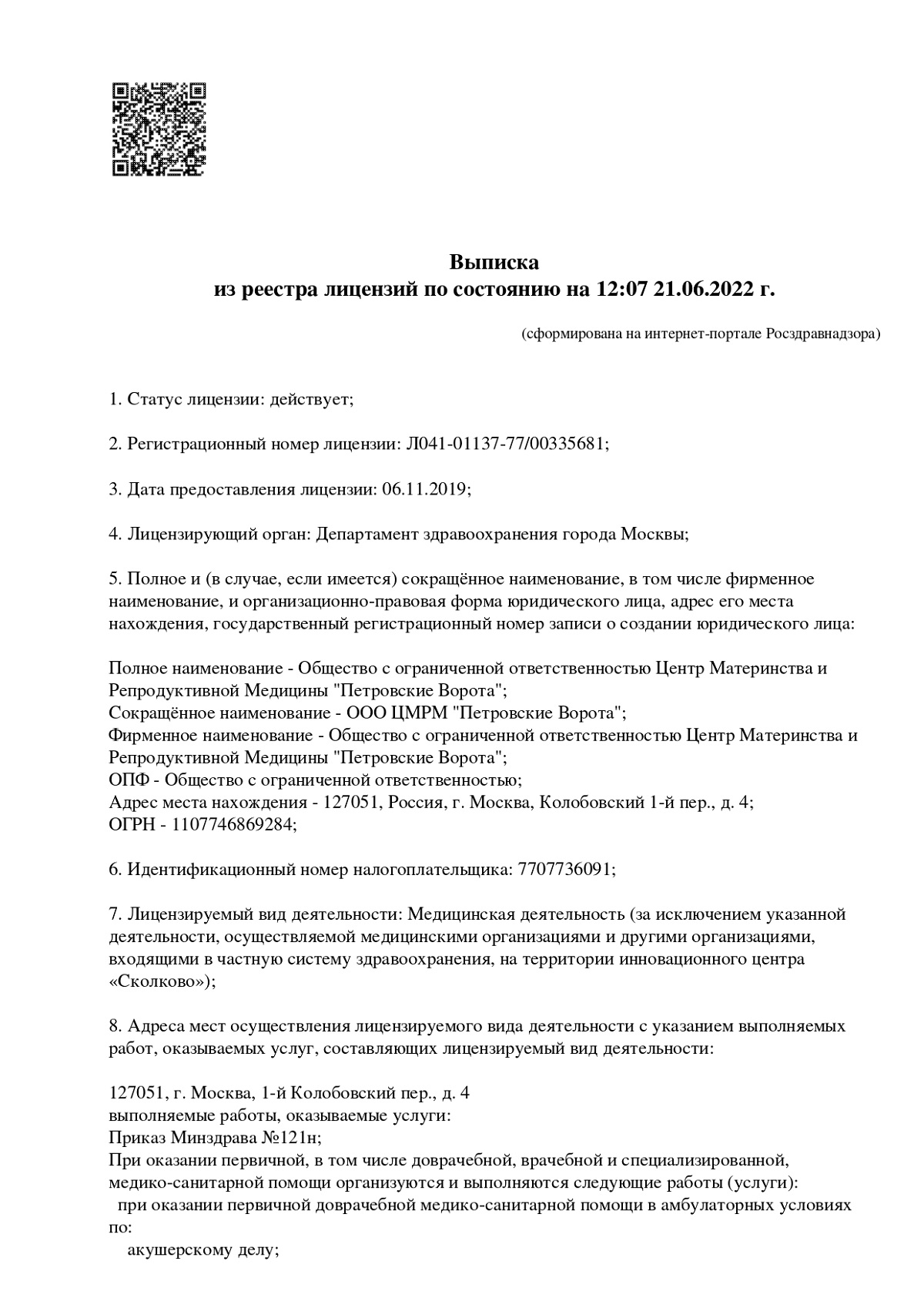
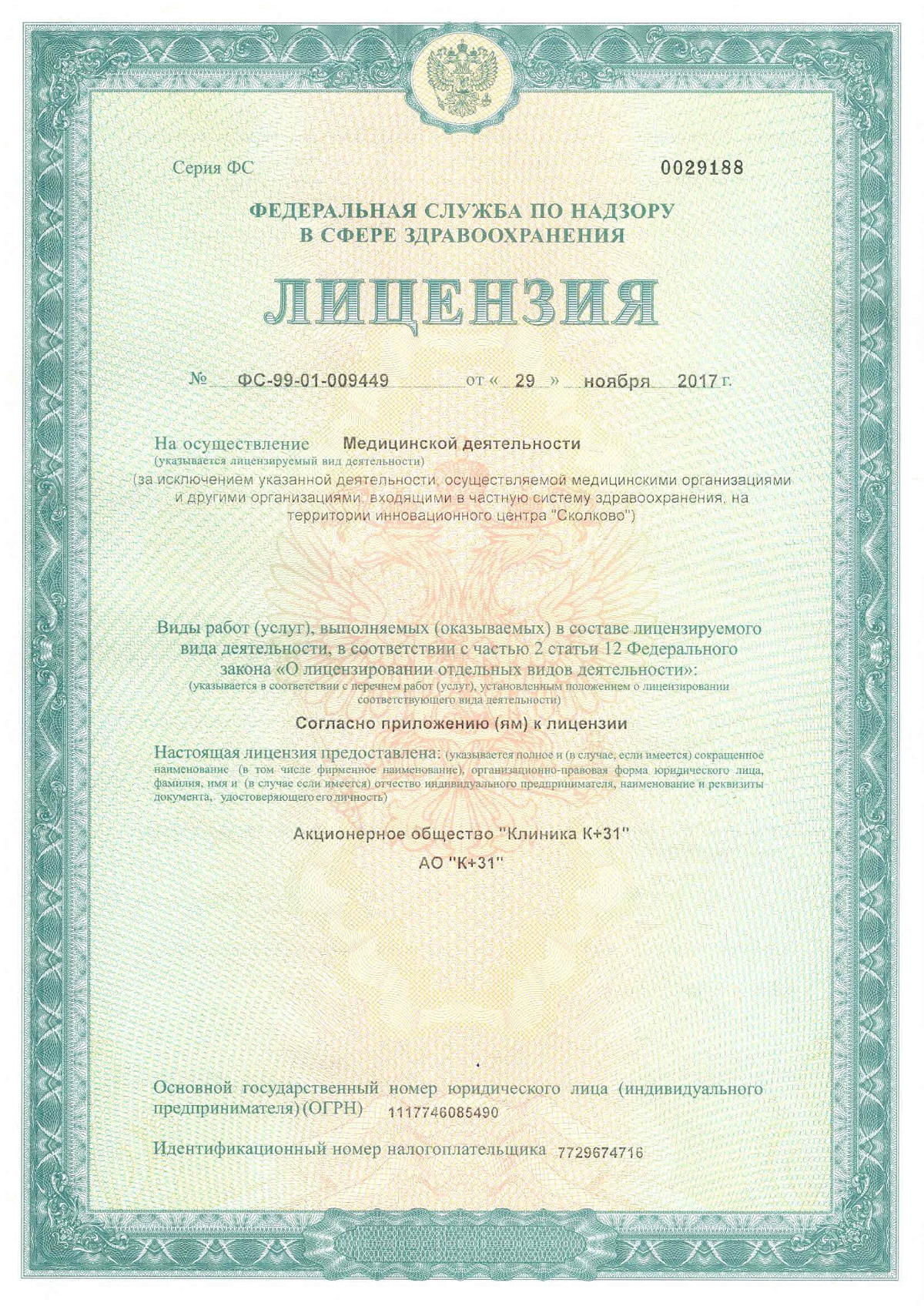
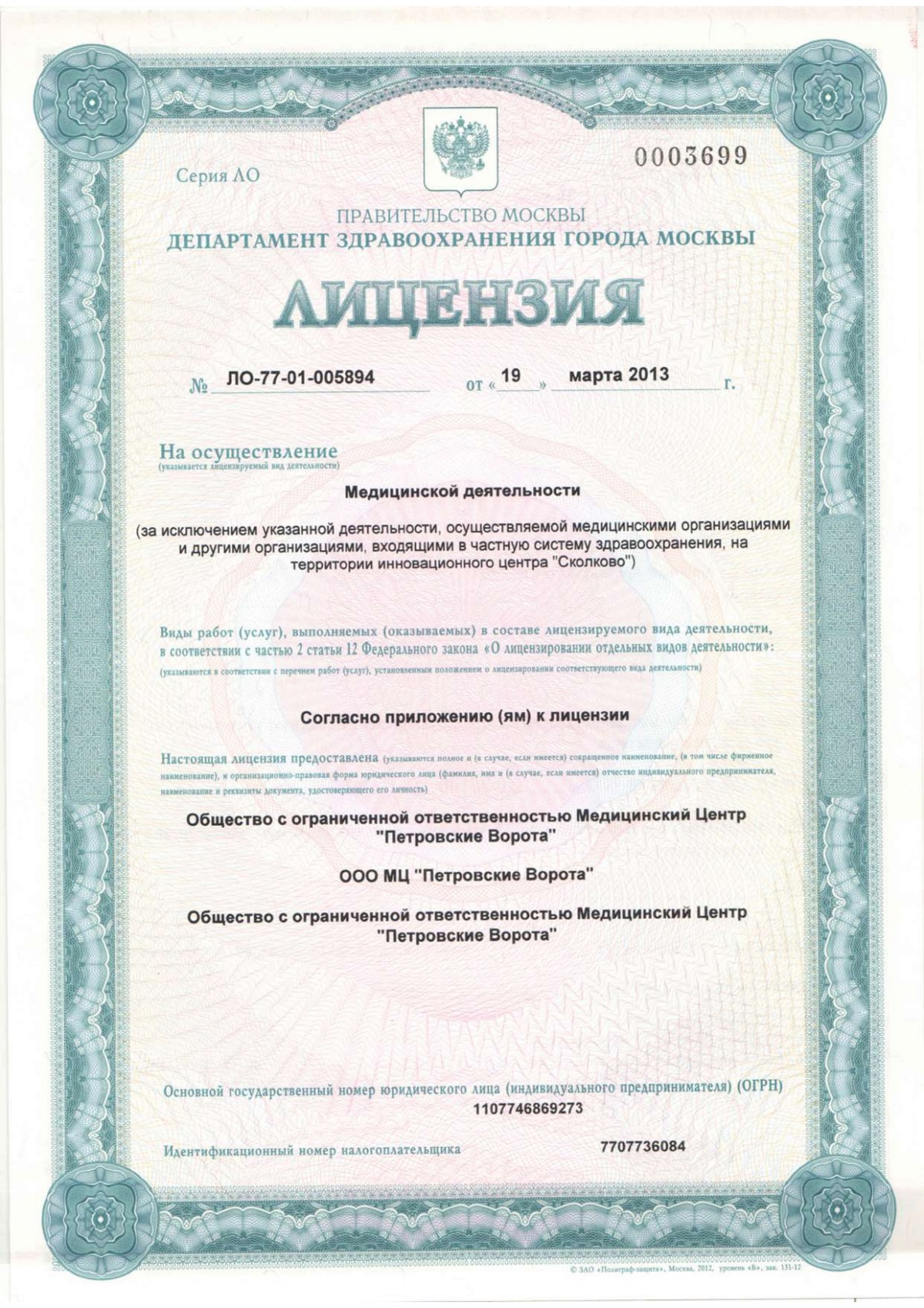
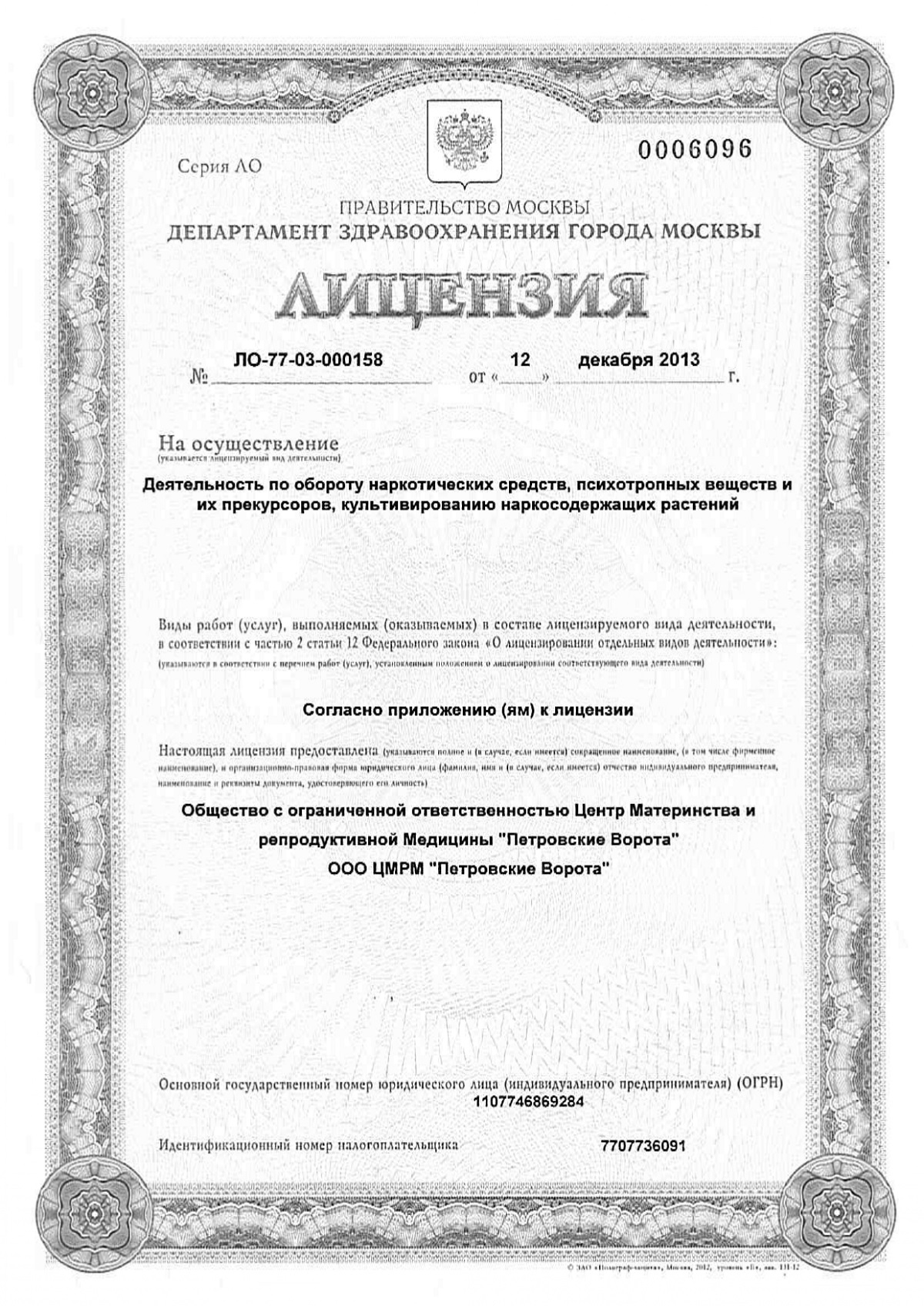
Our clinics


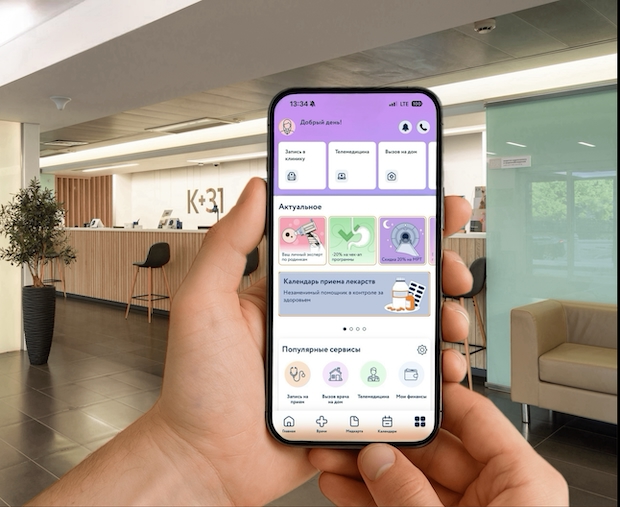
Application “Personal Account K+31”











Consequences of manipulation
The body has basic defense mechanisms against foreign particles, microorganisms, and objects. The foreign object is rejected reflexively. This phenomenon is accompanied by:
A temperature of 37°C after IVF is proof that the procedure was successful. Otherwise, the chances of embryo formation and development are reduced. The main indicator of embryo implantation and development is an increase in basal body temperature. This occurs 15 days after a missed menstrual period.
After embryo transfer, an increase in subfebrile levels is possible. It is not recommended to eliminate this phenomenon. A temperature of up to 37.5 degrees Celsius is quite common in pregnant women.
This is clear evidence that the fertilized egg has implanted in the uterine cavity.