
3 days after embryo transfer
Assisted reproductive technologies offer many couples the opportunity to become parents. The final stage of in vitro fertilization is the transfer of embryos into the uterine cavity. The success of IVF can only be determined two weeks after the procedure. However, within a few days after embryo transfer, many women begin to notice changes in their body.

specialists

equipment

treatment




Feelings on the 3rd day after IVF
During consultations, fertility specialists warn patients that specific sensations on the third day after embryo transfer are considered subjective signs of pregnancy. Many symptoms arise as a result of maintenance hormone therapy. Pregnancy can only be diagnosed based on laboratory test results, which are performed two weeks after embryo transfer.
Patients often report abdominal cramping, increased vaginal discharge, headaches, and so on on the third day after embryo transfer. These symptoms indicate pregnancy, but in the case of IVF, many women resort to self-hypnosis. Experts do not recommend relying on the following sensations that occur after embryo transfer:
- Weakness
- Nausea
- Emotional instability
- Loss of appetite
- Dizziness
- Emotional instability, etc.
These symptoms are not reliable and do not indicate the onset of gestation. To confirm the blastocyst has implanted in the uterus, you need to wait for the results of the hCG test.
Changes in progesterone levels during IVF
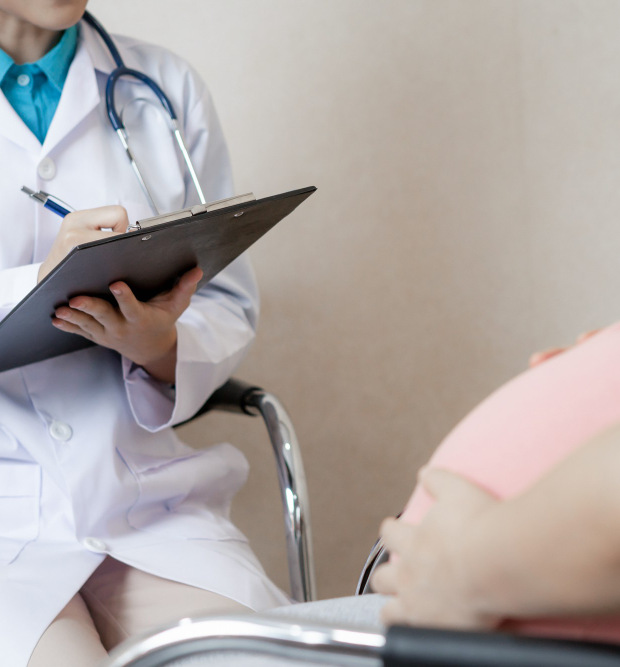
Progesterone is an endogenous steroid hormone that influences the menstrual cycle, gestation, and embryonic development. Its levels in the body determine the readiness of the endometrium for blastocyst implantation. Low hormone levels reduce the likelihood of conception through IVF.
If the body is unable to produce steroid hormones on its own, the patient is prescribed progesterone supplements. These have a pronounced stimulating effect on the endometrial tissue, causing it to loosen and expand. Embryos are transferred into the uterine cavity on the third day after the start of hormonal therapy.
The hormone concentration in the blood after IVF is an important indicator of the success of the procedure and the patient's overall health. Progesterone levels on the third day after embryo transfer can fluctuate significantly, decreasing. Therefore, maintenance hormonal therapy is administered until day 26 of the cycle.
High levels of steroid hormones can cause noticeable changes in the body:
- Bloating
- Sharp mood swings
- Breast enlargement
- Heavy clear discharge
To detect the risk of miscarriage early, fertility specialists recommend testing progesterone levels every 2-3 days immediately after IVF. Patients should fast for 8-9 hours before the blood test. Therefore, it is recommended to take the test in the morning on an empty stomach. At 1-2 weeks of gestation, the hormone level in the blood should be between 38-58 nmol/L.
Temperature increase after IVF
A slight increase in temperature after IVF is a natural reaction of the female body to the penetration of foreign objects (embryos). Basal temperature often increases by 1-2 degrees on the third day after embryo transfer. These changes in the body are associated with the production of progesterone, a side effect of which is hyperthermia.
Hyperthermia should not be confused with fever, which can be the first sign of a developing acute respiratory infection. It is recommended to seek medical attention if the fever is accompanied by symptoms such as:
- Nasal congestion
- Rhinorrhea
- Chills
- Weakness in the body
- Discomfort in the throat
- Hoarseness
In this case, hyperthermia is a manifestation of an infectious disease, the development of which can cause miscarriage. To prevent complications, it is recommended to limit physical activity and contact with others for two weeks after IVF. This will help reduce the risk of infection and, as a result, spontaneous abortion.
Our doctors







This award is given to clinics with the highest ratings according to user ratings, a large number of requests from this site, and in the absence of critical violations.

This award is given to clinics with the highest ratings according to user ratings. It means that the place is known, loved, and definitely worth visiting.

The ProDoctors portal collected 500 thousand reviews, compiled a rating of doctors based on them and awarded the best. We are proud that our doctors are among those awarded.
Make an appointment at a convenient time on the nearest date
Price

Appointment to the doctor
Reviews



Our clinics


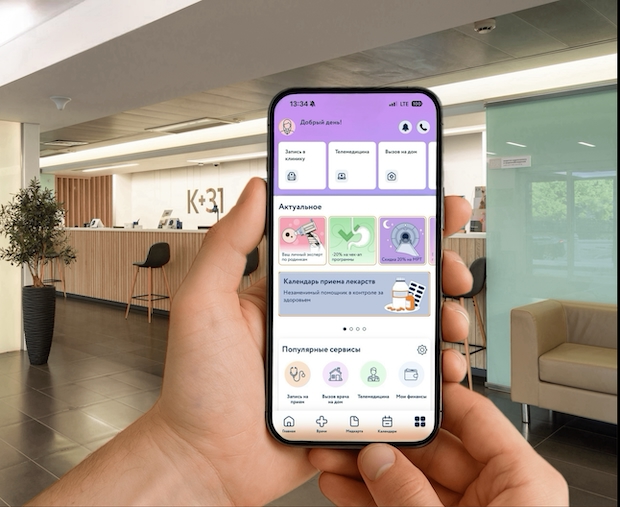
Application “Personal Account K+31”











Changes in the body after IVF
The final stage of IVF involves the transfer of embryos, which have been cultured in a nutrient medium for several days, into the uterine cavity. Immediately after the procedure, a cascade of specific processes occurs in the woman's body:
What happens on day 3 after embryo transfer? Everything depends on the specific embryos that were transferred into the uterine cavity. Five-day-old blastocysts are more mature, so they implant into the endometrium within two days after IVF. On the third day after the transfer of three-day-old embryos, hatching is just completed. The outer membrane of the fertilized eggs ruptures, releasing diploid cells, ready for implantation into the uterine lining.
The process of blastocyst implantation into the endometrium takes on average 2 to 4 days. During this time, the embryos first contact the uterine surface. After this, they adhere to the most favorable areas of the lining. The number of lysosomes in the blastocyst increases, causing it to begin producing sufficient enzymes for the dehiscence of the endometrial cells and implantation.