
What is DPP in IVF?
DPT is an abbreviation for "day after transfer" of the embryo into the uterine cavity during in vitro fertilization (IVF). The most important stages of implantation and early embryo development begin from the moment of transfer. The day of transfer is considered day zero (0 DPT), and each subsequent day is considered 1 DPT, 2 DPT, and so on.
Specialists at the K+31 Center for Reproductive Medicine accompany patients at every stage after the transfer, helping them correctly interpret their sensations and test results.

specialists

equipment

treatment






Embryo development by day (DPT)
For five-day embryos (blastocysts)
| DPT | What happens |
|---|---|
| 0 DPT | Blastocyst transfer into the uterine cavity |
| 1–2 DPT | The embryo hatches and begins contact with the uterine lining. |
| 3–5 DPT | Active implantation stage – the embryo attaches to the endometrium and burrows into it. |
| 5–6 DPT | Implantation is complete, the placental bud is formed. |
| 7 DPT | Active hCG production begins, but the level is still insufficient for a test. |
| 10 DPT | The placenta is formed, and hCG levels continue to rise. |
| 14 DPT | The hCG level is sufficient to confirm pregnancy with a blood test. |
For three-day-old embryos
The process is similar, but shifted by 2 days, as the embryo is less mature at the time of transfer. Implantation is usually complete by 7-9 DPT, and a follow-up hCG test is taken on 14-16 DPT.

How to calculate the obstetric period after IVF
Simple formulas are used to convert DPT to gestational age:
- For five-day gestations: gestational age (in days) = DPT + 19
- For three-day gestations: gestational age (in days) = DPT + 17
Example: 14 DPT of a five-day gestation = 14 + 19 = 33 days = 4 weeks 5 days of gestational age.
When to get an hCG test after a transfer
Human chorionic gonadotropin (hCG) is the key hormone that confirms pregnancy.
- Optimal timing: 14 DPT for five-day-olds, 14-16 DPT for three-day-olds
- It is not recommended to take the test before 12 DPT, as the result may be false negative.
- Not only the absolute number is important, but also the growth dynamics (retest in 48-72 hours).
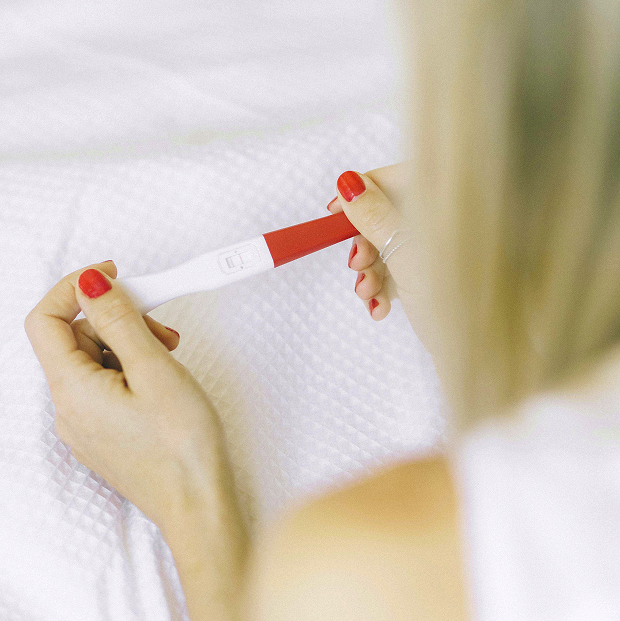
Approximate hCG levels for 14 days post-pregnancy (five days)
| Indicator | Value (mIU/ml) |
|---|---|
| Minimum level allowing pregnancy | from 100 |
| Average (normal course) | 300–1000 |
| High (possible multiple pregnancy) | over 1000 |
The attending fertility specialist at K+31 will provide an accurate interpretation of the results, taking into account the individual protocol requirements.

Signs of successful implantation
Indirect symptoms of pregnancy after IVF include:
- Pulling sensation in the lower abdomen
- Nausea
- Swelling and tenderness of the breasts
- Increased fatigue
- Gastrointestinal disturbances: bloating, gas, constipation
- Sweating, mood swings
These symptoms may also be associated with hormonal support (progesterone supplements). The only reliable method for confirming pregnancy is a blood test for hCG.

Lifestyle after embryo transfer
K+31 specialists' recommendations for the post-implantation period:
- During the first 24 hours, maintain a calm regimen without confinement to bed; normal daily activities are permitted.
- Nutrition: Eat a balanced diet with sufficient protein, vegetables, and fruits; avoid gas-forming foods.
- Drinking regimen: At least 1.5–2 liters of water per day.
- Restrictions: Avoid heavy lifting, intense physical activity, overheating (saunas, hot baths), and stressful situations.
- Helpful: Take daily leisurely walks, get adequate sleep, and maintain a positive emotional outlook.
When to see a doctor
An unscheduled consultation is necessary if:
- Bloody or brown discharge with an unpleasant odor
- Severe abdominal pain
- Repeated vomiting (more than 3-5 times per day)
- Rapidly increasing swelling
- Severe shortness of breath, dizziness
FAQ
What does DPT mean in IVF?
On what day of pregnancy can you tell if you're pregnant?
What's the difference between a three-day and a five-day embryo's DPT?
Is it normal to feel no sensations after the transfer?
When is the first ultrasound done after IVF?
What should I do if my hCG levels are low on 14 DPT?
Our doctors







This award is given to clinics with the highest ratings according to user ratings, a large number of requests from this site, and in the absence of critical violations.

This award is given to clinics with the highest ratings according to user ratings. It means that the place is known, loved, and definitely worth visiting.

The ProDoctors portal collected 500 thousand reviews, compiled a rating of doctors based on them and awarded the best. We are proud that our doctors are among those awarded.
Make an appointment at a convenient time on the nearest date
Price

Appointment to the doctor
Reviews

















Our clinics


Application “Personal Account K+31”












How does embryo transfer occur?
Transfer is the final stage of the IVF cycle. The embryo is grown in a special incubator for 3-5 days after fertilization. Specialists select the most viable embryos:
The remaining high-quality embryos are cryopreserved (frozen) for possible future use. The transfer is performed through a thin catheter and takes only 5-10 minutes. The procedure is painless and does not require anesthesia.