
Two days after embryo transfer
The first days after the fertilized egg transfer and until the pregnancy test are the most crucial period. The likelihood of successful conception depends largely on the patient's behavior and self-control. Constant stress, physical exertion, and poor nutrition interfere with the normal implantation of a diploid cell into the uterine wall. Therefore, the period between embryo transfer and the pregnancy test should be conducted with certain restrictions.

specialists

equipment

treatment







2 days after conception – signs of pregnancy
In 90% of cases, women experience no specific changes in their well-being after the procedure. Due to anxiety, weakness, drowsiness, or insomnia may occur.
Immediately after the transfer of fertilized eggs, women may experience mucous discharge from the vagina. This is due to the evacuation of implantation fluid after the zygote is implanted in the uterus. Bloody discharge indicates loosening of the endometrium and the implantation of the prepared egg.
If embryo transfer is successful, the first signs of pregnancy appear within 9-14 days. Many women experience an increase in basal body temperature after IVF, which is associated with physiological and hormonal changes. If the basal body temperature does not exceed 37°C (98.4°F) within 3-4 days, it is recommended to consult an obstetrician-gynecologist.

2 days after embryo transfer – sensations
Successful implantation of the zygote (diploid cell) into the uterus is accompanied by gradual changes throughout the body. The main symptoms of a chemical pregnancy include:
- Nausea
- Changes in emotional state
- Smell intolerance
- Loss or increase in appetite
- Weakness and insomnia
- Swelling of the breasts
Emotional instability is one of the key symptoms of pregnancy, occurring against the backdrop of intense hormonal changes in the body.

2 dpp test
Experts recommend taking a pregnancy test starting 14 days after the diploid cell transfer. To determine the success of the IVF procedure, a laboratory blood test is performed. This test measures the concentration of human chorionic gonadotropin (hCG) in the plasma. This hormone is produced by the zygote, so a high concentration in the blood indicates pregnancy.
"Home" tests also measure serum hCG levels, but they cannot accurately quantify the hormone concentration. To develop further pregnancy management strategies, a specialist must accurately determine the activity of hCG production by the zygote.
What do hCG levels indicate?
- Up to 25 mIU/ml – the embryo has not implanted or has died.
- 50-70 mIU/ml – pregnancy has occurred, but adjustments to maintenance hormonal therapy are required.
- Up to 150 mIU/ml – normal pregnancy.
- Over 200 mIU/ml – multiple pregnancies or abnormal embryo development.
The location of the fetus in the uterine cavity can be determined using ultrasound, but only 20-25 days after successful fertilization. If physiological processes are not sufficiently developed, pregnancy management tactics are modified.

2 dpt three-day embryos
When three-day embryos are transferred into the uterus, the number of blastomeres increases to 12-16. Thanks to the compaction process, the connections between cells are strengthened, resulting in an increase in the density of the outer layer of the embryonic membrane.
Processes occurring within two days after IVF:
- A tissue cavity forms within the zygote.
- The blastomeres are divided into two large groups, each of which will subsequently perform its own functions.
- On the second day after transfer, the diploid cell emerges from its tough shell.
- The blastocyte attaches to the uterine wall, and a trophoblast forms around it, through which the embryo receives nutrition and oxygen.
14-15 days after the procedure, women are given a test to determine the hCG concentration in the blood and the success of the IVF procedure. Embryo death is most often associated with the inability to reorganize developmental processes from the "maternal reserve" to individual genetic materials.

2 dpt of five-day embryos – test
The probability of gestation with the transfer of five-day blastocytes increases by 2-3 times. It should be noted that not every diploid cell can reach this stage of development outside a living organism. The probability of their survival does not exceed 40-45%, which is due to the long-term culture in an artificial environment and genetic defects during the fusion of male and female germ cells.
The range of sensations after the transfer of five-day embryos varies – from the absence of any changes in the body to intoxication and breast tenderness. For successful implantation of extended-culture blastocytes, hatching stimulation is recommended, which ensures the embryo's release from the membrane and its implantation into the endometrium.
2 dpp five-day hCG
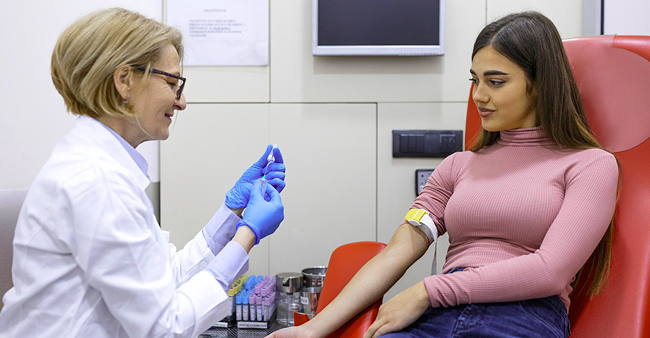
HCG tests are performed 9 days after the transfer of diploid cells. The level of the hormone produced by the zygote is now sufficient to determine pregnancy. Experts warn that implantation bleeding mixed with blood may occur on the second day after IVF.
HCG tests are recommended to be taken on an empty stomach in the morning. If the test results show a hormone concentration of 100-150 mIU/ml, this indicates successful conception and a normal pregnancy. If the level is significantly higher, multiple pregnancies are diagnosed in 75% of cases.
Conclusion
The period of implantation of the diploid cell into the uterus after transfer occurs within 40 hours. During this period, patients may complain of vaginal bleeding or mucus. As early as 9-14 days after successful conception, hCG levels in the blood increase, leading to changes in the body and the appearance of the first signs of pregnancy.
Our doctors







This award is given to clinics with the highest ratings according to user ratings, a large number of requests from this site, and in the absence of critical violations.

This award is given to clinics with the highest ratings according to user ratings. It means that the place is known, loved, and definitely worth visiting.

The ProDoctors portal collected 500 thousand reviews, compiled a rating of doctors based on them and awarded the best. We are proud that our doctors are among those awarded.
Make an appointment at a convenient time on the nearest date
Price

Appointment to the doctor
Reviews















Our clinics


Application “Personal Account K+31”












Fetal development after implantation into the uterus
After IVF, the process of zygote development involves more than just the division of germ cells (blastomeres). During implantation into the endometrium, a cascade of hormonal and physiological processes occurs in the expectant mother's body:
In the first two days before embryo transfer, the process of blastomere division occurs. During the first day, 2 or 4 of them are formed, and during the second day, another 4. The IVF procedure involves the implantation of three- or five-day-old blastomeres.