
What are the age restrictions for IVF?
IVF allows many women to experience the joy of motherhood, especially if they have previously been diagnosed with infertility. However, patients over 40 often ask their doctors whether there is an age limit for this procedure. In this article, we will discuss whether the risks to a safe and successful pregnancy increase with age.
First, it is worth noting that the success of IVF and the course of pregnancy generally depend on the patient's health. Therefore, if a woman can carry a child to term even after 45 or 50 years of age, which is considered the end of reproductive age, then there are no contraindications for IVF. After all, as we know, during this procedure, a fertilized cell—an embryo—is implanted into the woman's body.

specialists

equipment

treatment






What is AMH?
Very often, after several unsuccessful IVF attempts, women are diagnosed with low Anti-Müllerian Hormone (AMH). We'll explore what this means below.
AMH levels are an indicator of a woman's ovarian aging, which is one of the most important indicators of the reproductive system. A decrease in AMH levels reduces the chances of successful embryo implantation and a smooth pregnancy. As a woman ages, her body produces fewer and fewer eggs. Therefore, statistics show the following. IVF performed before the age of 30 will be successful in 26% of cases. If we're talking about women aged 40 and older, the success rate will reach 10%. However, it's important to note that the fertilization process is individual. And sometimes, after IVF, women have been able to conceive after 40 and even after 50!
However, to ensure that the patient has a complete picture of the state of the reproductive system after age 40, the doctor conducts a comprehensive diagnosis to identify possible risks. Women should be aware of all possible risks. Possible complications include:
- Embryo miscarriage
- Chromosomal changes in the fetus
To avoid such outcomes, doctors often recommend using donor cells taken from a younger woman. In this case, the likelihood of carrying a healthy child to term increases. In any case, the exact age limits for IVF can be determined by a qualified physician after an examination.

Indications for egg freezing
Women often wonder up to what age they can freeze their eggs. The optimal age for this is up to 34 years. At this age, the chances of carrying a pregnancy to term and giving birth to a child from this egg are 70%. Cell cryopreservation, as this procedure is called, offers advantages to women over 30. In this case, the ideal age for this procedure is between 31 and 33 years. The world record age for egg freezing was 45.
This is related to the question of at what age a woman's libido declines. This typically occurs between 40 and 50 years of age. That is, it is precisely at this age that women's sex hormone levels decline, leading to the onset of menopause. However, this process varies from case to case.
If you have any questions about age restrictions for IVF, please contact our clinic, where experienced professionals will provide you with a comprehensive consultation. We work to help as many women as possible achieve their dreams. Particular attention will be paid to the potential risks of the procedure at different ages, so you can assess your situation. Our specialists, in turn, will help you make an informed decision.
Our doctors







This award is given to clinics with the highest ratings according to user ratings, a large number of requests from this site, and in the absence of critical violations.

This award is given to clinics with the highest ratings according to user ratings. It means that the place is known, loved, and definitely worth visiting.

The ProDoctors portal collected 500 thousand reviews, compiled a rating of doctors based on them and awarded the best. We are proud that our doctors are among those awarded.
Make an appointment at a convenient time on the nearest date
Price

Appointment to the doctor
Reviews










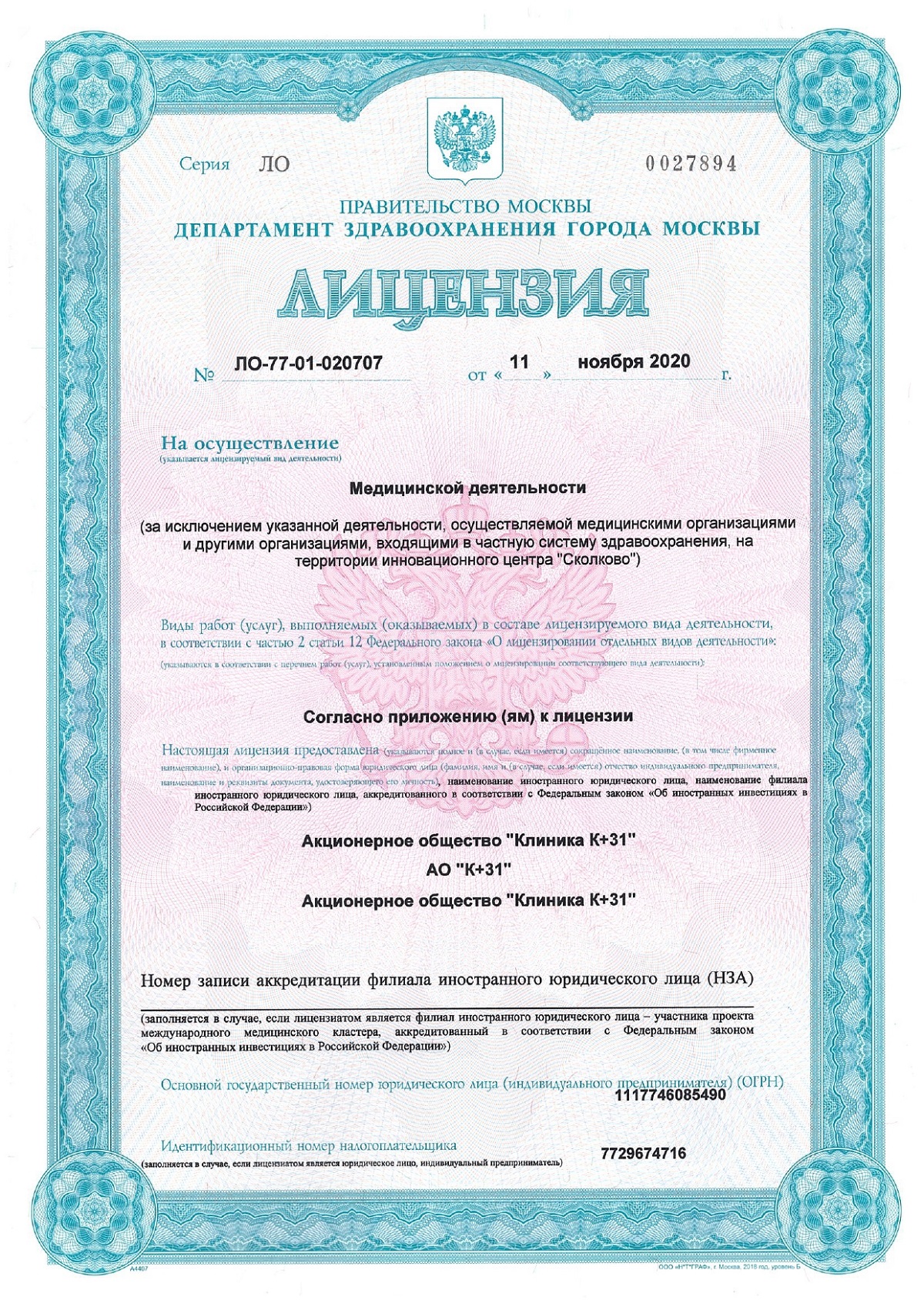
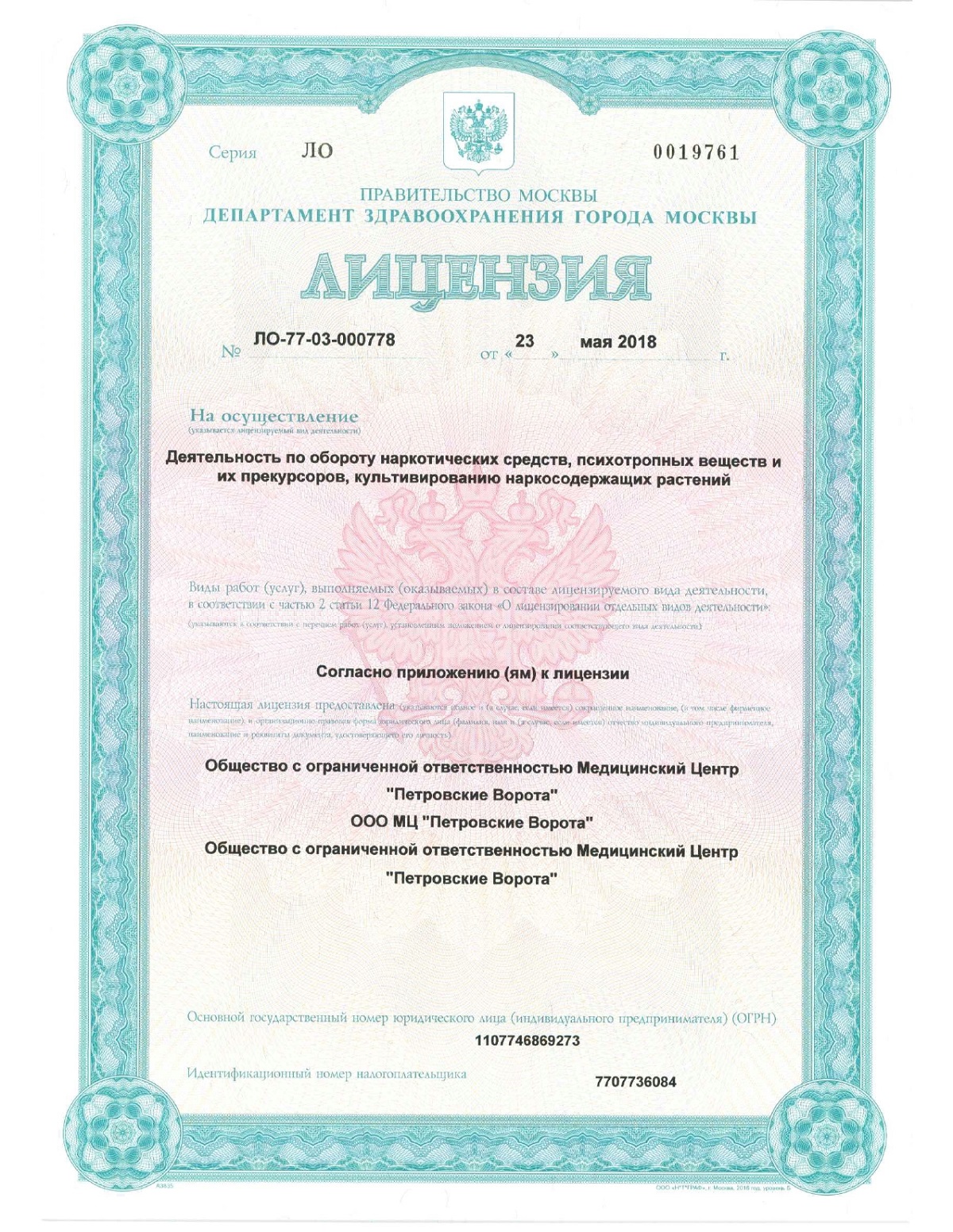
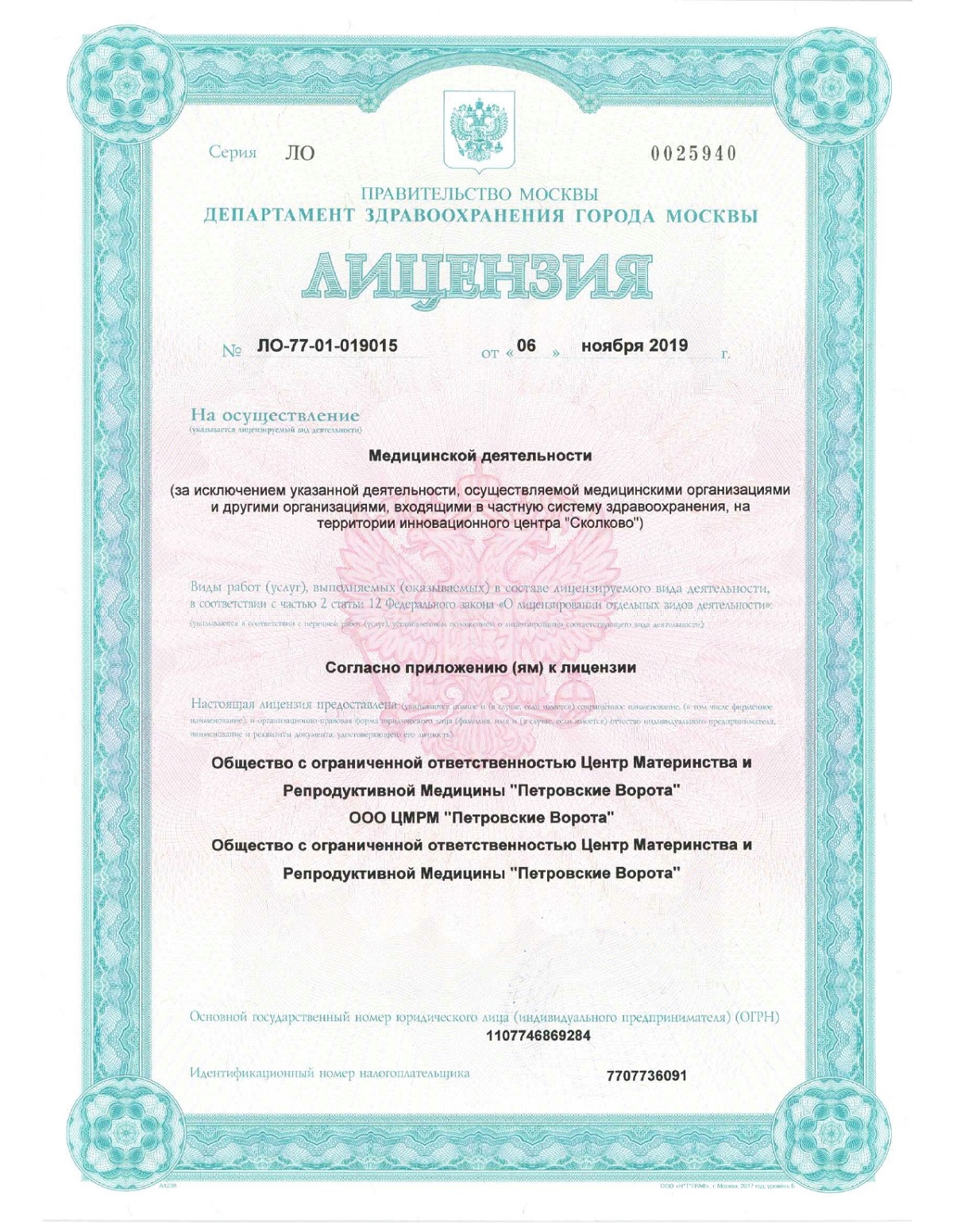
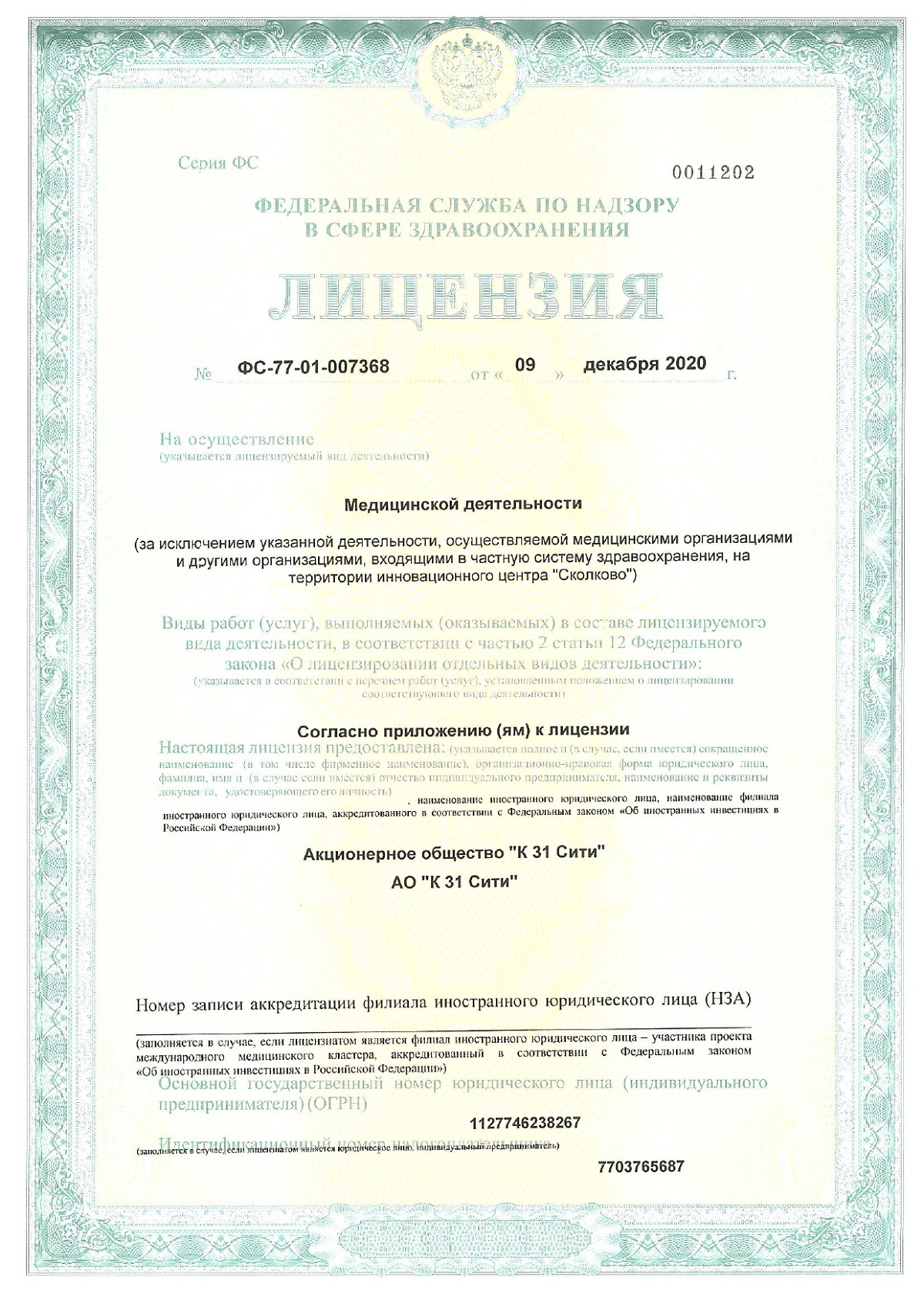
Our clinics


Application “Personal Account K+31”












How many times can IVF be performed?
If a woman is unable to conceive for a long time, even with artificial insemination procedures, the question arises as to whether such attempts will be successful at all. As for IVF, it can be performed as many times as necessary to achieve pregnancy. If attempts are unsuccessful, then a recovery period is necessary between each procedure to stimulate the ovaries. Most doctors say that after an average of six unsuccessful attempts, an indication to consider other alternatives is necessary. For example, surrogacy. However, each body reacts differently to the procedure. Therefore, at our clinic, we take an individual approach to each situation, determining the feasibility of the procedure and mitigating potential risks, if necessary.
We often encounter cases in medical practice where IVF from a mother's own egg is performed before the age of forty. Moreover, abroad, there is a ban on IVF using one's own egg if the woman is over 40 years old.