Albumin (ALB) in a biochemical blood test
Albumin is the main plasma protein that is synthesized in the liver and makes up up to 60% of all plasma proteins. It is responsible for maintaining oncotic (colloid-osmotic) blood pressure and helps retain fluid inside the vascular bed.
In addition, albumin binds and transports many substances: fatty acids, hormones, bilirubin, drugs and metabolic products, acting as a transport protein. Therefore, its level is important both for assessing protein metabolism and for understanding the function of the liver, kidneys and the general condition of the body.

specialists

equipment

treatment



Albumin norms in blood
Specific reference values may vary slightly between laboratories, so please refer to the ranges provided on the assay form.
Albumin norm in adults
In adults, the following approximate ranges are usually used:
| Category | Albumin norm, g/l |
|---|---|
| Adults 18–60 years old | 35–50 |
| Over 60 years old | 34–48 |


A decrease in albumin levels is more common than an increase and often indicates serious disorders in the body.
Main reasons:
- Liver diseases: cirrhosis, chronic hepatitis, severe liver damage (decreased protein synthesis)
- Loss of protein in urine: nephrotic syndrome, chronic glomerulonephritis
- Loss of protein through the intestines: protein-losing enteropathies, inflammatory bowel diseases
- Insufficient protein intake from food: prolonged fasting, strict diets, anorexia
- Extensive burns, injuries, surgeries, severe infections and sepsis
- Pregnancy and conditions with severe edema - relative reduction due to increased plasma volume
Severe hypoalbuminemia is often accompanied by edema and a decrease in plasma oncotic pressure.

True hyperalbuminemia (a real increase in albumin synthesis) is rare. Most often we are talking about a relative increase due to a decrease in plasma volume.
Possible reasons:
- Dehydration (vomiting, diarrhea, not drinking enough, diuretics)
- Severe dehydration due to fever, extensive burns
- Some increase is possible with the administration of concentrated albumin-containing drugs
In most cases, a detected “increase” in albumin requires checking the state of hydration and assessing other indicators of a biochemical blood test.

Appointment to the doctor
General information
Symptoms of abnormal albumin levels
Mild deviations in albumin levels may be asymptomatic and detected only by biochemical analysis.
Signs of low albumin
- Swelling of the legs, face, abdominal wall (especially in the evening)
- Increase in body weight due to fluid
- Weakness, fatigue, decreased performance
- In severe patients - shortness of breath due to fluid effusion in the cavity (pleural, abdominal)
With high albumin
More often, symptoms are associated not with albumin itself, but with dehydration: thirst, dry skin and mucous membranes, decreased amount of urine, headache, weakness.





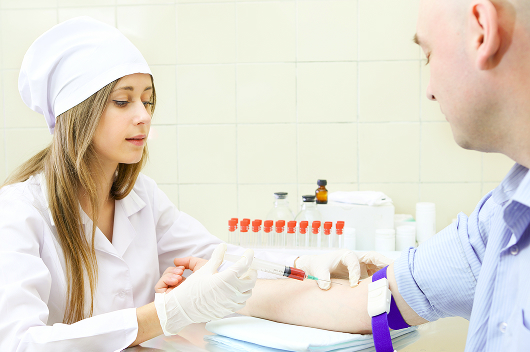
Albumin is usually measured as part of a blood chemistry panel.
Recommendations:
- Donate blood in the morning on an empty stomach (8-12 hours without food; you can drink water)
- If possible, avoid very fatty foods and alcohol 1-2 days before the test.
- Avoid smoking and strenuous physical activity for several hours before the test.
- Tell your doctor about any medications (diuretics, albumin infusions, hormones, etc.) that may affect the results.
FAQ
What is the normal albumin level in adults?
What are the dangers of low albumin?
Can albumin be increased through diet?
What should you do if your albumin is slightly below normal?
Why might albumin levels be higher than normal?

This award is given to clinics with the highest ratings according to user ratings, a large number of requests from this site, and in the absence of critical violations.

This award is given to clinics with the highest ratings according to user ratings. It means that the place is known, loved, and definitely worth visiting.

The ProDoctors portal collected 500 thousand reviews, compiled a rating of doctors based on them and awarded the best. We are proud that our doctors are among those awarded.
Make an appointment at a convenient time on the nearest date
Price
Reviews


Our clinics


Application “Personal Account K+31”