Platelets in a complete blood count

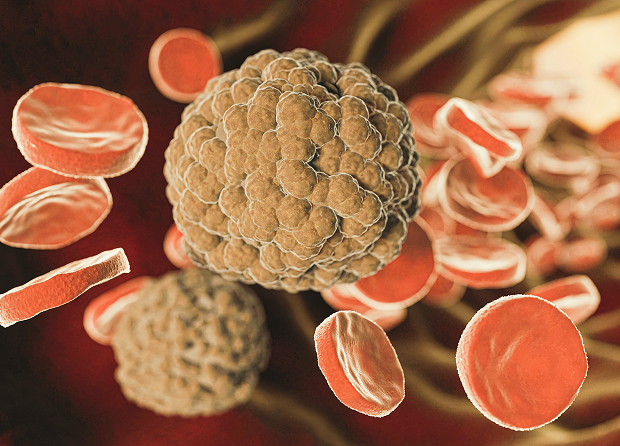
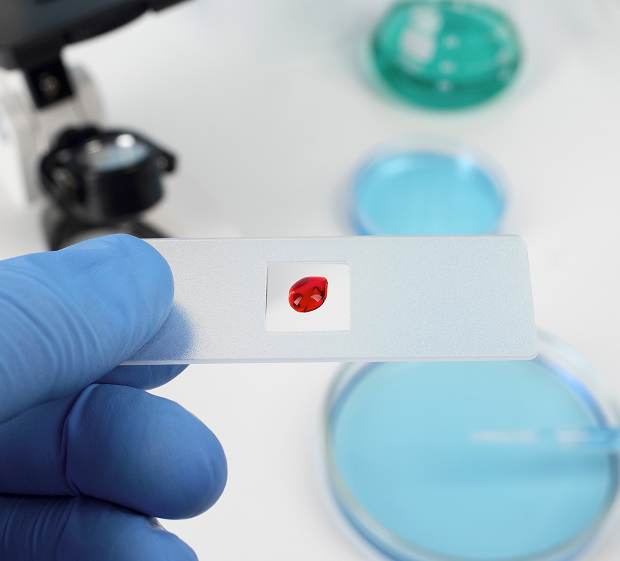
Platelets are the smallest blood cells responsible for clotting and "repairing" damaged blood vessels. They form the initial blood clot, initiate the coagulation cascade, and prevent blood loss.

In a complete blood count, platelets are referred to as PLTs (platelets) and are measured in ×10⁹/L or thousands/μL. Upward or downward deviations can be associated with blood diseases, metabolic disorders, liver disease, infections, and medications.

Best
specialists
Expert
equipment
Advanced diagnostic
treatment
Sign up
Fill out the entry form on the page and we will call you back
Sign up Позвонить
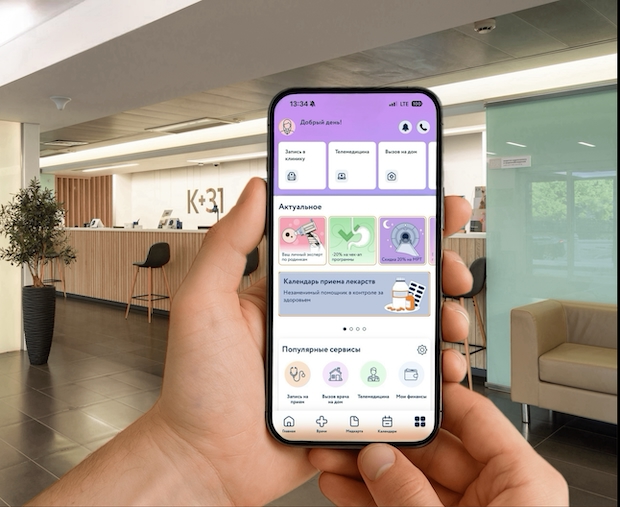
Download the application “Personal Account K+31”
Everything about your health in one click!
Subscribe to social networks K+31
To keep up to date with current offers and receive useful advice about your health.

The body's ability to maintain hemostasis, i.e., prevent excessive blood loss, is directly dependent on PLT levels. Normally, their levels range from 180-320 x 109/L. A decrease in this indicator (thrombocytopenia) can lead to hypocoagulation and increased bleeding time, which is observed in:

  • Myelotoxicity (after chemotherapy, long-term antibiotic treatment)
  • Bone metastases
  • Autoimmune platelet attack
  • Severe viral infections (herpes, HIV)
  • Hepatitis and cirrhosis, including alcoholic cirrhosis
  • Hypothyroidism
  • Iron, folate, and vitamin B12 deficiency
  • Some forms of leukemia

Thrombocytosis, or an increase in the absolute number of cells per unit of blood volume, can lead to intravascular coagulation and thrombosis of vital arteries, so it is crucial to promptly diagnose this condition and prevent its negative consequences. This situation can develop in the following cases:

  • Malignant bone marrow lesions (chronic myeloid leukemia), myelofibrosis, or lymphoid system lesions (lymphoma)
  • Infectious, inflammatory, and autoimmune processes
  • Malignant tumors (paraneoplastic syndrome)
  • Tuberculosis
  • Amyloidosis
  • Chronic bleeding or several days after acute blood loss
  • Spleen removal

Neither thrombocytopenia nor thrombocytosis manifests itself clinically, but the consequences of these conditions can be quite serious. This indicates the high importance of preventative platelet testing, and if any abnormalities are detected, it is imperative to consult a doctor. A coagulogram is usually also prescribed for a more detailed examination of the hemostasis system.

Blood platelet norms

Ranges vary slightly between laboratories, so always refer to the reference values ​​on your form.

Normal platelet count in adults

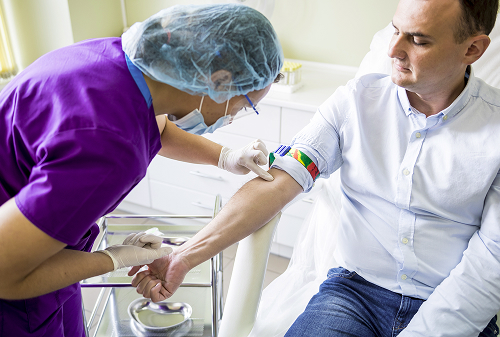
In adult men and women, the normal platelet count is usually within the following ranges:

Category Normal Platelet Count, ×10⁹/L
Adults (both sexes) 150–400
Some laboratories 150–450

Minor fluctuations are possible with stress, physical exertion, infections, and medication use.
Normal platelet counts in children

In children, reference values depend on age.

Age PLT Norm, ×10⁹/L
Newborns 180–490
1 month – 1 year 180–400
1–6 years 160–390
7–12 years 160–380
12–15 years old 160–360
Over 15 years old 150–400
Causes of low platelets (Thrombocytopenia)

A low platelet count is called thrombocytopenia.

Main causes:

  • Viral infections (acute respiratory viral infections, influenza, COVID-19, mononucleosis)
  • Taking certain medications (antibiotics, NSAIDs, anticonvulsants, chemotherapy)
  • Autoimmune diseases (idiopathic thrombocytopenic purpura, etc.)
  • Bone marrow diseases (aplastic anemia, leukemia, myelodysplasia)
  • Liver cirrhosis, severe liver and spleen disease
  • Vitamin B12 and folate deficiency

Severe thrombocytopenia increases the risk of bleeding and requires urgent medical attention.

Causes of elevated platelets (thrombocytosis)

An elevated platelet count is called thrombocytosis.

Possible causes:

  • Inflammatory processes and infections (acute and chronic)
  • Recent surgeries, injuries, blood loss
  • Iron deficiency anemia
  • Spleen removal (splenectomy)
  • Oncological diseases, myeloproliferative diseases (essential thrombocythemia)
  • Recovery period after severe infections in children

Severe thrombocytosis increases the risk of thrombosis, heart attacks, and strokes, so it is important to promptly seek medical attention.

Appointment to the doctor

Fill out the form, our managers will contact you within 15 minutes

Symptoms of PLT level abnormalities

Mild thrombocytopenia or thrombocytosis is often asymptomatic and is only detected through a blood test.

Signs of Low Platelets

  • Increased bleeding gums
  • Frequent nosebleeds
  • Easy bruising (hematomas), even with minor injuries
  • Prolonged menstruation in women
  • Prolonged bleeding from cuts

Signs of High Platelets

  • Headaches, dizziness
  • Numbness or tingling in the fingers
  • Increased blood pressure
  • Increased risk of thrombosis (especially in people with other risk factors)

General information

Platelets in children

In children, abnormal PLT levels are often associated with infections, recent vaccinations, medications, or iron deficiency.

Most cases of moderate thrombocytosis in young children are asymptomatic and are a temporary reaction. However, any significant abnormality requires consultation with a pediatrician or pediatric hematologist.

Platelets in pregnancy

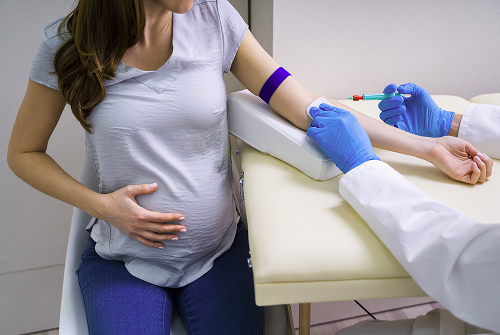
During pregnancy, plasma volume increases, so platelet concentration may decrease slightly. Moderate thrombocytopenia during pregnancy is common and often physiological.

However, a significant decrease or increase in PLT increases the risk of bleeding and thrombosis during labor, so it is important to have regular blood tests and follow-up with a doctor.

How to prepare for a platelet test

Preparation Recommendations:

  • Donate blood in the morning on an empty stomach (8-12 hours without food, but you can drink water)
  • Avoid alcohol, intense exercise, and exposure to excessive heat (saunas, steam rooms) 24 hours before the test.
  • Do not smoke 1-2 hours before the test.
  • Tell your doctor about any medications you are taking (antiplatelet agents, anticoagulants, NSAIDs, etc.)

What to do if platelet abnormalities occur

  1. Don't panic and repeat the test in the same lab, following the preparation instructions.
  2. Contact a doctor (general practitioner, hematologist, or pediatrician for your child) to evaluate the results, taking into account your symptoms and medical history.
  3. If necessary, undergo additional tests: coagulation profile, blood biochemistry, liver and spleen ultrasound, tests for infections and autoimmune markers.
  4. Do not self-medicate (including aspirin and iron supplements) without a doctor's recommendation.

FAQ

What is the normal platelet count for adults?

For most adults, the normal range is considered to be 150–400 x 10⁹/L, with some sources reporting levels as high as 450 x 10⁹/L. Specific reference values ​​vary by laboratory.

What are the dangers of very low platelet counts?

Critically low PLT levels significantly increase the risk of spontaneous bleeding (nosebleeds, gastrointestinal bleeding, intracranial bleeding), and therefore require urgent examination and treatment.

Can diet improve platelet counts?

Nutrition (adequate protein, vitamins, iron, and folic acid) is important, but severe thrombocytopenia usually requires medication under a doctor's supervision.

Are slightly elevated platelet counts dangerous?

A slight increase above the upper limit of normal may be temporary (after infection, surgery, or blood loss), but requires monitoring and, if necessary, further testing.

How often should I get my platelet count tested?

If you're feeling well, a complete blood count once a year is usually sufficient. For chronic illnesses, pregnancy, or treatments that affect clotting, a doctor's individual plan is recommended.
2GIS Award
2GIS Award

This award is given to clinics with the highest ratings according to user ratings, a large number of requests from this site, and in the absence of critical violations.

«Good place» according to Yandex

This award is given to clinics with the highest ratings according to user ratings. It means that the place is known, loved, and definitely worth visiting.

Our doctors are laureates of the ProDoctors Award

The ProDoctors portal collected 500 thousand reviews, compiled a rating of doctors based on them and awarded the best. We are proud that our doctors are among those awarded.

Make an appointment at a convenient time on the nearest date

Price

Reception
Price
Primary hematologist appointment
from 8 950 ₽
Repeated appointment with a hematologist
from 7 950 ₽

Reviews

I've known the doctors in the home care department for several years now, as I often consult with them. Among the doctors, I'd especially like to highlight Mikhail Veniaminovich Andrievsky and Nuriyat Muradovna Efendieva: they are highly professional and compassionate. Anastasia Aleksandrovna Tumanova, head of the home care department at the K+31 Clinic on Lobachevsky, is a wonderful doctor. It's rare these days to find doctors as knowledgeable, empathetic, and always ready to help. The department is very well-run. Recently, the home care department was very helpful in organizing and performing specialized and very complex tests at home. I was pleasantly surprised that K+31 Clinic has contracts with other leading specialized federal medical organizations to perform tests. The logistics were flawlessly organized and top-notch, for which I'm extremely grateful to the department manager, Galina Ivanovna Zharkova, and Sofia Zharkova. I would like to express my special gratitude from the bottom of my heart to hematologist Yulia Nikolaevna Dubinina for her consultations, participation, and tremendous assistance.
Good afternoon! All issues were resolved promptly and efficiently.
08.12.2025
M. Natalia Valerievna
A very attentive doctor, she delved into the problem and explained everything in detail.
29.09.2025
S. Anna Pavlovna
Обратилась к Юлии Николаевне по поводу увеличенных шейных лимфоузлов, переживая, что это может быть онкопроцесс. Однако Юлия Николаевна развеяла все мои страхи и сомнения. Ее компетентность безупречна, она увлечена наукой и является перфекционистом до мозга костей. Я выбрала этого врача, потому что уверена, что прием у неё — это самый быстрый и правильный путь к решению проблемы со здоровьем в области её научных интересов, таких как онкология и гематология.
20.01.2025
Анна В.
У нашей бабушки диагностировали заболевание крови, и несмотря на длительное лечение, результата не было. Мы обратились к Дубининой Юлии, потому что нужно было что-то менять. Она провела повторное полное обследование, и оказалось, что изначально был неправильно поставлен диагноз, поэтому прежнее лечение не давало эффекта. К счастью, мы обратились к настоящему профессионалу, и очень жаль, что не сделали этого раньше. Сколько времени и сил могли бы сэкономить! Заболевание оказалось не смертельным и вполне поддается лечению.
19.12.2024
Аркадий Ч.
Дубинина — молодая, но невероятно талантливая врач с глубокими познаниями в своей области. Я пишу об этом, потому что она действительно помогла мне. Когда я впервые увидела её, была немного растеряна, ведь врач была совсем молодой, но в процессе общения я поняла, что передо мной настоящий профессионал, который искренне заботится о своих пациентах. Она не утратила человечность и внимание, что было очень приятно. В профессиональном плане все также на высшем уровне — она дала мне назначения на обследования и рекомендации по лечению. Сейчас все в порядке, и схема лечения оказалась эффективной. Большое спасибо!
17.12.2024
Виктория Л.
Обратилась по направлению от флеболога и очень рада, что попала к Юлии Николаевне. Врач внимательно выслушала мою непростую историю болезни, назначила необходимые исследования, все подробно пояснила и терпеливо ответила на все вопросы. Она вселила надежду, что всё будет хорошо! Юлия Николаевна — компетентный специалист, очень внимательный к мелочам и в целом к пациенту.
12.12.2024
Алёна Ц.
Почему К+31?
К + 31 — full-cycle multidisciplinary medical centers, including the possibility of providing medical services of European quality level.
К + 31 — are leading doctors and diagnostics using high-tech equipment from world manufacturers (Karl Storz, Olympus, Siemens, Toshiba, Bausch&Lomb, Technolas, Zeiss, Topcon).
К + 31 — is ethical. The staff of K+31 clinics maintain open relationships with patients and partners. An individual approach to each patient is the basis of our service standards.
К + 31 — is modernity. On call 24/7: call center operators will answer your questions at any time and book you an appointment with doctors. Contact us by phone, through the feedback form on the website and Max.

Our clinics

K+31 on Lobachevskogo

st. Lobachevskogo, 42/4

+7 499 999-31-31

Subway
1
11
Prospect Vernadsky Station
By a car
Lobachevsky, we pass the first barrier (security post of the City Clinical Hospital No. 31), turn right at the second barrier (security post K+31)
Parking pass
Opening hours
Mon-Fri: 08:00 – 21:00
Saturday: 09:00 – 19:00
Sunday: 09:00 – 18:00
K+31 Petrovskie Vorota

1st Kolobovsky pereulok, 4

74999993131

Subway
9
Tsvetnoy Bulvar
10
Trubnaya
By a car
Moving along Petrovsky Boulevard, turn onto st. Petrovka, right after - on the 1st Kolobovsky per. Municipal parking
Opening hours
Mon-Fri: 08:00 – 21:00
Sat-Sun: 09:00 – 19:00
Didn't find the service you were looking for?

Экстренная помощь