
Эритроциты в общем анализе крови (RBC, Er)
Эритроциты (RBC, red blood cells) — это красные кровяные клетки, которые переносят кислород от легких к тканям и углекислый газ обратно в легкие. Они составляют до 45% объема крови и содержат белок гемоглобин, который связывает и переносит кислород.
Эритроциты образуются в красном костном мозге, живут около 120 дней и затем разрушаются преимущественно в селезенке и печени. Нарушения количества эритроцитов (слишком много или слишком мало) могут быть признаком анемии, обезвоживания, легочных и сердечно‑сосудистых заболеваний.

специалисты

оборудование

лечения



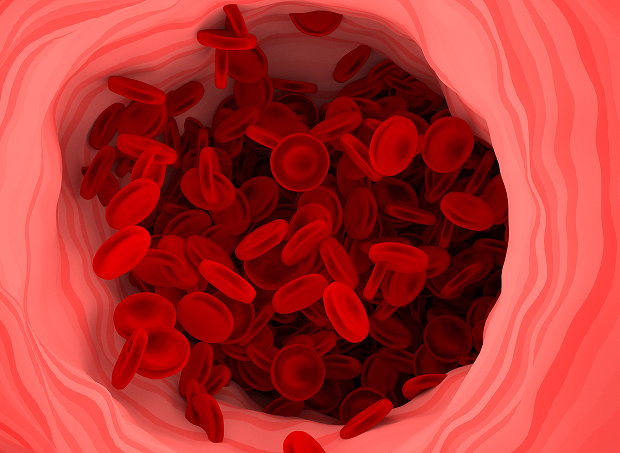
Основная и жизненно важная функция крови осуществляется благодаря циркуляции в ней эритроцитов. Эти клетки содержат белок гемоглобин, который способен присоединять кислород в месте его наибольшей концентрации (т.е. в легких) и отдавать там, где наблюдается кислородное голодание (в тканях). Аналогичным образом гемоглобин может связываться и с углекислым газом, транспортируя его в обратном направлении (хотя это и не главный способ утилизации СО2).
RBC образуются в красном костном мозге (ККМ) из предшественников эритроцитарного ростка кроветворения. Функционируют они около 120 дней и затем разрушаются в селезенке, ККМ и частично в печени. Выполняют свою роль до тех пор, пока сохраняется их особая эластичная двояковогнутая форма. Именно благодаря ей возможно прохождение клетки по мельчайшим кровеносным капиллярам, размер которых меньше эритроцитарного диаметра. Только здесь, в условиях тесного контакта осуществляется газообмен.
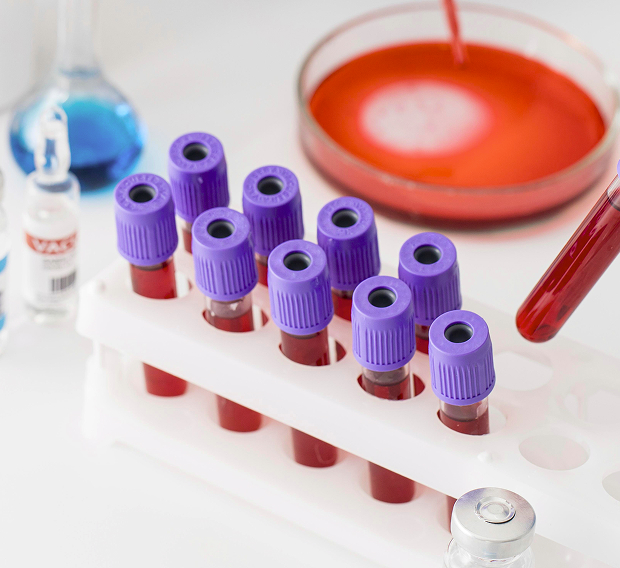
Количество красных кровяных телец напрямую отражает способность снабжения всего организма кислородом, поэтому определение данного показателя в общем анализе крайне необходимо. У мужчин в норме 4,0-5,6*1012л, у женщин – 3,4-5,0*1012л. Чаще отмечается снижение Er (эритропения). Так проявляются:
- Дефицит железа, витамина В12 и фолиевой кислоты (недостаток в пище, неполноценное всасывание, больший расход при беременности, у спортсменов, в период активного роста)
- Кровотечение (травматическое, послеоперационное)
- Хроническая кровопотеря (маточная, из распадающихся злокачественных новообразований, из желудочно-кишечного тракта при колитах, язвах, геморрое)
- Отравления гемолитическими ядами
- Ускоренный гемолиз из-за селезеночной патологии
- Наследственные и генетические заболевания (серповидно-клеточная анемия и другие состояния, сопровождающиеся изменением нормальной двояковогнутой формы)

Низкий уровень проявляется следующими симптомами:
- Бледность кожных покровов и слизистых
- Повышенная усталость
- Слабость
- Частые головокружения
- Шум в ушах
- Наследственные и генетические заболевания (серповидно-клеточная анемия и другие состояния, сопровождающиеся изменением нормальной двояковогнутой формы)
- Сердцебиение
- Одышка
Могут появиться и более специфичные признаки в виде холодного липкого пота при острой кровопотере, желтушности кожи при усиленном распаде Эр, дискомфорта в верхней половине живота при спленомегалии или гепатомегалии, потери массы тела.

Эритроцитоз (увеличение количества) встречается реже. Физиологически это происходит в процессе адаптации к гипоксии при проживании в высокогорной местности. Иногда – на фоне обезвоживания (рвота, диарея, ожоги). Более серьезные состояния, проявляющиеся эритроцитозом:
- Опухоли почек (гиперсекреция эритропоэтинов – стимуляторов кроветворения), злокачественное поражение кроветворных ростков костного мозга
- Заболевания легких (эмфизема, ателектаз, ХОБЛ, астма) и пороки сердца на стадии компенсации гипоксии
Определение эритроцитов показано каждому человеку не менее одного раза в год с профилактической целью или при появлении первых признаков малокровия, что позволит своевременно выявить болезнь и начать лечение.
Нормы эритроцитов в крови
Показатель эритроцитов в бланке анализа обозначается как RBC и измеряется в ×10¹²/л.
Норма эритроцитов у взрослых
У взрослых мужчин и женщин нормальное количество тромбоцитов обычно находится в следующих пределах:
| Категория | Норма RBC, ×10¹²/л |
|---|---|
| Мужчины 18–45 лет | 4,0–5,6 |
| Женщины 18–45 лет | 3,7–5,1 |
Диапазоны основаны на типичных референсных значениях: у мужчин нормой считается примерно 4,0–5,6×10¹²/л, у женщин — около 3,7–5,1×10¹²/л.
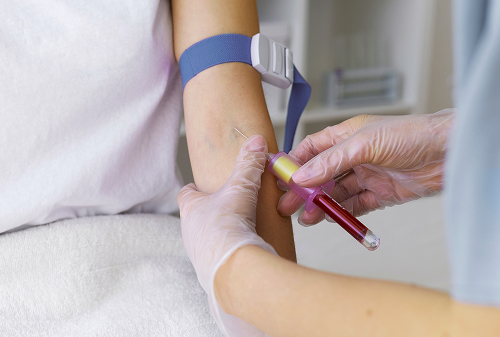
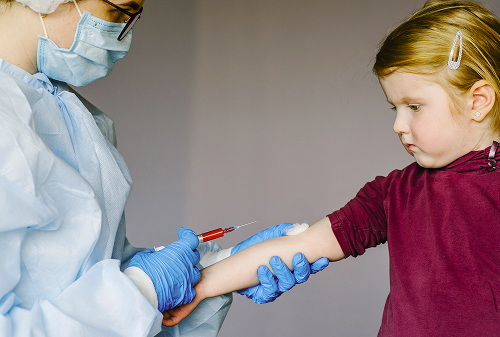
Повышение уровня эритроцитов в крови называется эритроцитозом.
Возможные причины:
- Обезвоживание (потеря жидкости при рвоте, поносе, высокой температуре)
- Жизнь или длительное пребывание в условиях высокогорья (компенсация нехватки кислорода)
- Курение и хронические заболевания легких (ХОБЛ, эмфизема, бронхиальная астма)
- Врожденные или приобретенные пороки сердца, хроническая сердечная недостаточность
- Опухоли почек с повышенной выработкой эритропоэтина
- Полицитемия (истинная эритремия) — заболевание кроветворной системы
Легкий эритроцитоз иногда бывает вариантом нормы у людей, живущих в горах или активно занимающихся спортом, но требует оценки врача.
Сниженный уровень эритроцитов называется эритропенией и часто сочетается со сниженным гемоглобином (анемия).
Основные причины:
- Дефицит железа, витамина В₁₂ или фолиевой кислоты
- Хроническая кровопотеря (язвы ЖКТ, геморрой, обильные менструации)
- Заболевания костного мозга и нарушения кроветворения
- Хронические инфекции и воспалительные заболевания
- Болезни почек с недостаточной выработкой эритропоэтина
- Гемолиз — ускоренное разрушение эритроцитов (наследственные гемолитические анемии, отравления)
Симптомы отклонений уровня эритроцитов
При сниженных эритроцитах (анемия)
Типичные жалобы:
- Бледность кожи и слизистых
- Усталость, слабость, снижение работоспособности
- Одышка при нагрузке, сердцебиение
- Головокружение, шум в ушах, головные боли
- Ломкость волос и ногтей, сухость кожи при дефиците железа
При повышенных эритроцитах
- Покраснение кожи лица, ощущение жара
- Головная боль, «мушки» перед глазами
- Повышенное артериальное давление
- Повышенный риск тромбозов
Что делать, если эритроциты вне нормы

- Проверить, нет ли ошибки в подготовке к анализу (дегидратация, интенсивная нагрузка перед сдачей)
- Оценить другие показатели крови: гемоглобин, гематокрит, MCV, MCH, лейкоциты, тромбоциты
- Обратиться к терапевту или гематологу для интерпретации результата с учетом симптомов и анамнеза
- При необходимости пройти дополнительные обследования (ферритин, витамин В₁₂, фолиевая кислота, биохимия крови, УЗИ органов)
Самостоятельно назначать себе препараты железа или «кроветворные» средства без обследования не рекомендуется, так как избыток железа тоже вреден.

Запись к врачу
Общая информация
Эритроциты при беременности
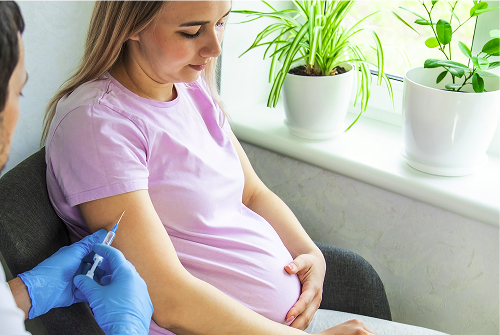
Во время беременности объем плазмы увеличивается, поэтому относительное количество эритроцитов может снижаться (физиологическая гемодилюция). Часто это выглядит как умеренное снижение гематокрита и легкая анемия, которая требует наблюдения и иногда коррекции железом.
При выраженном снижении эритроцитов у беременной повышается риск гипоксии плода, осложнений беременности и родов, поэтому важно вовремя корректировать дефицит.



Часто задаваемые вопросы
Что значит RBC в анализе крови?
Чем опасны низкие эритроциты?
Можно ли повысить эритроциты питанием?
А если эритроциты чуть выше нормы?
Норма эритроцитов у женщин отличается от мужской?
Сколько раз в год нужно сдавать общий анализ крови?

Такая награда выдаётся клиникам с самым высоким рейтингом по оценкам пользователей, большим количеством обращений с данной площадки, при отсутствии критичных нарушений.

Такая награда выдается клиникам с самым высоким рейтингом по оценкам пользователей. Она означает, что место знают, любят и сюда точно нужно зайти.

Портал ПроДокторов собрал 500 тысяч отзывов, составил по ним рейтинг врачей и наградил лучших. Гордимся, что среди награжденных есть наши врачи.
Запишитесь на прием в удобное время на ближайшую дату
Стоимость
Отзывы




Наши клиники


Приложение «Личный кабинет К+31»











