
Headaches
Headaches are one of the most common complaints patients seek help from a neurologist. According to medical statistics, up to 40% of the adult population experiences headaches annually, which reduce productivity and quality of life. Modern medicine identifies over 300 causes of headaches, and accurate diagnosis is essential for successful treatment.
The K+31 Neurology Department employs leading specialists—neurologists, cephalgologists, and neurophysiologists—who conduct comprehensive diagnostics and develop individualized treatment strategies using modern evidence-based medicine methods.

specialists

equipment

treatment




When you need to see a doctor urgently
Immediate medical attention is needed if:
- A severe headache occurs suddenly and for the first time ("thunderclap")
- The pain is accompanied by fever and a stiff neck.
- Vision and speech impairments, or weakness in the limbs have developed.
- The headache developed after a head injury.
- The pain increases and is not relieved by regular painkillers.
Diagnostics in K+31
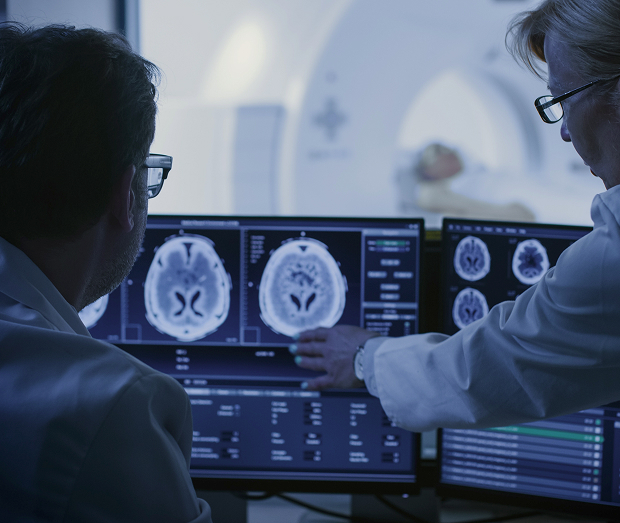
K+31 neurologists perform a comprehensive diagnosis to determine the cause of headaches:
- Neurological examination — assessment of reflexes, sensitivity, and coordination
- MRI/CT scan of the brain — ruling out structural pathologies (tumors, aneurysms, cysts)
- Ultrasound of the head and neck vessels (UZDG) — assessment of blood flow, detection of vascular abnormalities
- Electroencephalography (EEG) — study of the brain's electrical activity
- X-ray of the cervical spine — detection of degenerative changes
- Laboratory tests — blood tests, hormonal profile
- Consultations with related specialists — ophthalmologist, ENT specialist, cardiologist, endocrinologist
The examination program is selected individually based on the results of the initial consultation.
Treatment methods
Treatment tactics depend on the type, frequency, and cause of the headache.
Drug therapy
- Nonsteroidal anti-inflammatory drugs (NSAIDs)
- Triptans (specific treatment for migraines)
- Antidepressants and anticonvulsants (prevention of chronic pain)
- Muscle relaxants (for tension headaches)
- Monoclonal antibodies to CGRP (innovative migraine therapies: erenumab, fremanezumab)
Botulinum toxin therapy
Botulinum toxin injections are an effective treatment for chronic migraines (more than 15 headache days per month). The procedure is performed by certified specialists at K+31.
Therapeutic blockades
Targeted administration of anesthetics and anti-inflammatory drugs to the affected area. Allows for rapid relief of acute pain, especially in neuralgia and vertebrogenic pain.
Non-drug methods
- Manual therapy and neck massage
- Physiotherapy (magnetic therapy, electrophoresis)
- Reflexology (acupuncture)
- Physical therapy
- Psychotherapy and biofeedback (biofeedback)
Benefits of headache treatment at K+31
- Cephalgologists with many years of experience — doctors who specialize specifically in headache problems.
- Full range of diagnostics — MRI, CT, ultrasound, EEG, laboratory — all in one clinic.
- Modern techniques — botulinum therapy, monoclonal antibodies, therapeutic blockades.
- Multidisciplinary approach — collaboration between a neurologist, neurosurgeon, cardiologist, and psychotherapist.
- Individualized treatment plan — taking into account the type of pain, comorbidities, and the patient's lifestyle.
- The comfort of a premium clinic — no waiting lists, fast diagnostics, and personal attention.

FAQ
Which doctor treats headaches?
Is it possible to cure migraines permanently?
Why do I have a headache every day?
Is an MRI necessary for headaches?
Does botulinum toxin therapy help with headaches?
Is it dangerous to take painkillers frequently?
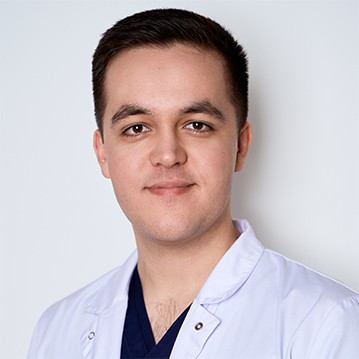
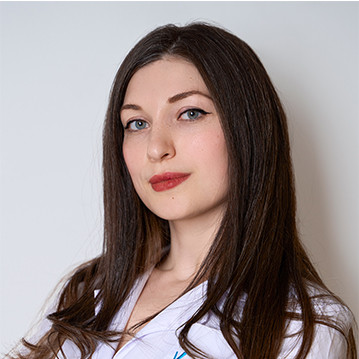
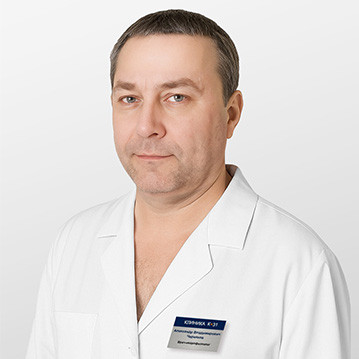
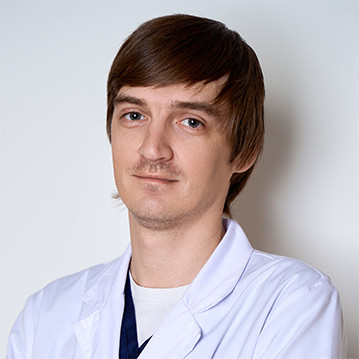
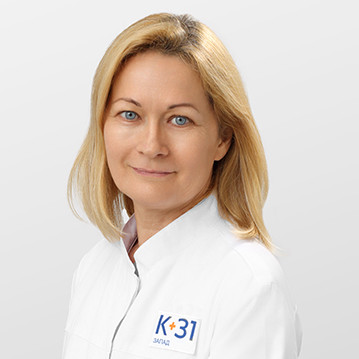
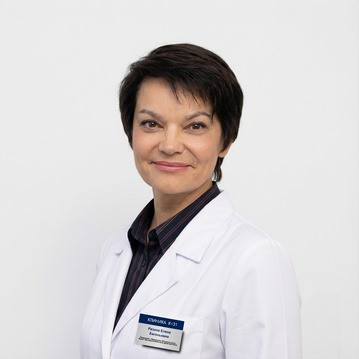
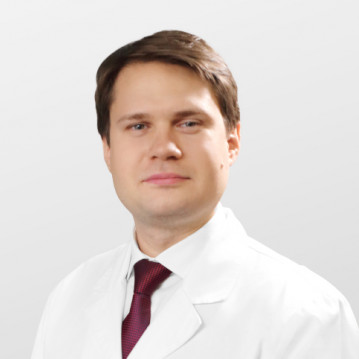
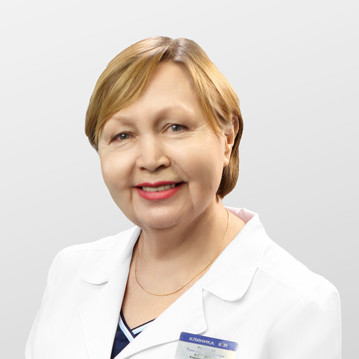
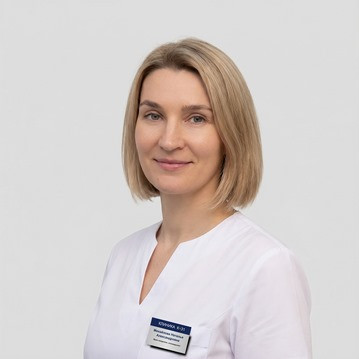
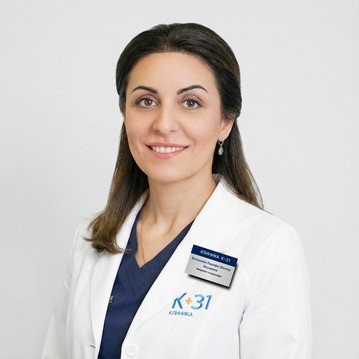
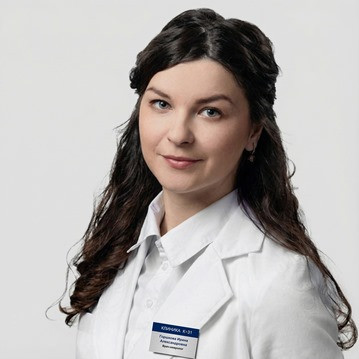
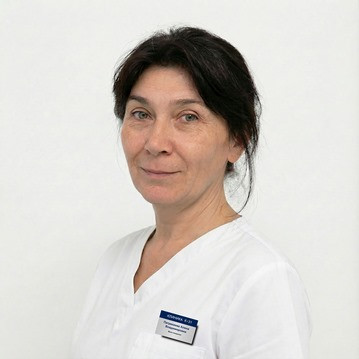
Our doctors













This award is given to clinics with the highest ratings according to user ratings, a large number of requests from this site, and in the absence of critical violations.

This award is given to clinics with the highest ratings according to user ratings. It means that the place is known, loved, and definitely worth visiting.

The ProDoctors portal collected 500 thousand reviews, compiled a rating of doctors based on them and awarded the best. We are proud that our doctors are among those awarded.
Make an appointment at a convenient time on the nearest date
Other services

Appointment to the doctor
Reviews




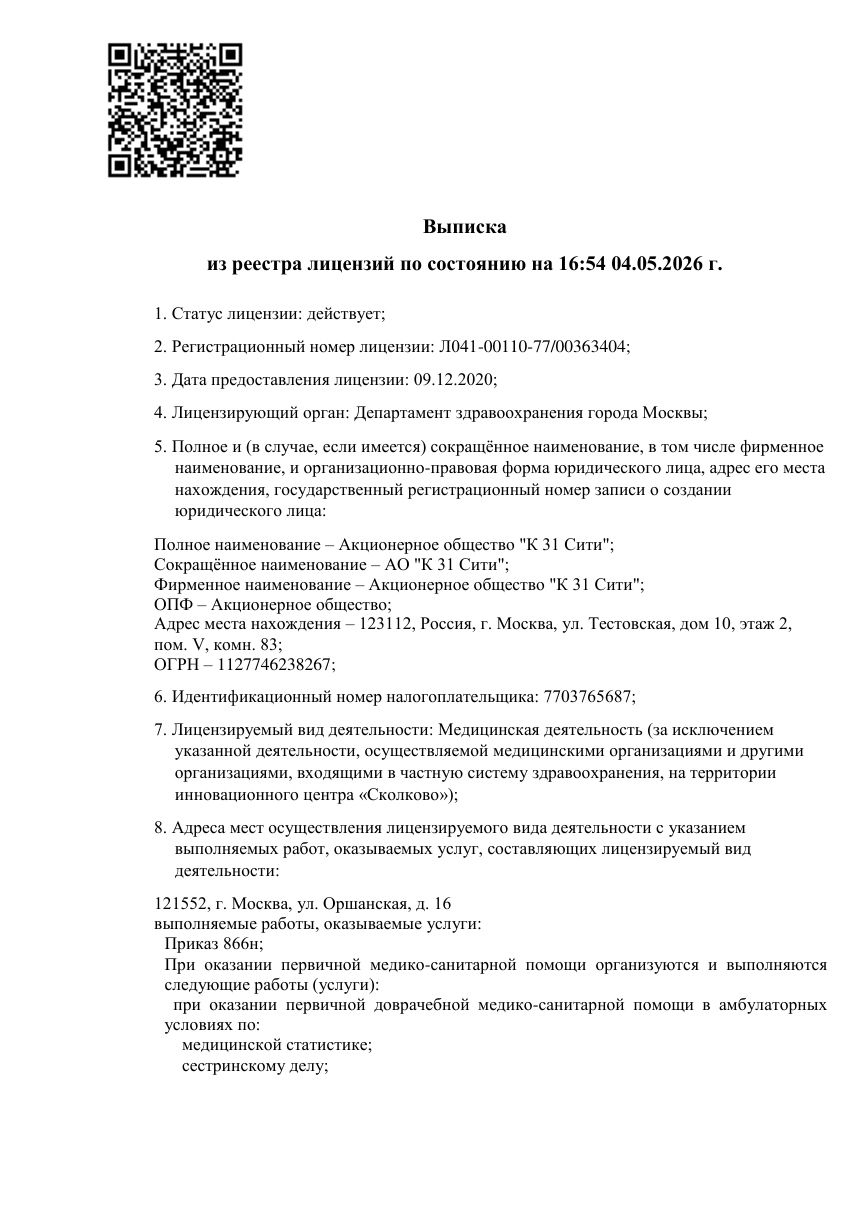






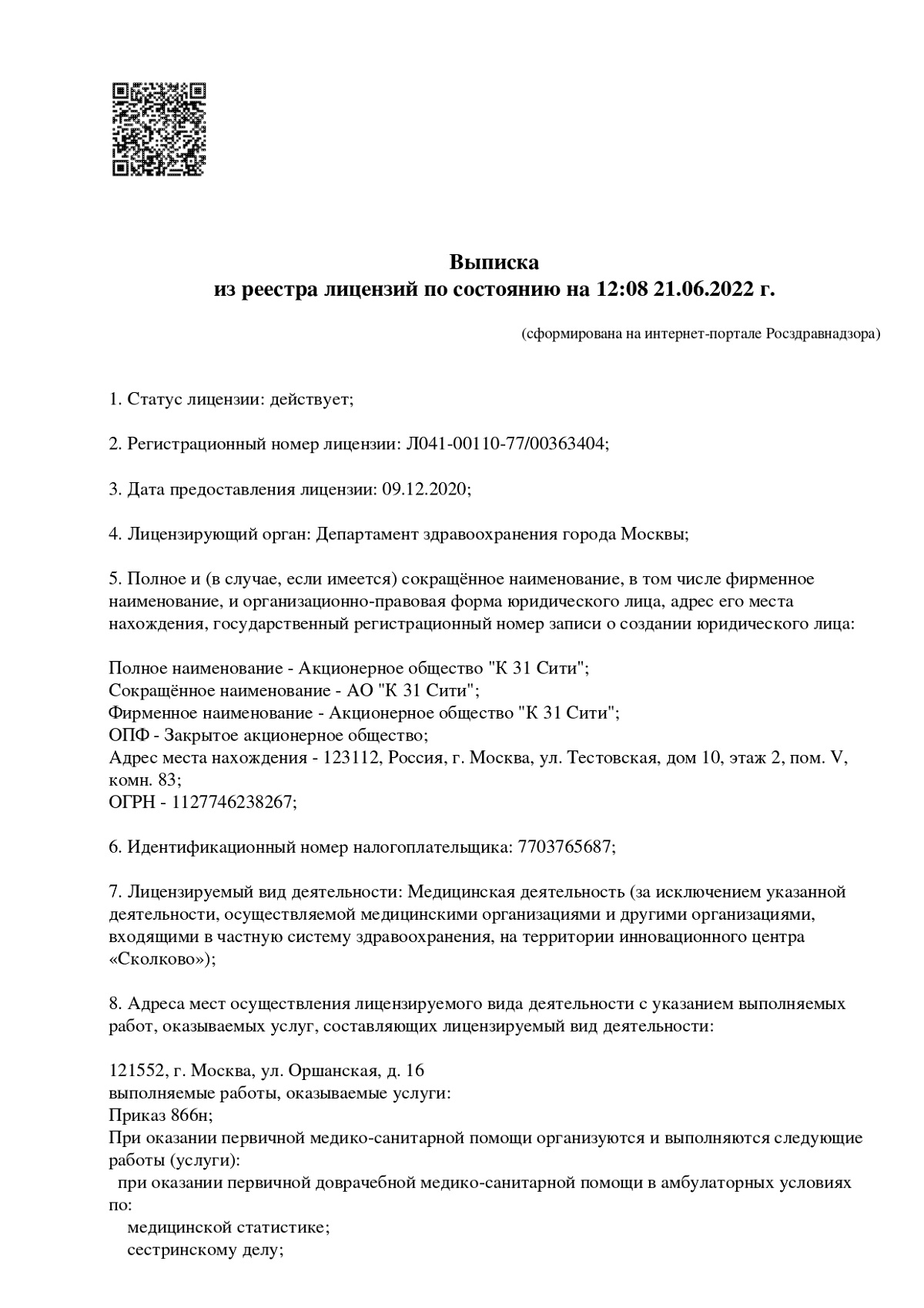
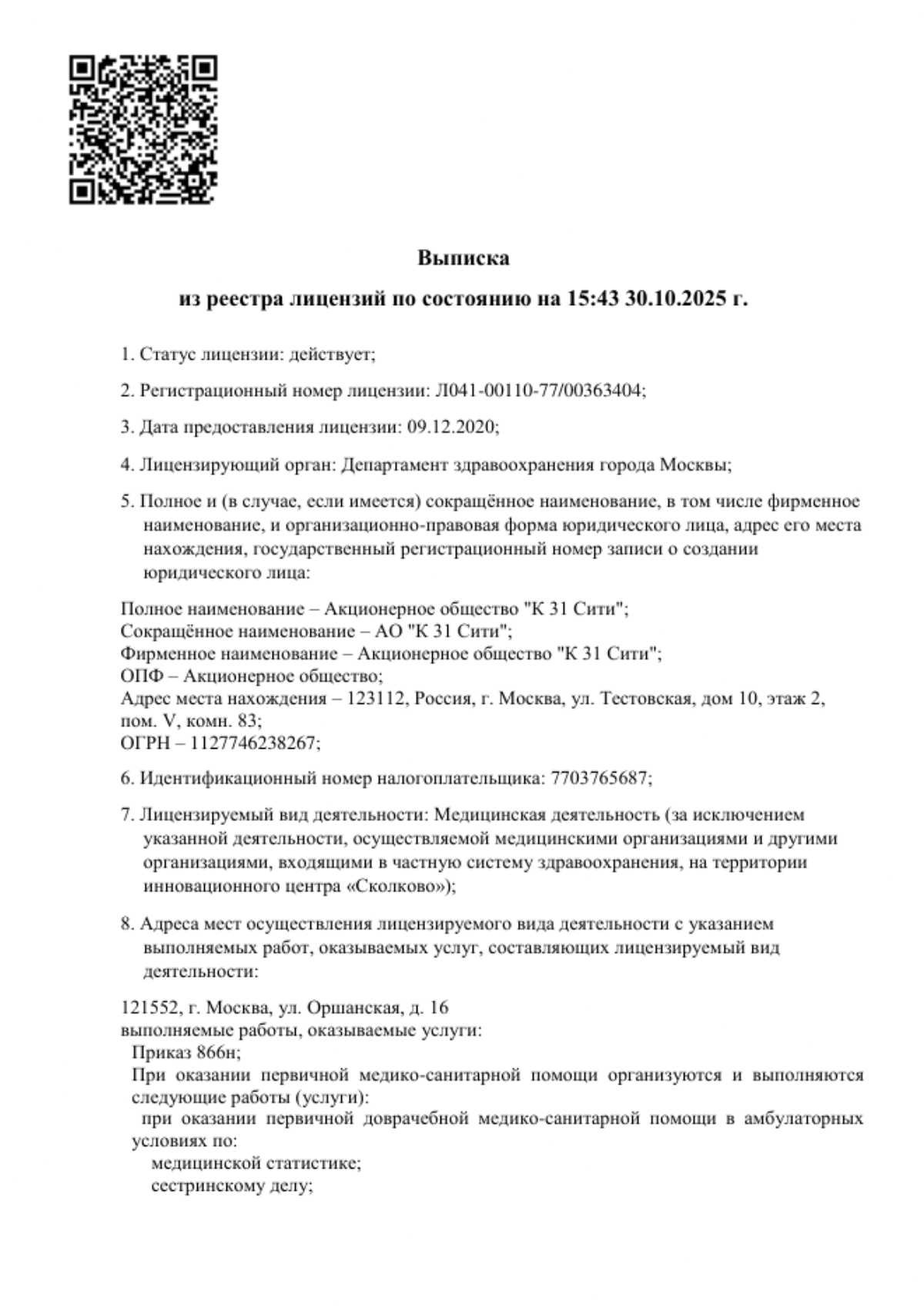



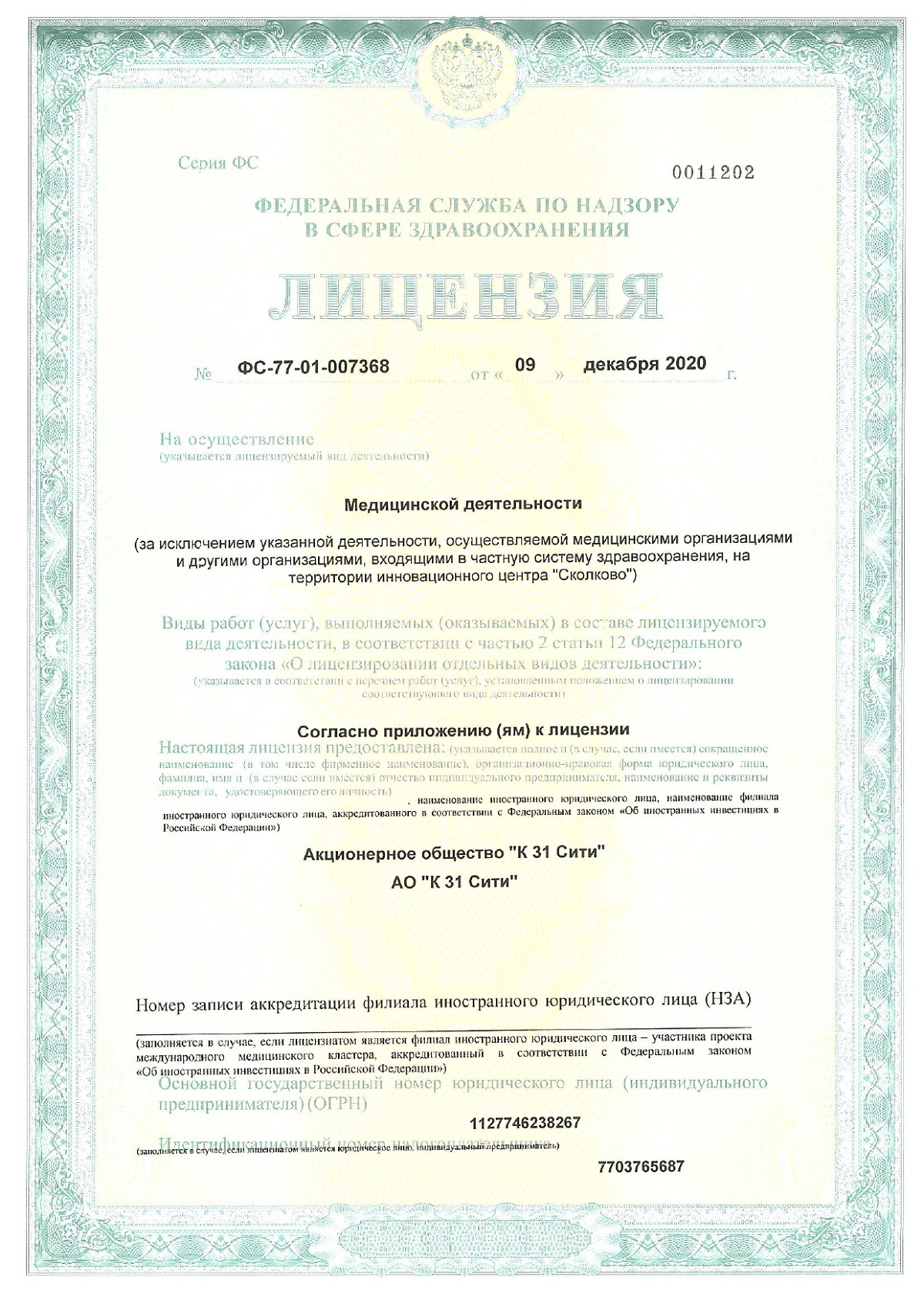
Our clinics


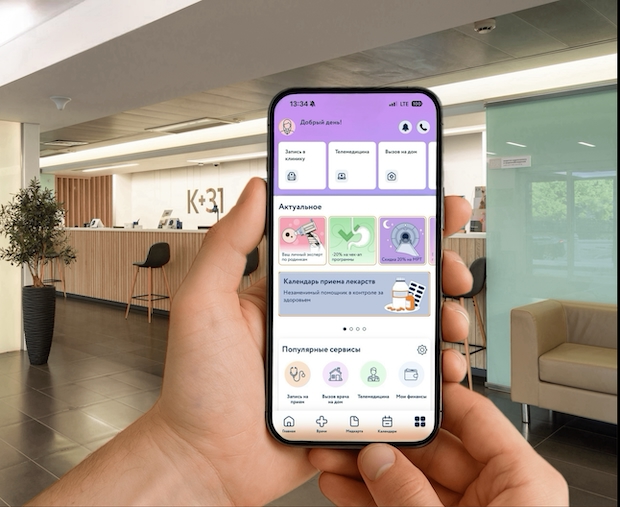
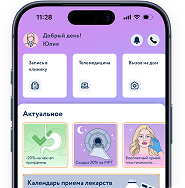
Application “Personal Account K+31”











Types of headaches
Tension-type headache (TTH)
The most common type. It manifests as a sensation of pressure, a "hoop" around the head. It is associated with muscle tension due to stress, fatigue, prolonged computer work, or cervical osteochondrosis.
Migraine
Intense attacks of throbbing pain, usually on one side, lasting from 4 to 72 hours. Accompanied by nausea, vomiting, and increased sensitivity to light and sound. Often begins in adolescence.
Cluster headache
Extremely intense pain localized in one area of the head, often around the eye. Accompanied by tearing, nasal congestion, and redness of the eye. Attacks occur in clusters.
Vertebrogenic headache
Caused by cervical spine pathology (osteochondrosis, protrusions, herniated discs). The pain radiates from the neck to the back of the head and temples, intensifying with head movement.
Neuralgia (trigeminal, occipital nerves)
Sharp, shooting, intense pain lasting seconds. Occurs with inflammation or nerve compression.
Headache of vascular origin
Chronic, moderate intensity. May be associated with vascular malformations, arterial hypertension, or venous dysfunction.
Symptomatic headache
Is a manifestation of another disease: hypertensive crisis, sinusitis, visual impairment, endocrine pathology, infection.