
Depression - diagnosis and treatment
Depression is more than just a bad mood or temporary apathy. It is a serious mental disorder characterized by persistent low mood, loss of interest in life, and loss of energy that persists for weeks or months. According to the WHO, depression is the leading cause of disability worldwide and remains one of the most under-recognized disorders: most people live with the disease for years without seeking professional help.
At the K+31 Clinic, psychotherapists, psychiatrists, and clinical psychologists with many years of experience provide consultations. Diagnosis is comprehensive, and treatment is strictly individualized, taking into account the cause of the disorder, its severity, and the patient's personality.

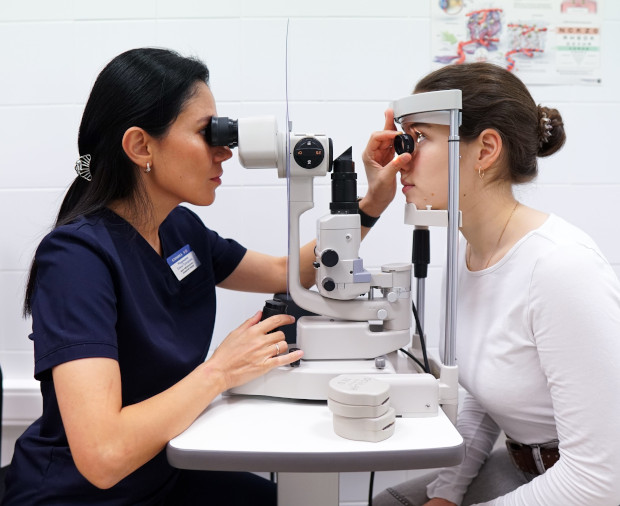
specialists

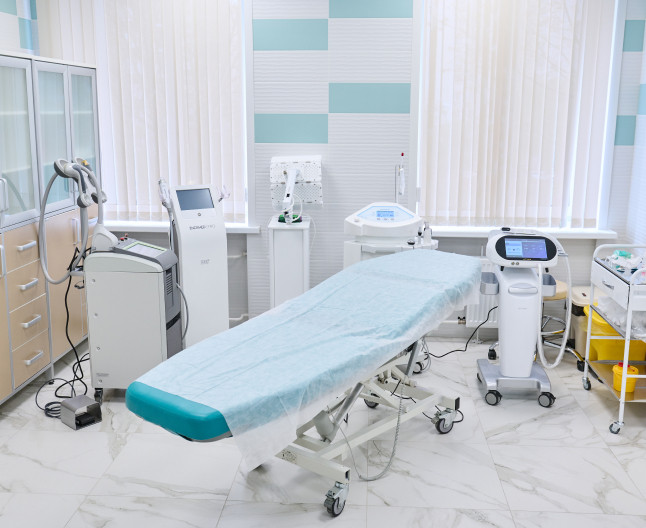
equipment

treatment




Causes of depression
Depressive disorders arise from a combination of biological, psychological, and social factors.
Biological causes:
- Genetic predisposition (risk increases if close relatives have had depression)
- Imbalance of brain neurotransmitters (serotonin, dopamine, norepinephrine)
- Hormonal changes: menopause, postpartum period, thyroid and adrenal diseases
- Chronic somatic diseases: oncology, cardiovascular pathologies, neurological disorders
- Taking certain medications (corticosteroids, beta-blockers, oral contraceptives)
Psychological causes:
- Chronic stress and emotional burnout
- Traumatic events: loss of a loved one, divorce, severe Illness
- Low self-esteem, self-criticism, perfectionism
- Childhood psychological trauma
Social causes:
- Isolation and lack of close relationships
- Problems at work, financial difficulties, family conflicts
- Change in lifestyle, moving, retirement
- Information overload and lack of rest
There is also endogenous depression, in which the disorder develops without an obvious external cause, solely based on internal neurobiological processes.
Symptoms of depression
Depression is diagnosed when symptoms persist for more than two weeks and significantly disrupt normal activities such as work, social interactions, and self-care.
Emotional symptoms:
- A persistently depressed, sad, or "empty" mood
- Anxiety without cause, a feeling of inner tension
- Loss of interest in activities that previously brought joy (anhedonia)
- A feeling of hopelessness and meaninglessness
- Loss of self-esteem, guilt, a sense of worthlessness
- Thoughts about death, about not wanting to live
Cognitive symptoms:
- Difficulty concentrating and remembering
- Slowed thinking, difficulty making decisions
- Intrusive negative thoughts
Physical symptoms:
- Persistent fatigue, loss of energy even after rest
- Sleep disturbances: insomnia or, conversely, excessive sleepiness
- Changes in appetite and weight (decrease or increase)
- Body aches and pains: head, back, chest, abdomen - without an organic cause
- Decreased libido
- Motor sluggishness or, conversely, restlessness and fidgeting
Important: if several of the listed symptoms occur together and last more than two weeks, consult a specialist.
Types of depression
| Type | Main features |
|---|---|
| Major depressive disorder (MDD) | Severe symptoms that significantly impair functioning; May be episodic or chronic. |
| Dysthymia (chronic depression) | Less severe symptoms, but lasting more than 2 years. |
| Reactive (psychogenic) depression | Occurs in response to a specific traumatic event. |
| Postpartum depression | Develops in the first weeks or months after childbirth. |
| Seasonal affective disorder (SAD) | Associated with a lack of sunlight; More common in fall and winter |
| Masked (somatized) depression | Latent form: the patient presents with complaints of pain and sleep disturbances, without associating them with a mental disorder. |
| Agitated depression | A combination of depressed mood with pronounced motor and mental agitation. |
| Bipolar depression | Alternating episodes of depression with episodes of mania (requires a special treatment approach) |

When you need to urgently seek help
Immediate medical attention is necessary if:
- Thoughts of self-harm or suicide have appeared
- The person has become unable to cope with basic self-care (eating, hygiene)
- Depression is accompanied by delusional ideas and hallucinations
- The condition has worsened sharply over a short period of time
- Significant lethargy or a complete withdrawal from contact with others is noted

Diagnostics at the K+31 clinic
A diagnosis of depression is made based on a comprehensive assessment, which includes:
- Initial consultation with a psychiatrist or psychotherapist - collection of anamnesis, assessment of the nature, severity, and duration of symptoms, identification of comorbid disorders
- Standardized diagnostic questionnaires - Hamilton Depression Inventory, Beck Depression Inventory, PHQ-9, and others
- Pathopsychological examination - assessment of cognitive functions, personality traits, and psychological defense mechanisms
- Laboratory tests - complete blood count and biochemistry, thyroid hormones, vitamin D and B12, ferritin, hormonal profile (to exclude somatic causes of depression)
- Consultations with related specialists - neurologist, endocrinologist, gynecologist - if necessary
It is important to rule out bipolar disorder. anxiety disorders, organic brain pathology, and somatic diseases that mimic depression.
Depression treatment methods in K+31
Treatment is always selected individually and, as a rule, combines several approaches.
Psychotherapy
Evidence-based psychotherapy is the primary and most effective treatment for mild to moderate depression. K+31 uses:
- Cognitive behavioral therapy (CBT) – helps identify and change destructive patterns of thinking and behavior; one of the most studied treatments for depression with proven effectiveness.
- Psychodynamic psychotherapy – works with the underlying causes of the disorder, past conflicts, and unconscious experiences.
- Interpersonal therapy (IPT) – focuses on relationship problems, loss, and role conflicts.
- Schema therapy – effective for chronic depression associated with early dysfunctional patterns.
- Mindfulness-based therapy (MBCT) – reduces the risk of depressive relapse.
Pharmacotherapy
For moderate to severe depression, medication therapy is a necessary component of treatment. Psychiatrists at K+31 prescribe:
- Antidepressants — medications are selected strictly individually, taking into account the clinical picture, the presence of comorbidities, and tolerability (SSRIs, SNRIs, tricyclics, and other groups)
- Anxiolytics — for severe anxiety
- Mood stabilizers — for bipolar depression or high risk of bipolarity
- Anticholics — for severe forms with psychotic symptoms
The first effect of antidepressants is usually noticeable within 2–4 weeks. Self-discontinuation of medications without consulting a doctor is unacceptable.
Additional methods
- Light therapy (phototherapy) is especially effective for seasonal depression.
- Transcranial magnetic stimulation (TMS) is used for treatment-resistant forms of depression.
- Physical therapy improves overall tone and reduces anxiety.
- Physical therapy is proven to reduce the severity of depressive symptoms.
- Lifestyle modification is recommended to normalize sleep patterns, nutrition, and social activity.
How is the treatment carried out?
-
Initial consultation: The doctor collects the patient's medical history, assesses the condition, and rules out somatic causes.
-
Diagnostics include testing, laboratory analysis if necessary, and consultations with related specialists.
-
Development of an individualized plan—a combination of psychotherapy, medications, and supportive methods is determined.
-
Treatment includes psychotherapy sessions, prescribed medications, and ongoing monitoring.
-
Results evaluation and adjustments – the treatment plan is adjusted if necessary; drug tolerance is monitored.
-
Relapse prevention – developing sustainable self-regulation skills, completing therapy
Benefits of depression treatment at K+31

- A multidisciplinary team—psychiatrists, psychotherapists, clinical psychologists, neurologists, and endocrinologists—works within a unified system.
- Evidence-based methods—only methods with proven clinical effectiveness are used.
- Complete confidentiality—any information about the patient's condition is kept confidential and is not shared with third parties; psychiatric registration is not required.
- Safe environment—a comfortable, stigmatizing clinic space.
- Individualized treatment plan—a therapy regimen is tailored to the individual, not "by protocol."
- Diagnostic facilities—access to an in-house laboratory, MRI, and neurological and endocrinological consultations in a single clinic.
- Dynamic monitoring—the doctor monitors the patient throughout the entire course of treatment, adjusting the regimen as needed.
FAQ
How can you tell if it's depression and not just a bad mood?
Which doctor should I see for depression?
Can I be registered?
Is depression treated solely with medication?
How long does depression treatment last?
Can depression go away without treatment?
How should I prepare for my first appointment?
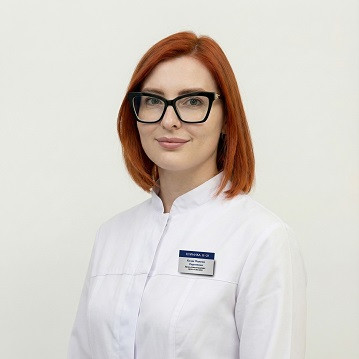
Our doctors












This award is given to clinics with the highest ratings according to user ratings, a large number of requests from this site, and in the absence of critical violations.

This award is given to clinics with the highest ratings according to user ratings. It means that the place is known, loved, and definitely worth visiting.

The ProDoctors portal collected 500 thousand reviews, compiled a rating of doctors based on them and awarded the best. We are proud that our doctors are among those awarded.
Make an appointment at a convenient time on the nearest date
Price
Other services

Appointment to the doctor
Reviews










Our clinics


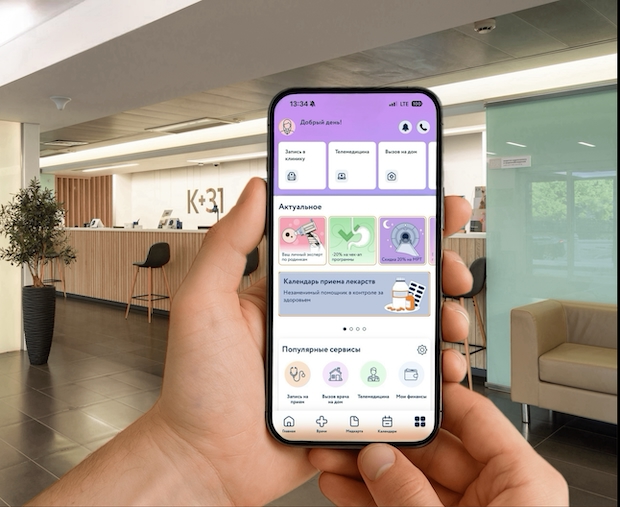
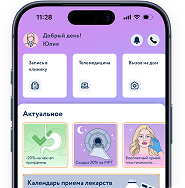
Application “Personal Account K+31”











Depression is a disease, not a weakness
It's important to understand: depression is not a personality trait or a consequence of "insufficient willpower." It's a medical disorder with specific biochemical mechanisms in the brain—an imbalance of neurotransmitters (serotonin, dopamine, norepinephrine). Like any other illness, depression requires professional diagnosis and treatment.
Without qualified help, depression tends to worsen symptoms and become chronic. Attempts to "pull yourself together," alcohol, or self-medication not only fail to help but often worsen the situation.