Palliative Care 24/7
Relieving pain and prolonging life in cancer patients
Care and support at every stage
We help in critical situations
Pain and symptoms are out of control
Selecting an effective pain relief regimen (including opioid analgesics according to WHO protocols).
Urgent procedures to alleviate the condition: ascites puncture, thoracentesis, antiemetic therapy.
24-hour emergency care for pain or respiratory crises.

The family is not Coping with home care
Temporary hospitalization to give the family a break and stabilize the patient's condition.
Teaching loved ones proper care: moving, preventing bedsores, feeding.
Organizing regular visits from a visiting nurse for procedures and home monitoring.

Complex life-sustaining procedures are needed.
Palliative surgical and interventional procedures: placement of stents, drains, gastrostomies, and nephrostomies.
Controlled infusion therapy (IVs) to correct exhaustion, intoxication, and restore balance.
Specialized care of stomas, wounds, and trophic ulcers to prevent infections.

We treat symptoms. We restore comfort.
How can we help?
No rushing or unnecessary decisions.
First, understanding the situation and a medical assessment.
Pain and symptom control
- Pain relief selection and adjustment
- Assistance with shortness of breath, nausea, anxiety, and insomnia
- Medical monitoring of the patient's condition
Result: You feel better, your sleep and strength return.

Antitumor therapy
- Maintenance chemotherapy
- Targeted and immunotherapy - according to a physician's assessment
Result: stabilization of the condition and improvement of quality of life, rather than treatment “at any cost.”

Medical and nursing care
- 24-hour care and monitoring
- pressure ulcer prevention
- assistance with hygiene and nutrition
Result: patient safety and reduced burden on the family.

Nutritional support
- Assistance when unable to eat
- Individualized nutritional selection
Result: slowing down exhaustion and supporting the body.

Psychological support
- helping patients cope with anxiety and fears
- supporting families during difficult times
Result: more internal resources and peace of mind.

Medical interventions
- manipulations to alleviate the condition
- decisions are made by the doctor
Result: reduction of acute symptoms and risks.

Мы не применяем всё сразу. Объём помощи подбирается только после оценки ситуации и всегда с учётом состояния пациента и семьи.
Мы объясним варианты и поможем выбрать подходящий.
The First Step
How We Start Helping
We use medical and supportive methods
that truly improve well-being and quality of life.

A Conversation with a Specialist
We'll listen to you, clarify what's going on now, and help you document your key questions and symptoms.
Important: You can just talk—no obligations.

Physical Assessment
A palliative care physician assesses the patient's condition, analyzes symptoms, and determines what measures are truly needed.
Decisions are made on a medical basis, not a "template-based" approach.

A Clear Care Plan
You get a clear understanding:
- What can be done now
- In what format—at home or in hospital
- What steps are next
No pressure. Just what makes sense for your situation.
Комплексная поддержка при госпитализации от 10 дней
Безопасный медицинский трансфер — бесплатно
Скидка 10% на стоимость проживания в одноместной или двухместной палате
Специальные условия при длительном размещение с 06.02.2026 по 30.04.2026.
ПодробнееComfort and care in every detail
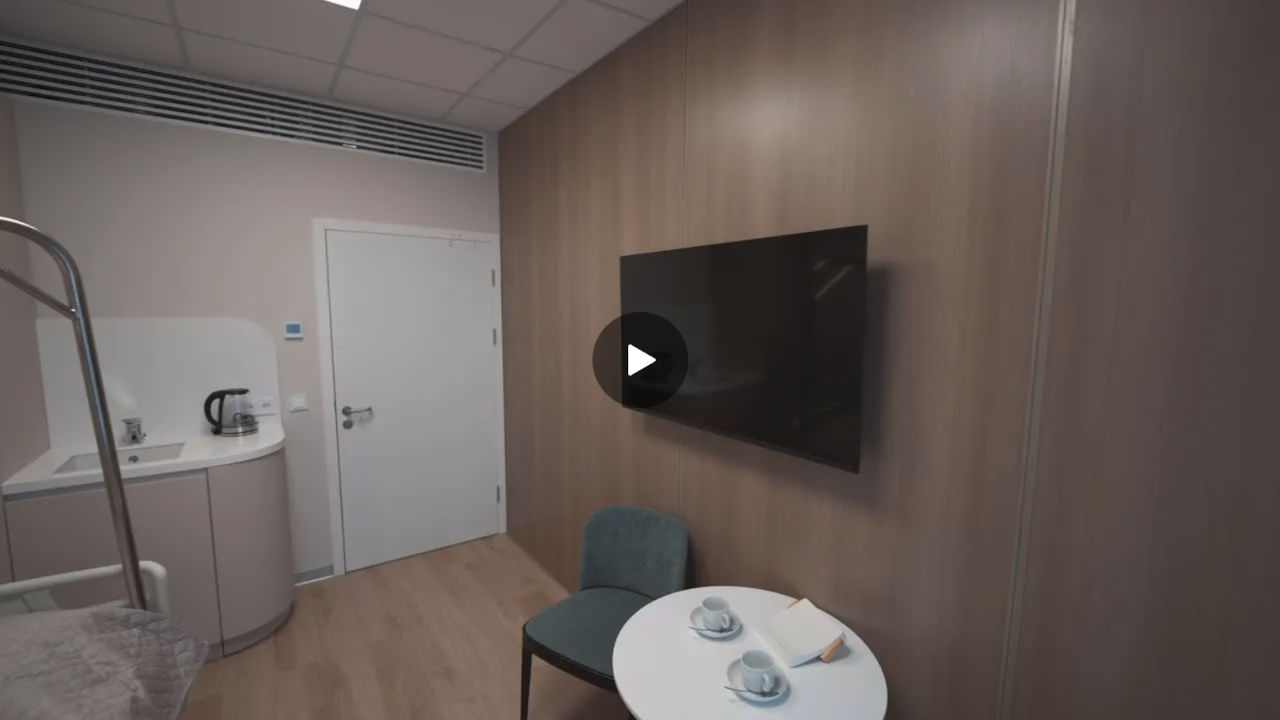
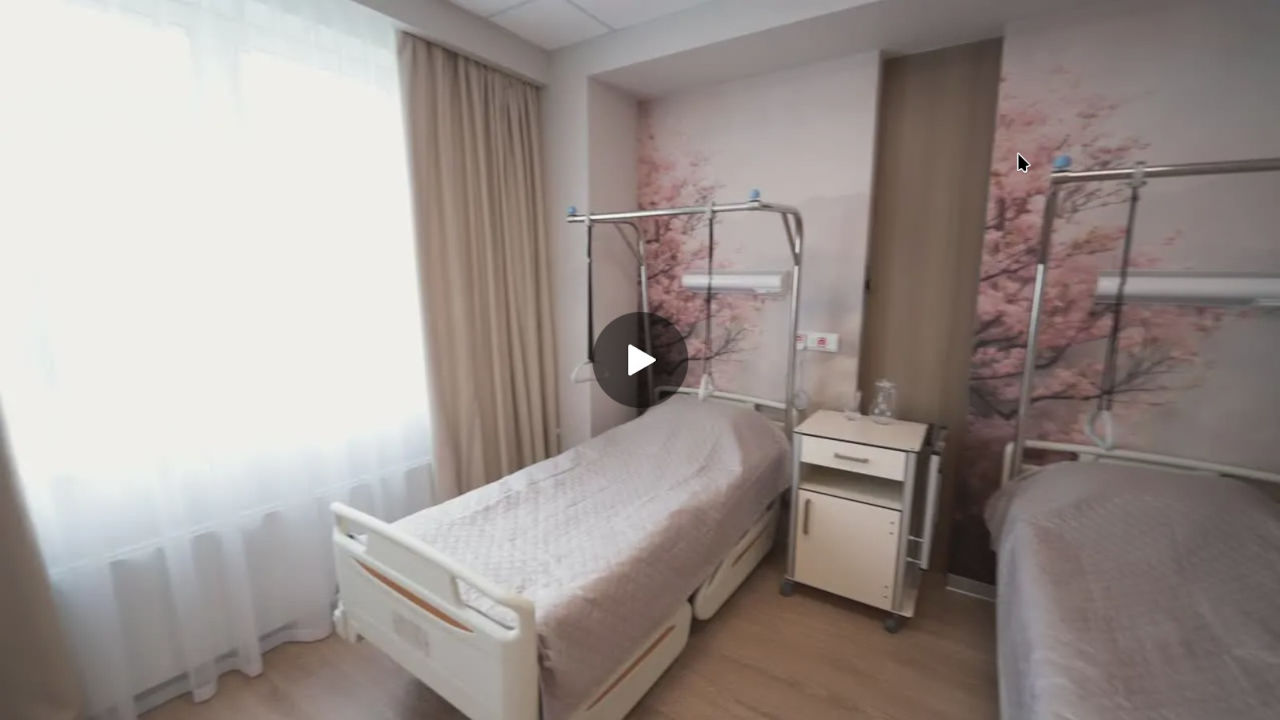
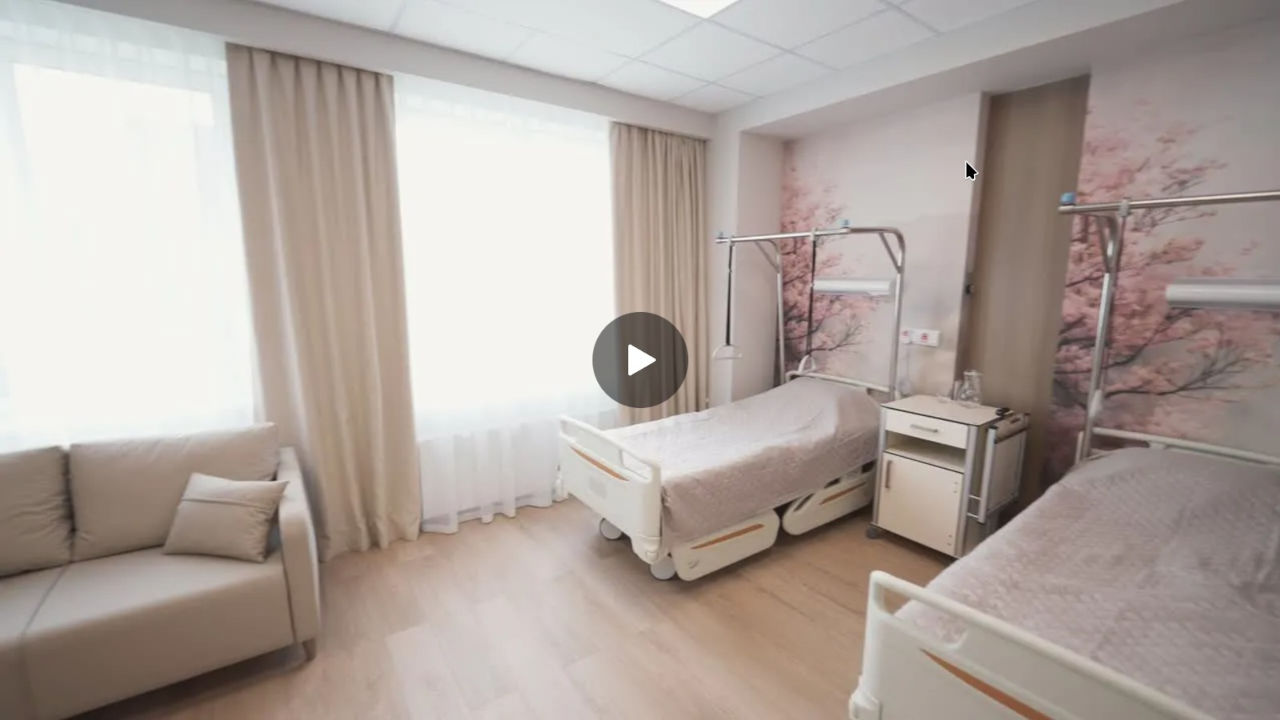
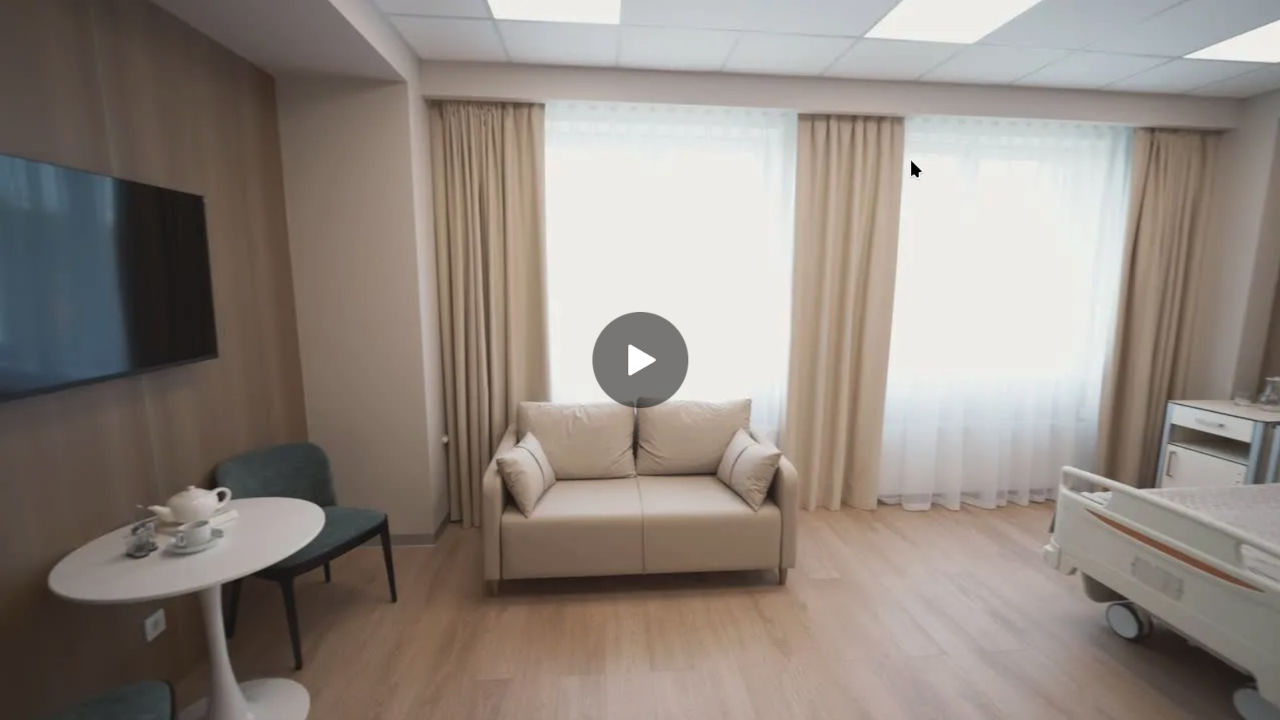
Cozy and modern rooms for your peace of mind

VIP ward
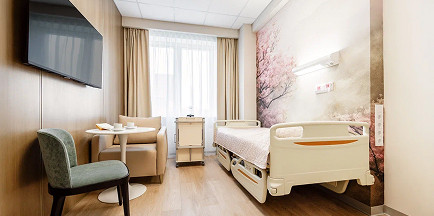
Single room

Double ward
The Power of Care and Professionalism
A Team of Specialists
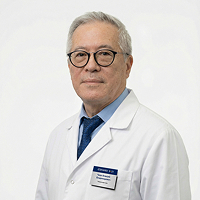
Alexey Vladimirovich Zhao
Chief Physician of the network.
Doctor of Medical Sciences, Professor.
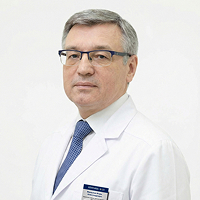
Merkulov Igor Aleksandrovich
Deputy Chief Physician for Oncology, Oncologist.
Doctor of Medical Sciences.

Kotov Sergey Vladislavovich
Deputy Chief Physician of K+31 for Urology, Chief Urologist of K+31, Urologist-Andrologist, Oncologist-Urologist.
Doctor of Medical Sciences, Professor.

Morozova Albina Soslanovna
Acting Head of the Antitumor Drug Therapy Department, oncologist. Highest category physician.




Equipment
Equipment that makes care safe and gentle
We use professional equipment that reduces pain, the risk of complications, and the burden on the patient and loved ones.
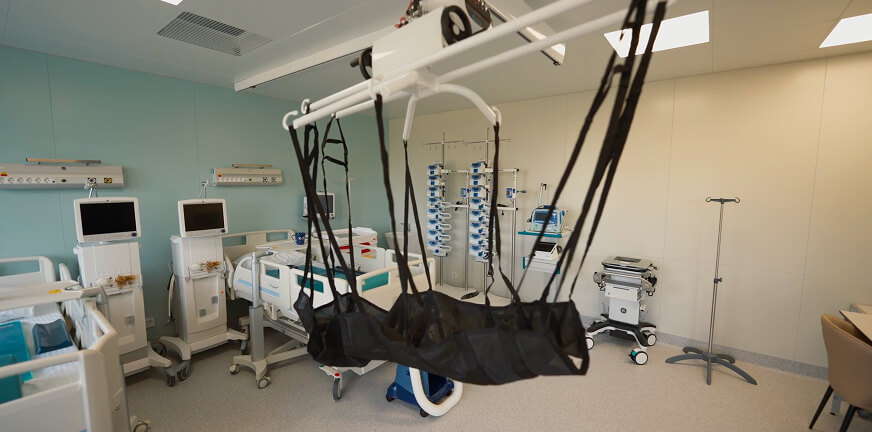
Lifting and Moving System
Allows the careful movement of completely immobilized patients without pain, sudden movements, or the risk of falls.
What this provides:
- reduced risk of injury and pressure ulcers
- preservation of patient dignity
- safety for caregivers and medical staff
The patient is not carried "in arms" – everything happens calmly and carefully.
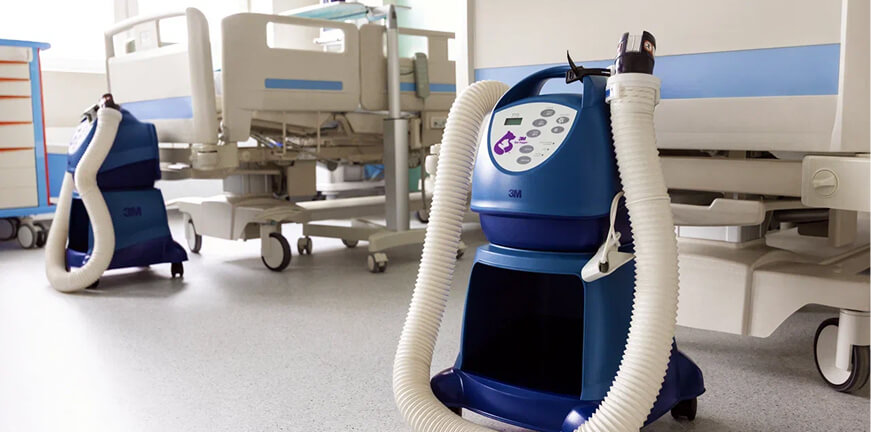
3M Vacuum Aspiration System
Used to remove secretions from the airways and care for patients with impaired swallowing or consciousness.
When it's especially important:
- Dementia and Alzheimer's disease
- Stroke consequences
- Oncological and neurological diseases
Helps reduce the risk of suffocation and pneumonia, provides comfort and calm breathing.
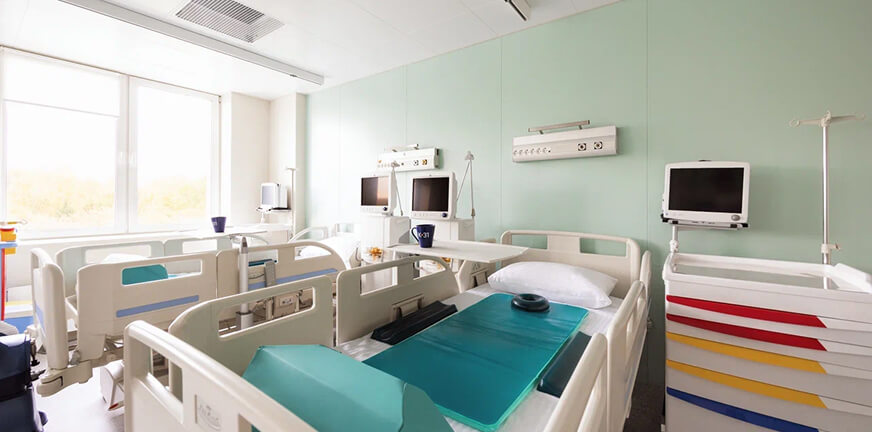
Functional Medical Beds
Electric beds with adjustable body positioning and pressure ulcer prevention systems.
Benefits:
- Comfortable sleeping and breathing position
- Reduced pressure on the skin
- Comfortable during care and procedures
The person is not "lying motionless" — body position can be changed without pain.
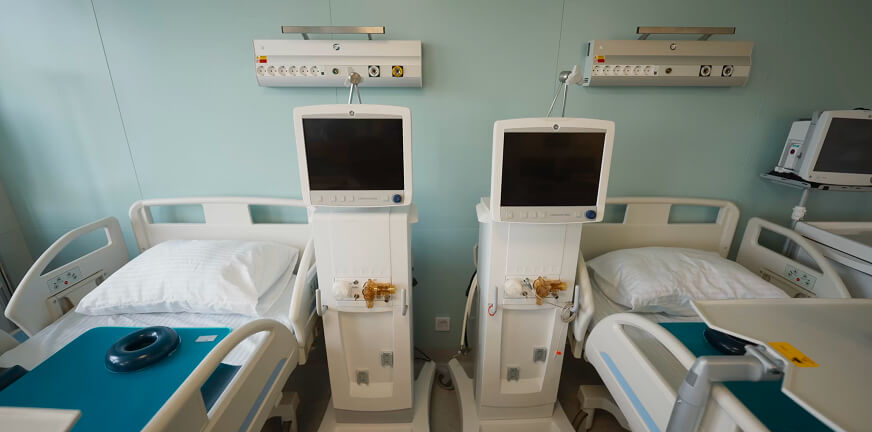
Patient Monitoring System
Allows doctors and nurses to monitor the patient's breathing, condition, and well-being.
Characteristics of the palliative approach:
- The emphasis is not on alarm signals, but on comfort, breathing, and pain indicators.
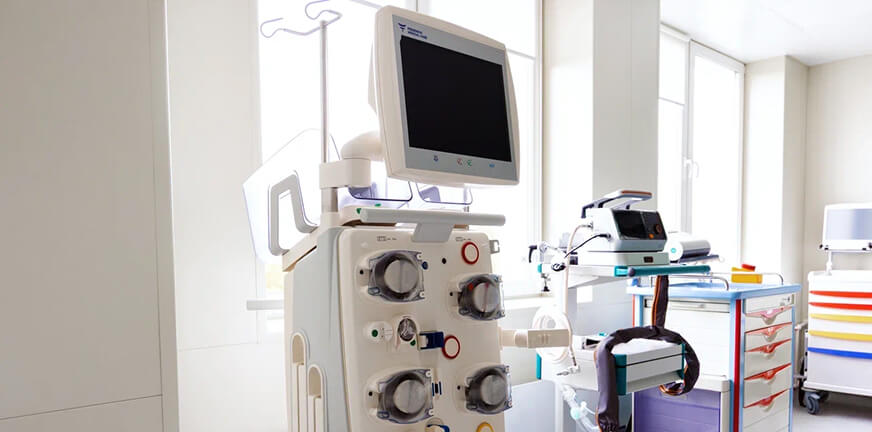
Hemodialysis machine
Used in patients with renal Insufficiency within palliative care.
Characteristics of the palliative approach:
- reduction of intoxication
- reduction of shortness of breath and edema
- improvement of overall well-being
The goal is not to cure the disease, but to alleviate the condition and maintain quality of life.
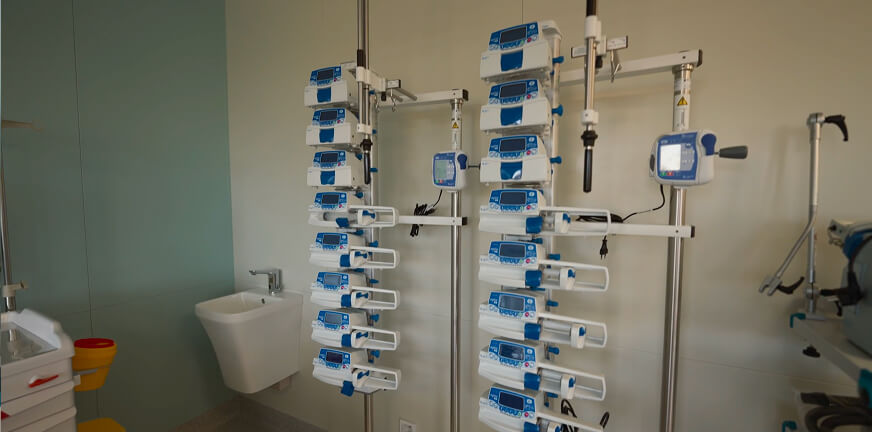
Multichannel Infusion Pumps
Modern infusion pumps for precise and continuous drug delivery.
Why is this important in palliative care:
- stable pain control
- safe use of strong painkillers
- fewer injections and discomfort
Drugs are delivered precisely and gently, without sudden changes or unnecessary strain.
Мы используем оборудование не ради технологий. А ради того чтобы человеку было легче, а уход — безопасным, спокойным и достойным.
Подберем комфортную помощь в К+31
Пройдите короткий опрос, чтобы мы могли подобрать оптимальную поддержку для вас или ваших близких. Ответьте на несколько вопросов, и мы окружим вас заботой.
Real stories
When things get easier, people start talking about it calmly.
We're here to help with answers.
Answers to your questions
What is palliative care?
Palliative care is comprehensive support for patients with serious illnesses and their families.
Its goal is to relieve pain and other symptoms, help manage anxiety, maintain quality of life, and maintain a sense of control.
Important: palliative care is not about refusing treatment, but about caring, comfort, and respect for a person's wishes.
When should you seek palliative care?
The sooner, the better.
You should seek palliative care if you experience severe pain, shortness of breath, weakness, insomnia, anxiety, or when caring for a loved one becomes too difficult.
Early involvement of specialists can help alleviate the condition and avoid crisis situations.
Is this the same as hospice?
No, they are different concepts.
Hospice is a form of palliative care, often for patients in the later stages of a disease.
But palliative care can be provided at home, on an outpatient basis, or in a day hospital—long before the terminal stage.
Can palliative care be administered simultaneously with treatment?
Yes, you can and should.
Palliative care complements primary treatment—for example, chemotherapy, targeted therapy, or immunotherapy.
It helps patients better tolerate therapy, reduces side effects, and improves quality of life.
Who is eligible for palliative care?
Patients with severe chronic or progressive diseases—oncological, cardiovascular, pulmonary, neurological, neurodegenerative, and others.
This assistance is also important for the families of patients who have difficulty coping with care and the emotional burden.
Does palliative care help completely relieve pain?
In most cases, yes.
Modern pain relief methods exist, including opioids. A doctor will tailor a regimen to provide maximum pain relief while maintaining mental clarity and comfort.
You use opioids. Is it safe?
Yes, if they are prescribed and monitored by a doctor.
When used correctly, the risk of addiction is minimal, and patient safety always comes first.
We also educate families on how to store and use medications at home.
Where can I get palliative care—at home or only in hospital?
There are different formats:
- Home care—when specialists come to you.
- Outpatient support—consultations and procedures in the clinic.
- Inpatient or day hospital—if 24-hour monitoring or complex procedures are needed.
The choice depends on The patient's condition and the family's capabilities.
Do you support the patient's family?
Yes, palliative care is aimed not only at the patient but also at their loved ones.
We provide care training, recommendations, help manage stress, and offer psychological support and groups for relatives.

Didn't find the answer to your question?
Your data is secure and is used only to contact you.
Дом или стационар — как понять, что подойдёт.
Единственно правильного решения нет. Оно зависит от состояния пациента и возможностей семьи.
Contact us
Address
Moscow, st. Academician Pavlova, 22
Contacts
Opening hours
Будни: 08:00 – 21:00
Сб-Вс: 09:00 – 19:00
How to get there
- Metro: Molodezhnaya
- Car: Driving along Orshanskaya Street, turn toward the barrier with security post K+31.
Guaranteed Professionalism and Trust
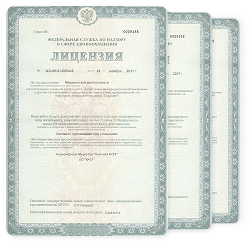
Clinic Licenses

Задайте вопрос врачу

Ваш вопрос отправлен!
Получить консультацию
Заявка отправлена!




Application “Personal Account K+31”