
Поиск
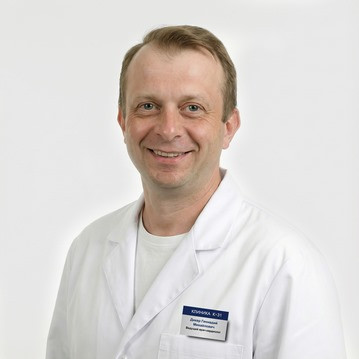
ДИКЕР ГЕННАДИЙ МИХАЙЛОВИЧ
Ведущий врач-кардиолог Занимается диагностикой и лечением заболеваний сердечно-сосудистой системы. Оказывает помощь при следующей патологии: гипертония, гипотония, аритмия, тахикардия, брадикардия, стенокардия, сердечная недостаточность, пороки сердца, ...
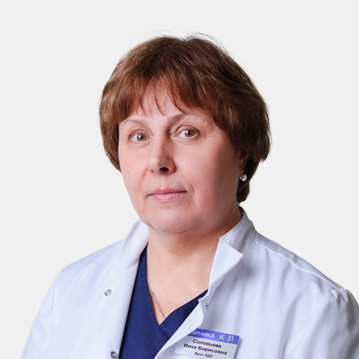
СОЛОВЬЕВА ИННА БОРИСОВНА
Врач лабораторной диагностики Врач клинической лаборатории, подбирает персональный план лечения и восстановления. Врач высшей категории Анализы Диагностика Лабораторная диагностика
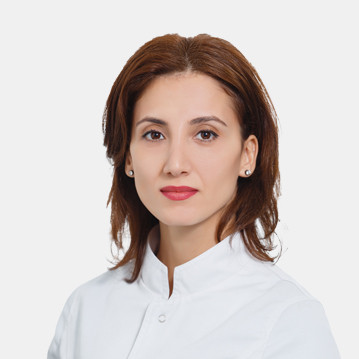
МИТОЯН РУЗАННА ЕСАИЕВНА
Врач пластический хирург Хирургия Малоинвазивные методики Пластическая и реконструктивная хирургия Косметология Реконструктивная микрохирургия молочных желез Эстетическая хирургия лица и тела. Пластическая хирургия
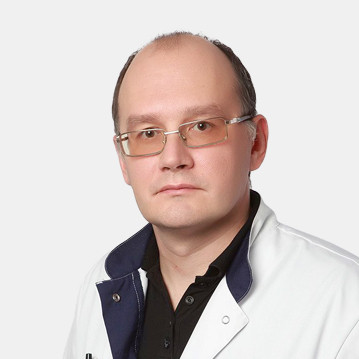
МАЛЫГИН СЕРГЕЙ ЕВГЕНЬЕВИЧ
Врач онколог-маммолог, хирург Основные направления клинической деятельности: диагностика, хирургическое и лекарственное лечение доброкачественных новообразований и рака молочной железы, реконструкция молочной железы, эстетическая хирургия. Осмотр детей: ...
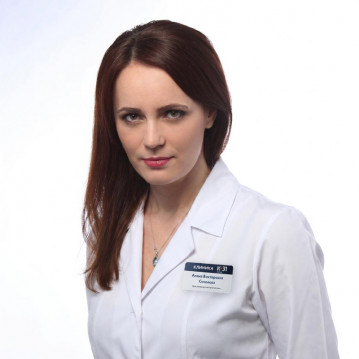
СОКОЛОВА АЛЕНА ВИКТОРОВНА
Врач ультразвуковой диагностики Допплерэхокардиография, Дуплексное сканирование экстра- и интракраниальных отделов брахиоцефальных артерий, Дуплексное сканирование вен верхних и нижних конечностей, Дуплексное сканирование артерий верхних и нижних ...
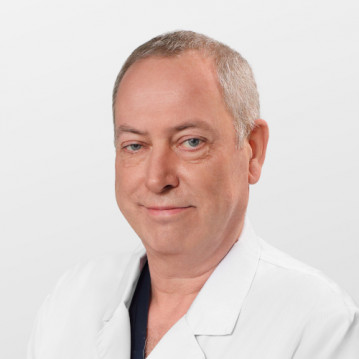
СНЕТКОВ ВИКТОР ЮРЬЕВИЧ
Врач-рентгенолог Специализируется в области рентгенологических исследований, КТ-диагностики. Кандидат медицинских наук Врач первой категории Рентген Диагностика Денситометрия
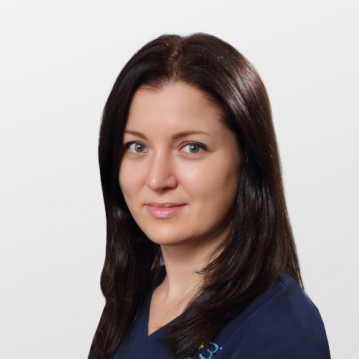
СЕЛЕНИНА ТАТЬЯНА ВИТАЛЬЕВНА
Врач-оториноларинголог Эндоскопическое исследование ЛОР органов. Тимпанометрия. Промывание лакун миндалин. Эндоларингеальное вливание. Катетеризация слуховых труб. Промывание полости носа методом перемещения. Пункции верхнечелюстных пазух. Удаление кист и ...













